Singapore has firmly established itself as the biomedical anchor of Southeast Asia, making pharmaceutical companies in Singapore prime targets for global B2B importers, distributors, and healthcare procurement professionals. From advanced biologics to active pharmaceutical ingredients (APIs), the island nation offers a robust manufacturing and regulatory ecosystem.
Navigating this sophisticated market requires a clear understanding of sourcing channels, regulatory frameworks, and supplier verification protocols. This comprehensive guide details everything international B2B buyers need to know to successfully source pharmaceuticals from Singapore-based partners.
Why Singapore is Asia's Premier Pharma Hub
Singapore’s rise as a global pharmaceutical manufacturing powerhouse is not accidental. Strategic government investments through the Economic Development Board (EDB), world-class infrastructure, and a strict intellectual property (IP) protection framework have attracted many of the world's top pharmaceutical giants.
Infrastructure and Manufacturing Excellence
To support high-tech manufacturing, Singapore developed specialised industrial parks, most notably the Tuas Biomedical Park (TBP). TBP houses manufacturing facilities for major multinational corporations, equipped with specialized utilities, waste treatment plants, and logistics infrastructure designed specifically for complex biopharmaceutical production.
Importers benefit from this advanced ecosystem because suppliers operating here typically adhere to stringent international standards, such as cGMP (Current Good Manufacturing Practice). The high concentration of talent, research institutes, and contract manufacturing organizations (CMOs) ensures consistent output quality, reduced batch variance, and reliable cold-chain logistics.
Strategic Logistics and Trade Connectivity
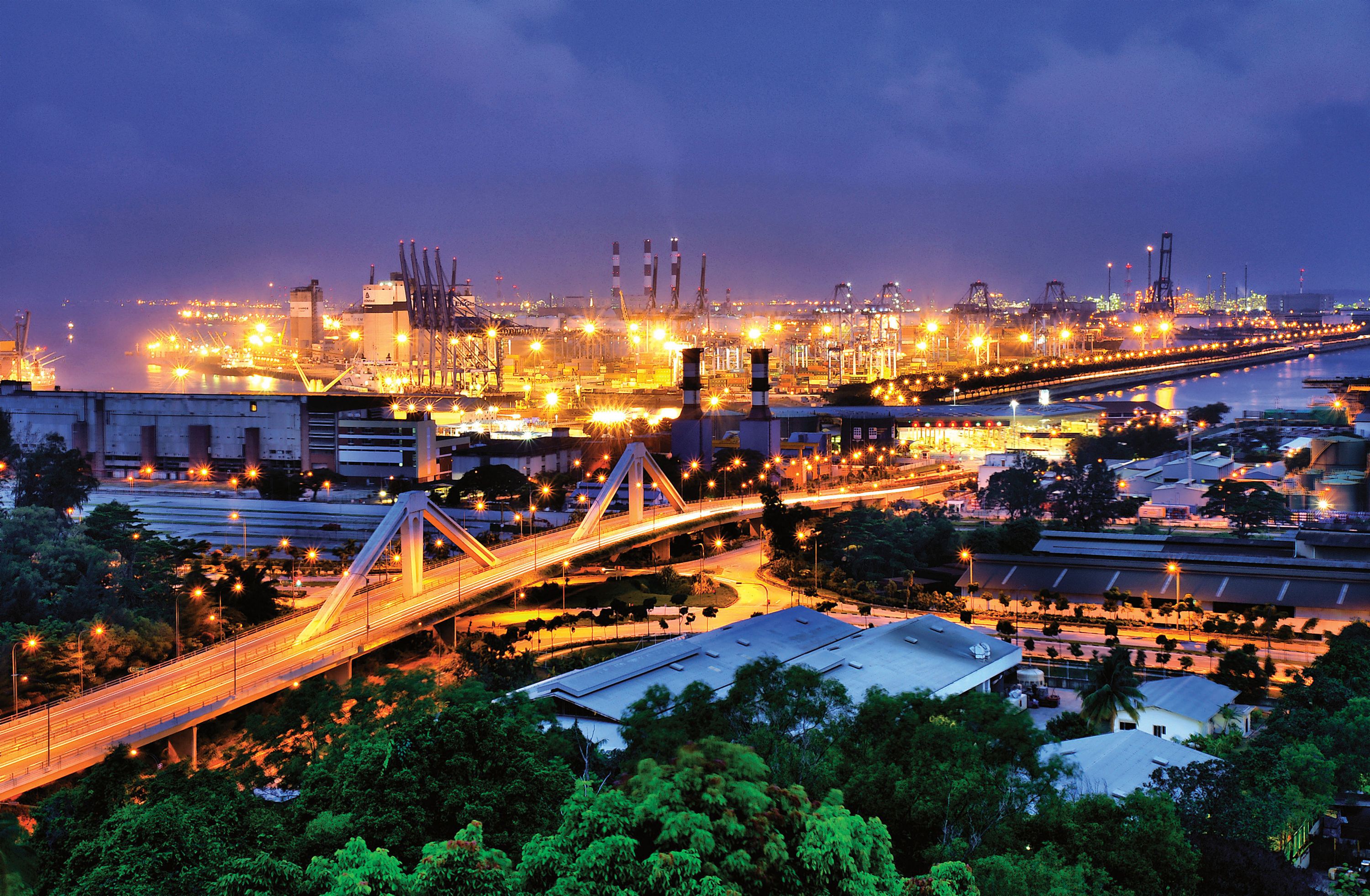
As a premier global transshipment hub, Singapore offers unmatched connectivity via Changi Airport and the Port of Singapore. For pharmaceutical importers, this translates to reduced lead times and secure, temperature-controlled freight corridors.
Pharmaceutical logistics demand precise environment management. Singapore-based exporters are well-versed in maintaining cold-chain integrity for vaccines, biologics, and temperature-sensitive APIs, minimizing the risk of cargo degradation during transit.
Sourcing Channels for Importers
Finding reliable pharmaceutical companies in Singapore requires a multi-channel approach. Depending on whether you are looking for contract manufacturing, branded generics, or raw ingredients, different channels yield varying results.
B2B Trade Platforms and Marketplaces
Digital B2B marketplaces have revolutionized initial supplier discovery. Platforms like Today Adviser allow verified global buyers to filter suppliers by certification, product category, and export capacity.
Using digital platforms enables procurement teams to conduct preliminary vendor vetting, review compliance credentials, and initiate direct communication without immediate travel costs. However, digital discovery should always be followed by rigorous offline verification.
Industry Trade Shows and Exhibitions
Attending regional and local trade exhibitions provides direct access to pharmaceutical executives, regulatory affairs specialists, and business development heads.
Key events in the region include:
- CPHI South East Asia (rotating locations, heavily attended by Singaporean firms)
- Medical Fair Asia (held biennially in Singapore)
- Singapore International Cyber Week and Tech-focused healthcare summits
Face-to-face interactions at these events allow buyers to assess corporate culture, discuss custom manufacturing requirements, and negotiate long-term supply agreements.
Local Distributors, Agents, and Brokers
For international buyers entering the market for the first time, partnering with a local sourcing agent or established distributor can simplify the process.
Distributors often hold existing relationships with multiple local manufacturers, reducing the administrative burden of managing multiple vendor accounts. However, buyers must factor in distributor markups and verify that the agent possesses the legal authority to export specific controlled substances or proprietary formulations.
Understanding HSA Regulations (General Overview)
Regulation is the cornerstone of the pharmaceutical trade. In Singapore, the Health Sciences Authority (HSA) acts as the national regulator overseeing the safety, quality, and efficacy of medicinal products.
Regulatory Framework and Oversight
Importers must understand that while the HSA strictly regulates products entering, leaving, or being manufactured within Singapore, the agency's primary mandate is domestic health protection. However, the HSA's stringent standards serve as a quality benchmark for international buyers.
Suppliers operating within Singapore must hold appropriate manufacturing, wholesale dealer, or import/export licences issued by the HSA. These licences are contingent upon routine facility inspections and adherence to PIC/S (Pharmaceutical Inspection Co-operation Scheme) GMP standards.
| Regulatory Aspect | Description for Importers | Practical Implication |
|---|---|---|>
| Manufacturing Licences | Required for any entity producing finished goods or APIs locally. | Ensures the facility meets international engineering and cleanliness standards. |
| Wholesale Dealer Licences | Required for storing and distributing pharmaceutical products. | Guarantees proper warehousing, inventory tracking, and cold-chain maintenance. |
| Product Registration | Medicinal products must be registered before local sale. | Unregistered products intended purely for export must still meet specific documentation requirements. |
| GMP Certification | Evidence of compliance with Good Manufacturing Practices. | Reduces the need for exhaustive primary facility audits by the buyer. |
Export Documentation and Compliance
When sourcing from pharmaceutical companies in Singapore, buyers should expect comprehensive documentation packages with every shipment. Standard export documents include:
- Certificate of Analysis (CoA) for every batch
- Certificate of Pharmaceutical Product (CPP)
- Commercial invoice, packing list, and bill of lading
- Temperature data logs for cold-chain shipments
Failure to secure proper documentation can result in customs delays at the destination port and potential regulatory penalties.
Importer Verification Checklist
To mitigate risk, avoid counterfeit products, and ensure regulatory alignment, procurement professionals must execute a standardized verification checklist before finalizing contracts with any supplier.
1. Licencing and Legal Status
Verify that the supplier holds active, unexpired licences from the HSA or relevant governing bodies. Request scanned copies of their Manufacturing Licence or Wholesale Dealer Licence and cross-reference them through official government registries.
2. GMP and Quality Certifications
Do not rely solely on self-reported claims. Request third-party audit reports, ISO certifications (such as ISO 9001 and ISO 13485 for medical devices/combination products), and PIC/S GMP certificates. Ensure the scope of the certification covers the specific product category you intend to source.
3. Product Registration and Compliance History
Check whether the products are registered in Singapore or approved by reference regulatory agencies (such as the US FDA, EMA, or PMDA). Review the supplier's historical compliance record to ensure there has been no history of product recalls, warning letters, or licence suspensions.
4. References and Track Record
Request case studies or client references from other international buyers in your jurisdiction. A reputable supplier will readily provide verifiable references from past or current export markets.
Cost, Pricing, and Commercial Considerations
Sourcing from Singapore is rarely the lowest-cost option in Asia due to high operational, labor, and real estate costs. However, buyers pay for reliability, IP protection, and superior quality control.
Pricing Models and MOUs
Suppliers typically structure pricing based on volume tiers, formulation complexity, and regulatory support requirements. Minimum Order Quantities (MOQs) can be high, particularly for custom contract manufacturing.
Importers should negotiate Memorandums of Understanding (MOUs) or Supply Agreements that outline:
- Price adjustment mechanisms linked to raw material cost fluctuations
- Liability clauses for batch failures or shipment delays
- Intellectual property ownership rights for custom formulations
Currency and Payment Terms
Transactions are commonly conducted in Singapore Dollars (SGD) or US Dollars (USD). Standard payment terms for new accounts range from partial advance payment (e.g., 30%) with the balance secured via Letter of Credit (LC) upon shipping documentation presentation. Established relationships often transition to Open Account or Net 30/60 day terms.
Common Mistakes to Avoid
Even experienced buyers can fall into traps when sourcing internationally. Avoid these common pitfalls:
- Neglecting Export Control Laws: Assuming that because a product is manufactured in Singapore, it faces no export restrictions. Certain controlled substances, precursors, and biologics require special export permits.
- Skipping Cold-Chain Validation Audits: Failing to review the logistics partner's temperature-mapping validation reports, leading to spoiled biologics upon arrival.
- Overlooking Local Agent Authority: Working with a middleman who claims to represent a major manufacturer without verifying their formal authorization letters.
- Inadequate Sample Testing: Proceeding to bulk commercial orders without rigorous independent laboratory testing of pre-production samples.
Frequently Asked Questions
Are pharmaceutical companies in Singapore compliant with international standards?
Yes, regulated manufacturers in Singapore operate under PIC/S GMP standards, making their facilities globally accepted by major regulatory bodies like the US FDA and EMA.
How can I verify a pharmaceutical supplier's licence in Singapore?
You can request their official licence documentation and cross-verify their operational status through the Health Sciences Authority (HSA) online portal or direct inquiries.
What are the typical lead times when sourcing from Singapore?
Lead times vary based on production cycles and formulation type, but standard export logistics from Singapore ports typically range from 1 to 3 weeks depending on the destination.
Do I need import permits in my home country if sourcing from Singapore?
Yes, pharmaceutical importation is strictly regulated globally. You must secure appropriate import licences and regulatory approvals in your destination country prior to shipment.
What types of pharmaceutical products are commonly sourced from Singapore?
Singapore specializes in high-value active pharmaceutical ingredients (APIs), complex biologics, vaccines, sterile injectables, and patented branded generics.
Are English-language documents standard for Singaporean pharmaceutical exports?
Yes, English is the primary working and legal language in Singapore, ensuring all documentation, CoAs, and contracts are transparent and easily understood by global buyers.
How do Singapore suppliers handle cold-chain management for sensitive shipments?
Suppliers utilize advanced data loggers, validated insulated packaging, and partnerships with specialized cold-chain freight forwarders operating out of Changi Airport.
Conclusion and Next Steps
Sourcing from pharmaceutical companies in Singapore offers unmatched quality assurance, stringent regulatory oversight, and reliable global logistics. While operating costs may exceed those in other developing Asian markets, the mitigation of quality risks and protection of intellectual property make Singapore an ideal sourcing destination for serious B2B importers.
Ready to find verified pharmaceutical suppliers, manufacturers, and exporters in Singapore? Post your specific procurement requirement or explore pre-vetted supplier profiles today on Today Adviser to connect with trusted global trade partners.