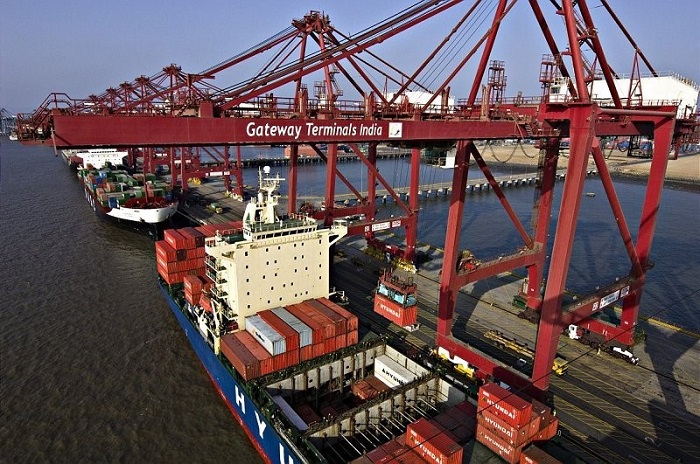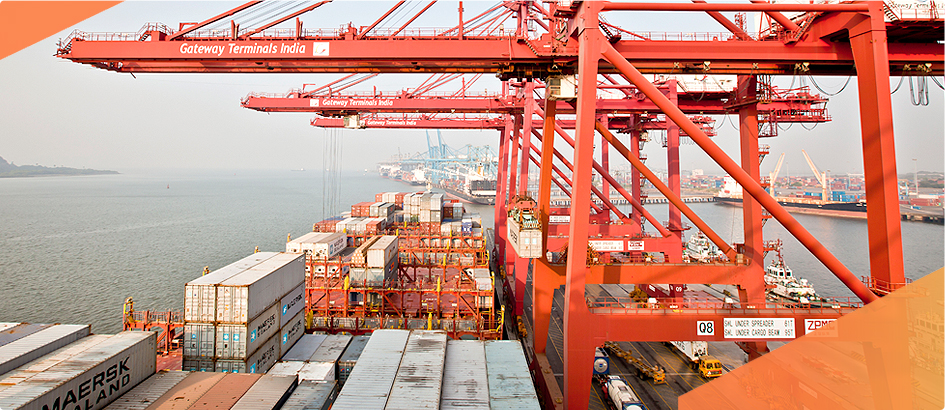
Indian exporters grappling with persistent maritime disruptions in West Asia received crucial logistical backing as the Directorate General of Foreign Trade (DGFT) announced an extension of vital freight support. The DGFT RELIEF intervention extended March 2027 exporters initiative provides a much-needed financial buffer for international trade operations facing soaring container rates and extended transit times.
In an official move dated 30 September 2026, followed by a formal re-confirmation via a Department of Commerce and PIB announcement on 26 October 2026, the government has officially prolonged the benefits. This timely intervention directly addresses the operational bottlenecks plaguing shipments routed near the Red Sea and Gulf of Aden.
Understanding the Timeline: 30 September and 26 October 2026
The policy update came via DGFT Notification No. 37/2026-27, issued on 30 September 2026, under the broader umbrella of the Export Promotion Mission. Following initial market adjustments and requests from trade bodies, the Department of Commerce and PIB released a comprehensive clarification on 26 October 2026. This secondary circular re-confirmed the operational continuity of the scheme, ensuring that exporters do not face a policy vacuum while planning their Q3 and Q4 shipping schedules.
Operating amidst ongoing geopolitical volatility requires precise logistical planning. This guide breaks down what the extension entails, how Component II functions, what has evolved from previous notifications, and the actionable compliance steps exporters must take to leverage this scheme safely.
Decoding the RELIEF Scheme: What Component II Covers
The Resilience & Logistics Intervention for Export Facilitation (RELIEF) was designed specifically to insulate Indian manufacturing and export sectors from external supply chain shocks. While Component I typically addresses broader supply chain infrastructural audits and domestic bottlenecks, Component II is the operational crown jewel for active exporters.
Component II of the RELIEF initiative directly targets freight cost escalations and specific logistics overheads incurred due to mandatory route diversions. As vessels are forced to circumnavigate the Cape of Good Hope rather than utilizing the Suez Canal, transit times have inflated by 14 to 21 days, driving up bunker surcharges and container leasing costs.
Key Cost Elements Covered Under Component II
- Ocean Freight Surcharges: Partial absorption or reimbursement metrics for emergency risk surcharges levied by carriers.
- Container Detention and Demurrage: Specific cushions for unexpected port delays caused by regional maritime congestion.
- Multimodal Transshipment Costs: Expenses incurred when shifting cargo from standard maritime routes to alternative hybrid or air-maritime corridors.
- Warehousing and Storage Overheads: Extended port storage fees resulting from vessel bunching and delayed sailing schedules.
Who Is Eligible for the Extended RELIEF Support?
Eligibility under DGFT Notification No. 37/2026-27 is not a blanket allowance for every enterprise holding an Import-Export Code (IEC). Exporters must meet strict criteria tied to sectoral classifications, destination corridors, and compliance standards.
Core Eligibility Checklist
- Valid IEC and RCMC: The entity must possess an active Importer-Exporter Code and a valid Registration-Cum-Membership Certificate from the relevant Export Promotion Council (EPC).
- Impacted Corridors: Shipments must be explicitly bound for, or transshipped through, designated high-risk zones primarily affected by the West Asia maritime crisis (including Europe-bound and Mediterranean-bound cargo traversing the affected maritime choke points).
- Export Performance Thresholds: Businesses must demonstrate a consistent export track record under Chapter 3 or Chapter 4 schemes of the Foreign Trade Policy.
- Adherence to Timelines: The bill of lading or export airway bill must fall strictly within the operational validity window ending on 31 March 2027.
Disclaimer: Market conditions and individual corporate profiles vary. Exporters must verify their exact eligibility live through the official DGFT portal or consult authorized customs brokers before finalizing logistics contracts.
What Changed? Comparing Notifications 65/2025-26, 21/2026-27, and 37/2026-27
To fully appreciate the scope of the current extension, it is vital to trace the regulatory evolution of the RELIEF framework through successive notifications.
| Notification Number | Date Issued | Primary Focus / Change | Impact on Exporters |
|---|---|---|---|
| No. 65/2025-26 | Q3 2025 (Initial Rollout) | Introduction of the RELIEF framework; limited initial applicability for high-tech and perishable goods. | Provided a preliminary testing ground; coverage limits were restrictive. |
| No. 21/2026-27 | Q1/Q2 2026 (Mid-term Revision) | Expanded sectoral scope to include engineering goods, textiles, and chemicals; set initial expiry. | Broadened the beneficiary base but left anxieties regarding impending expiration dates. |
| No. 37/2026-27 | 30 September 2026 | Extended Component II eligibility universally to 31 March 2027; reinforced by PIB note on 26 October 2026. | Grants long-term planning visibility through the fiscal year-end, accommodating holiday peak seasons. |
Key Evolution Points
- Window Expansion: The shift from short-term rolling extensions to a firm deadline of 31 March 2027 allows enterprises to lock in long-term buyer contracts.
- Inclusion of Transshipment: Earlier iterations often stumbled on cargo routed via intermediate hub ports like Salalah, Jebel Ali, or Port Klang. The current notification explicitly includes qualifying transshipment legs.
- Administrative Streamlining: Documentation submission portals have been integrated with the DGFT common digital platform to reduce physical paperwork.
Step-by-Step Guide: How to Work with Your Forwarder Under RELIEF
Claiming and utilizing the RELIEF logistics support requires seamless collaboration between the exporter's internal logistics team and their designated freight forwarder or Non-Vessel Operating Common Carrier (NVOCC).
Step 1: Pre-Booking Route Audit
Before handing cargo over to your forwarder, mandate a route verification audit. Ensure the forwarder explicitly notes the diversion justification on the shipping bill if the vessel is bypassing the Red Sea. Forwarders must provide a written declaration confirming that the route incurs the recognized West Asia crisis surcharges.
Step 2: Transparent Quotation Breakdown
Request a granular cost breakdown from your logistics provider. Standardize your invoices so that base freight, bunker adjustment factors (BAF), emergency risk surcharges, and terminal handling charges (THC) are itemized separately. This segregation is vital when filing claims or justifying pricing to auditing authorities.
Step 3: Real-Time Tracking Integration
Integrate your enterprise resource planning (ERP) system with your forwarder's API tracking feeds. Because transit delays can trigger demurrage disputes, having unassailable timestamped proof of port arrivals and departures protects your compliance standing.
Step 4: Digital Filing Preparation
Collaborate with your customs house agent (CHA) to upload shipment data concurrently with the filing of the shipping bill. Do not wait for post-shipment settlement cycles, as processing queues can stretch during peak quarters.
Essential Documentation Checklist
Audits by the Directorate General of Foreign Trade are rigorous. Exporters must maintain a meticulous audit trail for a minimum statutory period (typically 5 years) following the claim disbursement. Ensure your compliance vault contains the following documents:
- Commercial Invoice & Packing List: Clearly reflecting the transaction value and item descriptions matching the export declaration.
- Shipping Bill (Electronic): Filed via ICEGATE with appropriate scheme codes.
- Bill of Lading (B/L) or Air Waybill (AWB): Highlighting the routing, carrier details, and explicit notes regarding cape-diversions or transshipment points.
- Carrier Surcharge Invoices: Independent documentation proving the levy of emergency West Asia crisis or bunker surcharges.
- Certificate of Origin (CoO): Where applicable under bilateral or multilateral trade agreements linked to the shipment.
- Bank Realization Certificate (BRC) / e-BRC: Proof of export proceeds realization in accordance with RBI guidelines.
Common Compliance Mistakes to Avoid
Many exporters miss out on entitled benefits or face punitive audits due to avoidable administrative errors. Keep these pitfalls in mind:
- Mismatched Nomenclature: Ensuring product descriptions on the commercial invoice, bill of lading, and DGFT application portal do not match is the #1 reason for claim rejection.
- Delayed Filing: Submitting applications past the stipulated window following the date of the export bill of lading.
- Accepting Lump-Sum Freight Quotes: Failing to demand itemized surcharge breakdowns from forwarders, making it impossible to separate eligible RELIEF components from standard freight costs.
- Ignoring IEC Profile Updates: Operating with outdated director details, registered addresses, or unlinked bank accounts on the DGFT portal.
Frequently Asked Questions
What is the exact validity date for the DGFT RELIEF extension?
DGFT Notification No. 37/2026-27 extends Component II eligibility of the RELIEF logistics support to 31 March 2027. This timeline was formally re-confirmed via a Department of Commerce and PIB announcement on 26 October 2026, giving exporters certainty through the fiscal year.
Which shipments qualify for support under Component II?
Shipments intended for delivery or transshipment that traverse maritime corridors heavily impacted by the West Asia crisis qualify. Exporters must hold a valid IEC, an active RCMC, and shipping documentation dated on or before 31 March 2027 to be considered eligible.
Are all export sectors covered under the RELIEF initiative?
No. While coverage has expanded significantly across engineering goods, chemicals, textiles, and select agricultural commodities through successive notifications, eligibility depends heavily on the destination corridor and specific item classifications. Exporters must verify their exact HS code eligibility live.
How does the 26 October 2026 PIB announcement affect my ongoing shipments?
The 26 October 2026 PIB announcement serves as a formal governmental re-confirmation of the 30 September notification. It reassures the export community of operational continuity and clarifies procedural guidelines for filing claims on shipments currently mid-transit.
Can freight forwarders apply for the RELIEF support on behalf of exporters?
Freight forwarders can assist with documentation, route audits, and itemized surcharge breakdowns, but the actual claim must be initiated and filed by the primary exporter holding the IEC and the associated export documents on the DGFT digital portal.
What documentation is mandatory to claim Component II benefits?
Exporters must preserve their electronic Shipping Bills, itemized carrier surcharge invoices, Bills of Lading showing crisis-related diversions, commercial invoices, and proof of export proceeds realization (e-BRC) to clear potential post-disbursement audits successfully.
What should I do if my shipment was routed around the Cape of Good Hope?
Ensure your freight forwarder provides an explicit written declaration confirming that the vessel diversion was necessitated by the West Asia crisis. This document, alongside your standard B/L, is crucial for validating your claim against increased transit surcharges.
Does the RELIEF scheme cover air cargo shipments?
While Component II primarily targets maritime logistics disruptions and container shipping surcharges, specific multimodal transshipment models involving emergency air-maritime legs may qualify if authorized under current DGFT operational guidelines. Verify specific modal limits before dispatch.
Conclusion
The extension of the DGFT RELIEF intervention to 31 March 2027—anchored by the 30 September notification and 26 October 2026 PIB confirmation—provides vital breathing room for international traders navigating turbulent global shipping lanes. By understanding Component II parameters, maintaining immaculate documentation, and closely auditing freight forwarder invoices, exporters can effectively mitigate rising logistics overheads.
Navigating complex global trade policies requires reliable partners and verified supply chain networks. To connect with vetted exporters, suppliers, and logistics professionals, post your requirement or explore verified listings today on Today Adviser.