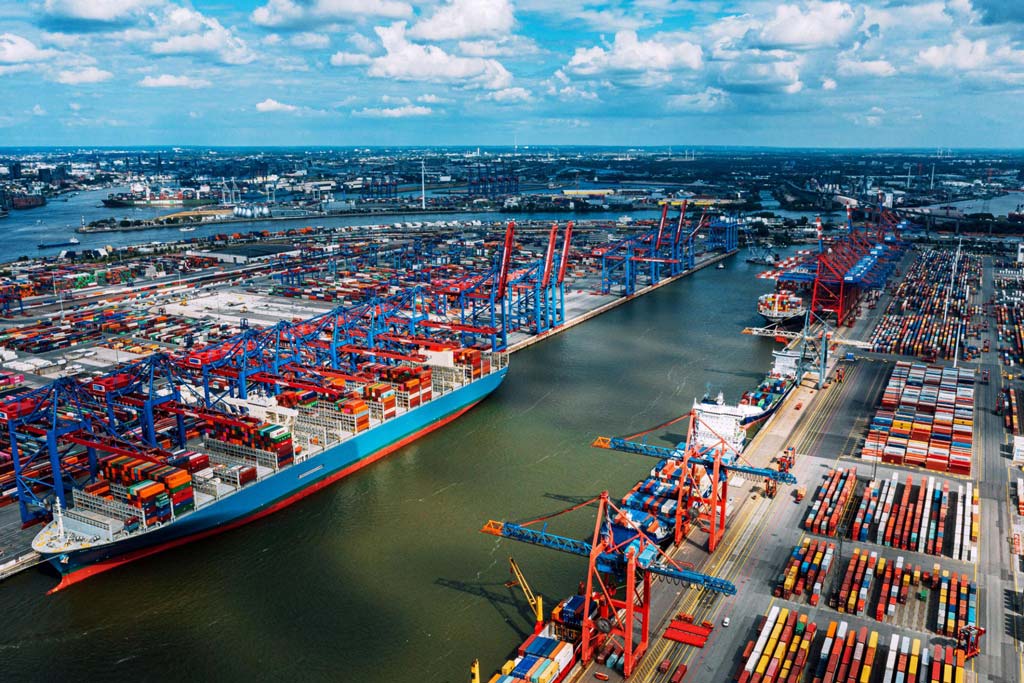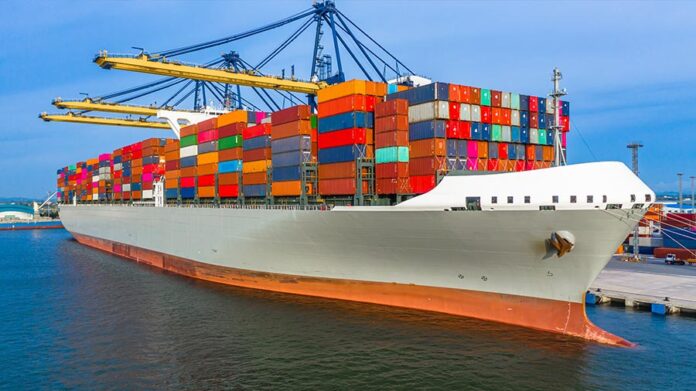

Master practical export lead generation strategies designed for small businesses. Learn how to secure verified global buyers through free, paid, and inbound channels.
Mastering export lead generation strategies is the defining factor separating stagnant international traders from rapidly scaling global enterprises. For small exporters operating on tight margins and lean teams, securing reliable international buyers requires a blend of organic outreach, targeted digital positioning, and systematic follow-up. This comprehensive guide explores actionable export lead generation strategies designed specifically for resource-conscious small and medium-sized enterprises.
Scaling an export business internationally is no longer reserved for multinational conglomerates with million-dollar marketing budgets. Digital transformation has leveled the playing field, allowing small manufacturers, agricultural producers, and specialized service providers to reach international buyers directly. However, the sheer volume of global noise means haphazard outreach rarely works. Exporters need a structured, multi-channel blueprint to identify, qualify, and convert foreign prospects effectively.
Whether you are shipping manufactured goods across borders or supplying raw materials to overseas factories, your success hinges on predictability in your pipeline. In the following sections, we dissect the most effective free, paid, and inbound export lead generation strategies, complete with practical frameworks for qualification, CRM setup, and performance measurement.
Understanding the Global Export Landscape
Before launching into tactical outreach, small exporters must understand the realities of cross-border B2B commerce. International buyers operate under different regulatory frameworks, cultural communication norms, and risk tolerances compared to domestic customers.
Building trust from thousands of miles away requires transparency, rapid response times, and verifiable credentials. Buyers constantly worry about supply chain reliability, product quality compliance, and payment security. Your lead generation messaging must immediately address these concerns by showcasing certifications, clear Incoterms understanding, and established logistics partnerships.
Free Channels for Export Lead Generation
Generating international leads without significant capital expenditure is entirely possible if you leverage the right digital ecosystems strategically.
Leveraging Global B2B Portals and Marketplaces
B2B marketplaces act digital bazaars where verified buyers actively search for products. Platforms like Today Adviser allow small exporters to list their company profiles, showcase product catalogues, and receive direct inquiries from vetted global importers.
- Optimise your profile with high-resolution product imagery and clear specifications.
- Use industry-specific terminology rather than colloquial brand names.
- Keep your inventory statuses and minimum order quantities (MOQs) updated.
Maximising LinkedIn for Social Selling
LinkedIn remains the gold standard for professional B2B networking. For exporters, it provides direct access to procurement managers, category buyers, and supply chain directors.
- Optimise your personal profile and company page to highlight export capabilities (e.g., Export-Ready Manufacturer of Organic Textiles).
- Use Sales Navigator to filter prospects by geography, company size, and job title.
- Engage with target accounts by commenting on their industry posts before sending a direct message.
Tapping into Trade and Customs Data
Publicly available trade data, port records, and customs manifests are treasure troves for finding active importers. While some advanced databases require subscriptions, many government trade portals offer free access to aggregate import statistics.
- Identify companies in your target market that are already importing goods similar to yours.
- Research port-of-entry records to gauge the volume and frequency of their shipments.
- Use company names from these records to find decision-makers on LinkedIn.
Strategic Google Search and Local SEO
Advanced Google search operators (dorking) can unearth niche distributors and wholesalers in specific foreign cities.
- Use search strings like
site:de industrial valve distributor Berlinorinurl:distributor fasteners France. - Review local trade association directories in your destination markets.
- Translate key search terms into the local language for higher-precision results.
Paid Channels to Accelerate Growth
When you need to scale your pipeline faster than organic methods allow, deploying targeted capital into paid channels delivers immediate visibility.
International Trade Fairs (Virtual and Physical)
Trade shows remain powerhouse environments for forging high-trust international relationships, though costs can vary wildly.
- Physical Fairs: Exhibiting at major international shows (e.g., Canton Fair, Anuga, Medica) can cost anywhere from indicative figures of £5,000 to £30,000+ including travel and logistics. Always verify live pricing directly with event organizers.
- Virtual Expos: Digital trade exhibitions offer a lower-cost alternative, with participation fees often ranging from indicative figures of £500 to £2,500.
Premium Buyer Databases and Lead Lists
Subscription-based B2B databases provide verified email addresses, direct phone numbers, and company intelligence.
- Vet database providers carefully to ensure GDPR and local data privacy compliance.
- Cross-reference scraped lists with LinkedIn to ensure contact roles are still current.
Paid Search and Social Advertising
Running targeted Pay-Per-Click (PPC) campaigns on Google Ads or LinkedIn Ads lets you capture high-intent search traffic from foreign buyers.
- Target long-tail, high-intent keywords such as wholesale organic coffee beans supplier UK.
- Restrict geographic targeting strictly to your desired export markets to avoid wasted ad spend.
Inbound Leads and Digital Positioning
Instead of constantly chasing prospects, inbound strategies position your business so that international buyers find you when they are ready to purchase.
Content Marketing and International SEO
Publishing deep, educational content answers the exact questions foreign buyers are typing into search engines.
- Write articles addressing cross-border logistics, import duties, and product quality standards.
- Ensure your website is optimized for mobile and loads quickly across global regions.
Responding to RFQ Listings
Request for Quotation (RFQ) marketplaces are among the highest-converting channels for small exporters because the buyer has already decided to purchase.
To maximize success on these platforms, monitor live buyer requests daily. You can explore active opportunities and source verified international buyers directly by visiting the Today Adviser Buyer Directory and Post-a-Requirement Page.
Lead Qualification Framework
Not every international inquiry is worth pursuing. Chasing unqualified leads drains precious time and wastes shipping quotation efforts.
The BANT Framework for Exporters
- Budget: Does the buyer have the financial capacity to purchase at your Minimum Order Quantity (MOQ)?
- Authority: Are you speaking with the final decision-maker, or an unempowered researcher?
- Need: Do they have a genuine, recurring requirement for your exact product specifications?
- Timeline: When do they need the shipment delivered? (Beware of emergency requests with unrealistic shipping timelines).
| Lead Tier | Criteria | Recommended Action | Typical Conversion Rate |
|---|---|---|---|
| Tier 1 (Hot) | Clear budget, decision-maker, immediate need | Send formal Proforma Invoice within 24 hours | High (20-30%) |
| Tier 2 (Warm) | Matching profile, researching options | Add to educational email nurture sequence | Moderate (5-10%) |
| Tier 3 (Cold) | Vague requirements, no clear budget | Automated monthly newsletter update only | Low (<2%) |
CRM and Systematic Follow-Up
International sales cycles are notoriously long, often spanning weeks or months due to sample testing, compliance checks, and contract negotiations. A basic Customer Relationship Management (CRM) system ensures no lead falls through the cracks.
Setting Up Your Export CRM Workflow
- Stage 1: New Inquiry Received (Instant auto-acknowledgment sent).
- Stage 2: Qualification & Initial Call (BANT criteria verified).
- Stage 3: Sample Dispatch & Laboratory Testing (Tracking number logged).
- Stage 4: Proforma Invoice & Incoterms Agreed (Payment terms finalized).
- Stage 5: Closed-Won / Closed-Lost (Post-sale review scheduled).
The Golden Rules of Follow-Up
- Never send generic check-in emails like "just checking in on my last email." Always add value (e.g., industry updates, shipping rate adjustments, or new product compliance certificates).
- Maintain a disciplined cadence: Follow up on day 3, day 7, day 14, and day 30 post-quotation.
Measuring Cost Per Lead (CPL) and ROI
To optimize your export budget, you must calculate the exact cost of acquiring each international lead and customer.
The Formula
$$\text{Cost Per Lead (CPL)} = \frac{\text{Total Channel Spend}}{\text{Total Leads Generated}}$$
$$\text{Customer Acquisition Cost (CAC)} = \frac{\text{Total Sales & Marketing Spend}}{\text{Number of Export Customers Acquired}}$$
Track these metrics monthly across each channel (LinkedIn, B2B portals, trade shows) to reallocate budget toward high-performing strategies and cut underperforming campaigns.
Compliance, Documentation, and Risk Mitigation
Generating leads is only half the battle; maintaining compliance protects your business from costly customs delays and legal disputes.
- Always clarify Incoterms (EXW, FOB, CIF, DDP) early in the quotation stage to avoid disputes over shipping costs and liability.
- Ensure your product certificates (CE, FDA, ISO, Halal, Organic) are translated and readily available for prospective buyers to inspect.
- Use secure international payment methods such as Letters of Credit (LC) or escrow services for new, untrusted buyers.
Common Mistakes to Avoid
- Ignoring Time Zones: Responding to an inquiry from Tokyo or Sydney 24 hours later signals poor operational responsiveness.
- Vague Pricing: Quoting ex-works prices without estimating freight and insurance confuses international buyers.
- Neglecting Cultural Nuances: Failing to adapt communication styles to the preferences of your target market.
Frequently Asked Questions
What are the best export lead generation strategies for beginners?
For small exporters starting out, combining free B2B portals like Today Adviser with targeted LinkedIn outreach offers the best return on investment without requiring large advertising budgets.
How long does it typically take to secure an international B2B buyer?
International sales cycles generally range from 4 weeks to 6 months. This timeline depends heavily on product complexity, sample testing requirements, and regulatory compliance checks.
Are paid B2B buyer databases worth the investment?
Paid databases can be valuable if they are regularly scrubbed for accuracy and comply with local data privacy laws. However, inbound leads from active marketplaces often convert better.
How should I qualify an international buyer before shipping samples?
Verify their business registration, check their online presence, ensure they have an established import history, and confirm they meet your minimum order quantities.
What Incoterms should small exporters quote initially?
FOB (Free on Board) or EXW (Ex Works) are common starting points, but offering CIF (Cost, Insurance, and Freight) often appeals more to buyers unfamiliar with logistics.
How can I reduce the risk of non-payment from new overseas buyers?
Utilize secure payment instruments such as irrevocable Letters of Credit, escrow services, or require a substantial upfront deposit before production begins.
Is SEO effective for international trade?
Yes, international SEO targets buyers actively searching for specific goods abroad, capturing high-intent traffic that consistently outperforms cold outbound outreach.
Conclusion
Executing successful export lead generation strategies demands patience, consistency, and a structured process from initial contact to final delivery. By combining free digital channels, targeted inbound positioning, and rigorous lead qualification, small exporters can build predictable, lucrative global pipelines.
Ready to accelerate your international growth? Explore verified buyer requirements, post your company profile, and connect with active global importers today by visiting the Today Adviser Buyer Directory and Post-a-Requirement Page.