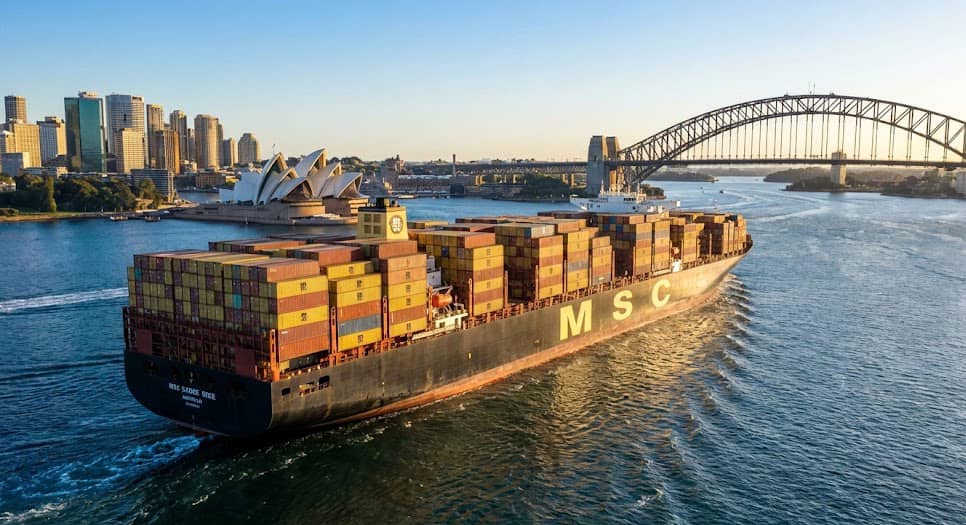
How to find buyers for export in Canada, Australia and New Zealand — market profiles, ECTA and the new India–NZ FTA, compliance notes and a practical outreach plan.
Expanding your export business to North America and Oceania offers tremendous growth opportunities for Indian manufacturers, MSMEs, and trading houses. Knowing how to find buyers for export in Canada, Australia, and New Zealand requires a strategic blend of digital sourcing, leveraging new bilateral trade agreements, and understanding nuanced local compliance standards.
In this comprehensive guide, we explore the market profiles, top product opportunities, compliance frameworks, outreach strategies, and actionable steps to connect with verified international importers in Canada, Australia, and New Zealand using global B2B platforms like Today Adviser.
Market Profiles and Top Product Opportunities
Entering these developed economies requires a clear understanding of what each market imports from India and where your product line fits into their existing supply chain ecosystems.
Canada: Market Profile and Import Demand
Canada's robust multicultural demographics and advanced retail supply chains make it a lucrative destination for Indian exporters. With major import hubs in Toronto, Vancouver, and Montreal, Canadian buyers value reliability, competitive pricing, and year-round supply consistency.
Top product opportunities from India include:
- Information Technology and Engineering Services: Software development, automotive components, and heavy machinery parts.
- Textiles and Apparel: Organic cotton home textiles, technical textiles, and ready-made garments.
- Agri-Commodities and Food Products: Basmati rice, spices, processed foods, organic tea, and marine products.
- Pharmaceuticals and Chemicals: Generic formulations, active pharmaceutical ingredients (APIs), and specialty organic chemicals.
Australia: Market Profile and Import Demand
Australia is one of India’s vital trading partners in the Southern Hemisphere. Driven by strong consumer purchasing power and a high demand for diversified sourcing away from single-country dependencies, Australian importers are actively seeking reliable Indian partners.
Top product opportunities from India include:
- Jewellery and Gems: Cut and polished diamonds, gold jewellery, and silver artifacts.
- Engineering Goods: Renewable energy equipment, agricultural machinery, and iron and steel products.
- Health and Wellness: Ayurvedic products, nutraceuticals, and medical consumables.
- Information Technology: Cloud computing solutions, cybersecurity software, and tech support outsourcing.
New Zealand: Market Profile and Import Demand
While smaller in market scale compared to its neighbor Australia, New Zealand presents a highly receptive market for specialized Indian manufacturing and niche agricultural goods. Importers here prioritize ethical sourcing, sustainability, and stringent product quality.
Top product opportunities from India include:
- Specialty Food and Beverages: Specialty teas, organic spices, and ready-to-eat gourmet snacks.
- Manufactured Goods: Leather goods, footwear components, and handloom home decor.
- Light Engineering: Specialized tools, commercial kitchen equipment, and irrigation systems.
Leveraging Strategic Trade Agreements
Trade pacts significantly reduce tariff barriers and enhance the cost-competitiveness of Indian goods in these three markets.
India–Australia ECTA
The India–Australia Economic Cooperation and Trade Agreement (ECTA) provides duty-free access for over 96% of Indian tariff lines exported to Australia. Sectors benefiting immensely include textiles, leather, furniture, jewellery, and engineering goods. Exporters must leverage this agreement by obtaining the appropriate Certificate of Origin (CoO) to pass zero-duty benefits directly to their Australian buyers.
India–New Zealand Trade Framework
The India–New Zealand Free Trade Agreement, which went live on 20 October 2026, has unlocked unprecedented market access across multiple sectors. The FTA eliminates historical customs duties on a wide range of manufactured goods, IT services, and processed agricultural commodities, leveling the playing field for Indian exporters targeting Auckland and Wellington.
Where and How to Find Verified Buyers
Sourcing high-intent international buyers requires utilizing multiple trusted channels simultaneously. Relying on a single method limits your pipeline.
1. B2B Marketplaces and Global Supplier Directories
Digital B2B platforms bridge the trust gap between international suppliers and foreign importers. Platforms like Today Adviser allow Indian exporters to access curated buyer directories specifically filtered by geography (Canada, Australia, NZ). You can view active buyer intent, review verified company profiles, and respond directly to posted Buyer Requests (RFQs).
2. Trade Fairs and Industry Exhibitions
Physical and hybrid trade shows remain powerful for trust-building. Notable events include:
- SIAL Canada & Restaurants Canada (RC Show): Ideal for food, beverage, and hospitality exporters.
- The Global Sourcing Expo (Melbourne and Sydney): Essential for apparel, home textiles, and general merchandise exporters targeting Australia.
- Foodshow New Zealand: The premier platform for food and beverage exporters entering the Kiwi market.
3. Bilateral Chambers of Commerce
Engage directly with organizations such as the Indo-Canada Chamber of Commerce (ICCC), the Australia-India Business Council (AIBC), and the New Zealand India Trade Association (NZITA). These bodies publish member directories, host virtual trade delegations, and facilitate direct B2B matchmaking sessions.
Compliance and Labelling Regulations Per Market
Failing to meet local regulatory and labelling requirements is the primary reason Indian shipments get delayed or rejected at destination ports.
| Market | Regulatory Authority | Key Compliance & Labelling Focus | Common Pitfalls to Avoid |
|---|---|---|---|
| Canada | Canadian Food Inspection Agency (CFIA) / Health Canada | Bilingual labelling (English & French) mandatory for food/consumer goods; strict compliance with Consumer Packaging and Labelling Act. | Missing French translations; unverified nutritional panels; non-compliant electronic waste standards. |
| Australia | Department of Agriculture, Fisheries and Forestry (DAFF) / TGA | Rigorous biosecurity controls for wood packaging (ISPM 15); Therapeutic Goods Administration (TGA) approvals for pharma/medical devices. | Untreated wooden pallets; improper pesticide residue documentation on agri-goods. |
| New Zealand | Ministry for Primary Industries (MPI) / Medsafe | Strict biosecurity border clearance; precise country of origin labelling; Medsafe compliance for health products. | Failure to provide complete supply chain traceability for food products; incomplete ingredient declarations. |
Outreach Approach and Follow-Up Cadence
Cold outreach to international buyers fails when exporters send generic, long-winded company profiles. Your outreach must focus entirely on the buyer's pain points.
Crafting the Initial Message
- Subject Line: Keep it concise, value-driven, and specific. (e.g., Direct-source Organic Spices for [Buyer Company Name] | Zero-duty under India-NZ FTA)
- The Hook: Reference a specific challenge they face, such as supply chain diversification or margin optimization.
- Value Proposition: Highlight your certifications (ISO, HACCP, Sedex, CE), minimum order quantities (MOQs), and sample dispatch speed.
- Call to Action (CTA): Propose a 10-minute introductory Zoom call or ask if they are open to receiving a physical sample kit.
The Strategic Follow-Up Cadence
Do not give up after one unanswered email. International procurement managers are perpetually busy. Execute a structured 5-touchpoint sequence over 21 days:
- Day 1: Initial personalized email with value proposition and product catalog PDF.
- Day 4: LinkedIn connection request to the Head of Procurement or Category Manager with a brief, non-salesy note.
- Day 8: Follow-up email sharing a relevant market insight, price trend, or industry certification update.
- Day 14: Short reminder email asking if they evaluated the sample request or product specifications.
- Day 21: Final "closing the loop" email offering an alternative product tier or lower MOQ for a trial order.
How to Use Today Adviser to Source Buyers in Canada, Australia & NZ
Today Adviser streamlines the entire export discovery and transaction process for verified suppliers.
- Optimize Your Supplier Profile: Complete your company profile with IEC (Importer-Exporter Code), GST details, factory audit reports, product catalogs, and high-resolution product imagery.
- Filter the Buyer Directory: Use the advanced geographic filter to narrow down active, verified importers based in Canada, Australia, and New Zealand.
- Search and Respond to RFQs: Regularly monitor the Request for Quotation (RFQ) board. Filter requests by destination country to immediately access buyers actively looking for your exact product category.
- Secure Messaging & Direct Inquiries: Utilize Today Adviser's built-in secure communication tools to negotiate terms, share proforma invoices, and finalize shipping milestones safely.
Frequently Asked Questions
What are the easiest product categories to export from India to Canada?
Processed foods, organic textiles, generic pharmaceuticals, and IT-enabled services are among the easiest categories. Canada has a large South Asian diaspora driving demand for ethnic foods, while mainstream retailers actively source sustainable home textiles and apparel from verified Indian manufacturers.
How does the India-Australia ECTA impact customs clearance?
The India-Australia ECTA eliminates tariffs on over 96% of Indian goods exported to Australia. To benefit, exporters must secure a valid Certificate of Origin (CoO) from designated Indian chambers of commerce, ensuring their Australian buyers pay 0% basic customs duty upon port arrival.
Are there bilingual labelling requirements for exports to Canada?
Yes. Consumer packaging in Canada must feature labelling in both English and French under the Consumer Packaging and Labelling Act. Exporters failing to include compliant bilingual text risk severe port delays and mandatory relabelling fees at Canadian distribution centers.
What is the best way to handle shipping and logistics for New Zealand?
Given New Zealand's strict biosecurity regulations managed by the Ministry for Primary Industries (MPI), exporters must ensure all wooden pallets comply with ISPM 15 standards. Partnering with freight forwarders experienced in trans-Tasman and direct India-NZ shipping lanes is essential.
How can I verify if an international buyer from Australia is legitimate?
Use B2B marketplace verification badges, cross-reference their Business Number (ABN) on public registries, verify their corporate website and domain age, and utilize secure trade escrow or Letter of Credit (LC) payment terms for initial transactions.
What is the ideal follow-up frequency for cold export leads?
An effective follow-up cadence spans 5 touchpoints over 21 days. Combine email outreach with professional networking platforms like LinkedIn, alternating between value-driven insights, product catalog updates, and gentle check-ins without appearing spammy.
How do I find active buyer requirements on Today Adviser?
Navigate to the Buyer Directory or RFQ Marketplace on Today Adviser, apply location filters for Canada, Australia, and New Zealand, and sort by recent posting dates. You can submit direct quotes with pricing, delivery timelines, and shipping terms instantly.
Conclusion
Mastering how to find buyers for export in Canada, Australia, and New Zealand requires patience, strict compliance adherence, and strategic utilization of modern B2B trade networks. By capitalizing on newly established bilateral trade agreements, maintaining rigorous product standards, and executing a disciplined outreach approach, Indian exporters can successfully build long-term, profitable trading relationships across North America and Oceania.
Ready to scale your international business? Post your product requirements or connect with verified global buyers today on Today Adviser.
Start your search today: find verified importers in the TodayAdviser buyer directory and post your requirement (RFQ) so buyers in Canada, Australia and New Zealand can find you.