
Discover a step-by-step exporter guide on finding international buyers for frozen vegetables and processed food exports from India, covering cold-chain rules, pricing, and digital sourcing.
Finding reliable international buyers for frozen vegetables export India buyers and processed food export buyers requires a strategic, multi-channel approach combining regulatory compliance, cold-chain mastery, and targeted digital outreach. As global demand for shelf-stable, ready-to-cook plant-based nutrition accelerates, Indian agribusinesses are uniquely positioned to capture significant market share.
Recent milestones underscore this massive sector momentum. On November 24, 2026, Uttar Pradesh successfully dispatched its first-ever 63-tonne export consignment of frozen green peas and mixed vegetables from Farrukhabad directly to Qatar. This landmark shipment signals a structural shift: tier-2 and tier-3 agricultural hubs in India are now fully integrated into sophisticated international cold chains, opening unprecedented avenues for exporters.
Whether you are an established food processor in Maharashtra or an upcoming farmer-producer organization in Uttar Pradesh, scaling your international footprint demands a rigorous roadmap. This guide breaks down the frozen food export opportunity, compliance mandates, pricing strategies, and actionable methods to connect with high-value global buyers.
The Booming Frozen Food Export Opportunity
The global frozen food market is expanding rapidly, driven by urbanization, changing consumer lifestyles, and the continuous growth of institutional foodservice sectors like hotels, quick-service restaurants (QSRs), and catering companies. For global buyers, India offers an unbeatable value proposition: year-round agricultural production, cost-effective processing, and increasing adoption of advanced individual quick freezing (IQF) technology.
Processed food export buyers are specifically hunting for consistent supplies of IQF green peas, sweet corn, okra (bhindi), cauliflower florets, mixed vegetables, and ready-to-eat ethnic Indian meals. The advantage of IQF technology is that individual pieces are frozen separately at extremely low temperatures, locking in nutrients, color, and texture without the formation of large ice crystals.
Key Export Destinations
- Gulf Cooperation Council (GCC): Markets like Qatar, the UAE, Saudi Arabia, and Oman represent primary targets due to large expatriate populations, high disposable incomes, and heavy reliance on imported produce.
- Southeast Asia: Nations such as Vietnam, Malaysia, and Singapore exhibit strong demand for cost-effective, high-quality frozen ingredients for local manufacturing and retail distribution.
- Europe: Driven by stringent sustainability and quality benchmarks, European buyers look for certified organic or pesticide-compliant frozen vegetables for retail private labels.
Cold-Chain and Quality Requirements
Maintaining an unbroken cold chain is the absolute non-negotiable baseline of frozen vegetable exports. A single temperature fluctuation can ruin an entire container, leading to massive financial losses and reputational damage.
Essential Cold-Chain Infrastructure
- Farm-to-Plant Speed: Harvesting must be immediately followed by sorting, washing, blanching, and freezing within hours to preserve cellular integrity.
- IQF Freezing Standards: Temperatures must drop rapidly to -30°C to -40°C.
- Cold Storage Facilities: Warehouses at the processing plant must maintain a steady -18°C or lower.
- Refrigerated Containers (Reefers): Ocean freight requires continuous data-logger monitoring to ensure container temperatures do not deviate during transit.
Mandatory Quality Certifications
Processed food export buyers will audit your facility or demand third-party inspection certificates. Key certifications include:
- APEDA Registration: Mandatory for all scheduled agricultural and processed food product exporters in India.
- FSSAI Central License: Essential for manufacturing and exporting food products.
- HACCP & ISO 22000: Demonstrates robust food safety management systems.
- BRCGS or IFS: Highly favored by major European and global supermarket chains.
- Halal Certification: Essential for capturing market share across the GCC and Southeast Asian regions.
Step-by-Step Buyer-Finding Framework
Securing international contracts requires blending proactive digital sourcing with traditional networking. Here is how you can systematically build your buyer pipeline.
1. Leverage Specialized B2B Marketplaces
Digital trade platforms bridge the trust gap between emerging exporters and international buyers. Instead of cold-emailing random importers, utilize dedicated platforms where verified buyers actively post procurement needs.
- Today Adviser RFQ System: Use specialized B2B networking portals to review active buyer requests. You can submit quotations directly to verified importers looking for frozen vegetables. Explore live buyer listings at Today Adviser Importers Directory and submit your product requirements via Today Adviser Post Requirement.
2. Target Global Trade Fairs
Physical touchpoints remain crucial in the food industry. Buyers want to taste samples and inspect packaging integrity. Key global expos include:
- Gulfood (Dubai): The absolute epicenter for connecting with Middle Eastern and North African food importers.
- ANUGA / SIAL (Europe): Premier global trade shows for meeting major European distributors and retail buyers.
- IndusFood (India): A flagship sourcing event held domestically, bringing hundreds of global buyers directly to Indian exporters.
3. Direct Outreach via Trade Directories
Utilize international customs data, government export promotion council databases (like APEDA), and international chambers of commerce to compile lists of licensed food importers, cold-storage operators, and supermarket category managers.
Pricing, Packaging, and Compliance Basics
Export pricing must account for multiple layers of cost that domestic sales do not involve. Miscalculating these variables can turn a lucrative contract into a loss-making venture.
Cost Calculation Checklist
- Cost of Goods Sold (COGS): Raw material sourcing, sorting, grading, processing, and packaging.
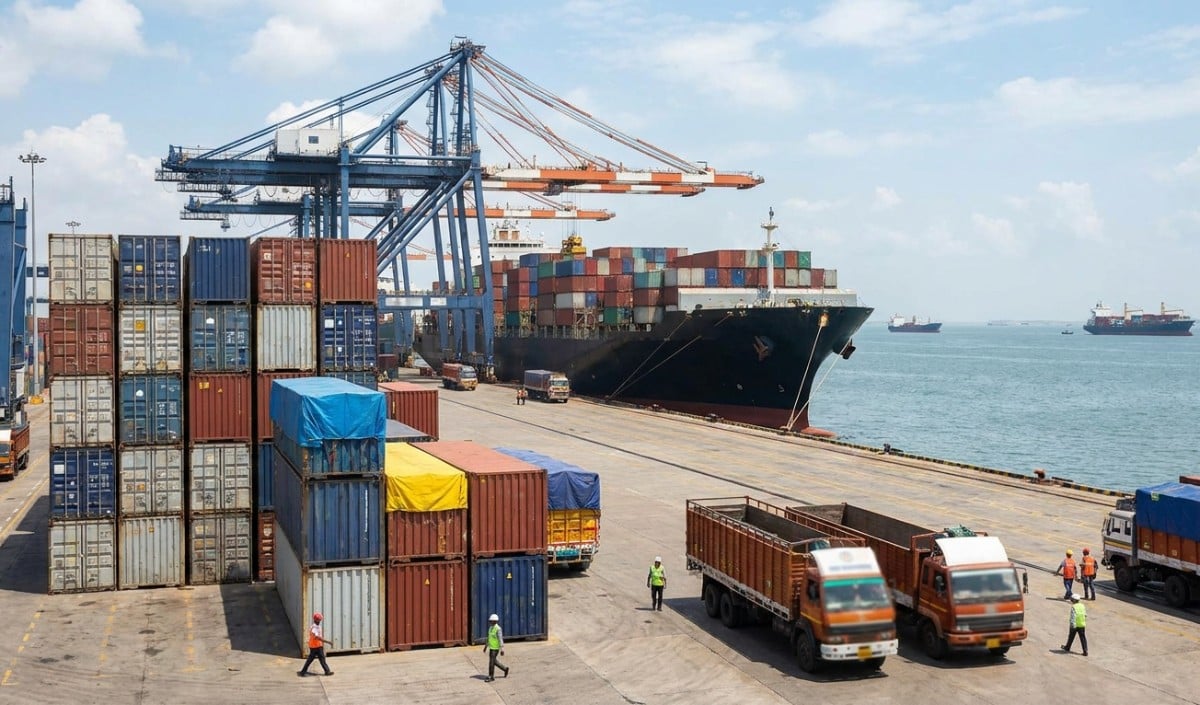
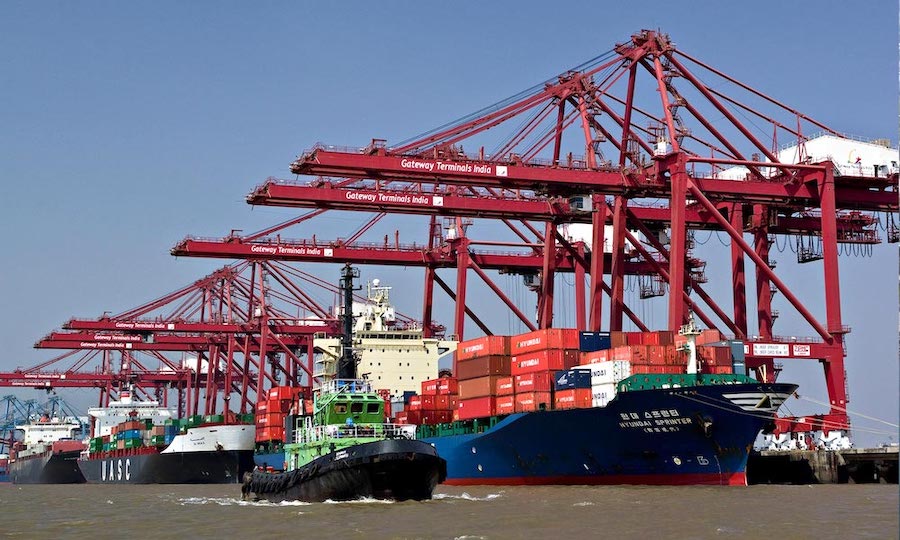
- Inland Logistics: Refrigerated trucking from the processing plant (e.g., Farrukhabad or regional hubs) to the seaport (e.g., Nhava Sheva or Mundra).
- Export Documentation & Custom Clearance: Freight forwarding fees, port handling charges, and certificate of origin costs.
- Ocean Freight: Fluctuating reefer container shipping rates based on seasonal demand.
- Incoterms Selection: Choose carefully between FOB (Free on Board) and CIF (Cost, Insurance, and Freight) depending on your capacity to handle maritime logistics.
Packaging Specifications
Processed food export buyers usually require packaging tailored to two distinct channels:
| Channel | Typical Pack Size | Packaging Material | Key Labeling Requirements |
|---|---|---|---|
| Retail (B2C) | 400g to 1kg pouches | Multi-layer printed poly bags | Nutritional info, cooking instructions, barcode, net weight, country of origin, expiry date |
| Foodservice (B2B) | 10kg to 25kg master cartons | Food-grade LDPE liner inside corrugated box | Batch number, storage instructions (-18°C), net weight, handling marks |
Common Mistakes to Avoid
- Ignoring Import Regulations: Every country has strict Maximum Residue Limits (MRLs) for pesticides. Always test your raw produce in NABL-accredited laboratories before processing.
- Vague Product Specifications: Buyers need exact details on drained weight, count per kilogram, brix levels, and grade standards.
- Poor Communication: International trade moves fast. Failing to respond to buyer inquiries within 24 hours often means losing the deal to competing suppliers from other nations.
Frequently Asked Questions
What are the primary regulatory requirements for frozen vegetable exports from India?
Exporters must hold a valid APEDA registration, an FSSAI Central License, and comply with the importing country's quarantine and phytosanitary regulations. Lab testing reports for pesticide residues are also mandatory.
How is the cold chain maintained during long-distance maritime shipping?
Frozen vegetables must be transported in refrigerated containers (reefers) calibrated to a constant temperature of -18°C or lower. Continuous data loggers are placed inside containers to monitor and record temperature logs throughout the voyage.
Which countries are the top importers of Indian frozen green peas and mixed vegetables?
Key import hubs include Gulf Cooperation Council nations like Qatar and the United Arab Emirates, Southeast Asian markets such as Vietnam and Malaysia, and various European Union destinations.
What Incoterms are most commonly used in frozen food exports?
Exporters typically use FOB (Free on Board) or CIF (Cost, Insurance, and Freight). Beginners often prefer FOB to minimize shipping risk, while experienced exporters use CIF to offer a complete landed-cost package.
How can I find verified international buyers for processed food exports?
You can leverage specialized B2B trade platforms, attend international food trade expos like Gulfood, access APEDA buyer databases, and utilize the Today Adviser platform to connect with verified global importers.
What type of packaging do institutional food buyers prefer?
Institutional buyers, hotels, and QSR chains prefer bulk packaging such as 10kg to 25kg food-grade LDPE liners housed inside sturdy corrugated master cartons with clear handling and storage instructions.
How do recent export milestones like the Uttar Pradesh shipment impact new exporters?
Milestones such as the 63-tonne dispatch from Farrukhabad to Qatar prove that regional processing hubs possess robust logistics capabilities, inspiring greater confidence among global buyers regarding India's supply reliability.
Conclusion
Exporting frozen vegetables and processed foods from India is a high-growth commercial venture that rewards precision, strict quality control, and proactive digital marketing. By ensuring an unbroken cold chain, securing necessary compliance certifications, and leveraging platforms like Today Adviser to connect with active importers, Indian suppliers can successfully scale their footprint in competitive global markets. Ready to expand your reach? Post your export requirements or connect with verified global buyers today on Today Adviser.