A practical guide to sourcing minerals from India — IQ Minerals and Good Earth Minerals, grades and specifications, export documents, MOQ and verified supplier checks for international buyers.
India remains a cornerstone of the global supply chain for raw materials, industrial inputs, and processed ores. For global procurement specialists, sourcing from the subcontinent offers immense strategic value, provided buyers navigate the complex landscape of domestic mining regulations, export duties, and quality verification standards.
This practical guide explores India's mineral export ecosystem, examines key industry players like iq minerals and good earth minerals, and details the exact procurement frameworks global buyers need to succeed. Whether you are seeking industrial fillers, refractory inputs, or bulk metallic ores, understanding local compliance and supplier vetting is essential for long-term supply chain resilience.
India's Minerals Export Opportunity
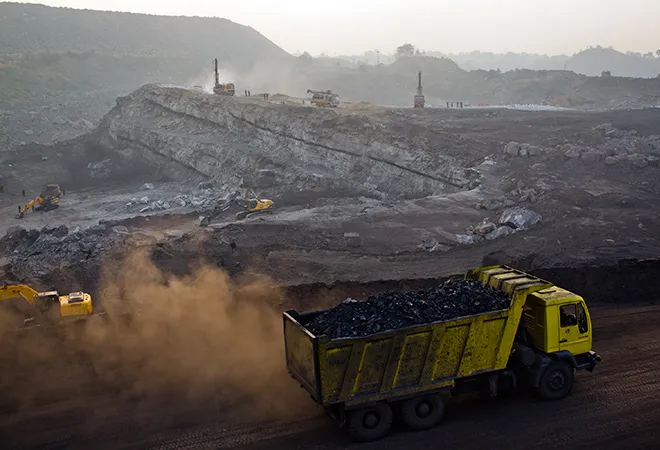
India's geological diversity positions it as a major global producer of a wide range of metallic and non-metallic minerals. The country's mining sector supplies critical raw materials to manufacturing hubs across Southeast Asia, the Middle East, Europe, and the Americas. From high-grade silica sand and bauxite to mica, feldspar, and various industrial clays, Indian exporters cater to diverse industrial applications including glassmaking, ceramics, metallurgy, and construction.
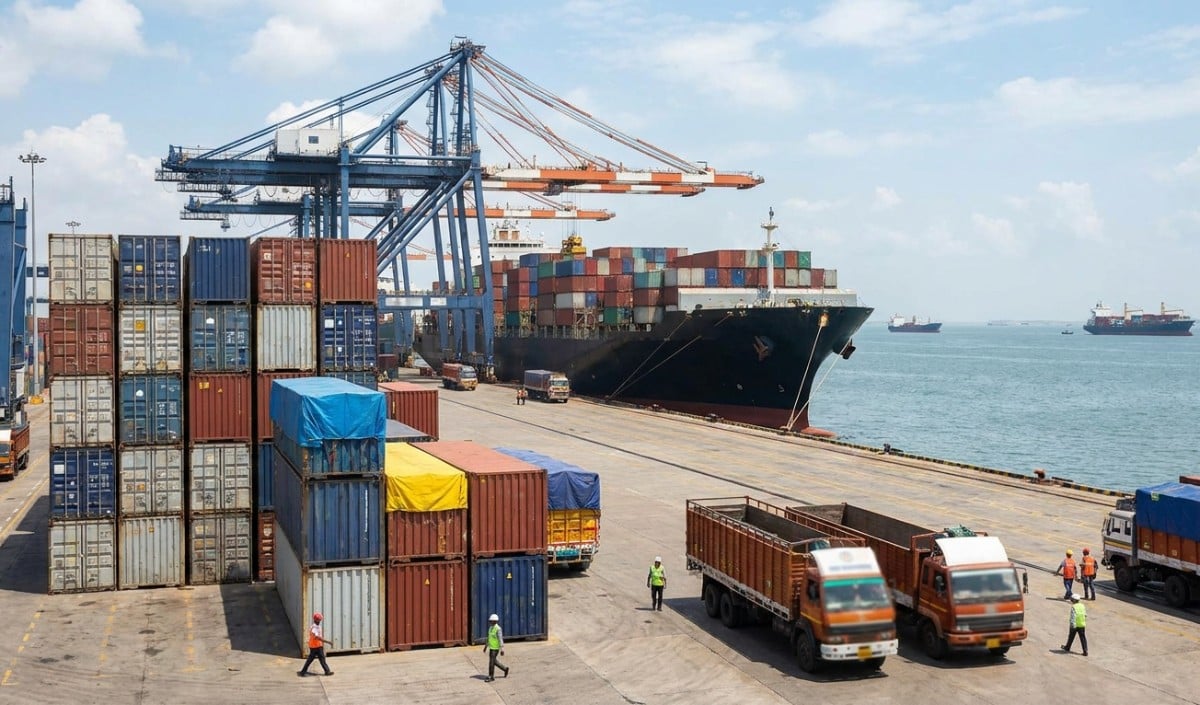
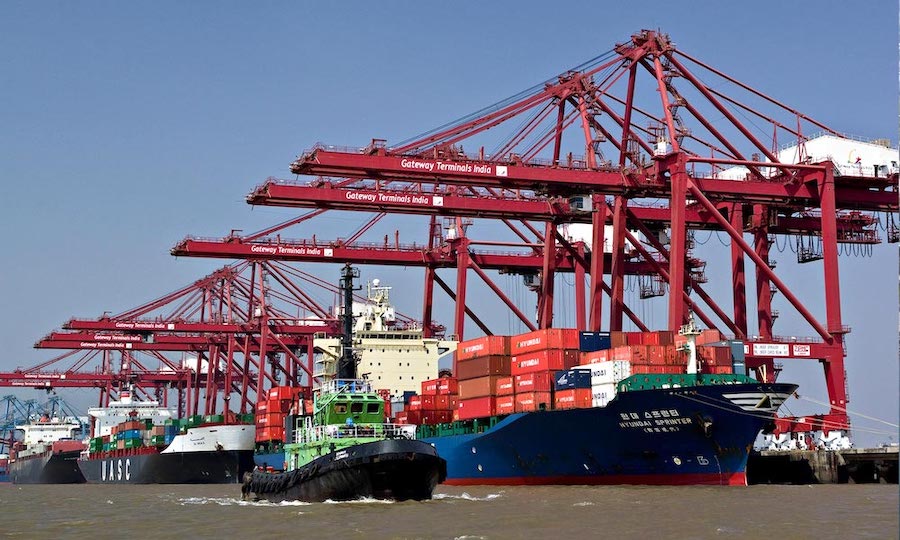
For international buyers, the primary advantage of sourcing from India lies in competitive pricing, vast geological reserves, and established logistics corridors connecting major ports like Mundra, Visakhapatnam, Chennai, and Paradip. However, capitalizing on this opportunity requires a clear understanding of regional trade policies, export quotas, and quality control measures. The Indian government has progressively streamlined digital processes for mineral concessions and export tracking, making it easier for verified international buyers to engage with established merchant exporters and processors.
Profile: IQ Minerals
Companies operating in the mineral processing and export sector require robust logistics networks and a deep understanding of international grade specifications. Entities such as iq minerals typically operate within this dynamic ecosystem, focusing on the processing, sizing, and global distribution of specialized mineral products.
When evaluating suppliers operating in this segment, international procurement teams generally look for consistency in particle size distribution, moisture control, and reliable bulk bagging capabilities. Processed minerals require strict adherence to purity standards to prevent contamination during transit. Working with established entities ensures that documentation—ranging from certificate of origin to pre-shipment inspection reports—aligns with the stringent customs requirements of importing nations.
Profile: Good Earth Minerals
Another notable name in the Indian resource sector is good earth minerals, reflecting the breadth of expertise found across the country's mining and export hubs. Organizations in this category often specialize in quarrying, beneficiation, and bulk supply of industrial minerals tailored to specific manufacturing requirements.
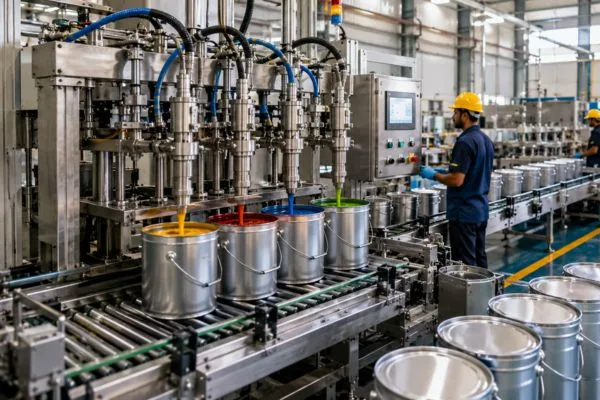
Sourcing from experienced operators ensures that buyers receive materials that meet exact chemical and physical thresholds. Whether supplying micronized minerals for paint and coatings or bulk aggregates for industrial applications, established suppliers maintain strict quality assurance protocols at their processing plants before dispatching goods to container freight stations or bulk terminals.
What Global Minerals Buyers Look For
Procuring raw and processed minerals from international markets demands rigorous specification management. Unlike finished consumer goods, industrial minerals are bought and sold strictly on technical parameters. Below are the critical factors global procurement managers evaluate when sourcing from Indian suppliers.
Grades and Chemical Specifications
Every mineral order must be backed by a certified chemical analysis, typically conducted by an independent laboratory such as SGS, Bureau Veritas, or Geo-Chem. Key parameters include:
- Purity Levels: Percentage of primary compounds (e.g., $SiO_2$, $Al_2O_3$, $Fe_2O_3$).
- Impurities: Maximum allowable limits for trace elements that could ruin an end-product (such as iron in high-purity silica for glass).
- Physical Properties: Whiteness index, specific gravity, hardness, and pH value for industrial fillers.
Particle Size Distribution (PSD)
The physical form of the mineral dictates its usability. Buyers must specify whether they require lumps, granules, coarse powder, or micronized ultra-fine powders measured in mesh sizes or micrometers (e.g., D50 and D90 values).
Minimum Order Quantity (MOQ) and Pricing Tiers
Indian exporters typically set MOQs based on shipping logistics rather than arbitrary production limits. For containerized cargo, a standard MOQ is often one 20-foot equivalent unit (TEU), translating to roughly 20 to 27 metric tons. Bulk break-bulk shipments require significantly larger tonnages (e.g., 5,000+ metric tons). Pricing is generally quoted on FOB (Free on Board) or CIF (Cost, Insurance, and Freight) terms using standard Incoterms 2020.
Consistency and Batch Control
Batch-to-batch variation is one of the most common risks in mineral procurement. Buyers must contractually obligate suppliers to provide a Certificate of Analysis (CoA) for every specific batch loaded into containers.
| Mineral Type | Primary Industrial Use | Key Quality Parameter | Typical Export Form | Standard MOQ |
|---|---|---|---|---|
| Silica Sand | Glassmaking, Foundry | $SiO_2 > 99\%$, Low $Fe_2O_3$ | Dry bulk / Jumbo bags | 1 TEU (25 MT) |
| Feldspar | Ceramics, Glazes | $K_2O + Na_2O$ content | Lump / Powder in bags | 1 TEU (24 MT) |
| Bauxite | Refractories, Abrasives | $Al_2O_3$ content, low moisture | Bulk / Jumbo bags | 500 MT / 1 TEU |
| Mica | Electrical, Paint, Plastics | Dielectric strength, aspect ratio | Flakes / Micronized powder | 10 MT |
Export Compliance, Documentation, and Logistics
Navigating the bureaucratic and regulatory framework of Indian mineral exports requires meticulous attention to detail. Failure to secure proper documentation can result in severe port delays, demurrage charges, or customs seizure.
Mandatory Export Documentation
To successfully clear Indian customs and satisfy destination port authorities, exporters must provide:
- Commercial Invoice & Packing List: Detailing net/gross weights and container numbers.
- Bill of Lading (BoL): Issued by the shipping line or freight forwarder.
- Certificate of Origin (CoO): Often issued by recognized Chambers of Commerce, enabling tariff benefits under applicable Free Trade Agreements (FTAs).
- Mining Lease & Legality Proof: Documentation proving the mineral was legally quarried from authorized mines holding valid leases.
- Analytical Test Reports: Pre-shipment inspection certificates confirming grade and quality.
Packaging Standards
Minerals are heavy, abrasive, and susceptible to moisture damage. Standard packaging formats include:
- Jumbo Bags (FIBCs): Flexible Intermediate Bulk Containers holding 1 to 1.5 metric tons, usually lined with polyethylene to prevent moisture ingress.
- Multi-wall Paper Bags: Typically 25 kg or 50 kg bags stacked and palletized for easy warehouse handling.
- Bulk Container Liners: Used for dry bulk shipments of sand, granules, or coarse powders loaded directly into standard shipping containers.
Common Mistakes to Avoid When Sourcing Minerals from India
- Ignoring Moisture Content: Buying minerals by weight without specifying maximum allowable moisture can result in paying heavy freight costs for water. Always specify dry-basis pricing or strict moisture percentage limits (e.g., < 0.5%).
- Skipping Third-Party Inspection: Relying solely on the supplier's internal laboratory reports is a major risk. Always commission an independent pre-shipment inspection (PSI) before final payment.
- Vague Specifications: Using generic trade names instead of strict chemical assay requirements leads to receiving off-grade materials.
- Neglecting Incoterms Clarity: Misunderstanding where risk and responsibility transfer can lead to unexpected port storage fees and demurrage charges.
How Buyers Find Verified Mineral Suppliers
Discovering trustworthy exporters in a vast market requires reliable B2B trade platforms that connect verified international buyers with vetted suppliers. Global procurement specialists leverage specialized digital ecosystems to review company profiles, verify export credentials, and initiate direct communication.
To expand your sourcing network or announce specific mineral procurement needs, utilize the dedicated tools available on Today Adviser:
- Connect with verified global importers and trading partners by visiting Today Adviser Importers.
- Broadcast your exact material specifications, grades, and tonnage requirements directly to verified suppliers by visiting Today Adviser Post Requirement.
Frequently Asked Questions
What are the standard payment terms for importing minerals from India?
Standard international trade payment terms include Irrevocable Letter of Credit (LC) at sight for large orders, or Advance Payment combined with Balance against Bill of Lading copy for established supplier relationships.
How is mineral quality verified prior to shipment?
Quality is typically verified through independent pre-shipment inspection agencies like SGS or Bureau Veritas, which draw samples from packed containers and issue a certified Certificate of Analysis.
What is the typical lead time for an Indian mineral export order?
Lead times range from 10 to 25 days depending on processing requirements, stock availability, container stuffing schedules, and vessel booking availability at the port of loading.
Are all minerals from India open for unrestricted export?
No. Certain strategic minerals, rare earths, and specified atomic minerals are subject to strict government monopolies, export bans, or licensing quotas managed by the Ministry of Mines.
What Incoterms are most commonly used in mineral trade?
FOB (Free on Board) and CIF (Cost, Insurance, and Freight) are the most widely used Incoterms, allowing buyers to control maritime freight or leave logistics entirely to experienced exporters.
How can I ensure batch consistency across multiple shipments?
Establish a strict Service Level Agreement (SLA) requiring reference retention samples from every dispatched batch, coupled with mandatory third-party lab testing reports per container.
Conclusion
Sourcing minerals from India presents a valuable opportunity for global manufacturing and processing industries seeking cost efficiency and reliable supply. By focusing on exact chemical grades, partnering with established processors, and utilizing robust verification protocols, procurement professionals can mitigate supply chain risks. Explore verified suppliers and post your specific material requirements today on Today Adviser.