
India and Egypt are targeting USD 12 billion in bilateral trade, unlocking major opportunities for exporters in textiles, pharma, engineering, and EV infrastructure. Learn how to navigate tariffs, payment hurdles, and logistics.
India and Egypt are charting a bold new course in bilateral commerce, setting their sights on an ambitious $12 billion bilateral trade volume. This strategic economic push opens lucrative avenues for global suppliers, particularly as India Egypt trade 12 billion targets gain momentum across manufacturing and tech sectors. For international businesses navigating this corridor, understanding sector-specific demands, regulatory landscapes, and financial mechanisms is critical to capturing market share.
The strategic alignment between New Delhi and Cairo leverages Egypt’s position as a gateway to African and Middle Eastern markets, alongside India’s robust manufacturing and technological capabilities. However, realizing this potential requires navigating distinct operational challenges. Exporters eyeing exporters Egypt opportunities must address persistent tariff barriers and liquidity constraints head-on, deploying sophisticated risk-management strategies to secure profitable trade flows.
This in-depth analysis breaks down the sectors driving this economic milestone, evaluates the logistical realities of the Suez Canal route, and provides actionable frameworks for overcoming compliance and payment hurdles.
The Egypt Opportunity by Sector
Egypt’s rapidly modernizing economy and infrastructure expansion programs are creating surging demand for imported industrial inputs, technology, and consumer goods. India’s competitive export ecosystem is uniquely positioned to fulfill these requirements across several high-growth verticals.
Traditional and Heavy Industries
- Cotton Yarn & Textiles: Egypt’s renowned textile sector relies heavily on high-grade imported raw materials. Indian cotton yarn remains a preferred choice for Egyptian mills looking to maintain quality while optimizing production costs for finished garments destined for European and American markets.
- Engineering Goods & Capital Equipment: Infrastructure development, construction projects, and industrial upgrading in Egypt are driving demand for Indian machinery, automotive components, and heavy engineering goods.
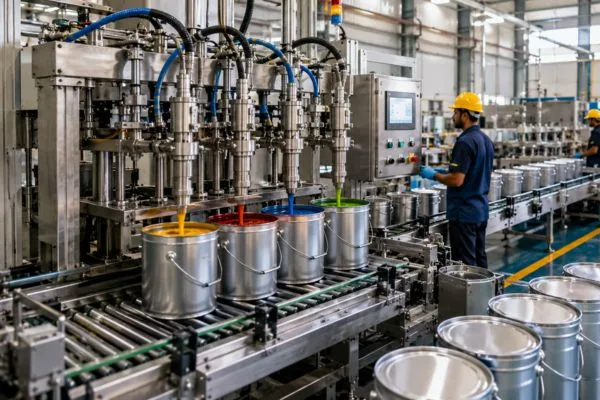
- Speciality Chemicals: As Egypt expands its domestic manufacturing capabilities, industrial chemicals, dyes, and specialized formulations from India are essential inputs for local paint, plastic, and processing industries.
High-Growth Technology and Modern Infrastructure
- Pharmaceuticals: Affordable, high-quality generic formulations and active pharmaceutical ingredients (APIs) from India support Egypt’s national healthcare goals, ensuring consistent medicine supplies for the domestic market.
- Electric Vehicle (EV) Charging Infrastructure: With Cairo actively promoting green mobility and sustainable urban transport, Indian manufacturers specializing in EV charging stations and battery management systems find a highly receptive market.
- Digital Infrastructure: Egypt’s aggressive push toward digitization and e-governance creates expansive opportunities for Indian IT service providers, software developers, and digital infrastructure suppliers.
Tariff and Payment Hurdles and How to Manage Them
Despite the optimistic macroeconomic outlook, exporters actively trading with Egypt report significant operational friction, primarily centered around tariff structures and foreign exchange availability.
Understanding and Mitigating Tariff Barriers
Egyptian customs regulations can be complex, featuring fluctuating tariff rates, stringent import licensing requirements, and comprehensive pre-shipment inspection mandates.
- Classification Accuracy: Ensure absolute precision in Harmonized System (HS) code classification to prevent customs delays and unexpected penalty assessments at Egyptian ports.
- Preferential Trade Agreements: Leverage applicable bilateral agreements and work closely with certified local clearing agents who maintain deep familiarity with the Egyptian General Authority for Export and Import Control (GOEIC).
Navigating Payment and Liquidity Challenges
Foreign exchange shortages in Egypt have historically complicated international remittances, leaving many exporters hesitant about credit terms.
- Utilize Letters of Credit (LCs): Insist on confirmed, irrevocable Letters of Credit issued by reputable international banks to guarantee payment upon document presentation.
- Explore Alternative Financing: Consider trade credit insurance through export credit agencies to protect against non-payment risks.
- Structured Milestones: For large engineering or digital infrastructure projects, negotiate milestone-based payments tied to verified project delivery stages.
Logistics and the Suez Route Advantage
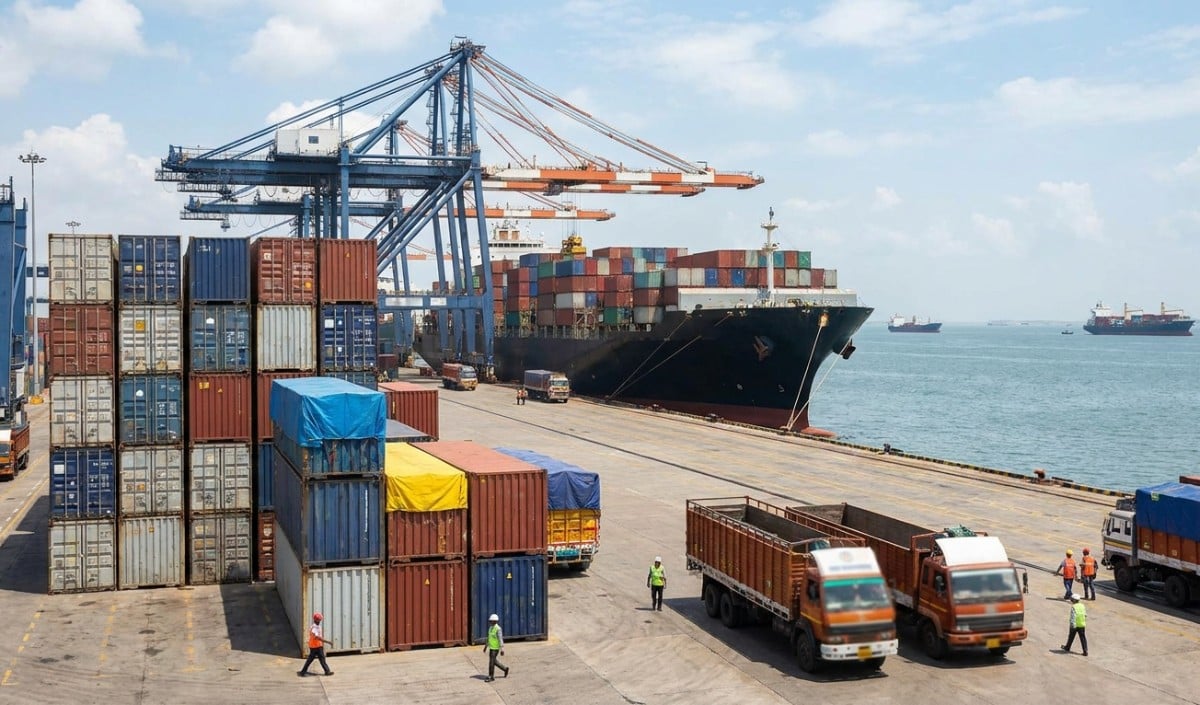
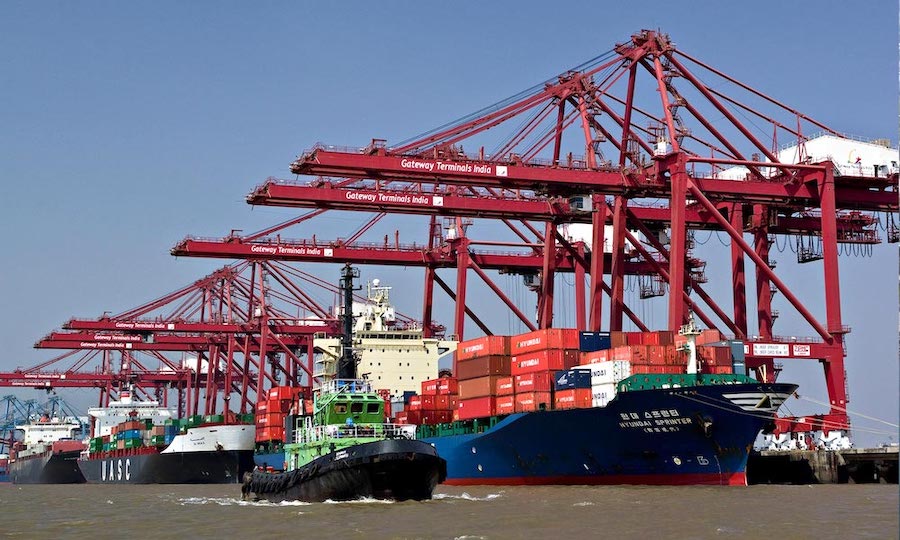
Geographical proximity offers a distinct logistical advantage for trade between India and Egypt, with maritime routes passing directly through the Suez Canal—a vital artery of global commerce.
| Logistical Parameter | Details & Considerations | Strategic Impact |
|---|---|---|>
| Primary Route | Western Indian ports (Nhava Sheva/Mundra) to Port Said/Alexandria via Suez Canal | Transit times typically range from 12 to 18 days, significantly faster than trans-Pacific routes. |
| Freight Volatility | Susceptible to geopolitical friction and regional security developments in the Red Sea corridor | Requires flexible carrier contracts and real-time shipment tracking. |
| Port Handling | Port Said and Sokhna serve as primary entry points with multimodal connections | Direct access to internal distribution networks across the Greater Cairo and Delta regions. |
Exporters must build buffer times into their supply chain schedules to account for potential maritime disruptions, ensuring inventory levels remain resilient against sudden routing adjustments.
Compliance and Documentation Checklist for Exporters
To ensure seamless customs clearance in Egypt, exporters must maintain rigorous compliance standards. Missing or incorrect documentation is the leading cause of demurrage charges and port delays.
- Commercial Invoice: Properly legalized by the Egyptian Embassy or Consulate in the origin country.
- Certificate of Origin: Authenticated by a recognized local Chamber of Commerce.
- Bill of Lading: Matching all shipment weights, marks, and container numbers precisely.
- Packing List: Detailed breakdown of gross and net weights, dimensions, and packaging types.
- Acid Number (ACID): Mandatory registration on Egypt’s Nafeza customs platform prior to cargo loading at the port of origin.
How to Find Verified Egyptian Buyers
Identifying reliable, creditworthy buyers in a new international market requires targeted networking and verified digital sourcing platforms. B2B marketplaces bridge the trust gap by vetting both suppliers and importers.
To fast-track your market entry, you can connect directly with active importers by browsing the Today Adviser Importers Directory. Alternatively, if you are looking to broadcast specific inventory, tender offers, or supply capacities directly to verified regional buyers, you can Post Your Requirement on Today Adviser to receive qualified inbound trade inquiries.
Frequently Asked Questions
What is the target bilateral trade volume between India and Egypt?
India and Egypt are actively targeting a bilateral trade volume of USD 12 billion, driven by expanding cooperation in manufacturing, pharmaceuticals, energy, and digital infrastructure sectors.
Which sectors present the best opportunities for exporters in Egypt?
Key growth sectors include cotton yarn and textiles, pharmaceuticals, speciality chemicals, heavy engineering goods, EV charging infrastructure, and digital technology solutions.
What are the main payment hurdles exporters face in Egypt?
Exporters frequently cite foreign exchange availability constraints and liquidity management as primary hurdles, making confirmed Letters of Credit and trade credit insurance essential safeguards.
How does the Suez Canal impact shipping times between India and Egypt?
The maritime route through the Suez Canal allows for efficient transit times of roughly 12 to 18 days from western Indian ports to Egyptian terminals, providing a major logistical advantage.
What is the ACID number requirement for exports to Egypt?
Advance Cargo Information (ACI) declaration requires exporters to obtain an ACID number via Egypt’s Nafeza customs system before shipping goods from the origin port.
How can I find verified importers in Egypt?
Exporters can leverage specialized global B2B platforms to vet trade partners, such as exploring verified profiles on the Today Adviser Importers Directory.
Are there specific tariffs affecting Indian goods entering Egypt?
Yes, while various trade arrangements exist, Egyptian customs enforce strict HS code classifications and pre-shipment inspection mandates that require careful compliance management.
What is the best way to start exporting to Egypt?
Begin by verifying market demand for your specific product category, ensuring strict adherence to Nafeza compliance rules, and connecting with pre-screened buyers through reputable B2B trade channels.
Conclusion
The push toward a $12 billion trade milestone marks a transformative chapter in economic relations between India and Egypt. While tariff complexities and payment structures demand careful navigation, the sheer breadth of sector opportunities—from traditional textiles to cutting-edge EV infrastructure—rewards well-prepared exporters. By prioritizing compliance, securing robust payment instruments, and leveraging trusted B2B networks, global businesses can successfully capture high-margin opportunities in this vital corridor. Ready to expand your reach? Post your requirement today to connect with verified partners.