Argentina rarely makes the shortlist when Indian exporters plan their next market — and that is exactly why it deserves a closer look. As one of South America's largest import markets, Argentina buys a wide range of goods that Indian manufacturers already produce competitively: chemicals, pharmaceuticals, textiles, two-wheelers and auto parts, and agricultural products. Competition from Indian suppliers is thinner than in the US or Gulf markets, which means early movers can build relationships before the crowd arrives.
This practical 2026 guide shows you how to find importers in Argentina step by step: where the demand is, what Argentina buys from India, six concrete ways to reach buyers, how to get paid safely, and how to ship there. No fake buyer lists, no guaranteed contacts — just methods that actually work.
Argentina's import market: a snapshot
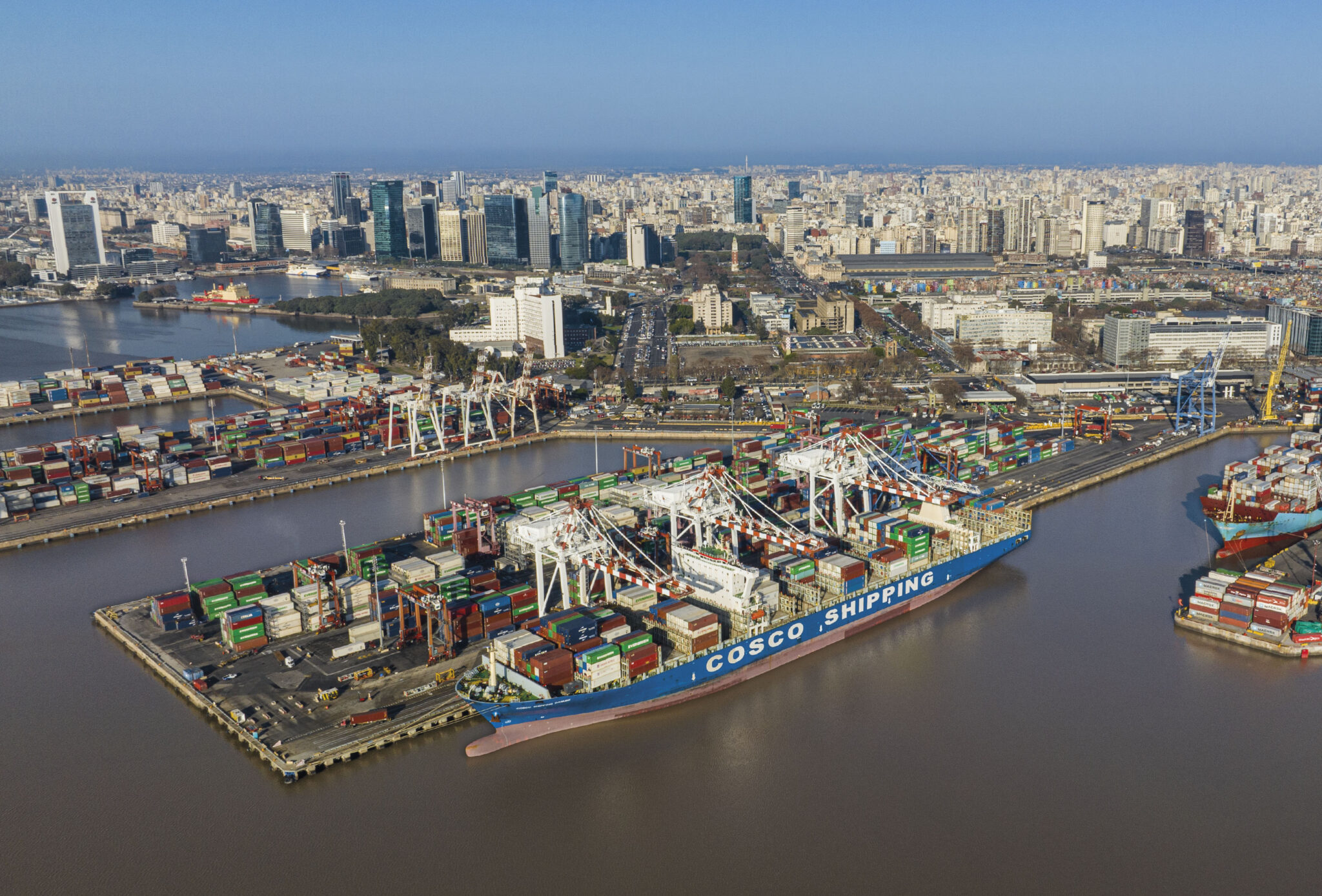
Argentina is among the largest economies in Latin America and a significant importer of industrial inputs, machinery, chemicals, pharmaceuticals and consumer goods. Its import trade is heavily concentrated around Buenos Aires, whose port handles the great majority of the country's containerised cargo. For an Indian exporter, that concentration is good news: one gateway, one set of port procedures, one commercial capital where most importers and distributors are headquartered.
A few things shape how business gets done there. Argentina's economy moves in cycles, and import regulations and foreign-exchange rules can change — so Argentine buyers value suppliers who are patient, flexible and well-informed. Spanish is the language of business. And deals are built on relationships first and paperwork second, which rewards exporters willing to invest time in the market rather than fire off a hundred cold emails.
What Argentina buys from India
India's export basket to Argentina is led by manufactured and value-added goods. The strongest categories for Indian exporters include:
- Chemicals and petrochemicals — organic and inorganic chemicals are consistently among India's top exports to Argentina.
- Pharmaceuticals — Indian generic medicines and bulk drugs have a growing footprint in Latin American markets.
- Textiles and garments — fabrics, made-ups and apparel at competitive price points.
- Two-wheelers and auto parts — motorcycles, scooters and components, a category where Indian brands already have regional recognition.
- Agricultural products — including tea, spices and processed food items.
If your product falls in one of these categories, you are selling into proven demand. If it does not, the buyer-finding methods below still apply — you will simply need sharper positioning.
Six concrete ways to find importers in Argentina
1. List your products on B2B marketplaces
Create a complete company profile on B2B platforms such as TodayAdviser, list your products with clear specifications and export-ready pricing, and respond promptly to incoming RFQs (requests for quotation) from Latin American buyers. Keep your catalogue in English and, ideally, add Spanish product titles and descriptions — Argentine buyers search in Spanish. A verified profile with product photos, certifications and past shipment references converts far better than a bare listing.
2. Work Argentine import directories and chambers of commerce
Argentina has industry chambers and importer associations covering sectors from chemicals to textiles. Identify the chamber relevant to your product, browse its member directory, and shortlist companies whose import profile matches your catalogue. Chamber websites and trade publications often publish member lists with contact details — a legitimate, targeted starting point for outreach.
3. Exhibit at or visit trade fairs
Few things replace meeting buyers face to face. Buenos Aires hosts sectoral trade fairs and expos through the year, and regional Latin American fairs also draw Argentine importers. Even visiting — without a booth — lets you collect contacts, study competitor pricing and understand what Argentine buyers actually ask for. Budget one well-chosen fair before committing to a full exhibition.
4. Use the Indian Embassy's commercial wing in Buenos Aires
India's diplomatic mission in Argentina includes a commercial section that promotes bilateral trade. It can point you to upcoming buyer-seller meets, trade delegations and market intelligence, and embassy-backed introductions carry credibility with Argentine companies. Check the mission's trade events calendar and register for relevant programmes.
5. Run LinkedIn outreach — in Spanish
Argentine import managers, purchasing heads and distributors are on LinkedIn. Search by job title ("gerente de compras", "importación") plus your product category, and send short, personalised messages in Spanish. Mention your product, your export experience and one concrete reason you fit their business. Spanish-language outreach gets dramatically higher response rates than English templates — consider professional translation rather than machine translation for first contact.
6. Appoint a local agent or distributor
For exporters serious about the market, a Buenos Aires–based sales agent or distributor is often the fastest route to real orders. A good agent already holds buyer relationships, understands import procedures and credit norms, and can represent you at local fairs. Agree clear territory, targets and commission terms in writing, start with a trial period, and verify the agent's references before signing.
Getting paid safely: protect your first orders
Argentine buyers are generally professional, but distance and economic cycles demand caution — especially on first orders.
- Use a letter of credit for first orders. An irrevocable LC at sight, ideally confirmed by a reputable bank, means you ship against bank-backed payment assurance rather than trust alone.
- Check buyer credibility before shipping. Ask for business references, request a basic credit report, and verify the company's registration and trading history. A genuine importer expects this diligence.
- Consider export credit insurance. India's Export Credit Guarantee Corporation (ECGC) covers the risk of buyer non-payment, letting you offer competitive credit terms once trust is established.
- Start small, then scale. A trial shipment that clears customs smoothly and gets paid on time tells you more than any directory listing.
Logistics basics: getting your goods to Buenos Aires
There are no direct container services from India to Argentina's east coast, so cargo moves via transshipment hubs — commonly through ports in the Middle East, Europe or Asia depending on the shipping line's network. Typical door-to-port transit from major Indian ports (Nhava Sheva, Mundra, Chennai) to Buenos Aires runs about 30 to 45 days.
Plan for:
- FCL vs LCL — full containers for larger orders; consolidated (LCL) shipments for trial quantities.
- Buenos Aires port clearance — appoint a reliable local customs broker; Argentine import documentation requirements should be confirmed with your buyer before dispatch.
- Buffer time — build extra days into your delivery commitments for transshipment connections and port procedures.
Business culture tips: how deals get done in Argentina
- Spanish first. Business is conducted in Spanish. Even basic Spanish from your side signals respect; professional interpreters or bilingual staff pay for themselves.
- Relationships before transactions. Argentine buyers prefer to know who they are dealing with. Invest in calls, video meetings and — when possible — visits before pushing for purchase orders.
- Patience with timelines. Decision-making can be slower than Indian exporters expect, and economic conditions can delay purchasing plans. Steady follow-up beats pressure.
- Flexibility wins. Buyers dealing with currency and import-rule shifts appreciate suppliers who adapt payment and shipment terms pragmatically.
Your action checklist: start this month
- [ ] Research which of your products fit Argentina's proven import categories
- [ ] Create or upgrade your B2B marketplace profile with Spanish product descriptions
- [ ] Shortlist 20 Argentine importers from chambers, directories and LinkedIn
- [ ] Send personalised Spanish-language introductions to your shortlist
- [ ] Contact the Indian Embassy's commercial wing in Buenos Aires about upcoming trade events
- [ ] Identify one trade fair to visit or exhibit at this year
- [ ] Line up a freight forwarder experienced in India–South America routes and request indicative quotes
- [ ] Set your payment policy: LC at sight for first orders, ECGC cover for open-account terms later
Frequently asked questions
What is the main port for importing into Argentina?
Buenos Aires is the principal gateway, handling the bulk of Argentina's containerised imports. Most importers, distributors and customs brokers are based in or around the capital.
What does Argentina import from India?
Key categories include chemicals, pharmaceuticals, textiles and garments, two-wheelers and auto parts, and agricultural products such as tea and spices.
How long does shipping from India to Argentina take?
Typically 30 to 45 days port-to-port via transshipment hubs, depending on the origin port in India and the shipping line's routing.
Is it safe to export to Argentina on open-account terms?
Build up to it. Use letters of credit for initial orders and consider ECGC export credit insurance before extending open-account credit to any buyer, however promising.
Argentina rewards exporters who do their homework: learn the market, speak the buyer's language — literally and commercially — and build the relationship before chasing the purchase order. Start with the checklist above, and give the market the sustained attention it deserves.