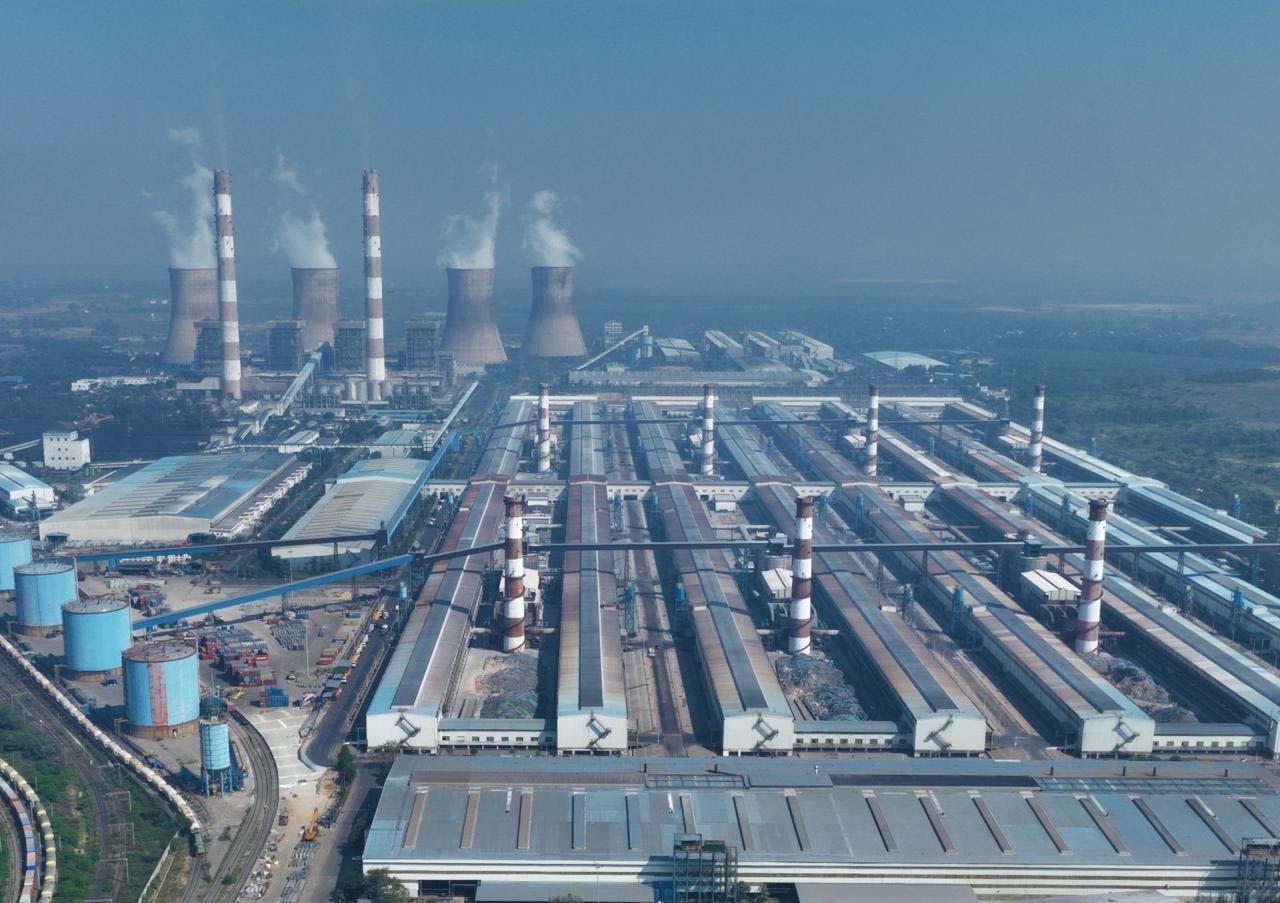
A 2026 overview of the aluminium industry in India — primary production, key players NALCO, Hindalco and Vedanta, downstream products, export scope and buyer pointers.
India has firmly established itself as a global manufacturing powerhouse, playing a pivotal role in the international metals and mining sector. As the second-largest producer of primary aluminum globally, the aluminum industry in india offers B2B buyers unparalleled sourcing opportunities, high-grade downstream products, and a robust export ecosystem supported by cost-competitive energy and skilled engineering talent.
For international procurement managers, importers, and industrial supply chain leaders, navigating the Indian metal market requires a deep understanding of primary producers, value-added downstream capabilities, and regulatory compliance frameworks. This comprehensive guide explores the current production landscape, key market players, export potential, and actionable procurement strategies for global businesses.
B2B Overview of the Indian Aluminum Sector
The Indian aluminum sector is capital-intensive, highly consolidated, and strategically vital to the nation's industrial output. Driven by abundant domestic bauxite reserves—ranking among the highest globally—India commands a formidable position in primary metal production. The industry spans the entire value chain, from bauxite mining and alumina refining to primary smelting and advanced downstream rolling, extrusion, and foil manufacturing.
Global B2B buyers increasingly look to India as a de-risking alternative to traditional sourcing hubs. The country's primary smelters operate with modern technology, ensuring low carbon footprints in specific facilities and adherence to international quality standards such as ISO, ASTM, and EN. Furthermore, supportive government policies and robust domestic consumption across the electrical, automotive, and construction sectors ensure steady supply chain resilience.
India's Primary Production and Global Ranking
India currently ranks as the world's second-largest producer of primary aluminum, trailing only China. With an annual primary production capacity exceeding 4 million tonnes, Indian producers leverage integrated operations that secure raw material self-sufficiency.
Raw Material Security and Refining
- Bauxite Reserves: India holds vast bauxite deposits, primarily concentrated in Odisha, Andhra Pradesh, Jharkhand, and Chhattisgarh.
- Alumina Refineries: Domestic refineries efficiently convert bauxite into smelter-grade alumina, minimizing import dependencies for upstream inputs.
- Power Integration: Because aluminum smelting is highly energy-intensive, major Indian producers operate captive power plants, stabilizing production costs against volatile global energy markets.
| Attribute | Indian Aluminum Industry Landscape |
|---|---|
| Global Production Rank | 2nd Largest Primary Producer |
| Annual Production Capacity | 4+ Million Tonnes |
| Key Bauxite Regions | Odisha, Andhra Pradesh, Chhattisgarh |
| Primary Energy Source | Captive Thermal & Renewable Mix |
| Major Export Destinations | USA, Europe, South-East Asia, Middle East |
Key Players Driving the Market
The domestic landscape is dominated by a few integrated giants capable of competing globally on scale, pricing, and technical specification. Understanding these key players helps B2B buyers map their supply chains effectively.
National Aluminium Company Limited (NALCO)
A Government of India enterprise, NALCO is a Navratna CPSE and one of the lowest-cost producers of alumina in the world. It operates integrated bauxite mining, refining, and smelting complexes, exporting high-purity ingots and wire rods to international markets.
Hindalco Industries Limited
The metals flagship of the Aditya Birla Group, Hindalco is the world's largest aluminum rolling company and a major player in primary metal production. Through its subsidiary Novelis and domestic facilities, Hindalco supplies high-end flat-rolled products, automotive body sheets, and electrical-grade conductors globally.
Vedanta Aluminium
As one of the world's leading primary aluminum producers, Vedanta operates massive smelting facilities in Odisha and Chhattisgarh. The company offers a diverse product portfolio including ingots, wire rods, billets, and alloyed products, catering to sophisticated global engineering requirements.
Downstream Products and Export Scope
While primary metal (ingots and sow ingots) remains a major export category, the real growth in B2B trade lies in value-added downstream products. Indian manufacturers have heavily invested in advanced fabrication technologies.
Ingots and Sows
Standard primary aluminum ingots and re-melt ingots are widely exported for general foundry and remelting applications, adhering to 99.7% and 99.8% purity standards.
Billets
Extrusion-grade primary aluminum billets are produced in various diameters (such as 6063 and 6082 alloys) to service architectural, structural, and automotive extrusion presses worldwide.
Rolled Products
Flat-rolled products, including coils, sheets, and corrugated panels, are extensively utilized in aerospace, packaging, transportation, and construction sectors.
Extrusions and Foils
Customized aluminum profiles, industrial extrusions, and ultra-thin packaging foils meet stringent European and North American quality thresholds, making India a preferred sourcing destination for converters.
What Drives Aluminum Demand Globally?
Understanding demand drivers helps buyers anticipate pricing trends and secure long-term supply contracts.
1. Lightweighting in Automotive and EV Sectors
Global automotive manufacturers are aggressively reducing vehicle weight to improve fuel efficiency and extend electric vehicle battery ranges. High-strength aluminum alloys and crash-management systems drive robust demand for Indian billets and extrusions.
2. Renewable Energy Infrastructure
Solar photovoltaic (PV) mounting structures, wind turbine components, and high-voltage electrical transmission lines rely heavily on aluminum due to its corrosion resistance and high conductivity-to-weight ratio.
3. Sustainable Packaging and Construction
Recyclability is a primary driver. Aluminum can be recycled infinitely without losing its mechanical properties, aligning with global corporate ESG mandates and circular economy targets.
Practical Pointers for Exporters and B2B Buyers
Successfully executing cross-border trade transactions in the Indian metal market requires careful planning, adherence to documentation, and quality control.
Quality Assurance and Inspection
- Always request Mill Test Certificates (MTC) conforming to international standards (ASTM, EN, JIS).
- Engage third-party inspection agencies (such as SGS, Bureau Veritas) for pre-shipment inspections (PSI) to verify weight, dimensions, and alloy composition.
Incoterms and Logistics
- Common pricing terms include FOB (Free on Board) major ports like Paradip, Vizag, or Mundra, and CIF (Cost, Insurance, and Freight) for destination ports.
- Ensure appropriate packaging—such as wooden pallets, steel strapping, and moisture-barrier wrapping—to prevent transit oxidation and mechanical damage.
Common Mistakes to Avoid
- Neglecting alloy verification (confusing commercial purity with specialized structural alloys like 6061 or 7075).
- Failing to account for LME (London Metal Exchange) price volatility in long-term fixed-price contracts.
- Overlooking customs compliance and export documentation requirements mandated by Indian authorities.
Frequently Asked Questions
What is India's global ranking in aluminum production?
India is the world's second-largest producer of primary aluminum, supported by vast bauxite reserves, large-scale smelting capacities, and a highly integrated domestic value chain.
Who are the top aluminum producers in India?
The primary aluminum sector in India is dominated by three major players: Hindalco Industries, Vedanta Aluminium, and the state-owned National Aluminium Company (NALCO).
What downstream aluminum products are exported from India?
Key downstream exports include extrusion-grade billets, flat-rolled coils, sheets, electrical wire rods, customized industrial extrusions, and high-precision packaging foils.
How is the pricing of Indian aluminum determined for B2B contracts?
Export pricing is typically benchmarked against the London Metal Exchange (LME) cash settlement price, plus a regional physical premium and applicable value-add fabrication charges.
What quality certifications should I request from Indian suppliers?
Buyers should verify ISO 9001 (Quality Management), ISO 14001 (Environmental), OHSAS/ISO 45001, and batch-specific Mill Test Certificates (MTC) conforming to ASTM or EN standards.
What are the main shipping ports for aluminum exports from India?
Major ports handling bulk metal exports include Paradip Port, Visakhapatnam Port, Mundra Port, and Jawaharlal Nehru Port (JNPT) in Mumbai.
Are Indian aluminum products compliant with global ESG standards?
Major producers increasingly utilize renewable energy mixes, optimize recycling loops, and maintain transparent carbon accounting to meet rigorous European and North American ESG requirements.
Conclusion
The aluminum industry in India presents exceptional opportunities for global B2B buyers seeking secure, high-quality, and cost-competitive metal supplies. From primary ingots to sophisticated downstream extrusions, Indian manufacturers offer world-class reliability. Ready to source verified aluminum products? Post your specific procurement requirement or connect directly with certified Indian exporters on Today Adviser today.