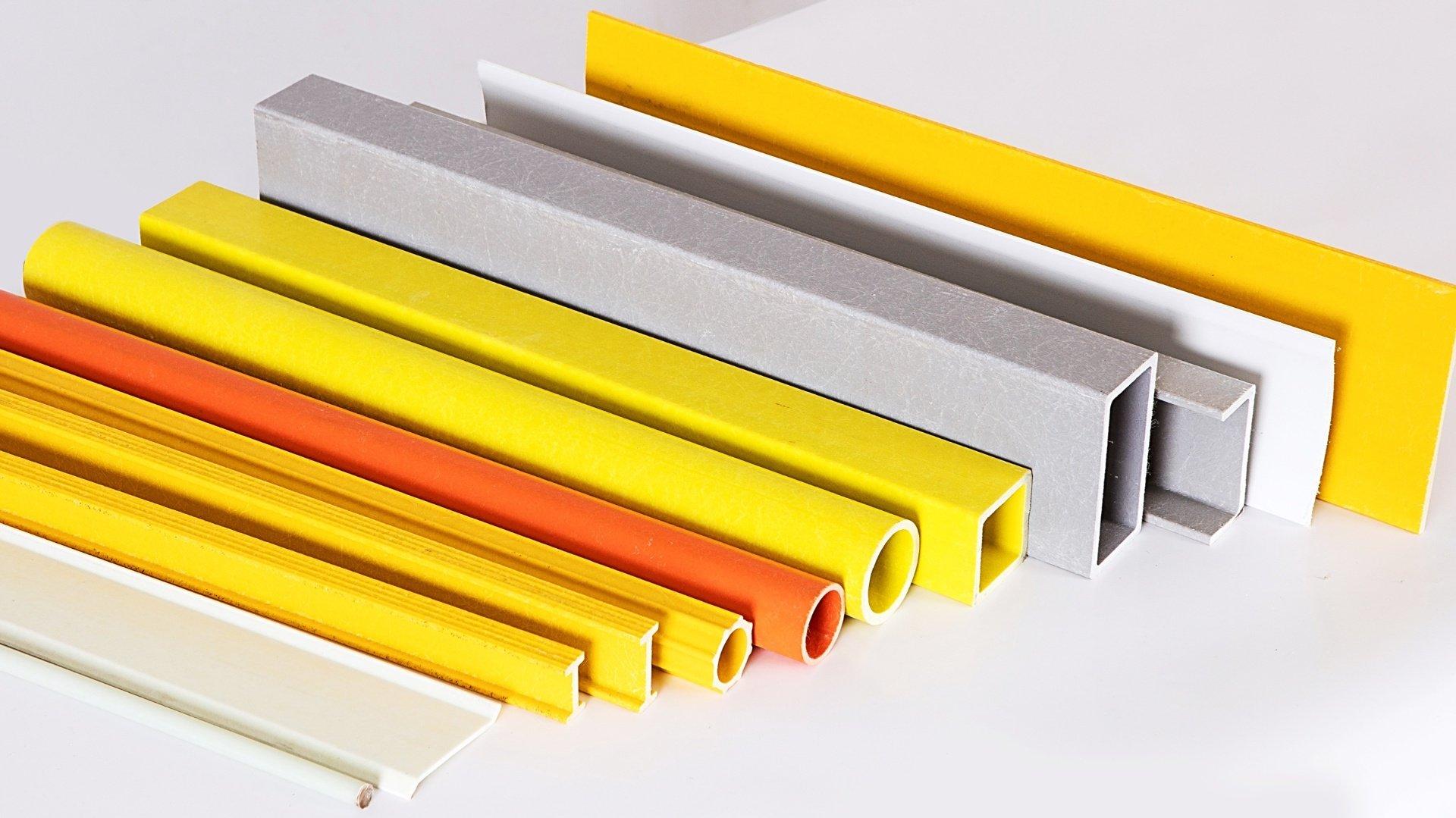
FRP chambers, pallet trays and gunmetal scrap explained: uses, grades, export rules and buyer checks for industrial materials.
Industrial Materials Export: FRP Chambers, Pallet Trays & Gunmetal Scrap
Industrial materials cover a huge range of products, from moulded composite chambers to the trays that move goods through a factory, to the scrap metal that is melted down and used again. This guide looks at three very different examples — FRP chambers, pallet trays and gunmetal scrap — and explains what they are, how they are used, what to check when buying them, and the export rules that apply.
What Are FRP Chambers?
FRP stands for fibre-reinforced plastic, also called fibre-reinforced polymer. An FRP chamber is a moulded or fabricated enclosure made from a plastic resin reinforced with glass fibre, or another fibre. The result is a product that is strong for its weight, resistant to corrosion, and able to be moulded into complex shapes.
FRP chambers are used in several industries. In water and wastewater treatment, they house pumps, valves and control equipment, and they are used as manholes, inspection chambers and chemical storage enclosures. In telecoms and power, they protect cables and joints underground. In chemical plants, they provide corrosion-resistant enclosures for equipment that would rust in steel.
The advantages of FRP are practical: it does not rust, it is lighter than concrete or steel, it can be made in a range of sizes and shapes, and it needs little maintenance. The disadvantages are also practical: it can be damaged by impact, it needs to be made to the right specification for the load it will carry, and repairs need a specialist.
For buyers, the key specifications are the dimensions, the wall thickness, the resin and fibre type, the load rating, the access opening, and any fittings such as covers, ladders or cable entries. Ask the maker for a drawing, a data sheet and, where relevant, a test certificate for the load rating.
Pallet Trays vs Pallets
Pallet trays are often confused with pallets, but they are a different product, used for a different job. This is not the same as a post about pallets for shipping.
A pallet is a flat platform, usually made of wood, plastic or metal, that goods are stacked on and moved with a forklift or a pallet truck. It is a transport and storage platform.
A pallet tray is a shallow tray, usually made of plastic, metal or fibreboard, that sits on a pallet or on a shelf and holds smaller items, parts or products in place. Pallet trays are used in factories, warehouses and assembly lines to organise components, to protect fragile items, and to make handling and counting easier. They are also used in food processing, electronics and automotive plants, where small parts need to be kept separate and clean.
The distinction matters for buyers. If you need a platform for moving goods, you need a pallet, with a load rating, a forklift entry and a standard size. If you need a tray for holding parts, you need a pallet tray, with the right dimensions, depth, material and, where relevant, anti-static or food-grade properties.
When buying pallet trays, check the material, the dimensions, the stackability, the weight capacity, and whether the tray is suitable for the environment — for example, whether it can be washed, whether it resists chemicals, and whether it meets food safety rules if it will be used with food.
Gunmetal Scrap: Composition and Grades
Gunmetal is a copper-based alloy, traditionally used for bearings, valves, pumps, marine fittings and other engineering parts where strength and corrosion resistance matter. Gunmetal scrap is the offcuts, turnings, old fittings and end-of-life parts made from gunmetal, collected for recycling and remelting.
Gunmetal is a type of bronze, and its composition is based on copper, tin and zinc, with small amounts of lead in some grades. The exact composition varies by grade and by standard, and buyers should not assume a single composition. Common descriptions in the trade include the copper content and the presence of tin, zinc and lead, but the precise figures should come from the supplier's specification or a laboratory assay for the lot.
Scrap is graded by form and by cleanliness. Common forms include clean castings, turnings and borings, mixed scrap and contaminated scrap. Clean, well-sorted scrap commands a higher price than mixed or contaminated scrap, because it is easier to melt and gives a more predictable alloy. Contamination with other metals, plastics, oil or other materials reduces the value and can cause problems in remelting.
For buyers, the key checks are the alloy type, the form, the cleanliness, the moisture and oil content, and whether the scrap has been tested or assayed. Ask the supplier for the grade, the origin of the scrap, and any test results. For larger lots, consider an independent assay.
Export Rules for Industrial Materials
Export rules depend on the product, and the three products in this guide illustrate the range.
FRP chambers and pallet trays are manufactured products, and their export is usually straightforward, subject to the normal customs, documentation and destination requirements. The HS code should be confirmed for the exact product, and any destination standards for load rating, fire resistance or food contact should be checked in advance.
Gunmetal scrap is a different case. Scrap metal is subject to stricter controls in many countries, because of environmental, safety and fraud concerns. Exporters should check whether the scrap needs a licence, a permit, or a specific declaration, and whether the destination country accepts that type of scrap. Some destinations restrict the import of certain scrap, or require pre-shipment inspection, a certificate of origin, and a declaration that the scrap is clean and free of hazardous material.
In India, scrap exports are subject to rules that change from time to time, and buyers and sellers should check the current position with a customs broker or the relevant authority before committing to a shipment. Do not rely on a general statement that scrap can be exported; check the specific grade, form and destination.
Documents for industrial materials typically include a commercial invoice, packing list and certificate of origin, plus any test, inspection or destination-specific certificates. For scrap, additional documents may include an assay certificate, a radiation-free certificate where required, and a declaration of the scrap's composition and cleanliness.
Prices for all three products vary by specification, quality, volume and delivery terms. Treat any price seen online as indicative only, and verify the live price, availability and export conditions before committing.
How to Verify a Supplier and a Lot
Industrial materials are bought on specification, so the specification should be agreed in writing before you pay.
For FRP chambers, ask for a drawing, a data sheet, the load rating and the resin and fibre type. Check a sample or a finished chamber for wall thickness, finish, fittings and any defects such as cracks, voids or poor moulding.
For pallet trays, ask for the dimensions, material, weight capacity and any food-grade or anti-static certification. Check a sample for fit, strength and finish, and test it in the actual use if possible.
For gunmetal scrap, ask for the grade, form, cleanliness and any assay results. Inspect the scrap in person or through an independent inspector, and check for contamination, moisture and mixed metals. A small trial lot is a sensible first step with a new supplier.
In all three cases, verify the supplier's business details, references and trading history, use a written contract, agree payment terms in advance, and be cautious of prices far below the market or pressure to pay quickly.
How to Find Industrial Materials Buyers and Suppliers
Be specific about what you need: product, specification, material, dimensions, quantity, destination and delivery date. A clear enquiry gets a faster, more useful answer.
Browse importers in the TodayAdviser buyer directory at TodayAdviser Importers Directory, and shortlist buyers who handle industrial materials, engineering goods, composites or scrap metal. If you are selling, post your offer so buyers can find you: Post a Requirement on TodayAdviser.
When you contact a new partner, verify them as described above, start with a trial order where possible, and build the relationship over time. In industrial materials trade, a supplier who delivers to specification, on time, is worth more than a one-off cheap lot.
Frequently Asked Questions
What is an FRP chamber used for?
FRP chambers house and protect equipment in water treatment, telecoms, power and chemical plants. They are corrosion-resistant, light for their strength, and can be moulded into many shapes and sizes.
What is the difference between a pallet tray and a pallet?
A pallet is a flat platform for moving and storing goods with a forklift. A pallet tray is a shallow tray that holds smaller items or parts in place, often on a pallet or a shelf, in a factory or warehouse.
What is gunmetal made of?
Gunmetal is a copper-based alloy, a type of bronze, based on copper, tin and zinc, with small amounts of lead in some grades. The exact composition varies by grade, so check the supplier's specification or an assay for the lot.
Can gunmetal scrap be exported from India?
It depends on the grade, form and destination, and the rules change from time to time. Check the current export rules, any licence or inspection requirements, and the destination's import rules with a customs broker before committing.
What documents are needed to export industrial materials?
Typically a commercial invoice, packing list and certificate of origin, plus any test, inspection or destination-specific certificates. Scrap may need additional documents, such as an assay certificate.
What should I check before buying FRP chambers?
Dimensions, wall thickness, resin and fibre type, load rating, fittings, and the finish and quality of the moulding. Ask for a drawing, a data sheet and, where relevant, a load test certificate.
Conclusion
FRP chambers, pallet trays and gunmetal scrap are three very different industrial materials, but the buying discipline is the same: define the specification, check the lot against it, verify the supplier, and check the export rules for the product and the destination. A clear specification and a reliable supplier are the best protection against a costly mistake, whether you are buying a moulded chamber, a tray for a production line, or a lot of scrap for remelting.