Lithium-ion batteries in India: manufacturers, market, cell types, BIS and PLI rules, and export rules for buyers.
Lithium-Ion Batteries in India – Manufacturers, Market & Export Rules
Lithium-ion batteries power electric vehicles, mobile phones, laptops, energy storage systems and a growing range of industrial equipment. India is both a large market for these batteries and a growing manufacturing base for them. This guide gives a practical overview of the market, the cell types, the manufacturing landscape, the BIS and PLI rules that shape the sector, and the export rules buyers and sellers need to know. It is about batteries, manufacturing and the market — not about scrap or recycling bans, which are a separate topic.
Market Overview
India's lithium-ion battery market has grown with the spread of electric two-wheelers and three-wheelers, with solar and energy storage, and with the use of batteries in consumer electronics and telecoms. Demand comes from vehicle makers, from energy storage projects, from electronics firms and from replacement and aftermarket sales.
The market is still developing, and it changes quickly. Technology, prices, policy and the availability of cells all move from year to year, so buyers should treat any market figure as indicative and check live information before making a business decision. No specific market size or growth figure is quoted here, because published estimates vary widely by source, method and date.
Cell Types
Lithium-ion is a family of chemistries, not a single battery. The main types buyers will meet are:
Lithium iron phosphate (LFP). Known for safety, long cycle life and lower cost, and widely used in electric vehicles, especially buses and commercial vehicles, and in energy storage. LFP batteries are heavier for the same energy than some other types, but their stability and life make them popular for applications where safety and durability matter more than maximum range.
Nickel manganese cobalt (NMC) and nickel cobalt aluminium (NCA). These offer higher energy density, which means more range for the same weight, and they are used in many electric cars and in consumer electronics. They are more expensive and need more careful thermal management than LFP.
Lithium cobalt oxide (LCO). Common in mobile phones, laptops and other small electronics, where high energy density in a small size matters most.
Lithium titanate (LTO) and other specialist types. Used in niche applications where fast charging, long life or operation in extreme temperatures matters, such as some buses and industrial equipment.
For buyers, the chemistry matters because it affects energy density, cycle life, safety, charging speed, cost and the suitability of the battery for a particular use. Agree the chemistry, the capacity, the voltage, the cycle life and the warranty in writing, and do not assume that two batteries with the same capacity are the same product.
Manufacturers Landscape
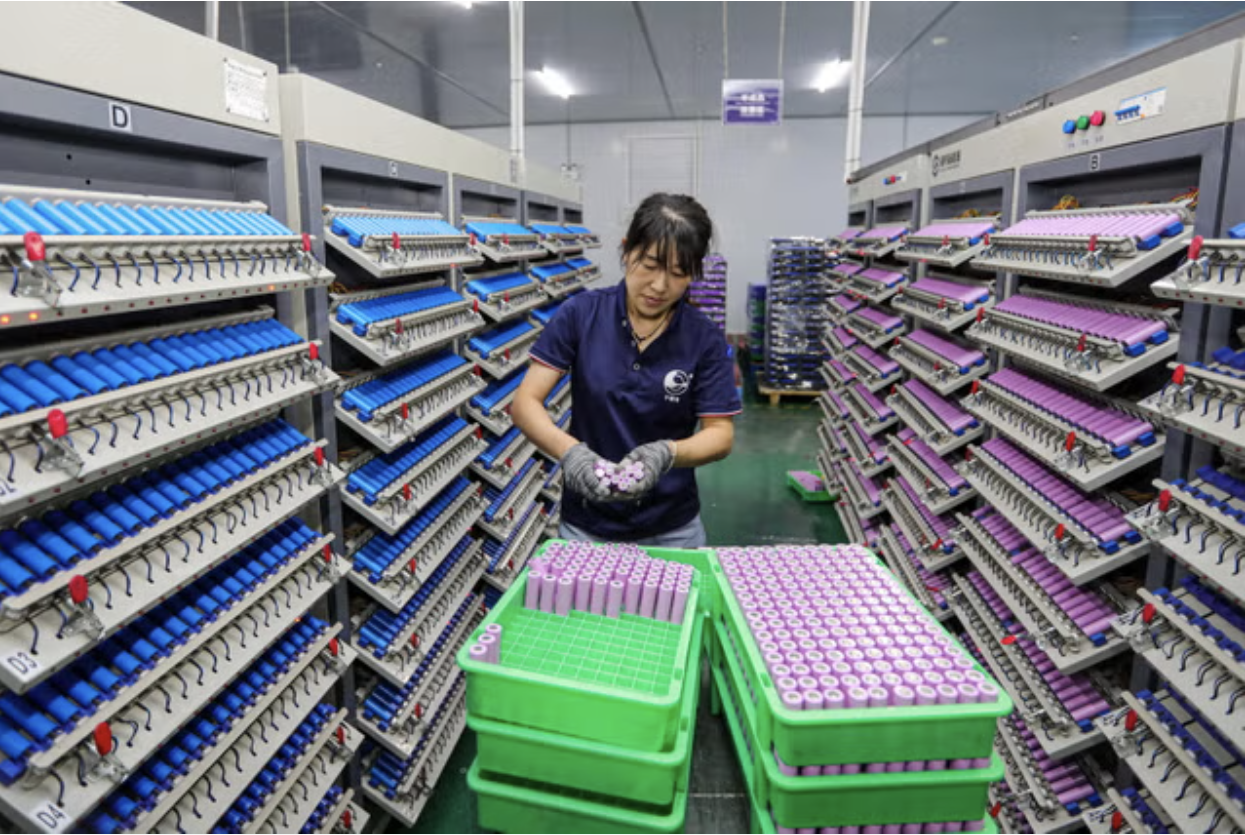
India's lithium-ion manufacturing landscape includes cell makers, pack assemblers, and firms that make battery management systems, chargers and other components. Some firms make cells, some assemble packs from imported cells, and some do both. The balance between cell making and pack assembly is changing as new plants come on stream, and the landscape should be checked live before a sourcing decision.
When sourcing, buyers should distinguish between a cell maker, a pack assembler and a trader. A pack assembler may use cells from several sources, and the quality of the pack depends on the cells, the battery management system, the thermal design and the assembly quality. Ask for the cell source, the battery management system, the test certificates and the warranty, and check whether the supplier can provide spares and after-sales support.
BIS and PLI Rules
Two sets of rules shape the sector in India: BIS standards and the Production Linked Incentive (PLI) scheme for advanced chemistry cells.
BIS standards. The Bureau of Indian Standards sets safety and performance standards for batteries and cells, including standards for lithium-ion batteries used in transport and in portable applications. Batteries sold in India generally need to meet the relevant BIS standard and, where the standard is under a compulsory registration scheme, to carry the BIS mark. Buyers should ask the supplier for the BIS registration number and the test reports for the exact model, and check that the registration is current.
PLI for advanced chemistry cells. The Indian government has a PLI scheme to encourage domestic manufacturing of advanced chemistry cells, including lithium-ion cells. The scheme provides incentives to firms that set up cell manufacturing capacity in India and meet production and investment targets. It is a manufacturing incentive, not a product standard, and it does not by itself guarantee the quality of a particular battery.
Both BIS and PLI rules change from time to time, and the details matter for a specific product and a specific use. Check the current BIS standard for the battery type, and the current PLI position, with the supplier and with a qualified adviser before committing to a purchase or an export.
Export Rules
Exporting lithium-ion batteries from India, or importing them into India, involves safety, transport and customs rules that are stricter than for many other products, because lithium-ion batteries are classified as dangerous goods for transport.
Transport. Lithium-ion batteries are regulated under international transport rules for air, sea and road, including the UN Model Regulations, the IATA Dangerous Goods Regulations for air freight and the IMDG Code for sea freight. The rules depend on the battery type, capacity, state of charge and packaging. Batteries must be tested to UN 38.3, the standard for the transport of lithium batteries, and must be packed, labelled and declared correctly. Air freight is more restrictive than sea freight, especially for larger batteries.
Customs and documentation. A typical export includes a commercial invoice, packing list, certificate of origin, and, where required, a test report, a material safety data sheet, a dangerous goods declaration and a transport test summary. The HS code should be confirmed for the exact product, including whether it is a cell, a pack, or a battery fitted in equipment.
Destination rules. The destination country may have its own safety, labelling, recycling and import rules for batteries, including rules on waste batteries and on the chemicals in them. Check the destination's rules in advance, and ask the buyer what documents and certifications they need.
Used and waste batteries. Used batteries, waste batteries and the materials recovered from them are subject to separate rules, including rules on hazardous waste and on recycling. This guide does not cover those rules in detail, and buyers and sellers of used or waste batteries should check the current position separately. The export ban on lithium-ion battery black mass, covered in a separate post, is an example of how those rules can change.
Prices for lithium-ion batteries vary by chemistry, capacity, quality, volume and delivery terms. Treat any price seen online as indicative only, and verify the live price, availability and export conditions before committing.
How to Verify a Battery Supplier
Batteries are a safety-critical product, so verification matters more than for many other goods.
Ask for the business registration, a physical address, and references from other buyers. Check that the supplier has a factory or an assembly facility, and that it can show you the production and testing process.
Ask for a detailed specification, a data sheet, test reports, BIS registration and the warranty terms in writing. Check the cell source, the battery management system, and the safety features, including protection against overcharging, overheating and short circuits.
Consider an independent inspection and testing before shipment, especially for a first order or a large value. A sample should be tested in the actual use, and the lot should be checked for consistency, labelling and packaging.
Be cautious of prices far below the market, pressure to pay quickly, or a supplier who will not share test reports, BIS details or a specification in writing.
How to Find Battery Buyers and Suppliers
Be specific about what you need: chemistry, capacity, voltage, form factor, quantity, destination and delivery date. A clear enquiry gets a faster, more useful answer.
Browse importers in the TodayAdviser buyer directory at TodayAdviser Importers Directory, and shortlist buyers who handle batteries, electric vehicles, energy storage or electronics. If you are selling, post your offer so buyers can find you: Post a Requirement on TodayAdviser.
When you contact a new partner, verify them as described above, start with a trial order where possible, and build the relationship over time. In the battery trade, after-sales support, warranty handling and safety matter as much as the initial price.
Frequently Asked Questions
What is the main lithium-ion battery type used in India?
LFP is widely used in electric vehicles and energy storage, because of its safety and long life. NMC and NCA are used where higher energy density matters, and LCO is common in small electronics. The right type depends on the use.
Do lithium-ion batteries need BIS certification in India?
Batteries sold in India generally need to meet the relevant BIS standard, and, where the standard is under a compulsory registration scheme, to carry the BIS mark. Ask the supplier for the registration number and test reports for the exact model.
What is the PLI scheme for batteries?
It is a government incentive scheme to encourage domestic manufacturing of advanced chemistry cells in India. It provides incentives to firms that set up cell manufacturing capacity and meet production and investment targets.
Can lithium-ion batteries be exported from India?
Yes, subject to transport, customs and destination rules. Batteries are classified as dangerous goods for transport, must be tested to UN 38.3, and must be packed, labelled and declared correctly. Check the destination's rules in advance.
What should I check before buying lithium-ion batteries?
Chemistry, capacity, voltage, cycle life, cell source, battery management system, BIS registration, test reports, warranty and after-sales support. Test a sample and consider an independent inspection for larger orders.
Are used lithium-ion batteries and black mass covered here?
No. Used and waste batteries, and the materials recovered from them, are subject to separate rules. Check the current position for those products separately before trading them.
Conclusion
Lithium-ion batteries in India are a fast-changing market, with growing domestic manufacturing, a range of cell types, and rules on safety, standards and transport that buyers must understand. Know the chemistry, check the BIS registration and test reports, verify the supplier, and confirm the export rules for the battery type and destination before you commit. A reliable supplier, a clear specification and an independent check where the value justifies it are the best protection in a sector where safety and quality matter most.