Explore the biggest rice grain varieties in the world, focusing on extra-long cultivars like 1121 Basmati. Learn essential quality parameters, major production regions, and B2B sourcing strategies.
When sourcing premium cereals on the global market, discerning importers frequently ask: what is the biggest rice grain in the world? While absolute world records for individual grain dimensions often belong to experimental breeding lines, commercial buyers focus on extra-long grain varieties like 1121 Basmati, Pusa Basmati, and specialized aromatic cultivars. These varieties command top-tier pricing across international hospitality and retail sectors.
For B2B buyers and exporters navigating the global agricultural trade, understanding the nuances of grain elongation, cooking metrics, and regional sourcing is critical. Long-grain rice is not merely defined by its raw physical dimensions, but by how dramatically it expands upon cooking. This comprehensive guide explores the longest rice varieties available, quality parameters, major production hubs, and efficient sourcing methodologies.
Sourcing these premium commodities requires navigating complex quality parameters, moisture thresholds, and export compliance. Whether you are an established importer looking to diversify your supply chain or a miller aiming to connect with international buyers, mastering the intricacies of extra-long-grain rice trading is essential for maintaining margins in a competitive marketplace.
The Giants of the Grain: Varieties with Exceptional Lengths
When evaluating the biggest rice grain options available for commercial import, specific varieties dominate international trade due to their genetic predisposition for exceptional length and post-cooking elongation.
1121 Basmati Rice
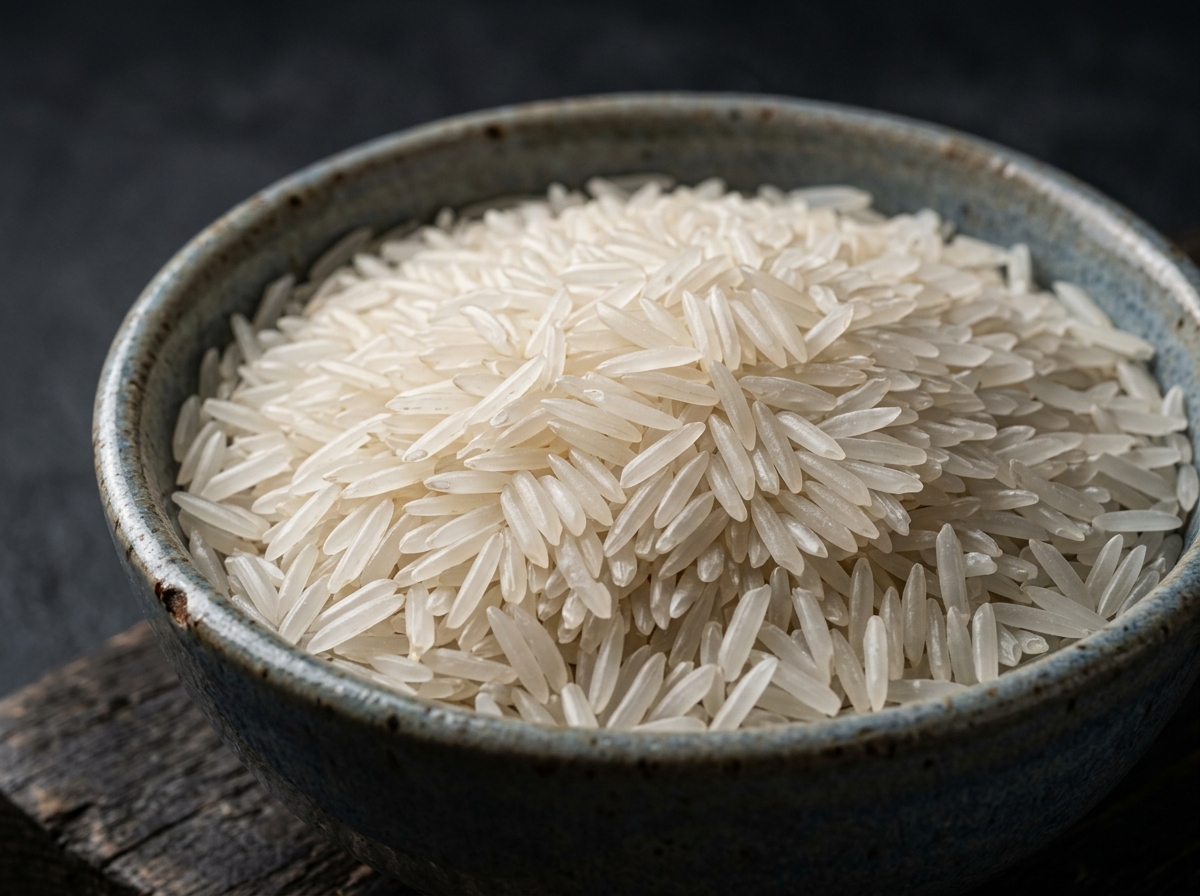
Widely recognized as a marvel of agricultural breeding, 1121 Basmati revolutionized the global long-grain market. Released commercially in the early 2000s, it quickly captured dominant market share due to its unprecedented raw grain length and extraordinary cooked elongation.
- Raw Grain Length: 8.35 mm to 8.5 mm (and occasionally longer in premium selections).
- Cooked Elongation: Can stretch up to 20 mm to 22 mm upon proper cooking.
- Key Characteristics: Distinct aroma, non-sticky texture after cooking, and a slender, pearl-white appearance.
Pusa Basmati 1121 and 1509
Building upon the success of traditional extra-long cultivars, agricultural scientists developed subsequent generations such as Pusa 1509. These varieties offer shorter crop maturity cycles while maintaining impressive grain dimensions.
- Raw Grain Length: 8.0 mm to 8.4 mm.
- Maturity Cycle: Significantly shorter than traditional Basmati, allowing for higher cropping intensity.
- Culinary Profile: Exceptional fluffiness and traditional aromatic profile favored by Middle Eastern and European consumers.
Traditional Basmati vs. Extra-Long Hybrids
Traditional Basmati varieties like Dehraduni or Karnal local possess unmatched fragrance and aging properties, but their raw grain lengths typically hover around 6.5 mm to 7.0 mm. Extra-long hybrids trade a fraction of the subtle floral notes for monumental visual presence on the plate, making them the preferred choice for catering, banqueting, and high-end retail packaging.
Grain-Length Comparison and Quality Parameters
B2B trade relies on rigorous standardization. Importers cannot rely on visual estimates alone; laboratory analysis of physical and chemical parameters dictates the valuation of every metric ton.
| Variety Name | Average Raw Length (mm) | Cooked Length (mm) | Aroma Profile | Typical Broken Percentage (%) |
|---|---|---|---|---|
| 1121 Basmati (Sella) | 8.35 - 8.50 | 20.0 - 22.0 | Rich, nutty | 1% - 2% max |
| Pusa 1509 (Steamed) | 8.00 - 8.30 | 18.0 - 20.0 | Moderate | 2% max |
| Traditional Basmati | 6.60 - 7.00 | 14.0 - 16.0 | Intense floral | 1% max |
| Domsiah (Imported) | 7.50 - 7.80 | 16.0 - 18.0 | Distinct | 3% max |
Critical Quality Parameters Checked by Importers
Professional procurement managers evaluate shipments against strict contractual specifications:
- Moisture Content: Must remain strictly between 11% and 13% to prevent fungal growth and spoilage during maritime transit.
- Grain Maturity and Chalkiness: Immature grains break easily during milling. Importers look for translucent, clear endosperms with minimal chalky spots.
- Purity Percentage: Contractual purity for premium extra-long grain should exceed 95%, ensuring minimal admixture with inferior short-grain varieties.
- Aging: Premium extra-long varieties like 1121 are aged for 12 to 24 months in controlled warehouses. Aging reduces moisture, enhances elongation, and hardens the grain to minimize breakage.
Major Producing Regions in India
India remains the undisputed powerhouse for extra-long grain aromatic rice, cultivating the vast majority of the world's 1121 and Pusa Basmati supplies.
The Indo-Gangetic Plain
The agro-climatic conditions of the northwestern Indo-Gangetic plain provide the ideal terroir for growing the biggest rice grain varieties. The alluvial soils deposited by Himalayan rivers, combined with distinct seasonal temperature variations, impart the characteristic aroma and elongation properties.
Key Sourcing Hubs
- Haryana: The epicenter for 1121 milling and processing, featuring advanced sorting, grading, and parboiling plants.
- Punjab: A massive contributor to both Basmati and non-basmati long-grain production, backed by mechanized farming and efficient logistics.
- Uttar Pradesh: Renowned for producing substantial volumes of Pusa varieties and traditional aromatic strains, offering competitive baseline pricing.
- Madhya Pradesh: Geographically indicated for Basmati cultivation, supplying rapidly growing export volumes to global traders.
Export Markets, Price Factors, and Sourcing Strategies
Understanding the global trade dynamics of extra-long grain rice requires analyzing where the product goes and what drives cost fluctuations.
Primary Export Destinations
- Middle East: Saudi Arabia, United Arab Emirates, Iran, and Iraq represent the largest consumer markets, heavily favoring aged, extra-long parboiled (sella) 1121 rice.
- North America and Europe: Sourced heavily by ethnic diaspora supermarkets and high-end foodservice distributors.
- Africa: Growing demand in urban centers for affordable long-grain white and parboiled variants.
Price Factors in B2B Rice Trade
Procurement professionals must monitor several variables affecting landed costs:
- Paddy Prices at Origin: Domestic harvest yields and minimum support pricing directly influence raw material costs.
- Milling Processing Type: Raw milled, steamed, and golden/cream sella (parboiled) command different price points due to energy and processing overheads.
- Logistics and Freight: Container availability, port congestion, and fluctuating bunker surcharges heavily impact CIF (Cost, Insurance, and Freight) quotations.
- Note on Pricing: Global grain markets experience frequent volatility driven by weather patterns, currency fluctuations, and export policy shifts. Buyers are strongly advised to verify live prices directly with verified suppliers before locking in long-term supply contracts.
Common Sourcing Mistakes to Avoid
- Neglecting Cooking Tests: Accepting a supplier based solely on raw grain length certificates without conducting physical kitchen trials for elongation and texture.
- Ignoring Aging Specifications: Importing unaged 1121 rice, which results in high breakage rates and sticky cooked texture.
- Vague Packaging Terms: Failing to specify food-grade multi-layer PP bags, jute sacks, or vacuum packaging, leading to moisture ingress during sea freight.
Connecting Buyers and Exporters via Today Adviser
Bridging the gap between international importers and certified millers requires a reliable B2B trade infrastructure. The global rice trade involves numerous intermediaries, making direct verification vital for supply chain security.
Utilizing the Today Adviser Buyer Directory
Importers can bypass unreliable brokers by utilizing the Today Adviser buyer directory and supplier portal. The platform features rigorously vetted exporters, millers, and agricultural traders who possess mandatory export certifications, phytosanitary clearances, and quality inspection reports.
Streamlining Procurement with Post-a-Requirement RFQ
When sourcing specific shipments—such as 25 containers of aged 1121 Sella Basmati with 98% purity—buyers can leverage the post-a-requirement RFQ (Request for Quotation) feature on Today Adviser. This tool broadcasts your exact technical specifications, target port, and volume requirements directly to active, verified exporters, ensuring competitive bidding and transparent communication.
Frequently Asked Questions
What is considered the biggest rice grain in the world?
Extra-long grain varieties such as 1121 Basmati are widely recognized as the biggest commercial rice grains, with raw lengths exceeding 8.35 mm and post-cooking lengths surpassing 20 mm.
Why is aging important for extra-long grain rice?
Aging reduces the moisture content within the grain endosperm. This chemical change allows the starch molecules to absorb water evenly during cooking, resulting in maximum elongation and zero stickiness.
What is the difference between Steam and Sella (Parboiled) 1121 rice?
Steam rice is milled from raw paddy that has been steamed and dried before milling. Sella (parboiled) rice involves soaking, steaming, and drying the paddy prior to milling, hardening the grain to minimize breakage during transit.
How do buyers verify the quality of long-grain rice shipments?
Professional buyers request pre-shipment inspection certificates from independent agencies like SGS or Cotecna, verifying broken percentage, moisture content, average grain length, and foreign matter.
What are the standard packaging options for bulk export?
Standard export packaging includes 5kg, 10kg, 20kg, and 40kg laminated non-woven fabric bags, PP bags, or jute sacks, often vacuum-sealed for premium retail segments to maintain freshness.
How can international importers find reliable rice exporters?
Importers can access verified supplier directories on platforms like Today Adviser, review compliance documentation, and utilize RFQ tools to connect directly with primary millers.
Does grain length guarantee superior taste and aroma?
While extra-long varieties offer exceptional visual appeal and fluffiness, traditional shorter Basmati strains often possess a richer, more pronounced natural aroma and distinct flavor profile.
What is the typical shelf life of aged Basmati rice?
Properly stored in a cool, dry, and pest-free environment, aged extra-long grain rice maintains optimal cooking quality for up to 24 to 36 months from the milling date.
Conclusion
Sourcing the biggest rice grain varieties like 1121 Basmati requires a precise understanding of agricultural metrics, aging processes, and international quality benchmarks. By adhering to strict inspection protocols and avoiding common pitfall areas such as unaged stock or ambiguous packaging terms, B2B buyers can secure premium products that satisfy high-end consumer demands. To streamline your procurement process, explore verified millers on the Today Adviser supplier directory or post your custom specification via the RFQ tool today.