
Mangrail means nigella seed (kalonji). A practical guide to its uses, benefits, export markets and how to find international buyers for Nigella sativa.
Mangrail (Mangrela) in English – Meaning, Uses & Benefits
If you have ever bought a packet of small black seeds labelled kalonji, or seen "mangrail" on an Indian spice list, you have probably wondered what it is called in English. The short answer is simple: mangrail — also written mangrela — in English is nigella seed, the seed of Nigella sativa. It is also widely known as kalonji, black cumin (although it is not true cumin), black seed, and onion seed (although it is not onion seed either). For home cooks it is a pungent, peppery spice. For exporters it is a small seed with a surprisingly large international market, used in food, bakery, herbal products and oil extraction.
This guide explains the meaning, the culinary uses, the health benefits and traditional uses, and — most importantly for traders — the export markets, quality specifications and buyer-finding routes for nigella seeds.
What Does Mangrail Mean in English?
Mangrail and mangrela are regional names, used mainly in parts of eastern and northern India, for the same seed that English speakers call nigella seed. In Hindi and Urdu it is kalonji. In Bengali it is kalo jeera, which can cause confusion because "jeera" usually means cumin. In Tamil it is karunjeeragam. The botanical name, which buyers and laboratories use to avoid all this confusion, is Nigella sativa, a flowering plant in the buttercup family.
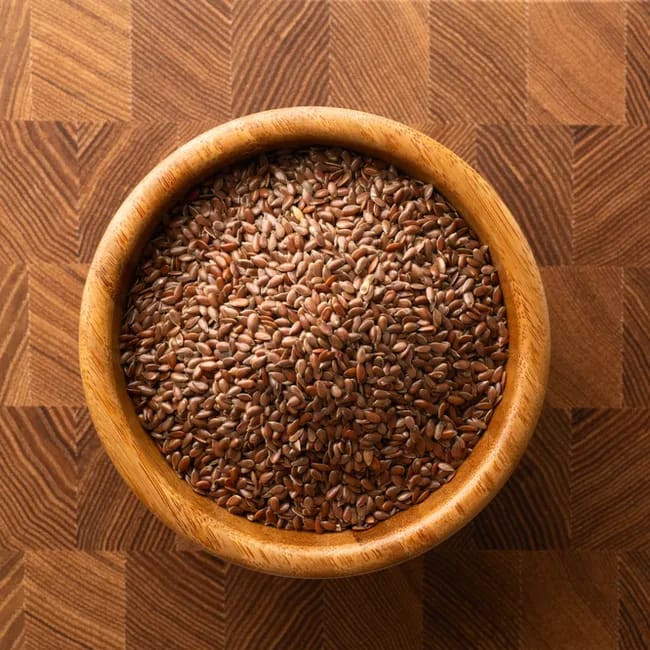
The seed itself is small, angular and matte black, about 2–3 mm long, with a slightly rough surface. When you bite it, the flavour is warm, peppery and faintly bitter, with notes of oregano, onion and black pepper. It is aromatic when tempered in hot oil, and it keeps its crunch in breads and pickles. That combination — aroma, bite and visual contrast — is why it is valued far beyond India.
For exporters, getting the name right matters. An international buyer searching for "nigella seeds" will not find a listing headed only "mangrail" unless the listing also uses the English name, the botanical name and the trade name kalonji. Good listings therefore carry all of them: mangrail, mangrela, nigella seeds, kalonji, Nigella sativa.
Culinary Uses in Indian Cooking
In Indian cooking, mangrail is a tempering and topping spice rather than a main ingredient. A pinch goes a long way, and it is rarely ground in large quantities because its volatile oils fade quickly once ground.
In north Indian kitchens it is tempered in ghee or oil at the start of a dish, often with cumin and mustard seeds, to flavour dals, sabzis and pickles. It is a classic ingredient in mango pickle and mixed vegetable pickle, where its peppery bite balances sourness and its antimicrobial reputation was traditionally valued for preservation. It is sprinkled over naan, kulcha and other tandoor breads before baking, giving them their characteristic black-speckled top. It appears in Bengali panch phoron, the five-spice blend, alongside fenugreek, mustard, cumin and fennel. It is also used in samosa and kachori fillings, in some biryani masalas, and as a garnish for raita and chaat.
The rule for cooks is to use it sparingly: roughly a quarter to half a teaspoon for a dish serving four people is usually enough. Too much makes a dish bitter. Toasting it lightly in oil releases its aroma; adding it too early to a long-simmering curry can mute it.
Culinary Uses in International Cooking
Outside India, nigella seed is a familiar ingredient in Middle Eastern, Turkish, North African and European baking. In Turkey it is called çörek otu and is sprinkled on pide, simit and other breads. In the Middle East it tops flatbreads and is mixed into cheese, especially in Lebanese and Syrian cooking. In Egypt and North Africa it flavours breads and savoury pastries. In parts of Europe it is used in rye breads, crackers and cheese, and in some regions it is a substitute for black pepper in pickling.
It is also used whole in spice blends, in salads for texture, and in oil form as a finishing oil. Cold-pressed nigella seed oil, dark and strongly flavoured, is sold in health-food shops and is used in small quantities in dressings and dips. For an exporter, this breadth matters: the same seed can be sold to a spice wholesaler in Dubai, a bakery supplier in Istanbul, a health-food distributor in Germany and a pickle manufacturer in the United States, each with different pack sizes and specifications.
Health Benefits and Traditional Uses
Nigella seed has a long history in Ayurvedic, Unani and traditional Middle Eastern medicine, where it was valued as a digestive aid, a remedy for coughs and colds, and a general tonic. Modern research has focused on thymoquinone, its best-known active compound, and on its antioxidant and anti-inflammatory properties. Studies have explored its potential role in supporting digestion, blood-sugar balance, cholesterol levels and immune health, but results vary and the seed is not a medicine.
For a responsible exporter or retailer, the safe way to describe it is this: nigella seed is a nutrient-dense culinary spice, rich in fibre, healthy fats, protein, iron, calcium and antioxidants, traditionally used to support digestion and general wellbeing. Avoid making disease-treatment claims on packaging or in listings, because food regulators in the European Union, the United States and the Gulf states treat such claims strictly. Buyers in the health-food segment will ask for laboratory reports, not for medical claims, so keep the language factual and let the certificates do the talking.
Practical advice for consumers is simple. Use the whole seed in cooking, store it in an airtight container away from light, and buy small quantities frequently rather than in bulk for home use. Pregnant women and people taking medication should check with a doctor before taking nigella seed oil or supplements, as concentrated extracts are much stronger than the culinary seed.
Export Markets, HS Code and Quality Specifications
India is one of the main producers and exporters of nigella seeds, alongside Turkey, Egypt, Syria and Ethiopia. Indian nigella is traded both as whole seed for culinary use and as seed for oil extraction. Major destination markets include the United States, the United Arab Emirates, Saudi Arabia, Turkey, Germany, the United Kingdom, Bangladesh, Vietnam and Malaysia. Demand is steady rather than seasonal, because the seed is used year-round in baking and spice blending, although orders often rise before Ramadan and before the winter baking season in Europe.
The HS code most commonly used for nigella seeds is 0910.99 — other spices, under heading 0910 — although some shipments are classified under 0910.91 or 1207 depending on the importing country's practice and whether the seed is for sowing or for consumption. Exporters should confirm the code with their customs house agent and the buyer's customs broker before shipping, because a wrong code can delay clearance.
Quality specifications that international buyers look for include:
- Purity: 99% or higher, with minimal foreign matter, stones or other seeds.
- Moisture: typically 8–10% maximum; lower moisture protects against mould in transit.
- Admixture: low levels of other seeds, especially fennel or cumin, which are common adulterants.
- Aflatoxin and pesticide residues: within the limits of the destination market, with laboratory reports from an accredited lab.
- Volatile oil content: buyers for oil extraction ask for this; culinary buyers focus more on aroma and appearance.
- Packing: 25 kg or 50 kg polypropylene bags, or smaller retail packs of 100 g to 1 kg for distributors, with proper labelling and lot numbers.
- Certification: phytosanitary certificate, certificate of origin, and, where required, organic, FSSAI and APEDA registration documents.
Machine-cleaned, sortex-cleaned seed commands a better price than farm-grade material. Exporters who can offer consistent size, colour and purity — shipment after shipment — win repeat orders, because a bakery or spice blender cannot afford variation in its recipe.
How Exporters Find International Buyers for Nigella Seeds
Finding buyers is often harder than finding supply. The most reliable route is to be visible where importers actually search. List nigella seeds on B2B marketplaces and in a buyer directory with the English name, botanical name, HS code, specifications, packing options, minimum order quantity and the port of loading. Use clear photographs of the actual lot, not stock images, and state the price basis — FOB, CIF or ex-works — so a buyer can compare offers quickly.
Trade fairs and buyer-seller meets remain useful, especially Gulfood in Dubai, Anuga in Germany and the India International Trade Fair, but they are expensive, so combine them with online outreach. Respond to buy requirements and requests for quotation the same day, with a complete quotation, a specification sheet and a sample offer. A buyer who waits three days for a reply has usually already ordered from someone else.
Exporters can also find international buyers through the TodayAdviser buyer directory and by posting their offer as a requirement, so importers searching for nigella seeds can find it. Post a requirement (RFQ) on TodayAdviser with your specification, quantity and target price, and respond promptly when an export buyer or export lead comes in. Building a profile that shows your company, your products, your certifications and your past shipments gives a new buyer the confidence to place a trial order, which is how most long-term relationships in the spice trade begin.
Frequently Asked Questions
What is mangrail in English?
Mangrail, also written mangrela, is nigella seed in English — the seed of Nigella sativa, also called kalonji or black seed.
Is mangrail the same as kalonji?
Yes. Mangrail, mangrela and kalonji are different regional names for the same seed, Nigella sativa.
Is nigella seed the same as black cumin?
It is often called black cumin in trade, but it is not true cumin. Its botanical name is Nigella sativa, while true cumin is Cuminum cyminum.
What is the HS code for nigella seeds?
Nigella seeds are most commonly exported under HS code 0910.99. Confirm the code with your customs agent, as classification can vary by country.
How do I find export buyers for nigella seeds?
List your product with full specifications on B2B platforms and in the TodayAdviser buyer directory, respond to buy requirements and RFQs quickly, offer samples, and share laboratory reports with serious buyers.
Which countries buy Indian nigella seeds?
Major buyers include the United States, the UAE, Saudi Arabia, Turkey, Germany, the United Kingdom, Bangladesh and Malaysia.
How should nigella seeds be stored?
Store whole seeds in a cool, dry place in an airtight container, away from direct light. Properly stored, they keep their aroma for many months.