Exporting to Germany from India: Buyers, Regulations, Payments & Logistics Guide
Germany is Europe's largest economy and a demanding, high-value market for Indian exporters. German buyers prize precision, documentation and reliability, and they expect suppliers to understand EU and German rules in detail. This guide explains what Germany buys from India, which regulations apply by category, how payments are normally handled, how the logistics lane works, and how to find buyers.
All rates and transit times in this guide are indicative only. Verify live details with your freight forwarder, customs broker and buyer before you quote or ship.
1. What Germany buys from India
India's exports to Germany include textiles and apparel, including garments, home textiles and carpets, as well as chemicals and pharmaceuticals, machinery and engineering goods, and auto components. Gems and jewellery, leather goods and footwear, and food products such as spices, tea, processed foods and marine products also feature.
Germany's import profile is broad because its buyers range from large retailers and distributors to specialist manufacturers who source components and raw materials. A supplier of automotive parts, for example, will face very different quality and documentation expectations from a supplier of home textiles or spices.
Start with a narrow, well-defined product. German buyers often audit suppliers, ask for detailed specifications and test reports, and place trial orders before committing to volume. A focused offer with proven quality is more credible than a wide, general catalogue.
2. Key regulations and certifications for Indian exporters
Regulation in Germany is largely EU regulation, applied with German enforcement and, in some areas, additional national requirements. For many manufactured products, CE marking is central: it indicates conformity with applicable EU directives or regulations, and it only applies where a CE regime exists for that product category. Do not apply a CE mark, or claim CE compliance, for a product outside those regimes, and confirm which directives apply to your exact product.
For chemicals, EU REACH is key. It places registration and information duties on EU importers for chemical substances, so your German buyer may need detailed substance, safety and composition information from you. For food, EU food safety and labelling rules apply, including ingredient, allergen, net quantity, origin and date-marking requirements, with German-language labelling normally needed for products sold to German consumers.
Packaging is a distinct German requirement. Under the German Packaging Act (VerpackG), companies that place sales packaging filled with goods on the German market generally must register with the packaging register (LUCID) and participate in a dual system for packaging recovery, depending on their role. Your German importer will often handle this, but clarify who is responsible for packaging registration and costs before you agree terms. Textiles must meet fibre-content labelling rules, and electrical and electronic products face their own safety, electromagnetic compatibility and waste (WEEE) considerations.
Confirm, with your German buyer and a customs or compliance adviser, which marks, registrations and documents apply to your product. Build testing and certification time into your quotation.
3. Payment norms and risk
For new German relationships, a confirmed, irrevocable letter of credit (LC) is commonly used for larger orders, while advance payments and documentary collections are also used for first orders. Established relationships often move to open account terms, with payment after an agreed period following shipment or receipt of documents.
Open account terms should only be offered after credit checks and successful smaller orders, because they leave the exporter exposed to delay or default. Agree the currency, payment date, Incoterms, inspection and claims process in writing before production. The euro is the usual currency for German trade, and Indian exporters should plan for rupee-euro movement between quotation and payment, discussing hedging with their bank where exposure is material.
Export credit insurance, for example through ECGC, can help manage buyer risk. As with other markets, present LC documents exactly as required to avoid payment delays.
4. Logistics lane: ports, routes and indicative transit
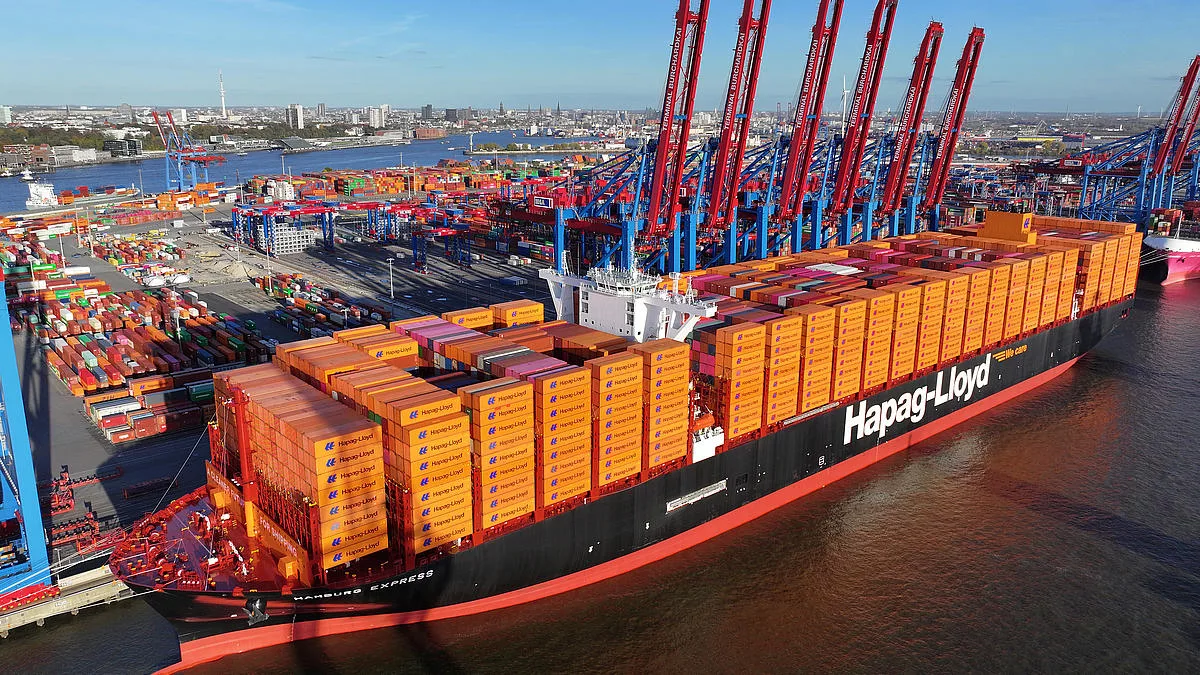
Sea freight from India to Germany commonly moves from Nhava Sheva (JNPT), Mundra and other Indian ports to Hamburg, Germany's largest container port, and to Bremerhaven, depending on carrier service and the buyer's location. Hamburg serves northern Germany and onward distribution across central Europe, while Bremerhaven serves a similar northern catchment with its own carrier services.
Transit times are indicative only and vary by carrier, direct versus transshipment service, port congestion and season. Compare total landed cost, including inland transport from the German port to the buyer's warehouse, rather than ocean freight alone. Air freight via major Indian airports to Frankfurt and other German hubs is suitable for samples, high-value goods and urgent replenishment, but it is more expensive per kilogram than sea freight.
Always obtain a live freight quote, confirm sailing schedules, free time and demurrage terms, and allow a buffer before promising a delivery date. For food and temperature-sensitive goods, agree cold-chain and packaging requirements in advance.
5. Business-culture tips for working with German buyers
German business culture values punctuality, precision and thorough preparation. Buyers expect detailed, accurate information: specifications, tolerances, materials, test results and delivery schedules, presented clearly and without exaggeration. Meetings tend to be structured and decision-oriented, and follow-up in writing is important.
Be on time for calls and deliveries, and if a delay is unavoidable, inform the buyer early with a revised date and a clear reason. German buyers also value long-term reliability over short-term price cuts: a supplier who delivers consistently to specification is more likely to win repeat orders than one who offers the lowest price once.
Use precise language in quotations and technical documents, and avoid vague claims about quality or certification. If you hold a certification, state exactly what it covers; if you do not, do not imply that you do. Transparency builds credibility in this market.
6. Buyer-finding playbook
Start with a complete supplier profile: clear photographs, detailed specifications, certifications you actually hold, capacity and export experience. German buyers filter out vague listings quickly and often conduct due diligence before first contact.
Trade fairs in Germany are among the most effective buyer-finding routes, with major sector fairs for food, textiles, engineering, consumer goods and other categories attracting importers and distributors from across Europe. B2B directories help buyers discover you between fairs. On TodayAdviser, use the directory to present your company and products clearly, and use buy-leads to find active requirements that match your category. Respond only to requirements you can fulfil, ask about specifications, certifications, packaging and delivery location, and follow up with a tailored quotation.
Direct outreach should be targeted and well researched: study what a German importer or distributor already sells, then send a concise introduction explaining how your product fits their range and which standards you meet. Avoid unverified buyer lists and never claim buyers, orders or reviews you do not have. One credible German distributor can open distribution across the wider EU market.
Frequently asked questions
Does every product need CE marking for Germany?
No. CE marking applies only where an EU regime requires it for that product category. Confirm which directives, if any, apply to your exact product before claiming CE compliance.
What is VerpackG and who must register?
The German Packaging Act generally requires companies placing sales packaging on the German market to register with LUCID and participate in a dual system. Clarify with your German importer who is responsible for registration and costs.
Does EU REACH affect my exports?
For chemical substances, EU REACH places duties on EU importers, who may need detailed information from you. Confirm the duties for your product with your buyer before shipping.
Should I use an LC for a new German buyer?
An LC or advance payment is prudent for a new or large order. Open account terms suit established, credit-checked relationships.
Which port should I use — Hamburg or Bremerhaven?
Choose based on carrier service, your buyer's location and total landed cost. Compare both options with your forwarder for your specific cargo.
Should I verify rates and transit before quoting?
Yes. Always verify live freight, duty and delivery details before confirming a price or delivery date.