A complete B2B guide for Indian exporters targeting the UK market, covering top import categories, UKCA regulations, secure payment norms, and logistics.
Exporting to the UK from India: Buyers, Regulations, Payments & Logistics Guide
The United Kingdom is a long-established market for Indian exporters, with strong demand across textiles, food, pharmaceuticals and engineering goods. Post-Brexit, the UK has its own regulatory and customs system, so exporters need to understand UK-specific rules rather than assuming EU rules still apply. This guide explains what the UK buys from India, which regulations apply by category, how payments are normally handled, how the logistics lane works, and how to find buyers.
All rates and transit times in this guide are indicative only. Verify live details with your freight forwarder, customs broker and buyer before you quote or ship.
1. What the UK buys from India
India's exports to the UK include textiles and apparel, including garments, home textiles and carpets, which remain a core strength. Pharmaceuticals and generic medicines are another major category, alongside chemicals, engineering goods, machinery and auto components, and gems and jewellery.
Food and agricultural products are also important, including rice, spices, tea, processed foods and marine products such as shrimp. Leather goods, footwear, handicrafts and furniture add further breadth, especially for smaller exporters and artisan-led businesses.
The UK market includes large retailers, supermarkets, distributors, wholesalers and specialist importers. Each channel has different requirements on quality, labelling, packaging and order size. Identify your exact buyer type and product variant before investing in samples, because a product that suits a specialist ethnic-food wholesaler may not suit a high-street retailer.
2. Key regulations and certifications for Indian exporters
UK regulation is category-specific. For many manufactured goods that previously used the CE mark, the UK Conformity Assessed (UKCA) mark now applies in Great Britain, subject to the specific product rules and any transitional arrangements for your category. Confirm whether UKCA applies to your exact product, and whether a UK-based responsible person or importer is needed, before shipping.
For chemicals, UK REACH is the relevant framework. It places registration and information duties on UK importers for chemical substances, which means your UK buyer may need detailed substance information from you. Do not assume EU REACH registration covers the UK.
For food, the Food Standards Agency framework and UK food labelling rules apply. Labels generally need to be in English and include product identity, ingredients, allergen information, net quantity, origin and date marking where required. Animal and plant products may also face import controls and health certification. Textiles must meet fibre-content labelling rules, and consumer products must meet UK product safety requirements, with children's products subject to additional safety and testing expectations.
Ask your UK importer or customs broker, early in the process, which marks, registrations and documents apply to your product. Build testing, labelling and certification time into your lead time and quotation.
3. Payment norms and risk
For new UK buyers, a confirmed, irrevocable letter of credit (LC) is a prudent choice, particularly for larger orders. Documentary collections and advance payments are also common for first orders. As a relationship develops, many exporters move to open account terms, where the buyer pays after an agreed period following shipment or receipt of documents.
Open account terms are convenient but carry buyer risk, so use them only after credit checks and successful smaller orders. Agree the currency, payment date, Incoterms, inspection and claims process in writing before production. Sterling is the usual UK currency, but many India-UK trades are invoiced in sterling or US dollars; plan for exchange-rate movement between quotation and payment, and discuss hedging with your bank where exposure is material.
Export credit insurance, for example through ECGC, can help manage buyer risk. Present LC documents exactly as required to avoid delays in payment.
4. Logistics lane: ports, routes and indicative transit
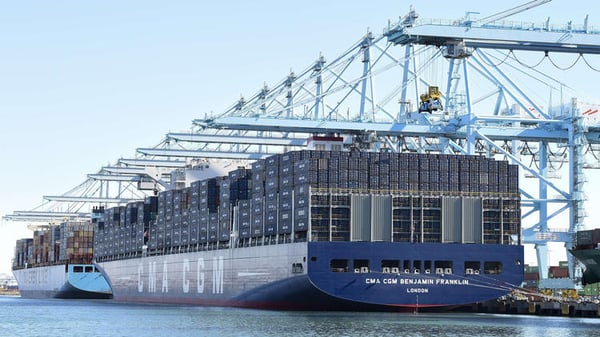
Sea freight from India to the UK commonly moves from Nhava Sheva (JNPT), Mundra and other Indian ports to Felixstowe, London Gateway and Southampton, depending on the buyer's location, the carrier service and inland delivery needs. Felixstowe serves much of the container trade, London Gateway serves the London and south-east region, and Southampton serves southern and western distribution.
Transit times are indicative only and vary by carrier, direct versus transshipment service, port congestion and season. Compare total landed cost, including inland transport from the UK port to the buyer's warehouse, rather than ocean freight alone. Air freight via major Indian airports to London and other UK hubs is suitable for samples, high-value goods and urgent replenishment, but it is more expensive per kilogram than sea freight.
Always obtain a live freight quote, confirm sailing schedules, free time and demurrage terms, and allow a buffer before promising a delivery date. For food and perishables, agree cold-chain and packaging requirements in advance.
5. Business-culture tips for working with UK buyers
UK business culture tends to be polite, punctual and contract-oriented. Buyers value clear, concise communication: product, specification, price, minimum order quantity, lead time and certifications, presented without exaggeration. Avoid over-promising on capacity or delivery dates.
Punctuality for calls and deliveries matters, and understatement is often more persuasive than bold claims. If a sample or shipment will be late, tell the buyer early with a revised date. Keep written records of specifications, approvals and test reports, and treat the purchase order as the agreed standard. Consistency between the approved sample and bulk production is essential for repeat orders.
UK buyers also expect professional after-sales handling: respond promptly to quality queries, and have a clear process for claims or replacements. A calm, reliable approach builds long-term relationships.
6. Buyer-finding playbook
Start with a complete supplier profile: clear photographs, honest specifications, certifications you actually hold, capacity and export experience. UK retailers and distributors filter out vague listings quickly.
Trade shows in the UK, including sector shows for food, textiles, homeware and engineering, are valuable for meeting importers and retailers face to face with samples and price lists. B2B directories help buyers discover you between shows. On TodayAdviser, use the directory to present your company and products clearly, and use buy-leads to find active requirements that match your category. Respond only to requirements you can fulfil, ask about specification, quantity, labelling and delivery location, and follow up with a tailored quotation.
Direct outreach should be targeted: study what a buyer already sells, then send a short introduction explaining how your product fits their range. Avoid unverified buyer lists and never claim buyers, orders or reviews you do not have. One well-qualified UK distributor or retailer relationship can sustain regular orders for years.
Frequently asked questions
Is UKCA marking required for all manufactured goods?
No. UKCA applies to certain goods previously requiring CE marking in Great Britain, depending on the category and product rules. Confirm whether it applies to your exact product with your UK importer.
Does EU REACH cover exports to the UK?
No. The UK has its own UK REACH framework, and your UK importer may need substance information from you. Confirm registration duties for your chemical product before shipping.
Should I use an LC for a new UK buyer?
An LC or advance payment is prudent for a new or large order. Open account terms suit established, credit-checked relationships.
Which UK port should I use?
Choose based on your buyer's distribution point and total landed cost. Felixstowe, London Gateway and Southampton each serve different regions, so compare inland transport as well as ocean freight.
Do food labels need to be in English?
Generally yes, with ingredients, allergen information, net quantity, origin and date marking where required. Confirm the exact format with your UK importer.
Should I verify rates and transit before quoting?
Yes. Always verify live freight, duty, VAT and delivery details before confirming a price or delivery date.