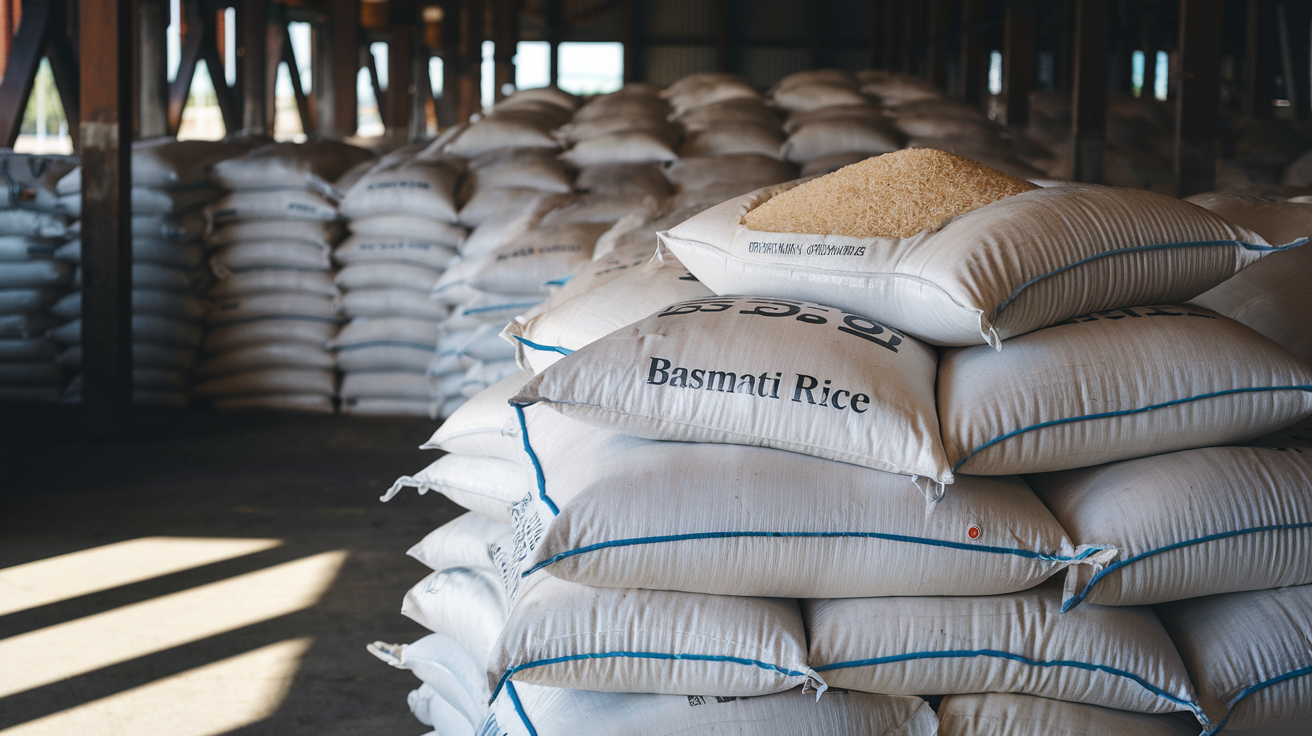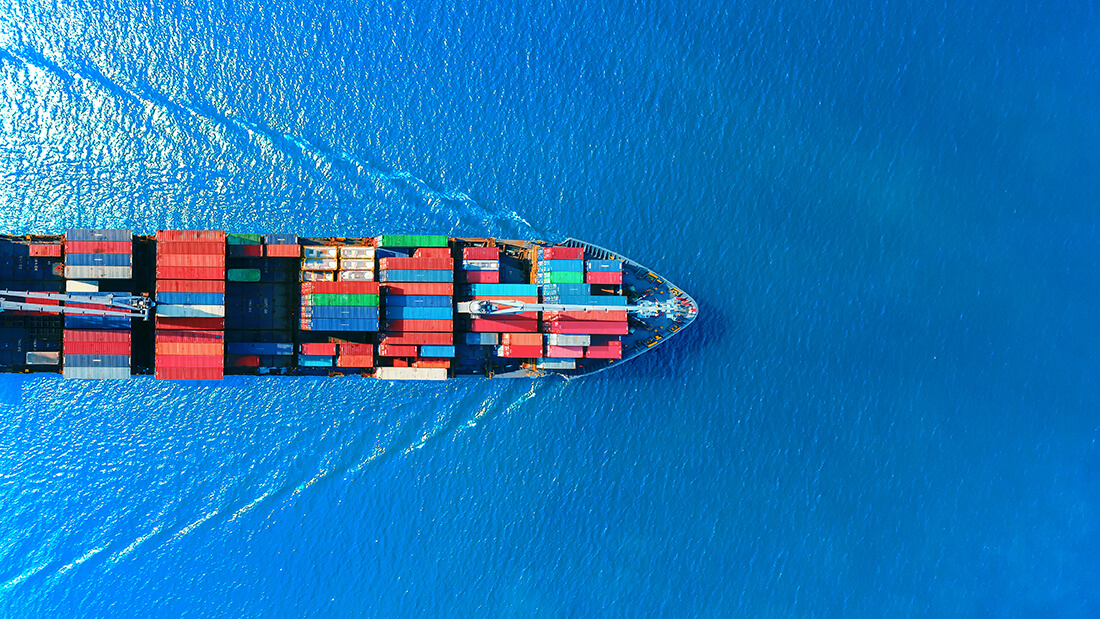
Mastering global trade terms is essential for modern businesses. When you need incoterms fob cif exw explained, understanding cost allocation, risk transfer, and operational duties prevents costly disputes.
International trade relies on a universal language of shipping terms known as Incoterms, established by the International Chamber of Commerce (ICC). For global buyers and exporters navigating cross-border transactions on platforms like Today Adviser, choosing the right rule can make the difference between a profitable shipment and a financial disaster.
Navigating global supply chains requires absolute clarity on who pays for what, who carries the risk of loss or damage, and who handles customs clearance. This comprehensive guide breaks down all 11 Incoterms 2020 rules, provides a deep-dive comparison of FOB, CIF, and EXW, and offers actionable advice for B2B exporters.
Understanding Incoterms 2020: The Foundation for Exporters
Incoterms (International Commercial Terms) define the responsibilities of buyers and sellers in international trade. Updated by the ICC in 2020, these rules determine three critical elements of any commercial contract: cost, risk, and compliance.
The Golden Rule of Incoterms
It is a common misconception that Incoterms dictate the transfer of ownership or title of goods. They do not. Instead, they explicitly dictate:
- Where the risk of loss or damage transfers from the exporter to the buyer.
- Which party is responsible for transportation costs (freight, carriage, etc.).
- Who handles export and import customs clearance, security requirements, and regulatory compliance.
- Who is obligated to purchase marine or transit cargo insurance.
Overview of All 11 Incoterms 2020 Rules
The 11 Incoterms are divided into two distinct categories based on mode of transport: rules for any mode or modes of transport, and rules for sea and inland waterway transport.
Rules for Any Mode or Modes of Transport
- EXW (Ex Works): The seller makes goods available at their premises. The buyer bears all risks and costs from that point forward.
- FCA (Free Carrier): The seller delivers goods to a carrier nominated by the buyer at the seller's premises or another named place. Risk transfers upon delivery to the carrier.
- CPT (Carriage Paid To): The seller pays for the carriage of goods to the named destination. Risk transfers when goods are handed to the first carrier.
- CIP (Carriage and Insurance Paid To): Similar to CPT, but the seller must also obtain comprehensive cargo insurance in addition to paying for carriage.
- DAP (Delivered at Place): The seller delivers when the goods are placed at the disposal of the buyer on the arriving means of transport ready for unloading at the named destination. Risk and cost merge at destination.
- DPU (Delivered at Place Unloaded): Replacing DAT in Incoterms 2010, the seller delivers when the goods are unloaded at the named destination. The only rule where the seller unloads the goods.
- DDP (Delivered Duty Paid): The seller bears all costs and risks involved in bringing the goods to the destination, including clearing them for import.
Rules for Sea and Inland Waterway Transport
- FAS (Free Alongside Ship): The seller delivers when the goods are placed alongside the vessel (e.g., on a quay) nominated by the buyer at the named port of shipment.
- FOB (Free On Board): The seller delivers the goods on board the vessel nominated by the buyer at the named port of shipment. Risk transfers once goods are loaded.
- CIF (Cost, Insurance, and Freight): The seller pays for the transport and minimum insurance to the named port of destination, but risk transfers once goods are loaded on the vessel.
- CFR (Cost and Freight): Similar to CIF, but the seller has no obligation to purchase cargo insurance; the buyer assumes the insurance risk.
Deep-Dive: FOB vs CIF vs EXW Explained
To help exporters and buyers make informed decisions, let us examine the three most commonly utilized trade terms: EXW, FOB, and CIF.
EXW (Ex Works): Maximum Control for Buyers, Minimum Effort for Sellers
Under EXW, the seller simply packs the goods and makes them available at their warehouse, factory, or designated facility. The buyer is responsible for everything else: local pickup, export clearance, main carriage, import duties, and final delivery.
- When it works: Best when the buyer has an established global logistics network and wants total control over freight consolidations.
- The trap for exporters: While it sounds risk-free, exporters often struggle with export documentation compliance. If an exporter fails to secure proof of export under EXW, they may face local tax liabilities (such as VAT reclamation issues).
FOB (Free On Board): The Standard for Container and Bulk Shipping
FOB requires the seller to handle local export clearance and deliver the cargo safely on board the vessel at the named port of origin. Once the cargo crosses the ship's rail and is loaded, the risk transfers entirely to the buyer.
- When it works: Highly popular in maritime trade. It offers a fair division of labor where the exporter handles local origin logistics they understand best, while the buyer utilizes their preferred shipping lines for international freight.
- The trap for exporters: Misunderstanding local port handling charges (terminal handling charges or THC) and demurrage risks prior to vessel loading.
CIF (Cost, Insurance, and Freight): Convenience for the Buyer
CIF is identical to FOB regarding the point of risk transfer (on board the vessel at origin), but the seller must contract and pay for the international freight and minimum cargo insurance to the destination port.
- When it works: Often requested by international buyers who do not want to deal with freight forwarders or marine insurance procurement in foreign markets.
- The trap for exporters: Exporters face unpredictable freight rate volatility and must cover insurance claims administration if cargo is damaged or lost in transit.
Cost and Responsibility Comparison Table
| Incoterm | Export Customs Clearance | Origin Terminal & Loading | Main Carriage / Freight | Marine Insurance | Import Clearance & Duties | Risk Transfer Point |
|---|---|---|---|---|---|---|
| EXW | Buyer | Buyer | Buyer | Buyer | Buyer | Seller's Premises |
| FOB | Seller | Seller | Buyer | Buyer | Buyer | On Board Vessel at Origin |
| CIF | Seller | Seller | Seller | Seller (Minimum) | Buyer | On Board Vessel at Origin |
Strategic Selection: Which Incoterm Should You Choose?
Choosing the right Incoterm requires analyzing your operational capabilities, your profit margins, and your relationship with your trading partner.
When Exporters Should Choose EXW
- You are a small enterprise with no export logistics department and zero appetite for handling international freight documentation.
- Your buyer insists on using their consolidated shipping container routes to lower their landed costs.
When Exporters Should Choose FOB
- You have strong relationships with local freight forwarders and drayage companies near your export port.
- You want to maintain quality control over export packing and documentation compliance to secure local tax rebates or grants.
When Exporters Should Choose CIF
- You are selling high-value goods and want to offer an all-inclusive pricing model to attract buyers who lack logistics expertise.
- You have volume contracts with container lines that allow you to secure competitive freight rates, turning logistics into a secondary revenue or margin center.
Practical Compliance, Documentation, and Risk Mitigation
Navigating Incoterms successfully goes beyond the sales contract. Exporters must implement robust internal checklists to ensure compliance.
Essential Checklist for Exporters
- Explicit Contractual Notation: Always specify the exact version and location in your sales contract (e.g., "FOB Port of Shanghai, Incoterms 2020").
- Verify Insurance Coverage: If using CIF or CIP, understand that the rules specify minimum coverage (Institute Cargo Clauses C). Ensure your buyer is aware if they need broader protection (Clauses A).
- Secure Proof of Delivery: Even under EXW, retain copies of export declarations and bills of lading to prove to tax authorities that goods left the country.
- Monitor Freight Volatility: If quoting CIF over long periods, build buffer margins into your product pricing to absorb unexpected bunker adjustment factors (BAF) or port congestion surcharges.
Frequently Asked Questions
Do Incoterms determine when ownership of goods transfers from seller to buyer?
No. Incoterms exclusively govern the division of costs, risks, and transport responsibilities between buyer and seller. Title or ownership transfer must be explicitly addressed in the commercial sales contract or via separate legal agreements.
Can EXW be used effectively for international air and ocean shipping?
While legally permissible, EXW is generally discouraged for international trade because the exporter remains legally liable for export clearance in many jurisdictions while having no control over the actual export process or transport documentation.
What is the primary difference between FOB and CIF for an exporter?
The primary difference lies in who pays for international freight and cargo insurance. Under FOB, the buyer pays for freight and insurance after loading. Under CIF, the seller pays for the freight and minimum insurance to the destination port.
Who is responsible for paying import duties under FOB and CIF?
Under both FOB and CIF, the buyer is entirely responsible for import customs clearance, local port destination charges, import tariffs, and value-added taxes at the destination country.
Why did the ICC introduce DPU in Incoterms 2020?
DPU (Delivered at Place Unloaded) replaced DAT (Delivered at Terminal) in Incoterms 2020 to provide greater flexibility regarding the delivery location. DPU allows the delivery point to be any named place, not just a transport terminal.
What level of cargo insurance is required under CIF and CIP rules?
CIF requires the seller to obtain minimum cargo insurance coverage, typically aligned with Institute Cargo Clauses (C), which cover specific named perils. CIP requires a higher level of comprehensive insurance, typically aligned with Institute Cargo Clauses (A).
How do I resolve a dispute when cargo is damaged during transit?
Review the designated Incoterm rule in your contract to determine who bore the risk at the exact moment of damage. If risk had transferred to the buyer, the buyer must file a claim with their insurer or pursue recovery from the carrier.
Conclusion
Selecting the correct Incoterm is a strategic business decision that directly impacts your profit margins, operational workload, and legal exposure. Whether you choose EXW for simplicity, FOB for balanced control, or CIF for buyer convenience, clarity is your best defense against supply chain friction.
Ready to scale your global trade operations? Post your product requirements or connect with verified global suppliers, exporters, and logistics partners today on Today Adviser to streamline your next shipment.