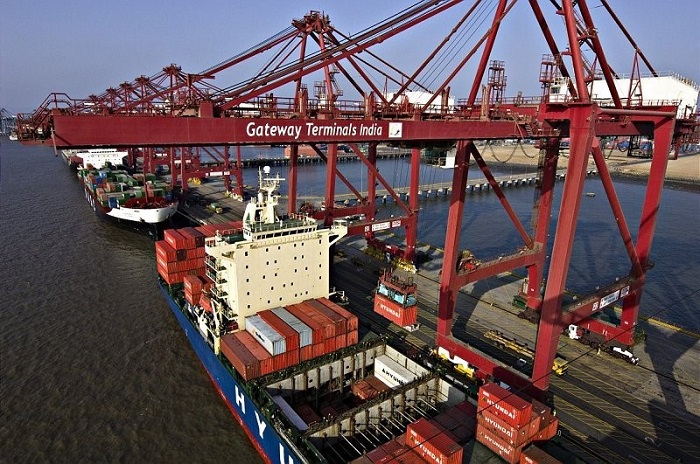

Navigating international trade requires mastering logistics. Knowing how to choose freight forwarder CHA India is vital for streamlining supply chains, minimizing delays, and protecting your profit margins when moving goods globally from the subcontinent.
Selecting the right logistics partner is often the single most critical decision an Indian exporter or global B2B buyer can make. A misstep can result in stalled cargo, unexpected demurrage charges, and severe compliance penalties.
This practical guide breaks down the essential vetting process, licensing requirements, and operational red flags to watch out for when partnering with Indian freight forwarders and Customs House Agents (CHAs).
Understanding the Basics: Freight Forwarder vs. CHA
Before you begin vetting providers, it is crucial to understand the distinct roles played by a freight forwarder and a Customs House Agent (CHA) in India. While many modern logistics companies offer integrated services, their core functions and regulatory oversight differ significantly.
What is a Freight Forwarder?
A freight forwarder acts as the architect of your transport strategy. They do not typically move the cargo themselves; instead, they act as experts in organizing storage and shipping solutions on behalf of shippers.
Key responsibilities include:
- Negotiating rates with ocean liners, airlines, and trucking companies.
- Booking cargo space and managing multi-modal transport.
- Issuing transport documents like House Bills of Lading (HBL) or House Air Waybills (HAWB).
- Managing warehousing, inventory management, and packaging optimization.
- Coordinating global door-to-door delivery through overseas agent networks.
What is a CHA (Customs House Agent)?
A CHA is a licensed professional authorized to handle customs clearance procedures for import and export cargo at Indian ports, airports, and Inland Container Depots (ICDs).
Key responsibilities include:
- Filing shipping bills for exports and bills of entry for imports on the ICEGATE portal.
- Ensuring proper classification of goods under the Harmonized System (HS) code.
- Calculating and paying applicable duties, taxes, and cess.
- Interacting with customs officials during physical or documentary inspections.
- Managing export incentives like Remission of Duties and Taxes on Exported Products (RoDTEP) or Duty Drawback.
Integrated Providers vs. Specialists
Many Indian logistics firms hold both forwarder credentials and a Custom Broker license (formerly CHA license). Using an integrated provider simplifies communication, as you deal with a single point of contact for both physical transit and regulatory clearance. However, verify that the firm has dedicated specialists for both functions rather than treating customs clearance as an afterthought.
Essential Licences and Registrations to Verify
Regulatory compliance in Indian logistics is strictly enforced. Never partner with an agency without independently verifying their statutory credentials through official government and industry portals.
1. Customs Broker License (Formally CHA License)
Under the Customs Brokers Licensing Regulations (CBLR), a valid license is mandatory for any entity filing customs documentation in India.
- What to check: Ensure the license is active and issued by the Commissioner of Customs for the specific port or jurisdiction where your cargo clears.
- Verification tip: Ask for a copy of Form CB-2 or check the authorized customs broker directory on the local custom house website.
2. IEC (Importer-Exporter Code) and GSTIN
Every legitimate logistics business operating in India must possess standard commercial registrations.
- GSTIN: Essential for issuing tax invoices with correct Input Tax Credit (ITC) pass-throughs.
- IEC: Issued by the Directorate General of Foreign Trade (DGFT), verifying their commercial standing.
3. IATA and FIATA Memberships
For international air and ocean freight, global industry accreditations provide a baseline of financial stability and operational standards.
- IATA (International Air Transport Association): Accredited agents have direct access to airline capacity and standardized billing via CASS.
- FIATA (International Federation of Freight Forwarders Associations): Indicates adherence to global standard trading conditions and ethical guidelines.
4. Multimodal Transport Operator (MTO) Licence
Issued by the Director General of Shipping (India), an MTO license allows forwarders to issue a single Multimodal Transport Bill of Lading (MTBL) for door-to-door movements involving multiple transport modes under a single document.
Quote Comparison Checklist: All-In Pricing vs. Exclusions
Evaluating freight quotes requires meticulous attention to detail. A low upfront quote frequently conceals hidden fees that materialize only after your cargo is en route.
| Cost Component | Typical Inclusions | Common Hidden Exclusions | How to Mitigate |
|---|---|---|---|
| Origin Charges | Pickup, loading, documentation | Detention, extra labor, specialized packing | Request fixed per-hour or per-pallet rates |
| Customs Clearance | Filing fee, basic documentation | Physical inspection charges, port scans, sample testing | Ask for a separate schedule of statutory fees |
| Ocean/Air Freight | Base freight rate (BAF/CAF included) | Peak Season Surcharges (PSS), Emergency Risk Surcharges | Demand rate validity dates and surcharge caps |
| Destination Charges | Handling, basic terminal fees | Demurrage, detention, storage, last-mile delivery | Get destination agent fee schedules upfront |
Key Questions for Your Quote Request
When soliciting pricing, provide a precise cargo profile including dimensions, weight, UN numbers for hazardous goods, and exact incoterms (FOB, CIF, EXW). Ensure your Request for Quote (RFQ) covers:
- Are origin terminal handling charges (OTHC) and destination terminal handling charges (DTHC) included?
- What is the policy for demurrage and detention at both origin and destination?
- Are export documentation fees (Bill of Lading, Certificate of Origin) itemized?
- Does the quote include transit insurance, or must it be procured separately?
Critical Service Questions to Ask Shortlisted Providers
Operational capabilities separate average forwarders from elite logistics partners. Probe potential partners on their technology stack, customs expertise, and global reach.
1. Tracking and Visibility
Real-time visibility prevents costly supply chain blind spots.
- Do they offer a proprietary digital portal with API integrations?
- Are milestone updates automated (e.g., gate-in, vessel departure, customs clearance, delivery)?
- Is there a dedicated account manager assigned to your shipments, or do you route through a generic call center?
2. Customs Proficiency and Compliance
Customs delays are the number one cause of shipping bottlenecks in India.
- How do they handle sudden tariff classifications or valuation queries from customs officers?
- What is their experience with your specific commodity (e.g., pharmaceuticals requiring cold chain, perishable agricultural goods, or heavy engineering machinery)?
- How quickly do they process export incentive documents like RoDTEP claims?
3. Destination Agent Network
Your forwarder is only as good as their destination partners.
- Do they use owned offices or independent agents at your destination port?
- What is their protocol when a shipment is delayed at the destination due to local customs holds?
- Can they provide local customs clearance and final delivery in the destination country without passing through multiple intermediaries?
Major Red Flags: When to Walk Away
Protect your business by watching out for classic warning signs that indicate operational instability or fraudulent intent.
- No Written or Itemized Quotes: If a provider relies on vague, verbal estimates or refuses to itemize local charges, avoid them.
- Cash-Only Demands or Personal Bank Accounts: Legitimate Indian businesses operate strictly via corporate bank accounts (NEFT/RTGS/SWIFT) and issue GST-compliant tax invoices. Never make payments to personal accounts.
- Inability to Provide Reference Clients: A reputable forwarder should readily share anonymized case studies or client references within your specific industry sector.
- Extremely Low Ball Rates: If a quote is 30% below market average, it often signals hidden surcharges, lack of carrier allocations, or deliberate under-quoting designed to trap your cargo later.
- Vague Licensing Claims: Evasion when asked for their Customs Broker License number or MTO registration details.
The Trial-Shipment Approach: Best Practice
Never commit your entire annual export volume to a new freight forwarder or CHA on day one. Mitigate risk through a structured trial period:
- Start Small: Allocate one or two non-urgent, regular shipments to the new provider.
- Audit Documentation: Closely examine the accuracy of their shipping bills, Bills of Lading, and final invoices.
- Assess Communication: Measure their responsiveness, problem-solving speed during minor hiccups, and proactive updates.
- Review Billing Transparency: Compare the final invoice line-by-line against the original quotation to check for discrepancies or unauthorized surcharges.
Only after a provider successfully navigates this trial phase should you negotiate long-term service level agreements (SLAs) or annual rate contracts (ARCs).
Frequently Asked Questions
What is the difference between a freight forwarder and a Custom Broker in India?
A freight forwarder manages the physical transit, carrier booking, and multi-modal logistics of your cargo globally. A Custom Broker (traditionally called a CHA) is legally licensed to file official customs declarations, pay duties, and manage regulatory clearance with Indian customs authorities.
Is it mandatory to use a licensed CHA for exports from India?
Yes. All export shipping bills filed on the ICEGATE electronic portal must be processed and authenticated by a Customs Broker holding a valid license issued under the Customs Brokers Licensing Regulations (CBLR) in India.
How can I verify if an Indian CHA license is genuine?
You can verify a Custom Broker's credentials by checking the authorized broker directory published on the official website of the specific Custom House (e.g., Nhava Sheva, Chennai, Mundra) or via the central ICEGATE portal.
What are typical hidden costs in Indian freight forwarding quotes?
Common hidden charges include origin/destination terminal handling charges, CFS (Container Freight Station) movement fees, container cleaning fees, detention charges, unexpected physical inspection fees, and documentation amendment charges.
What does an MTO license signify for an Indian forwarder?
A Multimodal Transport Operator (MTO) license, issued by the Directorate General of Shipping, authorizes a forwarder to issue a single negotiable transport document covering multiple modes of transport under their own liability.
How long does customs clearance typically take in major Indian ports?
Standard export customs clearance typically takes 24 to 48 hours if documentation is complete and no physical inspection is mandated. However, complex consignments or queries can extend this timeframe significantly.
How do I handle disputes over unexpected charges with my forwarder?
Refer back to your initial signed quotation and agreed-upon standard trading conditions. Always clarify local surcharges and destination terms in writing before dispatching cargo to prevent billing disputes.
Conclusion
Choosing the right freight forwarder and CHA in India requires thorough due diligence, verification of statutory licenses, and careful scrutiny of quotation line items. By enforcing strict vetting protocols, utilizing a trial-shipment approach, and partnering with verified professionals, you can safeguard your supply chain and optimize your export operations.
Ready to find trusted logistics partners? Post your specific export requirements or connect with verified suppliers, forwarders, and CHAs directly on Today Adviser to streamline your global trade operations today.