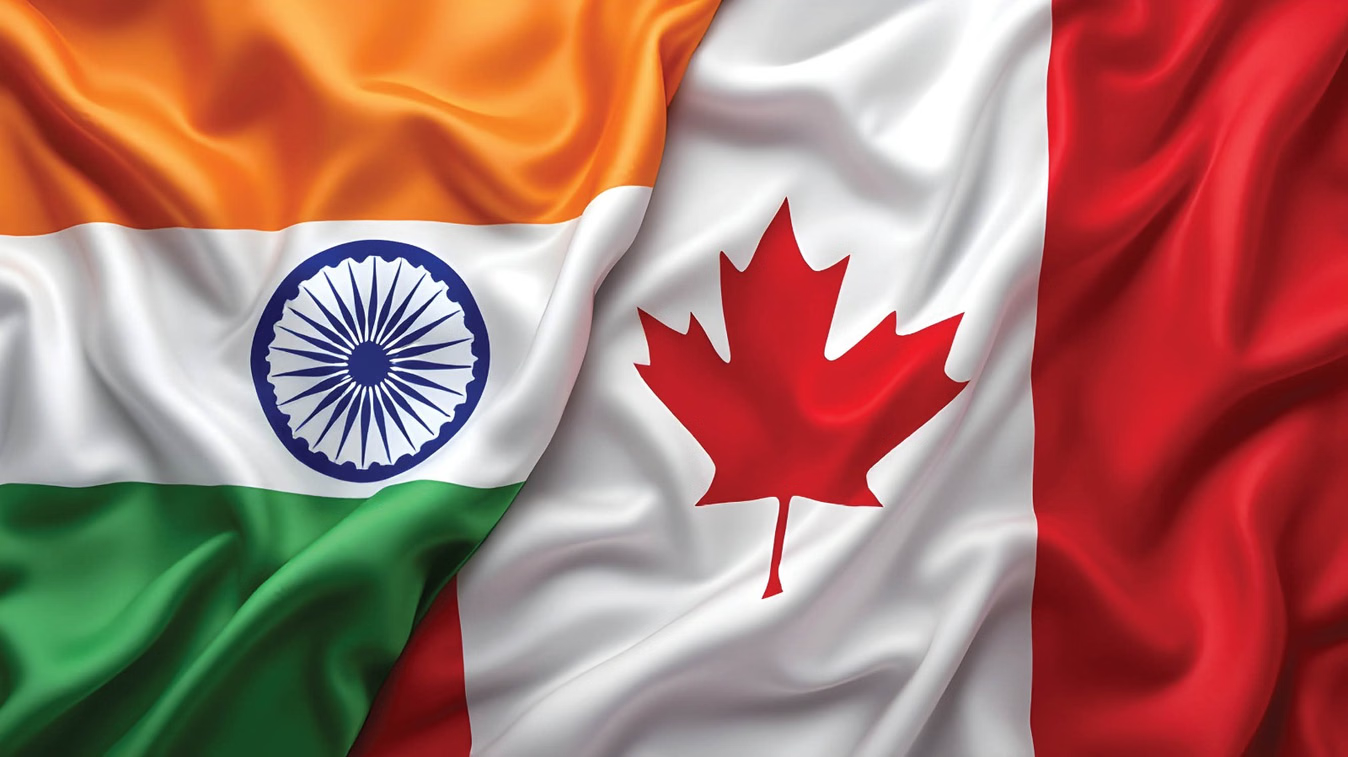
The fifth round of India–Canada CEPA negotiations concluded in Ottawa on 9 October 2026, with both sides targeting a deal by year-end. Here is a blunt, practical guide to what Indian SME exporters should do right now — while the talks are still ongoing.
The talks are real — and so is the deadline
The fifth round of India–Canada Comprehensive Economic Partnership Agreement (CEPA) negotiations was held in Ottawa from 5 to 9 October 2026. The agenda covered goods, services, investment, rules of origin, intellectual property rights, and trade remedies — which tells you this is a serious, full-spectrum negotiation, not a handshake photo opportunity.
Both sides are targeting conclusion of the deal by the end of 2026. The next round is scheduled for early November in New Delhi.
Let us be clear: nothing is signed yet. A target is not a deal, and any exporter who quotes prices based on assumed tariff cuts is gambling. But the direction of travel is obvious, and smart exporters use the window before a deal lands — not the scramble after.
Why this matters even if you have never sold to Canada
This negotiation is part of India's broader diversification push amid global trade uncertainty. When major markets get unpredictable — tariff flip-flops, regulatory shocks, geopolitical friction — exporters who have all their buyers in one or two countries are exposed. Canada is a developed, English-speaking market with strong purchasing power and a track record of doing trade deals seriously.
The practical point is simple: a concluded CEPA would lower the cost of doing business — reduced tariffs on goods, clearer services access, investment protections, agreed rules of origin. For a small Indian exporter, that can decide whether a Canadian inquiry converts into an order or dies at the quotation stage.
Even if the deal takes longer than the year-end target, this preparation is not wasted. Everything below makes you a stronger exporter to Canada with or without a CEPA in force.
What the negotiation covers — in plain language
The six areas on the table tell you what kind of agreement is being built. Here is what each means for a small exporter, in practical terms:
- Goods: which products get tariff reductions, by how much, and on what timeline. This directly affects your landed price in Canada — it is the chapter most exporters should watch.
- Services: market access for Indian service providers — IT, professional services, consulting. If you sell services alongside goods, watch this chapter.
- Investment: protections and facilitation for cross-border investment — directly relevant if you ever consider a Canadian warehouse, distributor tie-up, or joint venture.
- Rules of origin: the criteria deciding whether your product qualifies as "Indian" for preferential tariffs. This is the clause that trips exporters up most after a deal is signed — get your documentation in order now.
- Intellectual property rights: protections for brands, designs, and innovations — directly relevant if you export branded products or your own designs.
- Trade remedies: agreed mechanisms for anti-dumping and safeguard measures — a reminder that preferential access is not a free pass.
None of these chapters are final. Do not price anything on the assumption that they will be.
How to prepare: market research on Canada
Most Indian SME exporters research Canada badly — one Google search, one distributor email, done. If you are serious, do it properly:
- Map your product's Canadian demand. Identify which provinces import products like yours and through what channels — retail chains, distributors, e-commerce, industrial buyers. Canada is not one market; Ontario and British Columbia behave like different countries in purchasing patterns.
- Study the current duty structure. Find out what tariff your product faces in Canada today, without any CEPA. When the deal lands, you can calculate exactly how much cheaper your goods become — and so can your buyers, so prepare your pricing logic now.
- Identify your competitors there. Who currently supplies the Canadian market in your category, and which countries dominate? This tells you whether a tariff advantage would actually move the needle or whether logistics costs would still kill the deal.
- Track the talks, not the headlines. Follow the rounds — Ottawa in October, New Delhi in early November. The chapter-level progress (especially goods and rules of origin) is what affects your quotations.
- Talk to buyers before the deal closes. Canadian importers plan sourcing quarters ahead — exporters who start conversations now will be first in line when preferential access becomes real.
How to prepare: compliance readiness
This is the unglamorous part that decides whether you actually benefit from a CEPA. Preferential tariffs are worthless if you cannot prove origin or meet Canadian import requirements.
- Get your rules-of-origin documentation in order. CEPA benefits will almost certainly require proof of origin. Audit your supply chain now: where do your inputs come from, and can you document it? If you process third-country materials, understand how that affects origin claims.
- Review Canadian product standards. Labelling, packaging, safety certifications, and sector-specific requirements apply regardless of any trade deal. A tariff cut does not waive compliance.
- Check your export paperwork discipline. Consistent invoicing, accurate HS codes, clean shipping documentation. If your paperwork is sloppy today, preferential treatment will only expose the mess faster.
- Understand IPR implications. Stronger brand and design protections help exporters with their own labels — and warn anyone shipping lookalike products. Review your branding position honestly.
- Speak to your customs house agent now, not later. A good CHA who understands preferential trade agreements saves more money than any tariff cut. Brief yours on the CEPA timeline and ask what documentation they will need.
How to prepare: buyer outreach
The biggest mistake exporters make with new trade deals is waiting for the signing ceremony. By then, the early movers have already locked in buyer relationships. Here is how to start now:
- Build a Canada-specific prospect list. Identify 20–30 potential buyers — importers, distributors, retailers — in your product category. Quality over quantity.
- Lead with the story, not the discount. Your opening line is not "tariffs are falling." It is: "India–Canada trade terms are improving, and I want to be your supplier when they do."
- Offer trial quantities. Canadian buyers are cautious. Small trial orders, clear samples, and professional communication beat aggressive pricing.
- Attend or track relevant trade events. Canada-focused trade shows, buyer-seller meets, and virtual sourcing events are where relationships start. Time your outreach around the early-November New Delhi round.
- Follow up systematically. One email is not outreach. A short, professional sequence — introduction, samples offer, follow-up — over six to eight weeks is what converts.
What not to do
A few blunt warnings, because exporters lose money on optimism:
- Do not quote prices assuming tariff cuts that do not exist yet. If the deal slips or your product is excluded, you will be stuck with unprofitable commitments.
- Do not sign exclusivity deals based on expected terms. A distributor asking for exclusivity "in anticipation of the CEPA" is asking for free leverage.
- Do not ignore rules of origin until the last minute. Exporters routinely discover after a deal that their supply chain does not qualify — and that audit takes weeks.
- Do not treat Canada as a dumping ground for unsold stock. Canadian buyers and regulators are sophisticated — a CEPA rewards serious exporters, not opportunists.
- Do not assume "targeted by year-end" means "signed by year-end." Prepare for the deal; do not bet the business on its date.
The bottom line
The Ottawa round (5–9 October 2026) showed both sides negotiating in earnest across all the chapters that matter. A year-end conclusion is the stated target; the early-November New Delhi round will show whether it is realistic.
For an Indian SME exporter, the smart play is not to wait and watch. Research the Canadian market, tighten compliance and documentation, and start buyer conversations now. If the CEPA lands on schedule, you are ready on day one. If it takes longer, you are still better prepared than you were in October. There is no downside to being ready.
Frequently Asked Questions
Q1. What is the India–Canada CEPA?
A. A trade deal under negotiation between India and Canada, aiming to reduce tariffs on goods, improve services access, facilitate investment, and set agreed rules on origin, intellectual property, and trade remedies. The fifth round was held in Ottawa from 5 to 9 October 2026; both sides target conclusion by end of 2026.
Q2. Has the India–Canada CEPA been signed?
A. No — it is still under negotiation. Both sides target conclusion by end of 2026, with the next round in New Delhi in early November. A target is not a signature: prepare, but do not price or commit as if the deal were done.
Q3. What was covered in the October 2026 Ottawa round?
A. Six areas: goods, services, investment, rules of origin, intellectual property rights, and trade remedies. This full-spectrum agenda indicates both sides are working toward a comprehensive agreement, not a narrow limited deal.
Q4. How should a small exporter start researching the Canadian market?
A. Identify which provinces import products like yours and through which channels — distributors, retail, e-commerce, industrial buyers. Study the current pre-CEPA tariff your product faces, note which countries currently supply that market, and build a prospect list of 20–30 buyers. This groundwork pays off whether or not the deal concludes on schedule.
Q5. What is rules of origin, and why does it matter for the CEPA?
A. The criteria deciding whether your product qualifies as genuinely Indian for preferential tariffs under the agreement. If you cannot document origin — say, because your inputs come from untraceable third-country sources — you may not get the tariff benefit at all. Audit your supply chain and documentation now, before the deal is finalised.
Q6. Should I start contacting Canadian buyers before the deal is signed?
A. Yes. Canadian importers plan sourcing well in advance, and exporters who build relationships now will be first in line when preferential access becomes real. Lead with positioning — "I want to be your supplier as India–Canada trade terms improve" — offer trial quantities, and follow up over six to eight weeks. Just do not quote prices based on tariff cuts that do not exist yet.
Q7. What is the single biggest mistake exporters make with new trade deals?
A. Waiting for the signing ceremony and then scrambling. The runner-up: committing to prices, exclusivity, or volumes based on assumed deal terms. The right approach is preparation without presumption — tighten compliance, research the market, start conversations — so you are ready on day one, whenever it arrives.