MOOWR lets manufacturers make goods in a bonded warehouse, deferring duty until home clearance. Here is who can apply, the records required, and SEZ/EOU comparison.
MOOWR Scheme Explained: Bonded Warehouse Manufacturing for Importers & Exporters
For manufacturers who import inputs, duty paid at the port is often working capital locked up before a single finished product is sold. The MOOWR scheme — Manufacturing and Other Operations in Warehouse Regulations — changes that timing. It allows a manufacturer to import goods, store them in a bonded warehouse, and carry out manufacturing and other operations there, with customs duty deferred until the finished goods are cleared for home consumption. For exporters, where finished goods are exported, duty may not become payable at all.
This guide explains how bonded warehouse manufacturing works under Section 65 of the Customs Act, the duty deferment benefit, who can apply and how licensing works, the record-keeping and audit obligations, and how MOOWR compares with SEZ and EOU schemes. Fees, timelines and procedures change, so verify the live position with the jurisdictional customs office and your CHA before applying. Figures relating to costs are indicative only and should be confirmed live.
What MOOWR is: bonded warehouse plus manufacturing
Under the Customs Act, goods may be warehoused in a bonded warehouse without payment of duty, and Section 65 permits manufacturing and other operations to be carried out in a warehouse with the permission of the customs authorities. MOOWR brings those provisions together into a single scheme, with detailed regulations on licensing, warehousing, manufacturing, accounting and removal of goods.
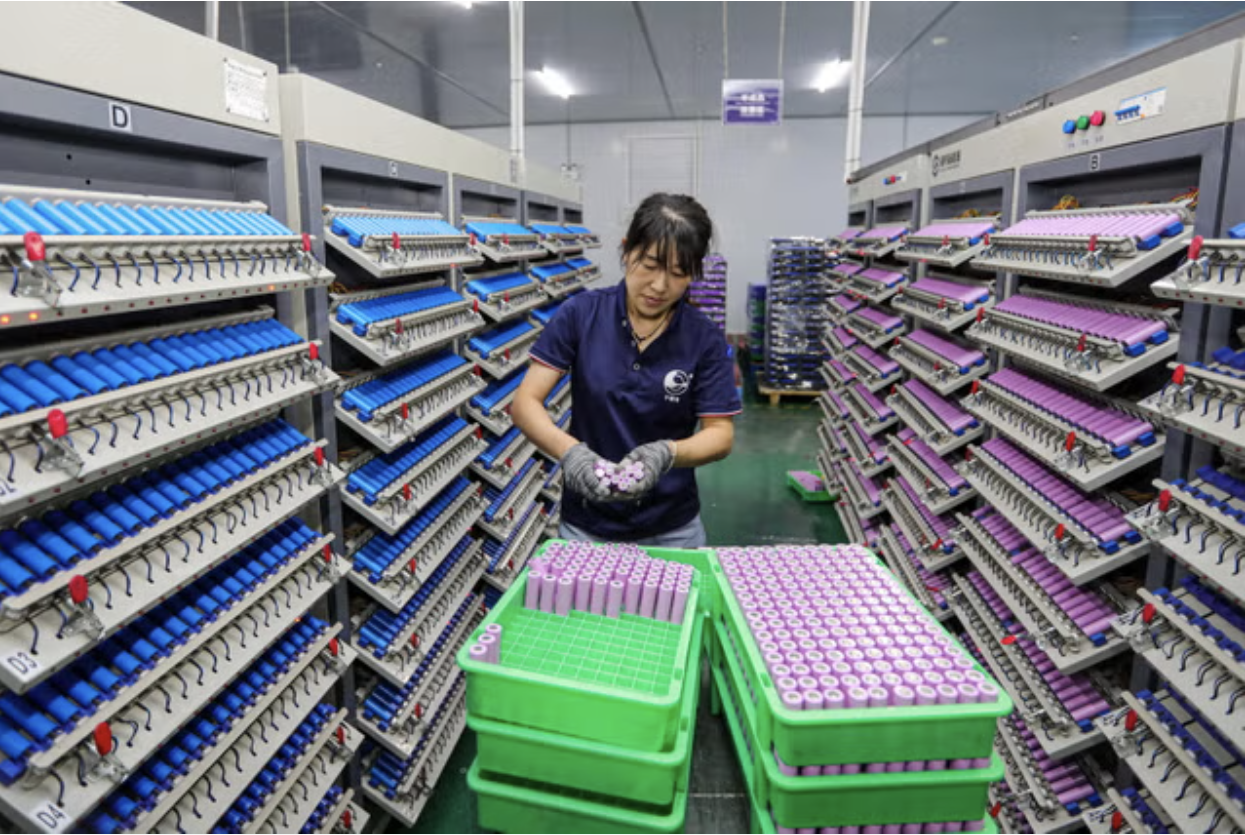
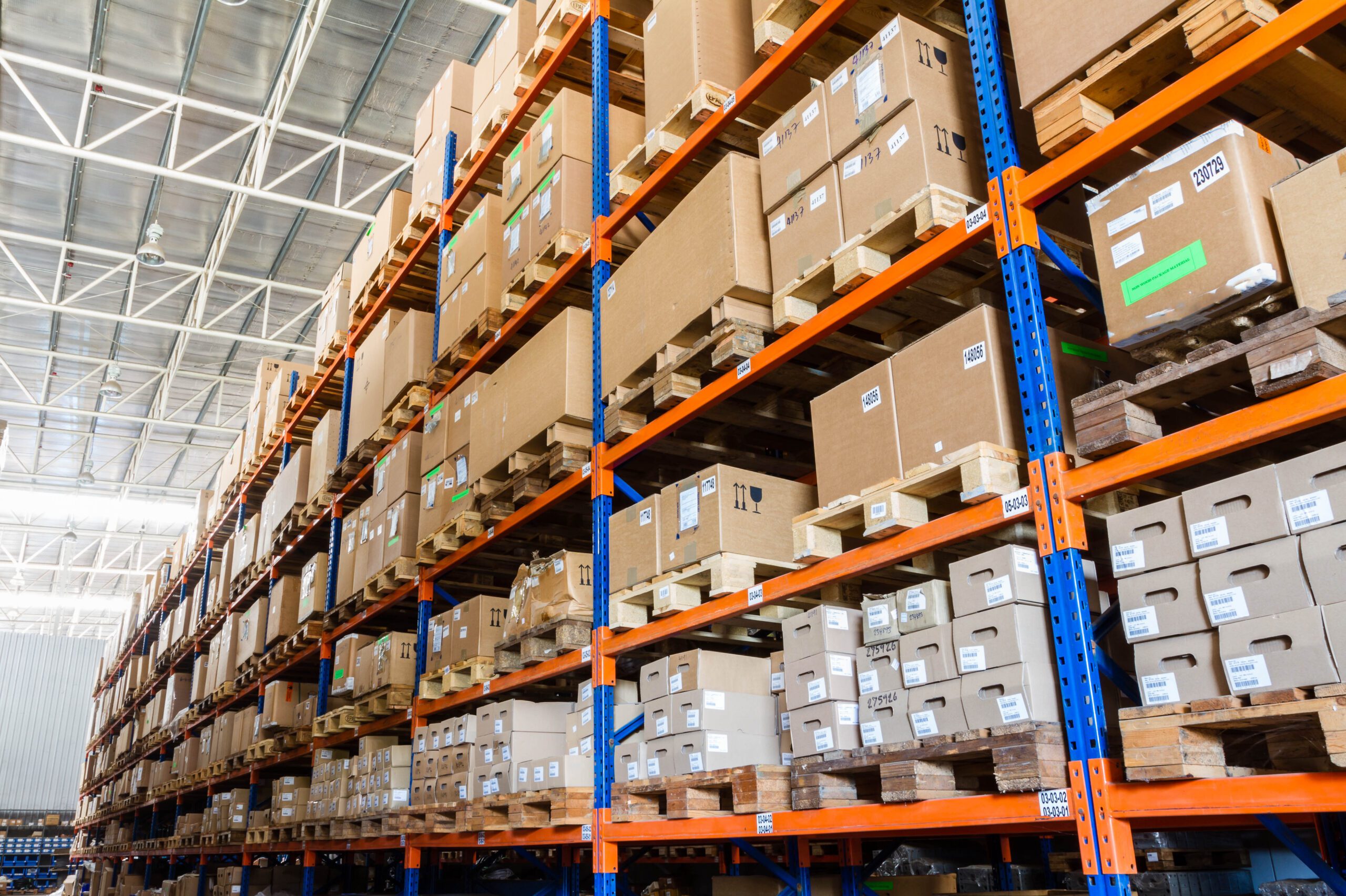
In practice, a MOOWR unit is a licensed warehouse-cum-factory. Imported inputs arrive, are warehoused in bond, and are then used in manufacturing within the same premises. Finished goods may be exported directly from the unit, or cleared for home consumption on payment of duty. The unit therefore combines storage, production and export dispatch in one customs-controlled location, which is the source of both its benefit and its compliance burden.
The duty deferment benefit
The central benefit of MOOWR is cash-flow timing. Duty on imported inputs is not paid on arrival; it is deferred while the inputs remain in bond and during manufacturing. If the finished goods are exported, no import duty on the inputs used in them is payable, subject to the scheme's conditions and proper accounting. If the finished goods are cleared for the domestic market, duty is paid at that stage, on the finished goods, in accordance with the applicable rules.
For a manufacturer with high import content, deferment can materially improve working capital, because duty is no longer paid months before sale. It also removes the need to claim drawback or refunds on exported finished goods for the deferred inputs, because the duty was never paid. The benefit should be modelled carefully, however: deferment is not exemption for domestic clearances, and the duty payable on home clearance, together with GST and other taxes, must be factored into domestic pricing.
Who can apply and how licensing works
MOOWR is available to manufacturers and other persons who carry out operations in a warehouse, subject to eligibility conditions and customs approval. The applicant must have suitable premises, which can be licensed as a warehouse, adequate infrastructure for manufacturing and storage, and systems to maintain the accounts and records that customs requires. The premises, the goods and the operations are subject to customs supervision.
The application is made to the jurisdictional customs authority, with details of the premises, the goods to be warehoused, the manufacturing process, and the accounting and security arrangements. Customs may inspect the premises before granting the licence, and the licence is subject to conditions, including the execution of a bond and, where required, security. An applicant should expect the licensing process to involve detailed questions about inventory control, segregation of bonded and non-bonded goods, and access for customs officers. Engage a CHA or customs adviser early; a well-prepared application avoids repeated queries.
Record-keeping and audit
MOOWR units must maintain detailed records of goods received, warehoused, used in manufacturing, wasted or lost, and removed, whether for export or for home consumption. The records must reconcile: inputs in, plus opening stock, must equal finished goods out, plus closing stock, plus waste and losses accounted for. Customs officers may audit the records, inspect the premises and verify stock at any time.
Weak record-keeping is the most common source of trouble under MOOWR. A unit that cannot reconcile its inputs and outputs, or that mixes bonded and duty-paid goods without clear segregation, risks duty demands, penalties and loss of licence. Invest in inventory software that tracks bonded stock separately, train staff in the scheme's procedures, and carry out internal stock reconciliations regularly, not only when an audit is announced. Retain records for the period prescribed by customs law, and ensure they are available in a form customs can inspect.
MOOWR vs SEZ and EOU: how to choose
MOOWR, SEZ and EOU are all schemes that support manufacturing for export, but they differ in structure. An SEZ unit operates within a notified special economic zone, with a distinct legal and tax regime, and is primarily export-oriented, with specific net foreign exchange obligations. An EOU is a unit outside an SEZ that is approved as 100% export-oriented, also with export obligations and a distinct approval process.
MOOWR, by contrast, is not tied to a zone and does not, in itself, impose the same export-orientation framework as SEZ or EOU. A MOOWR unit can clear finished goods for the domestic market on payment of duty, which gives it flexibility for businesses that serve both export and domestic customers. The choice depends on the business model: a purely export-focused unit in a zone may prefer SEZ; a unit outside a zone serving both markets may find MOOWR more flexible; a unit with a dedicated export mandate may consider EOU. Compare the schemes on duty, GST, export obligations, location, compliance cost and exit conditions before choosing, and take professional advice on the comparison.
Practical points before you apply
Model the cash-flow benefit on your actual import content, production cycle and export-domestic mix, rather than assuming deferment always wins. Check whether your inputs, finished goods or processes are subject to other licences, such as BIS, FSSAI or environmental approvals, which MOOWR does not remove. Plan the warehouse layout for segregation, security and customs access, and ensure your accounting system can produce the reconciliations customs will ask for.
Also plan for the end of the scheme: if a unit exits MOOWR, bonded goods and stock must be dealt with as customs requires, and duty may become payable. An exit plan, agreed at the start, prevents a costly surprise later.
Frequently asked questions
What is MOOWR in simple terms?
MOOWR allows manufacturing in a bonded warehouse, with duty on imported inputs deferred until finished goods are cleared for home consumption, or not payable if the finished goods are exported under the scheme's conditions.
Who can set up a MOOWR unit?
Manufacturers and other eligible persons with suitable licensed warehouse premises, infrastructure and record-keeping systems, approved by the jurisdictional customs authority, can apply.
Is MOOWR only for exporters?
No. A MOOWR unit can export finished goods and can also clear them for the domestic market on payment of duty. That flexibility for mixed markets is one of its attractions.
How is MOOWR different from an SEZ?
An SEZ unit operates inside a notified zone with its own regime and export obligations. A MOOWR unit is not zone-based and is not tied to the same export-orientation framework, though it is subject to strict customs warehousing and record rules.
What records must a MOOWR unit keep?
Detailed records of goods received, warehoused, manufactured, wasted, lost and removed, reconciling inputs to outputs. Customs may audit and inspect stock at any time.
What happens if records do not reconcile?
Shortages, unexplained losses or mixing of bonded and duty-paid goods can lead to duty demands, penalties and loss of licence. Regular internal reconciliation is essential.
Final word
MOOWR rewards manufacturers who can run a disciplined, customs-controlled operation. Duty deferment, combined with the ability to serve both export and domestic markets from one bonded unit, is a genuine advantage — but only for businesses willing to invest in licensing, segregation and record-keeping. If that discipline is in place, MOOWR can improve cash flow and simplify export manufacturing; if it is not, the scheme's audit risk will outweigh its benefit. Verify the live rules with customs before applying.