Navigating the global spice market requires a clear understanding of the price of saffron per kilo, especially as agricultural yields fluctuate and international trade regulations tighten. For B2B buyers and exporters, mastering the financial and qualitative nuances of red gold is essential for maintaining profitable margins and ensuring supply chain integrity.
Saffron remains one of the most heavily counterfeited and financially volatile commodities in the global agricultural sector. Securing high-grade lots at competitive wholesale rates demands deep industry knowledge, rigorous laboratory verification, and a firm grasp of regional GI certifications that dictate market value.
This comprehensive guide explores the projected saffron price bands for 2026, breaks down the primary market grades from Mogra to Konch, outlines critical anti-adulteration checks, and details the essential export documentation required to move shipments smoothly across international borders.
Understanding Saffron Price Per Kilo Ranges for 2026
Global saffron pricing is heavily influenced by harvest volumes in major producing nations like Iran, India, Spain, and Greece. Currency fluctuations, climate volatility, and geopolitical trade dynamics also play significant roles in shaping wholesale market rates.
Because agricultural commodities experience continuous price discovery based on seasonal yields and spot market liquidity, the figures below represent indicative ranges. Always verify live prices before quoting or locking in commercial supply contracts.
Indicative B2B Saffron Price Bands by Grade
| Saffron Grade | Quality Description | Indicative Wholesale Price Per Kilo (USD) |
|---|---|---|
| Mogra / Sargol | All-red stigmas, zero yellow style, maximum crocin content | $2,200 – $3,800+ |
| Pushal | Stigmas with a small attached yellow-white style portion | $1,500 – $2,200 |
| Konch (Bunch) | Entire styles tied together in bundles, lowest purity | $900 – $1,500 |
Note: Premium geographical indicators, such as certified Kashmiri saffron, routinely trade well above these standard bands due to limited supply and strict geographic branding. Always verify live prices before quoting your retail or institutional clients.'
Deep Dive Into Saffron Grades
To evaluate the true value of a wholesale batch, B2B buyers must look beyond simple visual inspections and understand the botanical classification of saffron grades. The pricing structure directly correlates with the concentration of active chemical compounds—crocin (color), picrocrocin (flavor), and safranal (aroma).
Mogra and Sargol: The Premium Standard
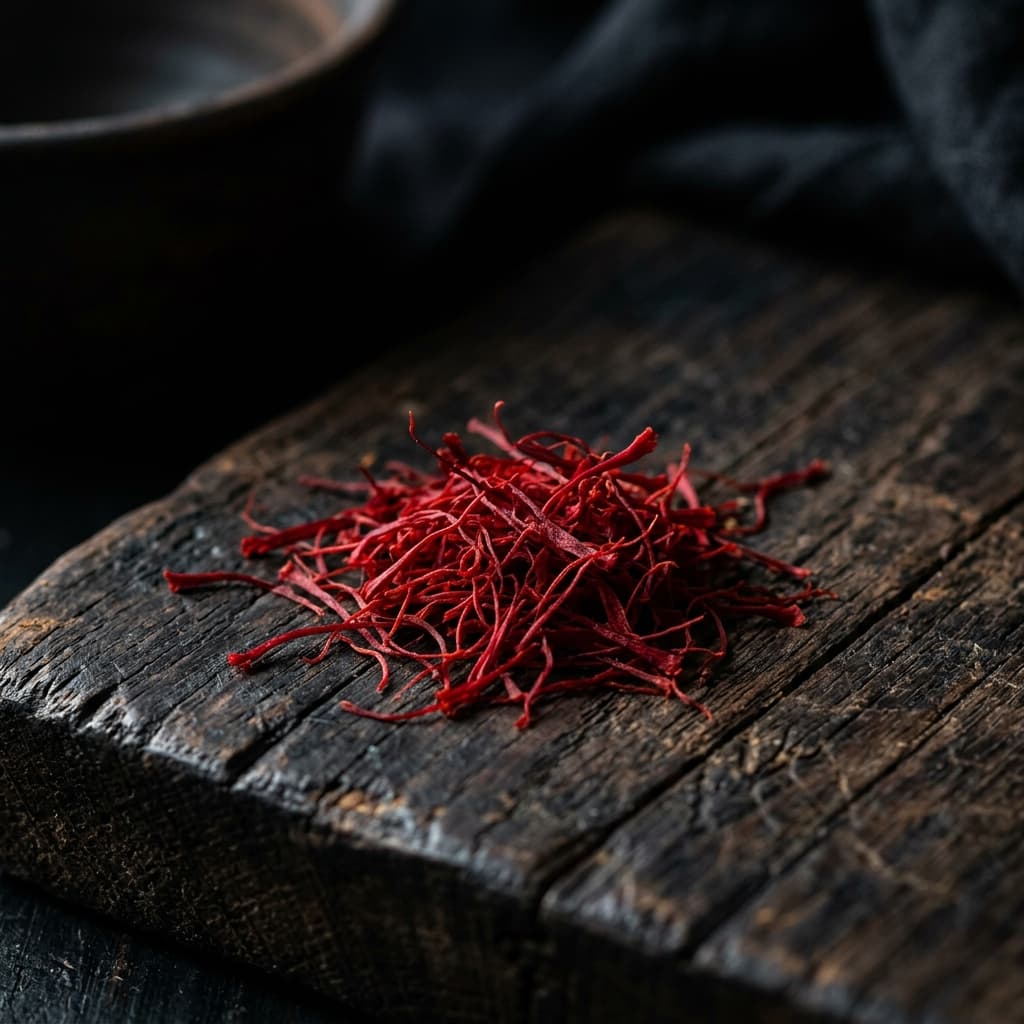
Mogra (predominantly used in Indian Kashmiri trade) and Sargol (the Iranian equivalent) represent the absolute pinnacle of saffron quality. These grades consist exclusively of the dark red tips of the stigmas, entirely separated from the bitter, inactive yellow-white styles.
When sourcing Mogra or Sargol, B2B buyers should expect maximum coloring strength, typically exceeding ISO 3632 Category I standards. These grades command the highest price of saffron per kilo because processing requires meticulous hand-picking and delicate trimming.
Pushal: The Mid-Tier Balance
Pushal saffron features the red stigmas along with 2 to 3 millimeters of the white-yellow style attached at the base. While it contains slightly less coloring potential than pure Sargol, Pushal offers a compelling price-to-performance ratio for commercial food manufacturers and spice blenders.
Many buyers choose Pushal because the attached style acts as a natural visual guarantee that the threads have not been artificially dyed or artificially lengthened. Always verify live prices before quoting Pushal, as seasonal availability directly impacts the discount relative to Mogra.
Konch: The Economy Tier
Konch, also known as Bunch or Dasteh saffron, involves harvesting the entire filament intact and tying it in small bundles. Because it includes a significant portion of the inert yellow style, its overall coloring strength is considerably lower.
Konch is typically purchased by industrial extractors or bulk manufacturers who process saffron into liquids, colorants, or flavor concentrates where visual thread integrity is secondary to bulk active compound extraction.
The Pampore and Kashmir GI Tag Significance
Geographical Indication (GI) tagging has become a critical baseline for distinguishing premium agricultural products from mass-market alternatives. For saffron, the GI tag associated with Pampore, Kashmir, represents a gold standard in global trade.
Kashmiri saffron is globally renowned for its deep maroon-purple hue, exceptionally thick stigmas, and a distinct aroma driven by higher concentrations of safranal. The unique microclimate and traditional cultivation methods in the Jhelum valley impart superior biochemical properties that lower-altitude or greenhouse-grown alternatives cannot replicate.
When importing Kashmiri saffron, B2B buyers must demand the official GI certification and serialization numbers. Counterfeiting remains a major risk; fraudulent traders frequently mix Iranian or Afghan saffron with cheaper local varieties and market them as authentic Pampore produce. Verifying the supply chain right down to the registered farmer cooperative is essential to protect your investment.
Mandatory Adulteration Checks for B2B Importers
Saffron is one of the most frequently adulterated spices in international trade. Unscrupulous suppliers often weight threads with glycerin, honey, oil, or inorganic salts, or dilute pure batches with dyed corn silk, safflower, or coconut fibers.
Before releasing final payment or distributing bulk stock to downstream clients, professional importers should execute a rigorous multi-tier testing protocol.
Laboratory Analysis (ISO 3632)
The only definitive proof of saffron quality is a certified laboratory test adhering to ISO 3632 standards. Independent labs measure three key spectrophotometric parameters:
- Crocin: Determines coloring strength (measured at absorbance 440 nm).
- Picrocrocin: Determines bitterness and flavor strength (measured at absorbance 257 nm).
- Safranal: Determines aroma profile (measured at absorbance 330 nm).
Never accept a Certificate of Analysis (CoA) from the supplier's internal laboratory. Always commission an independent third-party inspection agency (such as SGS, Eurofins, or local equivalent) to draw samples directly from the bonded warehouse before shipment.
Simple Field and Sensory Checks
While lab tests are mandatory for commercial compliance, buyers can perform quick preliminary checks upon receiving pre-shipment samples:
- The Water Test: Drop a few threads into warm water. Pure saffron releases its golden-yellow color slowly, turning the water a clear yellow while the threads themselves retain their reddish-brown color for an extended period. If the water turns red instantly or the threads turn white, the batch is dyed.
- The Taste Test: Real saffron tastes bitter and never sweet. If a sample tastes sugary, it has likely been adulterated with honey or syrup to increase its weight.
- The Texture Test: Pure saffron threads are brittle and dry. If they feel flexible, oily, or damp, excess moisture or heavy oils have been added artificially to inflate the kilo weight.
Export Documentation and Compliance
Moving bulk saffron across international borders requires meticulous adherence to customs regulations, food safety standards, and trade documentation. Missing or incorrect paperwork can result in cargo seizure, heavy storage fees, or border rejection.
For exporters shipping out of major producing regions like India, the primary documentation workflow includes:
1. Registration-Cum-Membership Certificate (RCMC)
Exporters must hold a valid RCMC issued by the relevant export promotion council (such as APEDA for agricultural products in India) to legally facilitate international trade transactions.
2. Phytosanitary Certificate
Issued by the national plant protection organization of the exporting country, this document certifies that the saffron consignment is free from pests, diseases, and quarantine organisms, complying fully with destination country import requirements.
3. Certificate of Origin
Crucial for determining applicable customs duties and trade agreements, this document validates the exact geographic harvest location of the saffron. This is especially vital when claiming preferential tariff rates under bilateral trade pacts or verifying GI-tagged Kashmiri produce.
4. Commercial Invoice and Packing List
Detailed documentation outlining the exact net weight, gross weight, batch numbers, ISO grade classification, and container seal numbers. Given the high financial value per kilo, security seals and tamper-evident packaging descriptions must match the paperwork precisely.
Common Sourcing Mistakes to Avoid
Navigating the global saffron market involves avoiding several costly traps that frequently catch inexperienced buyers off guard:
- Buying Solely on Price: If the price of saffron per kilo appears drastically lower than the prevailing market average, it is almost certainly adulterated, underweight, or an inferior grade like Konch disguised as Sargol. Always verify live prices before quoting.
- Neglecting Moisture Content: Saffron is hygroscopic and absorbs moisture easily. Purchasing damp saffron means you are paying high-value commodity prices for plain water weight. Ensure moisture levels remain below 10-12%.
- Skipping Escrow or Letter of Credit (LC): For initial transactions with new international suppliers, avoid sending 100% advance wire transfers. Utilize secure payment mechanisms such as irrevocable Letters of Credit or verified B2B escrow platforms.
- Ignoring Local Customs Tariffs: Different countries apply varying import duties and value-added taxes (VAT) on spices. Factor these tariffs into your landed cost calculations before finalizing your wholesale pricing strategy.
Frequently Asked Questions
What is the typical shelf life of bulk saffron?
Properly stored in airtight, moisture-proof, and light-protected containers at cool temperatures, premium saffron retains its peak flavor and aroma profile for up to two years. While it rarely spoils or becomes unsafe to consume, volatile compounds degrade over time, reducing coloring strength.
How does moisture content affect the price of saffron per kilo?
Excess moisture artificially inflates the weight of the spice, meaning buyers pay high market rates for water weight. Professional B2B contracts specify a maximum allowable moisture threshold, typically around 10 percent, verified through dry-weight lab analysis before final settlement.
Why is Kashmiri saffron more expensive than Iranian saffron?
Kashmir produces a significantly smaller total annual volume compared to Iran, limiting global supply. Additionally, the labor-intensive cultivation terrain, distinct microclimate, and strict GI certification guidelines contribute to higher production costs and superior aromatic properties.
Can I request a pre-shipment sample before buying a kilo?
Yes, reputable B2B exporters routinely provide small sample lots (typically 1 to 5 grams) for laboratory testing. Always ensure the sample is drawn from the exact batch intended for your commercial shipment to avoid bait-and-switch quality issues.
What does ISO 3632 certification mean for buyers?
ISO 3632 is the international standard governing saffron quality. It categorizes saffron into distinct grades based on laboratory measurements of crocin, picrocrocin, and safranal. Insisting on ISO 3632 compliance protects buyers from purchasing substandard or adulterated material.
How should bulk saffron be stored during international transit?
Bulk saffron must be packed in food-grade, hermetically sealed metallic or thick polymer containers, protected from direct sunlight, humidity, and extreme temperature fluctuations. Temperature-controlled freight is recommended for high-value shipments to preserve active compounds.
Conclusion
Sourcing saffron efficiently in 2026 requires a balanced approach combining strict quality controls, thorough laboratory testing, and close monitoring of global market rates. By understanding the distinctions between Mogra, Pushal, and Konch grades, and by demanding proper export documentation and GI verification, B2B buyers can successfully protect their profit margins.
Ready to secure verified, high-grade saffron for your global supply chain? Post your specific volume and grade requirements today, or connect directly with pre-vetted international exporters and producers on Today Adviser to request live quotes.