Putnalu is roasted chana, pesara pappu is green moong dal, minapagullu is black urad dal and godhuma pindi is wheat flour — a clear Telugu-English table, with nutrition, uses and export guidance.
Telugu Pulses Names in English: Putnalu, Pesarapappu, Godhuma Pindi and More
If you buy, sell, cook with or export Indian pulses, you will meet Telugu names every day. A buyer in Hyderabad may ask for pesara pappu, and a supplier in Guntur may quote minapagullu. Without a clear translation, a simple order can go wrong. This guide gives the English names for the most common Telugu pulses and flours, explains what each one is, and shows how it is traded internationally.
Why Telugu Pulse Names Matter in Trade
Telugu is spoken by tens of millions of people in Andhra Pradesh and Telangana. These states grow and process large quantities of pulses and cereals. Much of India's pulse trade is negotiated in local languages first, and in English second. A name is therefore also a specification: putnalu is roasted chana, not raw chana, and pesara pappu is split green moong, not urad. Getting the name right protects the quotation, the sample and the final shipment.
Telugu Pulses and Flours in English: The Main Table
| Telugu name | English name | What it is |
|---|---|---|
| Putnalu | Roasted chana / roasted Bengal gram | Roasted chickpeas, split and skinned, eaten as a snack or ground |
| Pesara pappu | Green moong dal | Split green gram, yellow inside, quick cooking |
| Pesalu | Green moong / green gram | Whole green gram, sprouted or cooked whole |
| Minapagullu | Black urad dal | Split or whole black gram, used for idli and dosa batter |
| Minapa pappu | Urad dal | Split black gram, white inside |
| Kandi pappu | Toor dal / pigeon pea dal | Split pigeon pea, the everyday dal of South India |
| Senaga pappu | Chana dal / Bengal gram dal | Split chickpea, yellow and firm |
| Senagalu | Chickpeas / chana | Whole chickpeas, kabuli or desi type |
| Masoor pappu | Masoor dal / red lentils | Split red lentils, quick cooking and soft |
| Godhuma pindi | Wheat flour | Flour made from wheat, most often whole wheat atta |
| Godhumalu | Wheat | Whole wheat grain |
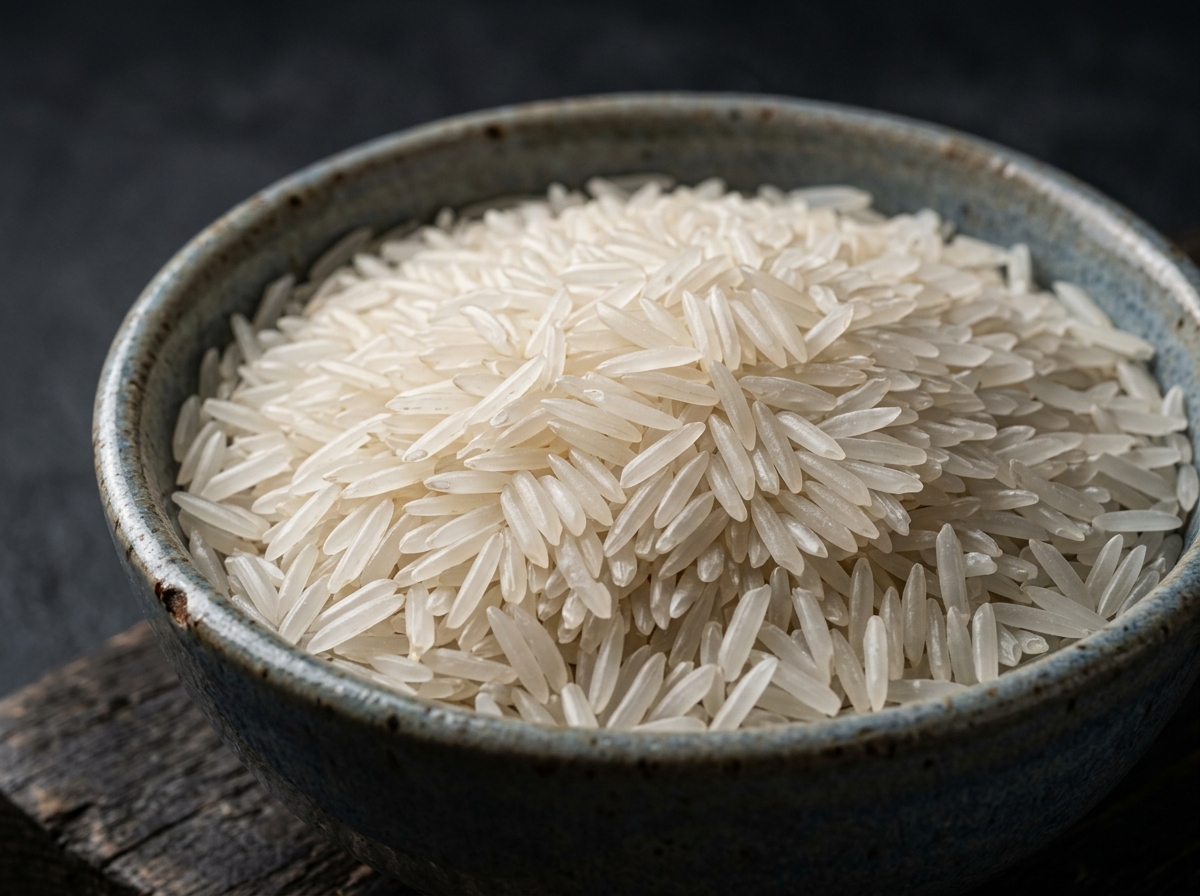
| Biyyam | Rice | Milled rice grain |
| Jonna pindi | Sorghum flour / jowar flour | Flour made from sorghum grain |
| Ragi pindi | Finger millet flour | Flour made from ragi, or finger millet |
Putnalu in English: Roasted Chana
Putnalu means roasted chana, also known as roasted Bengal gram. The chickpeas are roasted, often split, and the skin is removed. The result is crunchy, nutty and ready to eat. In Telugu homes it is eaten on its own, or mixed with jaggery or peanuts, and ground into flour for chutneys and laddus. It is a useful source of plant protein and fibre, with indicative values of around 20 grams of protein and 12 to 15 grams of fibre per 100 grams. Buyers should specify whole or split, skinless or with skin, salted or unsalted, and the roast level.
Pesara Pappu in English: Green Moong Dal
Pesara pappu is green moong dal in English, made by splitting green gram and removing the green skin. The dal inside is yellow, cooks quickly and becomes soft and mild. It is used for simple dal preparations, khichdi, dosa and pesarattu, the green moong dosa of Andhra Pradesh. It cooks in about 15 to 20 minutes without long soaking. Indicative values are around 24 grams of protein per 100 grams of dry dal, plus folate, iron and potassium. Export buyers usually ask for a clean, uniform yellow colour, low foreign matter and a defined split percentage.
Minapagullu in English: Black Urad Dal
Minapagullu is black urad dal in English: black gram, whole with its black skin, or split, when the white inside is visible. The related term minapa pappu usually means the split white urad dal. Urad dal is soaked and ground for idli and dosa batter, where it gives softness and helps fermentation. It is also used for vada, tempering and papads, with a creamy, slightly sticky texture when cooked. Indicative protein is about 25 grams per 100 grams of dry dal, with iron, calcium and folate. For trade, state whole or split, skin on or skinless, and the intended use.
Godhuma Pindi in English: Wheat Flour
Godhuma pindi means wheat flour in English. In most Telugu kitchens it means whole wheat flour, known as atta, used for chapati and roti. The same words can also be used for any wheat flour, so always confirm the type. Whole wheat atta keeps the bran and germ, so it has more fibre than refined flour. Refined flour, called maida in India, is whiter and softer and is used for bakery products and noodles. Indicative nutrition for whole wheat flour is around 11 to 13 grams of protein and 10 to 12 grams of fibre per 100 grams. In export, buyers check extraction rate, ash, moisture, protein, colour and granulation.
Other Common Telugu Pulses
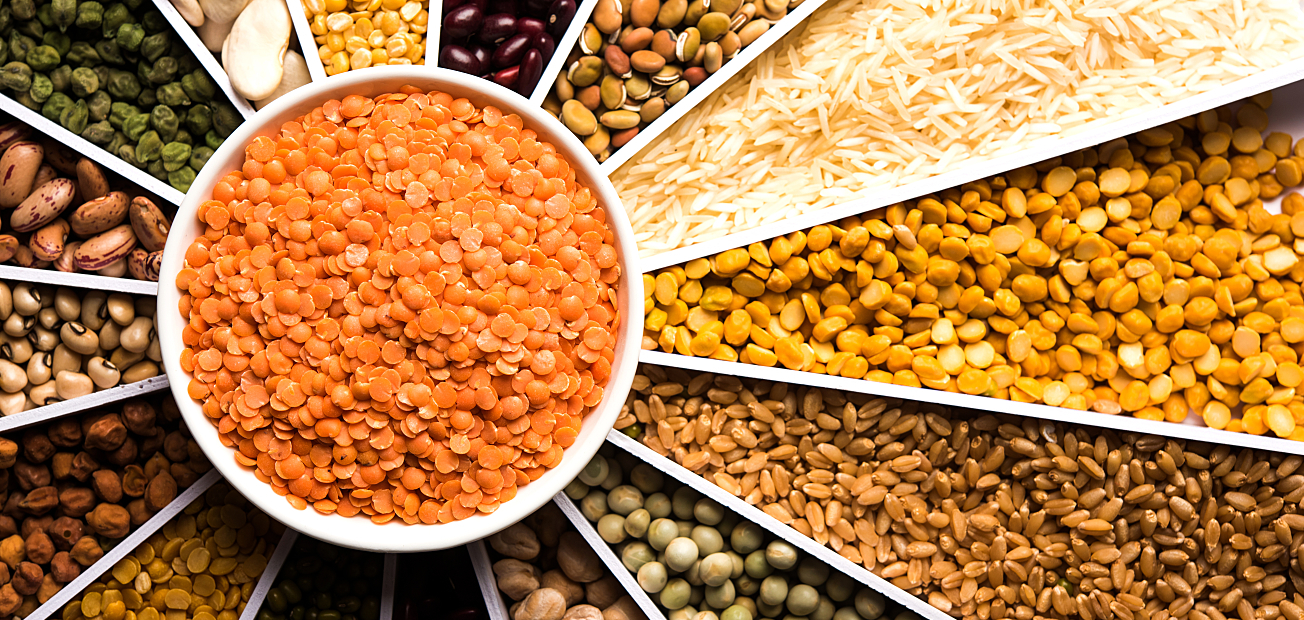
Kandi pappu, or toor dal, is split pigeon pea, the most common everyday dal in Andhra Pradesh and Telangana. Senaga pappu, or chana dal, is split Bengal gram, firmer than toor dal and slightly sweet, used for dal, curries and sweets. Masoor pappu, or masoor dal, is split red lentil: it cooks very fast and breaks down into a smooth puree for soups. Other names include bobbarlu, or cowpea, alasandalu, or lobia, and ulavalu, or horse gram, used in traditional cooking and rasam. Each pulse has its own cooking time and market, so do not substitute one for another without checking the recipe.
Nutrition and Culinary Uses
Pulses combine protein, fibre, minerals and slow-release carbohydrate in one affordable food. Most Indian dals provide 20 to 25 grams of protein per 100 grams when dry, with 10 to 16 grams of fibre. They are naturally low in fat, free from cholesterol and a good source of folate, iron and magnesium. Cooking changes the numbers, because dals absorb water and increase in weight. Pulses can support a balanced diet and help with satiety, and they provide plant protein for vegetarian meals. They are not a medicine. In Telugu cooking, toor dal is the base for pappu and sambar, moong dal for light dals and pesarattu, urad dal for batter and vada, and roasted chana as a snack and a flour.
Export Demand, Grades and HS Codes
India is both a large producer and a large consumer of pulses, and it also exports processed dals, roasted gram and flours. Demand comes from South Asian communities abroad, food manufacturers, and buyers who need a reliable source of plant protein. Export grades are defined by size, colour, purity, moisture, foreign matter and damaged grains, and for split dals by the split percentage. A typical specification states the variety, origin, crop year, size and maximum moisture, often around 10 to 12 percent. Laboratory testing for aflatoxin, pesticide residues and microbiological quality is common for food-grade shipments. The main HS chapter is Chapter 07, with dried legumes under heading 0713: chickpeas under 0713.20 and lentils under 0713.40. Flours of dried legumes fall under Chapter 11, heading 1106. Confirm the current code with a customs broker before shipping. Prices are indicative only, so verify live prices with at least two suppliers before contracting.
Quality, Packing and MOQ
A buyer new to Indian pulse suppliers should check the sample, the specification, the documents and the packing. The sample should match the specification in colour, size and cleanliness, and be free from stones, husk and off smells. The supplier should provide a certificate of analysis for moisture and foreign matter, and where needed for pesticide residues. Packing is usually in new polypropylene or jute bags, often 25 kg or 50 kg, with an inner liner for food-grade shipments. The bag should state the product name, grade, net weight, origin, packing date and batch number. Minimum order quantity, or MOQ, varies widely: a trader may accept one tonne for a trial, while a mill may need 10 to 25 tonnes for a custom grade. Always ask the MOQ before negotiating price. Store pulses dry, cool and ventilated, because moisture leads to mould and insects.
How International Buyers Find and Source Indian Pulses
International buyers usually start with a clear specification: product, grade, quantity, packing, destination port and target price. They then shortlist suppliers who can provide a company profile, GST certificate, APEDA registration where relevant, food safety certificate and export references. APEDA, the Agricultural and Processed Food Products Export Development Authority, registers exporters of many agricultural products and provides market information. Working with an APEDA-registered exporter is a useful first check, but not a guarantee: still ask for samples and a clear contract. Request samples from two or three suppliers, compare them side by side, test them in the intended recipe, and negotiate on the sample that performed best. TodayAdviser can help here. Buyers can browse suppliers in the buyer directory, where exporters list their products, grades and contact details. A buyer can also post a requirement with the product, quantity and destination, and receive quotations from suppliers who can meet it. For exporters, the same pages are a way to be found by buyers already looking for Indian pulses, roasted chana, moong dal, urad dal or wheat flour.
Frequently Asked Questions
What is putnalu in English?
Putnalu is roasted chana, also called roasted Bengal gram: roasted chickpea, often split and skinned, eaten as a snack or ground into flour.
What is pesapappu in English?
Pesapappu, also written pesara pappu, is green moong dal: split green gram, yellow inside, quick cooking and mild in flavour.
What is minapagullu in English?
Minapagullu is black urad dal: black gram, whole or split, used for idli and dosa batter, vada and tempering.
What is godhuma pindi in English?
Godhuma pindi is wheat flour. In most Telugu kitchens it means whole wheat flour, or atta, used for chapati and roti.
What is kandi pappu in English?
Kandi pappu is toor dal, also called pigeon pea dal, the everyday split pigeon pea used for dal and sambar.
Which pulse is best for export from India?
There is no single best pulse. Toor, chana, moong, urad, masoor and roasted chana all have export demand. The best choice depends on the market, grade, price and the buyer's recipe, so start with a clear specification and compare samples.
Conclusion
Telugu pulse names are easy once the main ones are learned. Putnalu is roasted chana, pesara pappu is green moong dal, minapagullu is black urad dal, and godhuma pindi is wheat flour. For a buyer or exporter, the next step is a written specification, a checked sample and a clear contract. Use the buyer directory to find suppliers, post a requirement to compare quotations, and verify prices and HS codes live before you ship.