Thailand, Indonesia and Vietnam lead the world's natural rubber production, with India — powered by Kerala — ranking among the top producers. This trade guide covers country rankings, RSS and TSR grades, and practical import pointers for buyers.
Natural Rubber: A Strategic Commodity in Global Trade
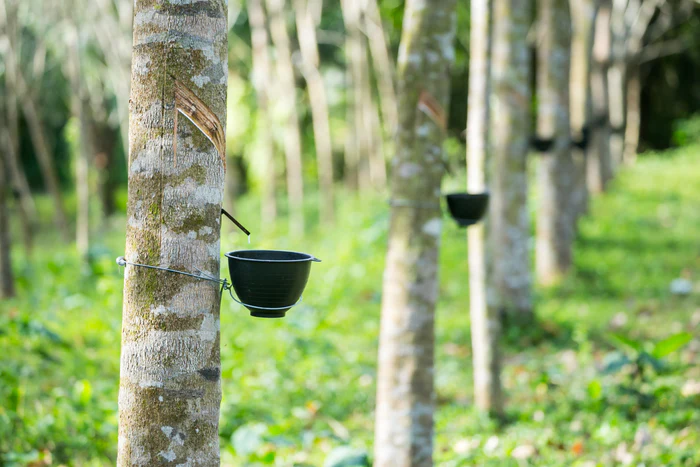
Natural rubber is one of the world's most important agricultural commodities. Harvested as latex from the Hevea brasiliensis tree, it is indispensable to tyre manufacturing — which absorbs the majority of global supply — as well as to medical gloves, footwear, automotive parts, conveyor belts and countless industrial goods. Because production is concentrated in the tropical belt of Southeast Asia, understanding where natural rubber comes from is essential for any buyer managing supply risk, price exposure and supplier relationships.
This guide ranks the top rubber producing countries in the world, explains India's position and Kerala's pivotal role, decodes the grades buyers trade in, and offers practical import pointers. All production figures referenced are indicative, based on widely published public data — verify live statistics from sources such as the Association of Natural Rubber Producing Countries (ANRPC) before making commercial decisions.
Top Rubber Producing Countries: The 2026 Landscape
Global natural rubber production is dominated by a handful of Southeast Asian nations. The ranking below reflects broadly reported public data; exact shares shift year to year with weather, replanting cycles and tapping economics.
1. Thailand — The World's Largest Producer
Thailand consistently ranks as the top rubber producing country in the world, accounting for roughly a third of global natural rubber output according to publicly reported figures. Production is dominated by smallholders across the south and northeast, and the country is a leading exporter of RSS (ribbed smoked sheets) and concentrated latex. For buyers, Thailand offers the deepest spot market, the widest grade availability and mature export infrastructure — it is the benchmark origin for price discovery.
2. Indonesia — The Second Giant
Indonesia is the world's second-largest natural rubber producer, with vast smallholder plantings across Sumatra and Kalimantan. Indonesian supply is significant in TSR (technically specified rubber) grades such as SIR-20, widely used by tyre makers. Buyers value Indonesia for volume and competitive pricing, though logistics from remote growing regions can add lead time.
3. Vietnam — The Fast Riser
Vietnam has climbed to become one of the top three producers, with expanding planted area and improving yields. Vietnamese rubber is competitively priced and increasingly important in regional supply chains serving China and other Asian manufacturing hubs. Quality consistency has improved markedly as processing investment has grown.
4. India — A Major Producer and Consumer
India ranks among the world's leading natural rubber producers — typically placed fourth to sixth depending on the year — and is unusual in being a large consumer as well as producer. Domestic tyre and non-tyre industries absorb most Indian production, which means India both produces and imports significant volumes. For international buyers, India matters as a source of RSS grades and as a sophisticated consuming market whose demand influences regional prices.
5. China — Producer and the World's Largest Consumer
China produces meaningful volumes of natural rubber in Yunnan and Hainan provinces, but its defining role is as the world's largest consumer, driven by its giant tyre industry. Chinese demand is the single biggest swing factor in global rubber prices — buyers everywhere watch Chinese buying patterns and inventory data.
6. Malaysia — The Historic Leader in Transition
Malaysia was once the world's dominant producer; today its output is far smaller as land shifted to palm oil and labour costs rose. Malaysia remains relevant as a major glove manufacturing hub (a huge latex consumer) and as a trading and processing centre, but buyers should not expect large exportable surpluses of raw rubber.
India's Position and Kerala's Central Role
Within India, natural rubber is overwhelmingly a Kerala story: the state accounts for roughly three-quarters or more of Indian production according to publicly reported figures, with Kottayam, Pathanamthitta, Ernakulam and neighbouring districts at the core. Tripura and other northeastern states, plus Karnataka and Tamil Nadu, contribute growing shares. Production is dominated by smallholders — a defining feature shared with Thailand and Indonesia — which keeps the supply base fragmented and makes aggregation, quality standardisation and traceability key buyer challenges.
India's Rubber Board (under the Ministry of Commerce & Industry) supports the sector through research, replanting assistance and market development. Buyers sourcing Indian rubber should understand the domestic demand pull: because Indian tyre makers consume most local output, exportable surpluses tighten when domestic demand is strong, and Indian prices often trade at a premium to Southeast Asian origins.
Natural Rubber Grades Buyers Must Know
Rubber is not a single commodity — grade determines processing behaviour and price. The two families every buyer should know:
- RSS (Ribbed Smoked Sheets): latex coagulated into sheets, smoked and dried. Graded RSS-1 (highest) to RSS-5 by visual and technical criteria. Widely used in tyres, footwear and general rubber goods. Thailand and India are key RSS origins.
- TSR (Technically Specified Rubber): block rubber graded on technical parameters (dirt, ash, nitrogen, volatile matter, plasticity). Common grades include TSR-20 (e.g., SIR-20 from Indonesia, SMR-20 from Malaysia, STR-20 from Thailand). The workhorse of the tyre industry, bought on specification rather than appearance.
Always contract on explicit grade and specification — never on “rubber” generically. Specify the grade, packaging (bales/pallets), and the testing standards that govern acceptance.
What Drives Production and Prices
Natural rubber supply responds to weather (excess rain disrupts tapping; drought stresses trees), replanting cycles (trees take about seven years to mature, so planting decisions echo for decades), tapping economics (when prices fall below smallholders' cost of production, tapping stops and supply tightens), and disease and pest pressure. On the demand side, automotive production, tyre replacement cycles and Chinese inventory policy dominate. Prices are volatile — structure contracts with this in mind.
Import Pointers for Buyers
- Verify grade with lab testing: for TSR, require technical parameter certificates per shipment; for RSS, agree visual grading standards and inspection rights.
- Mind seasonality: wintering (leaf fall) reduces output in the first quarter in parts of Southeast Asia — plan procurement calendars accordingly.
- Contract carefully: use clear Incoterms, define quality claims windows and testing methods, and consider price formulae linked to published benchmarks for longer commitments.
- Check phytosanitary and packaging rules: confirm your destination's requirements for agricultural commodities and agree palletisation and moisture protection for container shipments.
- Diversify origins: single-origin dependence is risky in a weather-exposed crop — qualify suppliers in at least two producing countries.
- Use indicative data, verify live: treat all published production rankings and shares as indicative; confirm current figures with ANRPC data or trade statistics before committing volumes.
Frequently Asked Questions
Which country produces the most natural rubber?
Thailand is the world's largest natural rubber producer, accounting for roughly a third of global output based on publicly reported figures, followed by Indonesia and Vietnam.
Where does India rank in rubber production?
India is consistently among the world's top producers — typically ranked between fourth and sixth — and is also a major consumer, with domestic tyre makers absorbing most local output.
Why is Kerala important for rubber?
Kerala produces the dominant share of India's natural rubber (roughly three-quarters or more per publicly reported data), making it the centre of Indian production, processing and trade.
What is the difference between RSS and TSR?
RSS (ribbed smoked sheets) is graded visually from RSS-1 to RSS-5; TSR (technically specified rubber) is block rubber graded on laboratory parameters. Tyre makers predominantly buy TSR grades.
Is natural rubber different from synthetic rubber?
Yes. Natural rubber comes from tree latex; synthetic rubber is petroleum-derived. They have different performance properties and are often blended — but this guide covers natural rubber only.
How can buyers manage rubber price volatility?
Diversify origins, use price formulae linked to published benchmarks for term contracts, time purchases around seasonal patterns, and keep safety stocks aligned with your risk tolerance.
Conclusion
The natural rubber map is clear: Thailand, Indonesia and Vietnam lead global production, India — powered by Kerala — is a major producer-consumer, China drives demand, and Malaysia has pivoted toward downstream manufacturing. Buyers who contract on explicit grades, verify quality per shipment, respect seasonality and diversify origins will navigate this market far better than those chasing the lowest headline price.
Sourcing natural rubber, RSS grades or rubber products from India? TodayAdviser connects buyers with verified Indian suppliers — post your buy requirement today and get quotes from exporters who understand international grade and quality expectations.