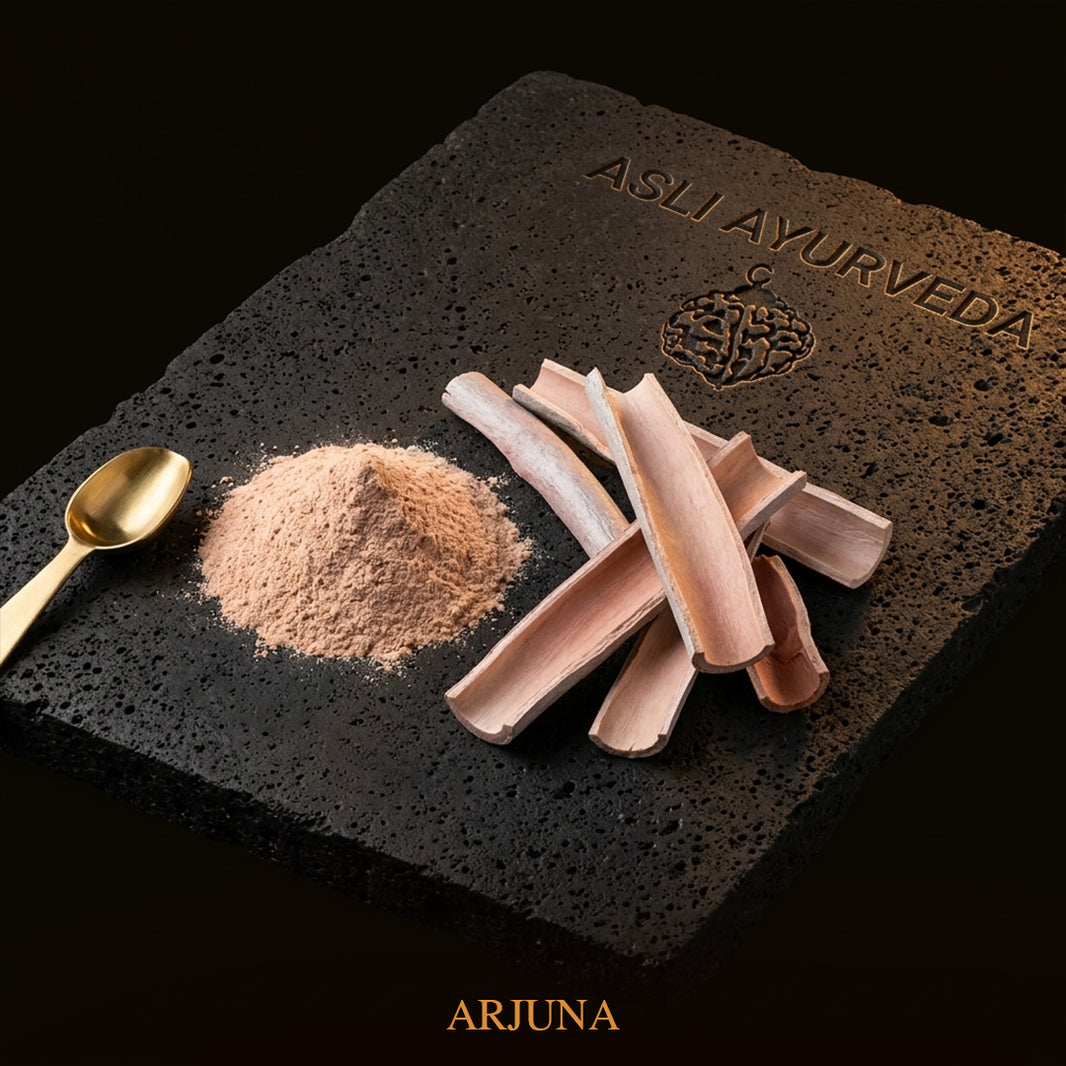
Discover essential insights on arjun ki chaal benefits, processing arjun chhal powder, and navigating the global Ayurvedic herbs export market. Connect with verified suppliers on Today Adviser today.
Arjun ki chaal, harvested from the Terminalia arjuna tree, is a cornerstone of traditional wellness systems. This botanical treasure is seeing unprecedented global demand, making it a critical commodity for international trade and sourcing.
For global B2B buyers, importers, and exporters navigating the botanical ingredients market, understanding the nuances of sourcing quality arjuna bark is essential. This comprehensive guide explores arjun ki chaal benefits, processing methods for arjun chhal powder, and strategies for navigating the burgeoning Ayurvedic herbs export sector.
As international markets increasingly embrace plant-based health solutions, securing a reliable, verified supply chain is paramount. Whether you are looking to import raw bark or fine powders, compliance with international standards and partnering with verified suppliers will dictate your commercial success.
Understanding Arjun Ki Chaal (Terminalia Arjuna)
Terminalia arjuna is a large, deciduous tree native to the Indian subcontinent. The bark, commonly known as arjun ki chaal, has been harvested for centuries. Traditionally, it is stripped from mature trees using sustainable harvesting practices to ensure tree regeneration and long-term ecological balance.
The raw bark is characterized by its smooth, greyish-green exterior and reddish-pink interior. It is packed with natural bioactive compounds, including triterpenoids, flavonoids, tannins, and essential minerals like calcium, magnesium, and zinc. These natural constituents contribute to its unique profile and growing popularity in global wellness formulations.
Traditional Uses in Ayurveda: Wellness and Vitality
In traditional Ayurvedic practice, arjun ki chaal is classified as a powerful rasayana (rejuvenator). It has historically been utilized to support cardiovascular wellness, promote balanced circulation, and enhance overall vitality.
Traditional Ayurvedic Applications:
- Heart Health Support: Traditionally consumed as a decoction (kshaya) or milk-based brew to nourish cardiac tissues.
- General Wellness: Used to help the body manage everyday stress and support respiratory function.
- Skin and Complexion: Applied externally in paste form for minor skin irritations, leveraging its natural astringent properties.
Important Regulatory and Safety Notice: The traditional applications outlined above are for informational and historical context only. This article makes no medical claims regarding the diagnosis, treatment, or prevention of any disease. Importers and consumers must always consult a qualified healthcare practitioner or Ayurvedic specialist before incorporating herbal supplements into a daily regimen.
Processing and Applications of Arjun Chhal Powder
Transforming raw bark into commercially viable arjun chhal powder requires precision processing. The quality of the final powder depends heavily on the cleanliness of the sourcing environment, drying techniques, and milling technology used.
The Manufacturing Workflow
- Harvesting and Sorting: Mature bark is ethically harvested, cleaned of foreign matter, and manually sorted to remove diseased or degraded pieces.
- Drying: The bark undergoes natural sun-drying or controlled mechanical drying to reduce moisture content below 10%, preventing mold and microbial growth.
- Milling (Pulverization): Dried bark is processed through industrial hammer mills or stone grinders to achieve varying mesh sizes (typically 80 to 100 mesh for fine powder).
- Packaging: The finished powder is immediately sealed in moisture-barrier bags, such as multi-wall paper bags with food-grade polyethylene liners, to preserve volatile compounds.
Common Commercial Uses
- Herbal Teas and Decoctions: Blended with other botanicals for functional beverage lines.
- Capsules and Tablets: Encapsulated by nutraceutical manufacturers for easy consumer dosing.
- Cosmeceuticals: Incorporated into facial masks and herbal soaps for its astringent and skin-soothing properties.
Quality Markers, Adulteration Risks, and Testing
As demand for Ayurvedic herbs surges globally, supply chain integrity becomes a critical concern for B2B buyers. Detecting adulteration early protects brand reputation and ensures regulatory compliance.
| Quality Parameter | Standard Requirement | Potential Adulteration Risk | Recommended Testing Method |
|---|---|---|---|
| Moisture Content | Below 10% | Excess moisture leading to mold | Gravimetric analysis |
| Total Ash Value | Within pharmacopoeial limits | Mineral adulteration, dirt, sand | Muffle furnace ignition |
| Heavy Metals | Lead, Cadmium, Arsenic < limits | Contaminated soil or processing | ICP-MS (Mass Spectrometry) |
| Microbial Load | E. coli, Salmonella absent | Poor hygiene during drying/milling | Plate count and pathogen screening |
| Botanical Identity | 100% Terminalia arjuna | Substitution with inferior bark species | HPTLC (High-Performance Thin-Layer Chromatography) |
Buyers must demand a Certificate of Analysis (CoA) from an ISO-accredited laboratory for every batch procured. Common adulterants include inferior bark varieties that mimic the physical appearance of arjun ki chaal but lack the authentic phytochemical profile.
The Export Market for Ayurvedic Herbs: US and EU Compliance
The global market for Ayurvedic botanicals is expanding rapidly, driven by consumer demand for natural health products. However, exporting to highly regulated jurisdictions like the United States and the European Union requires strict adherence to legal and safety frameworks.
Regulatory Landscape in Key Markets
- United States (FDA): Dietary supplements must comply with Current Good Manufacturing Practices (cGMP). Importers are responsible for ensuring that foreign suppliers meet these standards under the Foreign Supplier Verification Programs (FSVP).
- European Union (EFSA & EMA): Botanicals imported into the EU must comply with strict maximum residue limits (MRLs) for pesticides, heavy metals, and microbiological contaminants. Traditional Herbal Medicinal Product Directive (THMPD) regulations apply if the product is marketed with medicinal claims.
Essential Export Documentation
To ensure smooth customs clearance, exporters must provide:
- Commercial Invoice and Packing List
- Certificate of Origin (CoO)
- Phytosanitary Certificate issued by the exporting country's agricultural authority
- Comprehensive Certificate of Analysis (CoA)
- Material Safety Data Sheet (MSDS)
Finding Buyers and Suppliers in the Global Trade Ecosystem
Navigating international trade requires proactive networking and strategic use of B2B digital marketplaces. Whether you are an exporter seeking international buyers or an importer searching for verified suppliers, visibility is key to closing high-value deals.
How to Find Buyers for Arjuna Export
Exporters looking to connect with international buyers should leverage targeted B2B trade platforms, attend global health and nutraceutical trade shows (such as Vitafoods or SupplySide West), and optimize their digital presence for search terms related to bulk Ayurvedic supply.
- Leverage Digital B2B Marketplaces: Utilize platforms designed specifically to connect verified exporters with global importers.
- Analyze Export Leads: Monitor trade data databases to identify companies actively importing botanical raw materials.
- Direct Outreach: Build relationships with contract manufacturers, supplement brands, and herbal tea blenders in target export markets.
Finding Verified Arjuna Suppliers
For international buyers, mitigating supply chain risk starts with vetting potential partners. Always request sample shipments for laboratory testing, verify business licenses, and check platform verification badges before committing to large-scale purchase orders.
Frequently Asked Questions
What is arjun ki chaal good for?
Arjun ki chaal is traditionally used in Ayurveda to support cardiovascular health, promote balanced circulation, and enhance general vitality. It is valued for its rich profile of natural antioxidants and bioactive triterpenoids. It is intended for general wellness support and should not be used as a substitute for professional medical treatment.
How is arjun chhal powder used?
Arjun chhal powder is commonly consumed as a herbal tea or decoction by boiling it in water or milk. It is also encapsulated by nutraceutical manufacturers for dietary supplement use, and can be found in topical cosmetic formulations for its astringent properties.
Is arjun chhal powder safe for daily use?
When consumed in moderate amounts as part of a balanced wellness routine, arjun chhal powder is generally considered safe for most healthy adults. However, individuals with pre-existing health conditions, pregnant or nursing women, and those taking prescription medications should consult a qualified practitioner before daily use.
How do I verify the quality of arjun bark before importing?
Always request a batch-specific Certificate of Analysis (CoA) from an ISO-accredited laboratory. Key parameters to check include moisture content, heavy metal limits, microbial purity, and botanical identity verification through HPTLC testing.
What are the main export regulations for the US market?
Exports to the US must comply with FDA regulations, including Current Good Manufacturing Practices (cGMP) for dietary supplements. Importers are also subject to Foreign Supplier Verification Programs (FSVP) to ensure foreign facilities adhere to US safety standards.
How can exporters find international buyers for Ayurvedic herbs?
Exporters can find international buyers by listing products on verified B2B trade directories, attending global nutraceutical trade exhibitions, leveraging digital RFQ (Request for Quotation) systems, and conducting targeted outreach to overseas supplement brands.
What indicative pricing should I expect for bulk arjun chhal powder?
Bulk pricing varies based on grade, organic certification, and processing standards. Indicative market rates typically range from $2.00 to $6.00 per kilogram for standard commercial grades, while certified organic micro-fine powders command a premium. Always verify live pricing directly with suppliers.
Conclusion and Next Steps
The global market for arjun ki chaal and arjun chhal powder offers immense commercial potential for both agile exporters and discerning B2B buyers. Navigating this sector successfully requires an unwavering commitment to quality, strict adherence to international regulatory frameworks, and collaboration with trusted trading partners.
Ready to source premium arjun products or expand your export reach? Visit the Today Adviser Buyer Directory to connect with verified global suppliers, or Post Your Requirement (RFQ) today to receive competitive quotes from pre-vetted exporters worldwide.