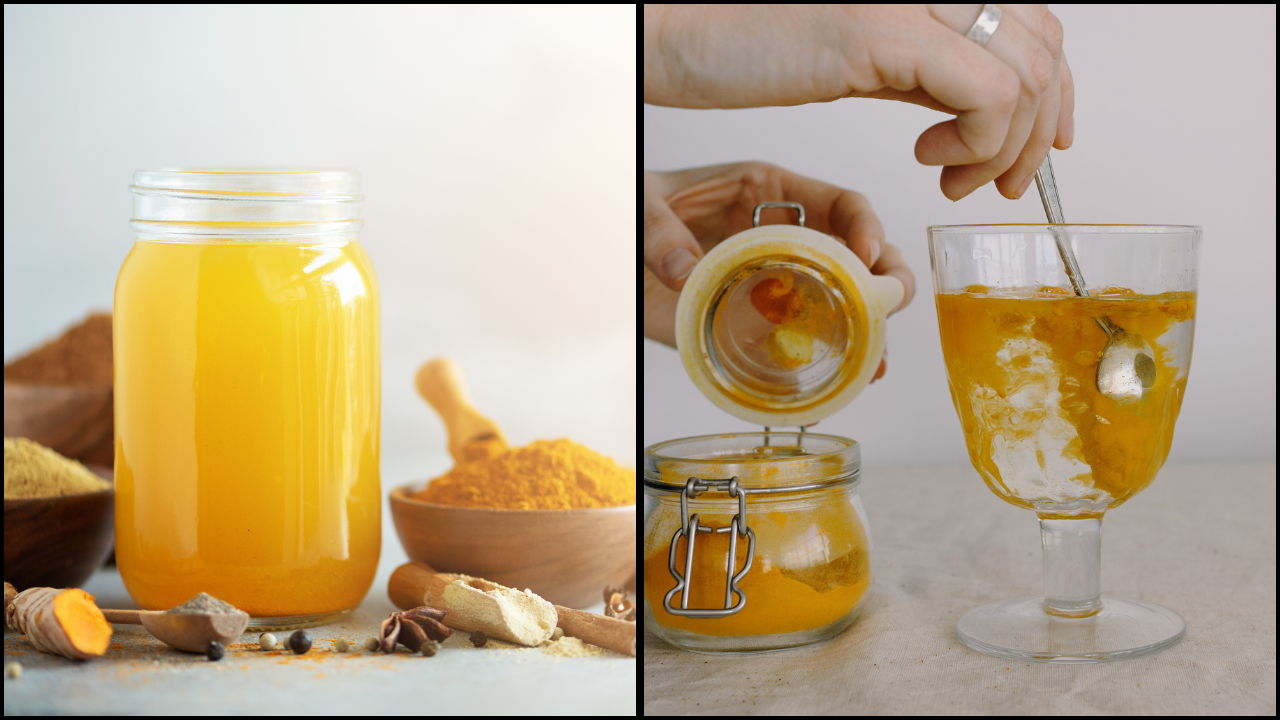
Explore the science behind turmeric and water benefits, preparation methods, and top export grades like Lakadong. Connect with verified global suppliers on Today Adviser.
Turmeric water is a simple yet powerful daily wellness tonic made by blending pure turmeric powder into warm water. Harnessing the incredible turmeric and water benefits, this golden drink has captured the attention of global consumers, health enthusiasts, and commercial B2B buyers alike.
As consumer demand for functional beverages skyrockets across international markets, importers, distributors, and wholesalers are aggressively scaling up their procurement operations. Sourcing high-grade raw materials—particularly premium varieties like Lakadong turmeric—is critical for brands looking to dominate the retail spice and supplement sectors.
Understanding the dynamics of global sourcing, curcumin properties, and strategic export routes enables B2B operators to capitalize on the booming golden spice economy. This comprehensive guide breaks down the science, the preparation, the market trends, and the sourcing mechanisms required to successfully navigate the international turmeric trade.
What is Turmeric Water and How is it Made?
Turmeric water is a beverage created by dissolving high-quality turmeric powder, and occasionally complementary ingredients like black pepper or lemon, into warm or hot water. While traditional recipes vary, the fundamental preparation remains straightforward and accessible for commercial product testing or daily use.
The Standard Preparation Process
To prepare a standard serving of turmeric water for quality assessment or daily consumption, follow this simple process:
- Measure the Spice: Take 1/2 teaspoon of pure, high-grade turmeric powder (such as Salem or Lakadong grades).
- Select the Liquid: Heat 250ml of water until it is warm, but not boiling, to prevent degrading delicate volatile oils.
- Add Enhancers: Whisk in a tiny pinch of black pepper. Piperine, the active compound in black pepper, significantly enhances the bioavailability of curcumin.
- Mix Thoroughly: Stir continuously until the powder is fully suspended and dissolved in the liquid.
Commercial Formulation Considerations
For B2B buyers developing instant drink mixes, ready-to-drink (RTD) beverages, or effervescent tablets, particle size and solubility are paramount. Micro-pulverized turmeric powder disperses much more uniformly in aqueous solutions than standard coarse-ground kitchen spices. Ensuring your Indian exporter provides ultra-fine mesh powders (typically 80 to 100 mesh) will dramatically improve end-product mouthfeel and consumer satisfaction.
Curcumin Properties and General Wellness Framing
The rising popularity of turmeric water is fundamentally anchored in its biochemical profile, most notably its active polyphenols known as curcuminoids. Curcumin is the primary bioactive compound responsible for turmeric's vibrant golden-yellow hue and its extensive functional reputation.
It is important to maintain a strict general-wellness framing. Turmeric water is not a pharmaceutical intervention or a medical cure for specific diseases. Instead, it functions as a potent dietary adjunct that supports overall vitality, cellular health, and daily nutritional balance.
Key Biochemical Characteristics
- Polyphenolic Structure: Curcumin acts as a powerful antioxidant, neutralizing free radicals and supporting the body's natural defense mechanisms against oxidative stress.
- Aqueous Solubility Challenges: Naturally, curcumin has low water solubility and rapid systemic elimination. This is why pairing turmeric water with dietary fats or piperine is a standard practice in functional food formulation.
- Synergistic Blending: In commercial nutraceuticals, curcumin is frequently co-formulated with ginger, cinnamon, or citrus extracts to enhance both flavor profiles and synergistic wellness properties.
Reported Benefits and What Science Says
While traditional Ayurveda has utilized turmeric for millennia, modern food science and clinical nutrition continue to investigate its array of reported benefits. Consumers drink turmeric water primarily for metabolic support, joint comfort, and digestive wellness.
Breakdown of Reported Benefits
| Benefit Category | Reported Traditional Use | Scientific / Research Focus | Commercial Relevancy |
|---|---|---|---|>
| Digestive Support | Stimulates bile production and eases bloating. | Evaluates gastrointestinal motility and gut microbiome support. | High demand in herbal teas and gut health tonics. |
| Oxidative Balance | Promotes cellular longevity and vitality. | Measures free-radical scavenging capacity and systemic stress reduction. | Core marketing angle for anti-aging and wellness powders. |
| Joint and Mobility | Relieves stiffness after physical exertion. | Investigates pathways related to physical recovery and tissue comfort. | Essential ingredient in sports nutrition and joint support blends. |
| Immune Support | Seasonal defense tonic during weather shifts. | Focuses on general immunomodulatory properties of curcuminoids. | Massive spikes in B2B demand during winter seasons. |
Best Time and Way to Consume Turmeric Water
Timing and delivery methods can heavily influence the consumer experience of turmeric water. For B2B brands designing packaging instructions or usage guides, understanding optimal consumption parameters adds immense value to the end product.
Optimal Consumption Windows
- Morning on an Empty Stomach: Many wellness practitioners recommend consuming turmeric water first thing in the morning to kickstart metabolic routines and hydration.
- Pre-Workout Routine: Due to its role in physical recovery and tissue comfort, athletes often consume warm turmeric blends 30 minutes before training sessions.
- Evening Wind-Down: Blending turmeric with warm plant-based milk or water in the evening offers a soothing, caffeine-free alternative to traditional nightcaps.
Improving Bioavailability
Because curcumin is notoriously difficult for the human body to absorb independently, B2B product developers should always recommend pairing instructions. Advising end-users to add a pinch of black pepper or a drop of coconut oil transforms turmeric water from a basic spiced drink into a highly bioavailable nutritional supplement.
Who Should Be Cautious?
Transparency is a core pillar of responsible B2B trade and manufacturing. While turmeric water is exceptionally safe for the vast majority of the global population, certain demographics should exercise caution or consult healthcare professionals before making it a daily habit.
Key Cautionary Groups
- Blood-Thinning Medication Users: Turmeric exhibits mild natural anticoagulant properties. Individuals on prescription blood thinners should monitor their intake.
- Gallbladder Condition Patients: Because turmeric stimulates bile production, those with bile duct obstructions or gallstones should seek medical guidance.
- Surgical Patients: It is standard medical practice to discontinue high-dose herbal supplements, including concentrated turmeric, at least two weeks prior to scheduled elective surgeries.
- Acid Reflux Sensitivity: For some individuals, strong spices on an empty stomach can trigger mild heartburn or gastric irritation.
The Turmeric Export Angle: India as a Global Powerhouse
India remains the undisputed epicenter of global turmeric production, consumption, and export. Accounting for the vast majority of the world's commercial turmeric supply, Indian farmers and processors dominate international trade routes.
Key Export Grades: Salem vs. Lakadong Turmeric
Global buyers must navigate various regional varieties, each boasting distinct characteristics, curcumin percentages, and price points:
- Salem Turmeric: Originating from the Salem district in Tamil Nadu, this variety is famous for its bright yellow color, high polish, and consistent cylindrical fingers. It is a staple in general industrial food coloring and standard spice blends.
- Lakadong Turmeric: Hailing from the Jaintia Hills of Meghalaya, Lakadong turmeric is widely regarded as one of the finest varieties globally. Unlike standard commercial grades that average 2% to 3% curcumin, genuine Lakadong turmeric boasts an astonishing curcumin content ranging from 7% to as high as 12%. This makes it exceptionally valuable for pharmaceutical extractors, premium supplement brands, and high-end retail markets.
How International Buyers Source Indian Turmeric
Sourcing turmeric from India requires navigating a structured export framework. Professional buyers typically follow a rigorous procurement workflow:
- Supplier Verification: Checking export licenses, APEDA (Agricultural and Processed Food Products Export Development Authority) registration, and ISO/HACCP certifications.
- Sample Request (Pre-Shipment): Ordering small batch samples to test curcumin percentage via HPLC (High-Performance Liquid Chromatography) testing.
- Grade and Mesh Selection: Specifying whole fingers, split bulbs, or fine powder (e.g., 100 mesh).
- Packaging and Logistics: Agreeing on moisture-proof multi-wall paper bags or vacuum-sealed LDPE liners to prevent mold during maritime transit.
How to Find Buyers for Turmeric Export and International Sourcing
For exporters, navigating the global marketplace requires proactive lead generation and digital visibility. Conversely, international buyers need reliable directories to filter out brokers and connect directly with verified agricultural producers.
Strategies for Exporters to Find Buyers
- Digital B2B Marketplaces: Listing inventory on trusted platforms like Today Adviser ensures visibility among pre-vetted global importers actively seeking verified suppliers.
- Trade Shows and Expos: Participating in global food exhibitions such as Anuga, SIAL, or Gulfood allows exporters to showcase physical samples of Lakadong and Salem turmeric.
- Direct Outreach & RFQ Monitoring: Responding swiftly to live Request for Quotation (RFQ) boards minimizes acquisition costs and secures high-intent buyers.
Best Practices for International Buyers
- Use Verified Directories: Utilize B2B platforms that mandate compliance checks, business license validations, and physical facility audits.
- Leverage RFQ Systems: Instead of cold-emailing thousands of unverified traders, post a detailed RFQ outlining target volume, curcumin percentage requirements, port of destination (e.g., FOB or CIF pricing), and certification standards.
Frequently Asked Questions
Is drinking turmeric water daily safe for everyone?
Generally, yes, consuming turmeric water daily is safe for most healthy adults when used as a culinary spice or mild wellness drink. However, individuals taking blood thinners, those scheduled for surgery, or people with specific gallbladder conditions should consult a medical professional before starting a daily regimen.
What are the main turmeric and water benefits?
Drinking turmeric water supports general wellness by delivering antioxidants, promoting healthy digestion, supporting joint comfort after physical exertion, and contributing to overall cellular vitality. When combined with black pepper, its systemic bioavailability is noticeably enhanced.
What is the best turmeric variety for export?
Lakadong turmeric is widely considered the premier variety for high-end export markets due to its exceptionally high curcumin content (7% to 12%). Salem turmeric is also highly sought after for standard commercial food processing, coloring, and mainstream spice retail.
How do international buyers find verified turmeric suppliers?
International buyers use specialized B2B trade platforms like Today Adviser to browse verified supplier directories, check export credentials, review compliance documentation, and post direct Requests for Quotations (RFQs) to source competitive pricing.
How does curcumin property affect turmeric water quality?
Curcumin is the primary bioactive polyphenol in turmeric. Because natural curcumin has low water solubility and rapid metabolism, high-quality export powders are often paired with piperine or healthy fats to maximize functional absorption in aqueous drinks.
What export documents are required for shipping turmeric powder?
Standard export documentation typically includes a Commercial Invoice, Packing List, Certificate of Origin, Phytosanitary Certificate, Bill of Lading, and an independent laboratory Certificate of Analysis (COA) confirming curcumin percentage and absence of heavy metals.
How should bulk turmeric powder be stored during transit?
Bulk turmeric powder must be stored in cool, dry, dark containers. Exporters commonly use moisture-barrier packaging such as multi-wall paper bags lined with food-grade LDPE liners inside shipping containers to prevent caking and mold growth.
Conclusion and Next Steps
The global demand for functional wellness ingredients like turmeric water and premium powders such as Lakadong turmeric continues to accelerate. Whether you are an international buyer searching for certified spice exporters or an exporter looking to expand your global reach, navigating the market requires trusted connections and verified trade channels.
Connect with verified global suppliers, compare live pricing, and source top-tier turmeric products by visiting the Today Adviser buyer directory. Post your specific procurement requirements on our Post-a-Requirement (RFQ) board today to connect directly with verified exporters worldwide.