Learn what neem cake is, its NPK and azadirachtin content, uses as an organic fertiliser, and how export buyers source it from India.
As global agriculture pivots rapidly toward sustainable practices, B2B buyers, importers, and agricultural exporters are increasingly sourcing high-efficiency organic inputs. At the forefront of this shift is a powerful botanical byproduct: neem cake. For international procurement managers and bulk commodity traders, understanding this versatile product is essential for capitalizing on the booming organic farming sector.
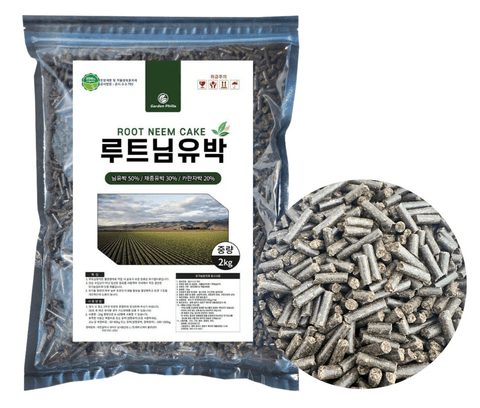
So, what is neem cake exactly? In simple terms, it is the solid organic residue remaining after the cold-pressing of neem tree (Azadirachta indica) seeds to extract their valuable oil. Far from being agricultural waste, this nutrient-dense cake serves as a powerhouse soil conditioner, a natural pest deterrent, and a premier organic fertiliser that bridges the gap between commercial yield demands and ecological sustainability.
In this comprehensive B2B guide, we examine the composition, industrial applications, market dynamics, and global trade strategies for sourcing and exporting neem cake. Whether you are an established exporter looking to scale your operations or an agricultural importer searching for verified suppliers, this resource covers everything you need to navigate the global neem cake market effectively.
Understanding Neem Cake: Meaning and Definition
To master the trade of any commodity, one must first understand its genesis. Neem cake, often referred to in global markets as neem seed meal or neem oil cake, is produced mechanically through the expeller-pressing or cold-pressing of dried neem fruits and kernels.
During the extraction process, the oil is separated for use in cosmetics, pharmaceuticals, and organic pesticides. The remaining solid cake is then dried, flaked, or pulverized into granules or fine powder for agricultural use. Historically utilized in traditional South Asian agriculture, it has evolved into a globally traded commodity valued for its dual action: nourishing the soil while actively protecting root systems from soil-borne pathogens and pests.
Botanical Composition and Active Compounds
What makes neem cake uniquely effective in modern agriculture is its complex biochemical profile. It is not merely a source of primary plant nutrients; it is a bio-pesticide and soil conditioner rolled into one.
- Macronutrients: Contains balanced proportions of Nitrogen (N), Phosphorus (P), and Potassium (K), alongside essential micronutrients like calcium, magnesium, sulfur, and zinc. (Note: Indicative NPK values typically range between 2.0% to 5.0% N, 0.5% to 1.0% P, and 1.0% to 2.0% K; buyers must verify live batch analysis certificates).
- Azadirachtin and Limonoids: The cake retains residual amounts of azadirachtin, meliantriol, salannin, and nimbin. These active limonoids act as powerful anti-feedants, insect growth regulators, and repellents.
- Saponins and Tannins: These compounds enhance the soil's water-holding capacity and inhibit the nitrification process, ensuring a slow and steady release of nutrients.
Core Uses of Neem Cake in Agriculture
The versatility of this organic input drives continuous demand across multiple agricultural sub-sectors, from large-scale commercial horticulture to certified organic crop production.
1. Premium Organic Fertiliser
Unlike synthetic nitrogen fertilizers that leach rapidly into groundwater, neem cake acts as a slow-release organic fertiliser. It breaks down gradually over several weeks, matching the nutrient uptake curve of growing plants. Its natural nitrification-inhibiting properties prevent nitrogen from escaping into the atmosphere as ammonia or washing away, thereby maximizing fertilizer efficiency and reducing input costs for farmers.
2. Broad-Spectrum Soil Conditioner
Beyond basic NPK delivery, regular application improves soil structure, aeration, and microbial diversity. It stimulates the proliferation of beneficial earthworms and nitrifying bacteria while lowering the overall pH of alkaline soils through organic acid production during decomposition.
3. Natural Pest and Nematode Repellent
One of the most valuable neem cake uses is its ability to protect crops against soil-dwelling pests. The residual bitter compounds and sulfur-bearing volatiles deter root-knot nematodes, whiteants, termites, grubs, and fungi. This makes it an indispensable tool for greenhouse operators and high-value crop producers facing severe soil pathogen pressures.
Neem Cake vs. Chemical Fertilisers
For B2B buyers advising commercial farming clients, understanding how botanical inputs stack up against conventional synthetics is crucial for marketing and sales.
| Feature | Neem Cake (Organic) | Chemical Fertilisers (e.g., Urea, NPK Blends) |
|---|---|---|
| Nutrient Release | Slow, sustained release over 6–8 weeks | Rapid release; prone to leaching and volatilization |
| Soil Health | Enhances microbial life and soil organic matter | Can degrade soil microbiome and structure over time |
| Pest Control | Naturally repels nematodes and soil pests | Offers zero protection against soil-borne pests |
| Environmental Impact | Biodegradable, zero toxic runoff | Risk of eutrophication and groundwater contamination |
| Cost Stability | Subject to seasonal agro-climatic yields | Volatile, tied directly to fossil fuel and energy costs |
Global Export Demand and Sourcing Strategies
International demand for neem cake is surging, driven by stricter government regulations on chemical pesticide residues, consumer preference for organic food, and the expansion of regenerative agriculture initiatives across Europe, North America, and parts of East Asia.
Target Markets for Exporters
- European Union: Driven by the Farm to Fork strategy, which aims to reduce chemical pesticide use by 50% by 2030.
- North America: High demand from commercial organic orchards, vineyards, turf management companies, and specialty crop growers.
- Asia-Pacific: Growing domestic and export markets utilizing organic inputs for tea, coffee, spice, and horticultural crops.
Sourcing and Procurement Considerations for Buyers
When importing bulk quantities of neem cake, procurement managers must evaluate several critical factors:
- Form Factor: Specify whether you require coarse flakes, granules, or fine powder. Powders are ideal for quick soil integration or liquid slurries, while granules are preferred for mechanical spreaders.
- Moisture Content: Ensure moisture levels are strictly maintained below 10% to prevent mold growth and caking during transit.
- Certification: Verify that shipments comply with international organic standards such as NOP (USDA), EU Organic, or JAS depending on the destination market.
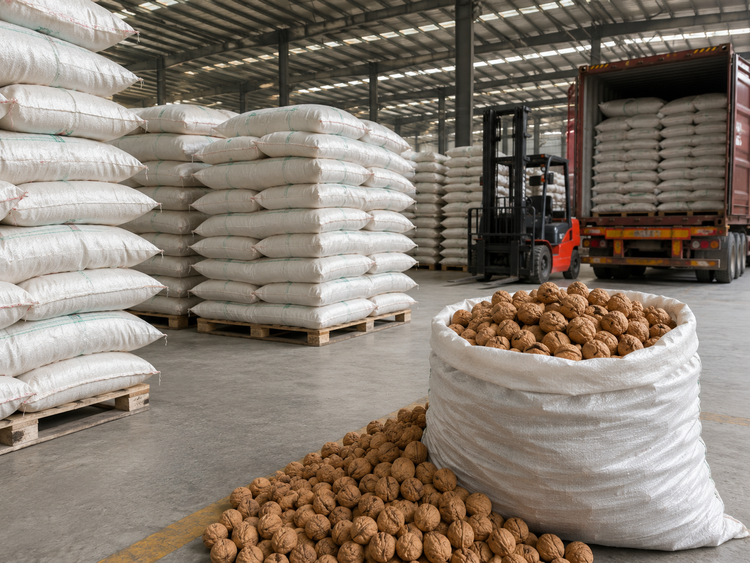
- Packaging Integrity: Typically exported in 25kg, 50kg, or 1000kg jumbo woven polypropylene bags with inner liners to protect against humidity.
How to Find Buyers for Neem Cake Export
For producers and exporters looking to scale their international footprint, identifying and converting qualified B2B buyers requires a targeted, multi-channel approach.
Leveraging Digital B2B Marketplaces
Modern export trade relies heavily on verified digital ecosystems. Platforms like Today Adviser connect vetted exporters directly with international buyers seeking certified organic inputs. By maintaining an optimized supplier profile, listing clear product specifications, and publishing up-to-date batch analysis reports, exporters can capture high-intent inbound inquiries.
Utilizing RFQ Boards and Export Leads
Active sourcing requires monitoring Request for Quotation (RFQ) boards daily. Buyers frequently post specific volume requirements, target delivery ports, and required organic certifications. Responding rapidly with transparent pricing, Incoterms (e.g., FOB, CIF), and sample availability significantly increases conversion rates.
Direct Outreach to International Buyers
Target procurement directors at global agricultural input distributors, organic fertilizer blending plants, and wholesale horticultural suppliers. Highlight the distinct advantages of your supply chain, such as direct farm sourcing, cold-press extraction purity, and stringent quality control protocols.
Frequently Asked Questions
What is neem cake used for primarily?
Neem cake is used primarily as an organic slow-release fertilizer, soil conditioner, and natural nematicide. It enriches soil with vital macronutrients while protecting plant roots from soil-borne fungi, bacteria, and parasitic nematodes.
Is neem cake safe and effective for all plant types?
Yes, it is beneficial for almost all plant types, including field crops, fruit trees, vegetables, turfgrass, and ornamentals. However, dosage must be carefully adjusted based on the specific crop's nutrient requirements and sensitivity.
How much neem cake should be applied per plant?
Dosage varies by plant size and type. For potted plants, 20–50 grams per pot is typical, while large field trees may require 1–2 kilograms mixed into the soil around the root zone. Always verify live supplier recommendations.
Which countries are the largest importers of neem cake?
Major import hubs include the United States, Canada, Germany, France, the Netherlands, Japan, and Australia, driven by strong organic farming sectors and strict regulations on chemical fertilizers.
What is the typical NPK composition of neem cake?
Indicative NPK values generally range between 2.0% to 5.0% Nitrogen, 0.5% to 1.0% Phosphorus, and 1.0% to 2.0% Potassium. Buyers should always verify live laboratory test certificates for exact batches.
How does neem cake act as a pest repellent?
It contains residual bitter limonoids like azadirachtin and sulfur compounds that deter soil pests, grubs, and nematodes, disrupting their feeding and reproductive cycles without harming beneficial earthworms.
What documentation is required for exporting neem cake?
Standard export documentation includes a Commercial Invoice, Packing List, Certificate of Origin, Phytosanitary Certificate, and an independent Laboratory Analysis Report verifying nutrient content and organic compliance.
How should bulk neem cake be stored during transport?
It must be stored in cool, dry conditions in moisture-resistant, lined polypropylene bags to prevent caking, microbial degradation, and loss of volatile active compounds during ocean freight.
Conclusion and Next Steps for B2B Trade
Neem cake represents a lucrative, highly sustainable commodity at the intersection of modern agronomy and global organic trade. By offering dual benefits as a nutrient-rich organic fertiliser and a potent natural pest deterrent, it fulfills the rigorous demands of contemporary farmers and environmentally conscious consumers alike.
Whether you are an exporter seeking reliable global distribution channels or a procurement manager searching for verified agricultural inputs, navigating this market requires precision, compliance, and trusted partnerships.
Ready to scale your agricultural trade operations? Visit the Today Adviser buyer directory today to connect with verified global suppliers, or post a requirement (RFQ) to receive competitive bids from certified exporters worldwide.