Explore the health benefits of makhana, nutrition profiles, and global export trends. Learn how to source quality fox nuts from verified suppliers on Today Adviser.
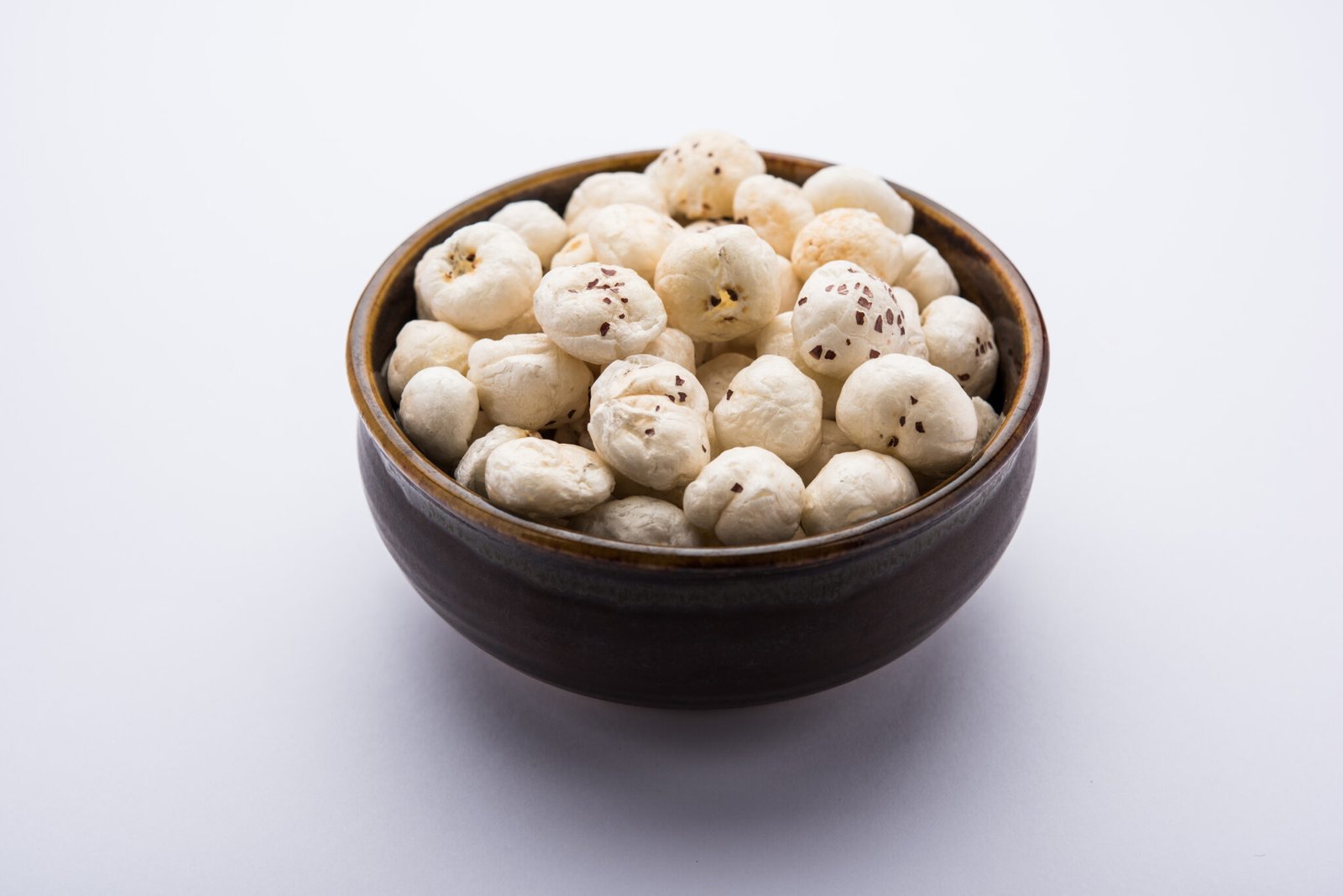
As global consumer preferences shift toward plant-based superfoods, the health benefits of makhana have propelled this ancient aquatic snack into international spotlight. Fox nuts, harvested primarily from the wetlands of Bihar and the Mithila region in India, are emerging as a high-margin commodity for B2B buyers seeking versatile, clean-label ingredients. This guide explores the complete profile of makhana, covering its nutritional advantages, processing grades, sourcing strategies, and the rising global export demand.
Originating predominantly from stagnant freshwater bodies, particularly ponds and oxbow lakes in eastern India, fox nuts represent a remarkable agricultural success story. Traditional farmers harvest the seeds manually, sun-dry them, and subject them to precise roasting and popping processes to yield the white, fluffy kernel familiar to global markets. Understanding the supply chain mechanics, from farm-gate sourcing to international trade compliance, is essential for B2B importers looking to capitalize on the fox nut boom.
Whether you are an established distributor expanding your snack portfolio or a food manufacturer sourcing functional ingredients, evaluating the quality parameters of makhana is crucial. This article provides a comprehensive overview of nutritional metrics, culinary applications, B2B trade grades, and actionable pathways to connect with verified suppliers through global B2B marketplaces like Today Adviser.
Understanding Makhana (Fox Nuts): Origin and Botany
Scientifically known as Euryale ferox, makhana belongs to the Nymphaeaceae family, making it a cousin of the water lily. The plant thrives in tropical and subtropical climates with high humidity and stagnant water depths ranging from 30 to 50 centimeters.
The Mithila and Bihar Heartland
Over 80% of the world's commercial makhana production originates from the Indian state of Bihar, with the Mithila region recognized as the global epicenter. The unique alluvial soil composition, coupled with traditional farming expertise passed down through generations, gives regional fox nuts their distinct expansion rate and texture upon popping.
- Geographical Indication (GI) Status: Mithila makhana holds a GI tag, protecting its authentic regional identity and ensuring buyers receive superior quality defined by traditional cultivation methods.
- Harvest Cycle: Harvesting occurs annually between July and September. Farmers wade into murky waters to collect the spiny, pea-sized black seeds from the bottom of the water bodies.
Nutritional Profile of Fox Nuts
Nutritional transparency is a key driver for B2B food manufacturers incorporating makhana into breakfast cereals, snack bars, and ready-to-eat pouches. While exact nutritional values vary slightly depending on the harvest season and processing method, indicative laboratory metrics per 100 grams of raw fox nuts show a balanced macro- and micro-nutrient profile.
| Nutrient Component | Indicative Value (Per 100g) | Trade Relevance |
|---|---|---|
| Energy | ~350 kcal | Ideal energy-dense snack base |
| Protein | ~9.7g - 11.5g | High plant-based protein content |
| Dietary Fibre | ~7.6g - 14.5g | Supports digestive health formulations |
| Total Fat | < 0.5g | Exceptionally low fat, clean-label profile |
| Carbohydrates | ~76g | Complex carbohydrates, low glycemic index |
| Minerals | Magnesium, Potassium, Iron, Calcium | Promotes mineral-enriched functional foods |
Note: B2B buyers must verify live nutritional certificates of analysis (CoA) from accredited laboratories for every specific export batch.
Core Health Benefits and General Wellness Framing
While fox nuts are not a medical treatment, incorporating them into a balanced diet offers distinct wellness advantages. The high concentration of plant protein and complex carbohydrates makes them an excellent satiating agent for general wellness.
Key Wellness Advantages
- Satiety and Weight Management: The combination of dietary fibre and protein promotes prolonged fullness, helping consumers manage daily caloric intake without feeling deprived.
- Cardiovascular Support: Naturally low in sodium and saturated fat while boasting high magnesium and potassium levels, makhana fits seamlessly into heart-healthy dietary frameworks.
- Gluten-Free Alternative: Being inherently gluten-free, fox nuts serve as a versatile flour base or snack alternative for consumers with celiac disease or gluten sensitivities.
- Low Glycemic Index: The slow-digesting carbohydrates prevent rapid blood sugar spikes, appealing to health-conscious demographics monitoring daily energy levels.
Who should eat makhana? Virtually anyone seeking a clean-label, plant-based snack. It is particularly popular among fitness enthusiasts, individuals managing weight, and consumers seeking allergen-free snack options.
Culinary Applications: How to Eat and Process Makhana
Raw makhana is unpalatable and requires roasting to unlock its crisp texture and nutty flavor profile. Global food processors transform raw popped kernels into various consumer-ready formats.
Common Preparation Methods
- Dry Roasting: Popped kernels are heated in a pan with minimal oil or ghee, tossed with turmeric, rock salt, or black pepper for a simple, savory snack.
- Flavored Coatings: Industrial manufacturers apply seasoning slurries, including peri-peri, Himalayan pink salt, cheese, caramel, and chocolate, targeting retail impulse-buy segments.
- Flour Milling: Ground makhana flour is utilized as a thickening agent in soups, baby foods, and gluten-free baking mixes.
B2B Trade Standards: Grades, Popping Quality, and Packaging
Successful makhana export depends heavily on adhering to international grading standards. Buyers must specify their exact requirements during contract negotiation to avoid supply chain discrepancies.
Grading Parameters
- Sutta (Size-Based Grading): Measured in millimeters or counts per 100 grams. Premium grades feature larger, uniform diameters (e.g., 5-sutta, 6-sutta).
- Popping Quality: High-grade makhana expands fully during popping, resulting in minimal unpopped hard seeds (locally called thurra).
- Moisture Content: Must be strictly maintained below 5% to prevent microbial growth and rancidity during long-haul maritime or air freight.
Packaging Considerations for Export
- Bulk Export: Typically packed in 10 kg to 20 kg vacuum-sealed food-grade LDPE bags enclosed within sturdy multi-ply corrugated master cartons.
- Retail Ready: Nitrogen-flushed pillow pouches or stand-up zipper bags ranging from 50g to 250g to preserve crispness and extend shelf life.
Global Export Demand and Sourcing Strategies
International demand for Indian fox nuts is expanding rapidly across North America, Europe, the Middle East, and Southeast Asia. B2B importers are increasingly looking past traditional snack commodities in favor of nutrient-dense, functional alternatives.
How to Find Buyers for Makhana Export
For exporters and suppliers navigating the global market, identifying active buyers requires a targeted digital strategy:
- Leverage Digital B2B Marketplaces: Platforms like Today Adviser connect verified exporters directly with international buyers actively posting procurement needs.
- Optimize for Export Keywords: Ensure your digital listings and company profiles rank for terms like makhana export, fox nut wholesale, and buy organic makhana to capture inbound search traffic.
- Targeted Outreach and Export Leads: Build a pipeline of qualified export leads by attending international food trade shows (e.g., Anuga, SIAL, Gulfood) and engaging with global distributors.
- Respond to RFQs Promptly: Utilize digital Request for Quotation (RFQ) boards to submit competitive pricing, compliance documentation, and sample policies to international buyers.
Compliance and Documentation
When importing makhana, buyers must ensure suppliers provide essential export documentation:
- Certificate of Origin (indicating the regional source, such as Bihar, India)
- Phytosanitary Certificate issued by agricultural inspection authorities
- Laboratory Test Reports for heavy metals, pesticide residues, and microbiological safety
- HACCP, ISO 22000, or BRCGS certifications for processing facilities
Frequently Asked Questions
What are the daily health benefits of makhana?
Eating makhana daily provides a sustained source of plant-based protein, dietary fibre, and essential minerals like magnesium and calcium. It supports digestive wellness, promotes satiety, and contributes to overall nutritional balance without adding unhealthy fats or excess sodium to your daily diet.
Does makhana help with weight loss?
Yes, makhana is widely utilized in weight management diets due to its low calorie and fat content combined with high fibre and protein levels. This nutritional combination promotes prolonged fullness, helping to curb between-meal cravings and manage daily caloric intake effectively.
How much makhana should one eat per day?
A standard daily portion is typically one to two handfuls (approximately 30 to 50 grams). This provides optimal nutritional benefits without overloading dietary fibre intake, which can occasionally cause mild digestive discomfort if consumed in excessive quantities.
Which countries import the most makhana?
Major import markets include the United States, Canada, the United Kingdom, United Arab Emirates, Australia, and various European Union nations. The rising demand is primarily driven by expanding South Asian diaspora communities and mainstream health-food consumers.
How is makhana graded for international trade?
Makhana is graded based on kernel size (measured in sutta or millimeters), expansion rate during popping, colour uniformity, and moisture content. Premium export grades feature large, uniformly popped white kernels with a moisture level kept strictly below five percent.
What is the shelf life of exported fox nuts?
When stored in cool, dry conditions inside hermetically sealed or vacuum-packed containers, processed and roasted makhana maintains optimal crispness and nutritional integrity for six to twelve months. Buyers should verify live shelf-life specifications with their chosen supplier.
Are there any side effects of consuming fox nuts?
Makhana is generally safe for the vast majority of consumers. However, overconsumption can occasionally lead to bloating or constipation due to the high fibre content. Individuals with specific seed allergies or those advised by a physician to follow a strict low-fiber diet should exercise caution.
Conclusion and Sourcing Next Steps
The commercial outlook for fox nuts remains exceptionally strong as global consumers demand cleaner, healthier snack alternatives. Whether you are an importer expanding your product catalog or a food brand seeking premium ingredients, securing a reliable supply chain is critical to success in this growing market.
To connect with verified global suppliers, compare export quotations, and source top-grade fox nuts, visit the Today Adviser Buyer Directory today. Post your specific procurement requirements via our RFQ portal to receive competitive bids from certified exporters worldwide.