Explore the complete guide to kharik in English, covering dried dates meaning, nutritional benefits, quality grades, and essential strategies for B2B export buyers.
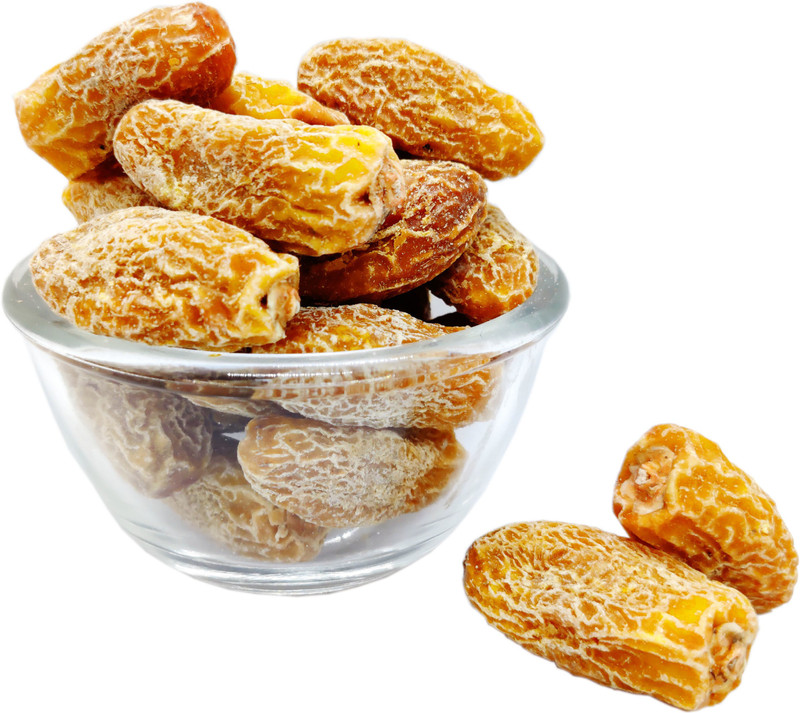
Kharik in English translates directly to dried dates, a nutrient-dense fruit highly valued in global B2B trade. Sourced primarily from mature tree-ripened dates subjected to controlled dehydration, kharik serves as a stable, long-shelf-life commodity that underpins multi-million-dollar agricultural trade routes between South Asia, the Middle East, and Southeast Asia.
For international procurement managers, food processors, and wholesale importers, understanding the nuances of dried dates is essential for effective sourcing. Unlike soft, moisture-rich fresh dates, kharik offers distinct logistical advantages, including lower spoilage rates, reduced shipping weights, and exceptional versatility across confectionery, traditional medicine, and everyday culinary applications.
This comprehensive guide explores the botanical processing, nutritional profiles, quality grading systems, and global trade dynamics of kharik. Whether you are looking to expand your dry dates export portfolio or secure reliable agricultural suppliers, the following insights provide a strategic roadmap for B2B engagement in the dried fruit sector.
What is Kharik and How is it Made?
Kharik refers to mature dates that have been systematically dehydrated until their moisture content drops below a specific threshold, typically under 15 percent. The production cycle begins with the careful harvesting of yellow or red date varieties when they reach peak physiological maturity on the palm.
The Traditional and Commercial Drying Process
- Harvesting: Bunches of hard, unripe or semi-ripe dates are harvested by hand to prevent bruising.
- Sorting and Cleaning: Fruits are washed to eliminate dust, debris, and foreign particulates, then sorted by size and structural integrity.
- Dehydration: The dates undergo sun-drying in arid yards for several weeks or are processed in commercial dehydrators under regulated heat conditions.
- Final Grading: Once hardened and shriveled, the dried dates are polished, sorted by grade, and packed into bulk export-grade jute or corrugated cartons.
This rigorous process concentrates the natural sugars and fibers within the fruit, resulting in a rock-hard texture that distinguishes kharik from other date variants in international markets.
Kharik vs. Fresh Dates vs. Dry Dates (Chuara)
In international trade terminology, nomenclature can often create confusion for buyers navigating diverse linguistic and regional markets. Let us clarify the distinctions.
| Feature | Fresh Dates (Rutab/Tamr) | Dry Dates / Kharik / Chuara | Pitted Soft Dates |
|---|---|---|---|
| Moisture Content | 20% to 30%+ | 10% to 15% | 15% to 22% |
| Texture | Soft, fleshy, succulent | Hard, woody, firm | Chewy, pliable |
| Shelf Life | Short (requires refrigeration) | Extended (ambient stable) | Moderate (sealed packaging) |
| Primary Use | Direct consumption, baking | Grinding, boiling, Ayurveda, snacking | Confectionery, energy bars |
While "chuara" is a common colloquial term used interchangeably with kharik in South Asian markets, global trade manifests both under the unified HS code category for dried dates. Sourcing managers must specify whether they require whole, pitted, or sliced variants to ensure precise supplier matching.
Nutrition and Health Benefits
Kharik is a powerhouse of micronutrients, making it a highly sought-after ingredient for functional foods, health supplements, and traditional formulations. From a general-wellness framing, incorporating dried dates into commercial food products yields significant nutritional enhancements.
Core Nutritional Advantages
- Sustained Energy Release: High natural carbohydrate content (primarily fructose and glucose) provides an immediate yet steady metabolic fuel source for athletes and active demographics.
- Dietary Fibre: Abundant in insoluble and soluble fibers that promote gastrointestinal motility, support gut microbiome health, and prevent constipation.
- Essential Minerals: Rich in iron, potassium, magnesium, and calcium, which collectively support hemoglobin synthesis, electrolyte balance, and bone density.
- Antioxidant Properties: Contains polyphenols and flavonoids that combat oxidative stress and systemic inflammation.
In wellness and nutraceutical manufacturing, kharik powder is increasingly utilized as a natural sweetener and nutritional fortifier in infant cereals, protein powders, and bakery pre-mixes.
Culinary and Ayurvedic Uses
Beyond industrial food manufacturing, kharik holds a revered status in culinary arts and traditional healing systems, particularly Ayurveda.
Culinary Integration
- Confectionery and Baking: Soaked and chopped kharik adds rich texture and natural sweetness to traditional puddings (kheer), fruit cakes, and energy balls.
- Spice Blends: Ground dried dates serve as a thickening agent and natural sweetener in specialized curry pastes and marinades.
- Beverages: Boiled with milk and cardamoms, kharik creates a restorative, warming winter drink popular across South Asia.
Ayurvedic Significance
In Ayurvedic pharmacopoeia, kharik is classified as a Balya (strength-promoting) and Rasayana (rejuvenating) substance. Practitioners recommend it to balance Vata dosha, enhance reproductive vitality, and accelerate recovery post-illness due to its dense nutritive qualities (Dhatu Pushti).
Quality Grades and Storage for Traders
Procuring dry dates export shipments requires stringent quality control to prevent financial loss and maintain supply chain integrity. B2B buyers must evaluate consignments based on standardized grading parameters.
Quality Grading Parameters
- Size and Uniformity: Measured by the number of pieces per kilogram. Premium grades feature large, uniform, unblemished fruits.
- Color Profile: Ranges from golden amber to deep dark brown, depending on the cultivar.
- Moisture Threshold: Must not exceed 15% to prevent mold proliferation during ocean transit.
- Foreign Matter: Zero tolerance for insect infestation, stone fragments, or extraneous organic debris.
Storage and Shelf-Life Guidelines
- Temperature: Store in cool, dry warehouses maintaining temperatures between 15°C and 20°C.
- Humidity: Relative humidity must be kept below 65% to avoid hygroscopic moisture absorption.
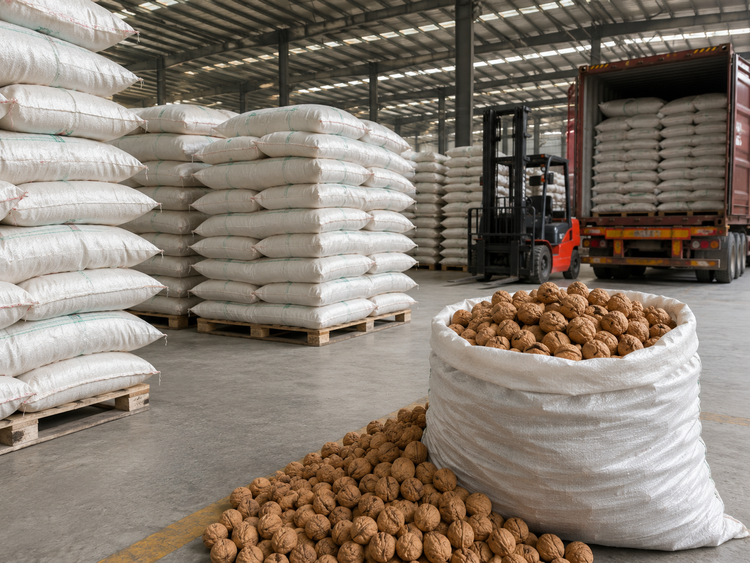
- Packaging: Utilize multi-wall paper bags, food-grade LDPE liners inside woven sacks, or sturdy corrugated master cartons to deter pests.
- Shelf Life: Properly stored kharik maintains optimal commercial viability for 12 to 24 months.
The Global Export Market and Trade Dynamics
The international trade of dried dates is a robust sector connecting major agrarian economies with consumer hubs worldwide. India remains a prominent exporter of kharik, alongside other Middle Eastern producers.
HS Code Classification
For customs clearance and tariff calculations, dried dates generally fall under HS Code 0804.10 (Dates, fresh or dried).
Key Import Corridors
- Gulf Cooperation Council (GCC): Countries like the UAE, Saudi Arabia, and Oman import substantial volumes for retail repackaging, traditional gift hampers, and confectionery use.
- Southeast Asia: Nations such as Indonesia, Malaysia, and Singapore represent rapidly growing markets driven by expanding Muslim consumer bases and thriving food processing industries.
- Western Diaspora Markets: Importers in North America and Europe source kharik to service ethnic retail grocers and specialty health food stores.
How to Find Buyers for Kharik Export
Expanding your agricultural export enterprise requires proactive market penetration strategies to connect with verified global purchasers. Finding reliable export buyers involves a combination of digital trade platforms, industry networking, and targeted outreach.
To accelerate your sales pipeline, you must actively source export leads that match your supply capacity and logistical capabilities. Securing verified international buyers minimizes credit risks and shortens negotiation cycles. By leveraging specialized B2B matchmaking portals, exporters can directly engage procurement directors seeking consistent dry dates export volumes.
If you want to find buyers for export without navigating the friction of traditional cold outreach, digital marketplaces offer streamlined solutions. You can list your inventory on the TodayAdviser buyer directory to showcase your products to active global importers. Furthermore, utilizing the platform's post-a-requirement (RFQ) feature allows you to respond directly to live procurement briefs published by verified international buyers looking for bulk kharik suppliers.
Frequently Asked Questions
What is kharik called in English?
In English, kharik is commonly referred to as dried dates or dry dates. In some trade contexts, it is also distinguished from soft dates by regional names like chuara, though dried dates is the universally recognized commercial term.
Can kharik be eaten daily?
Yes, consuming 2 to 4 pieces of kharik daily is generally considered safe and beneficial. Its high fibre, iron, and mineral content supports daily energy levels and digestion, though individuals managing diabetes should monitor portion sizes due to concentrated natural sugars.
How should bulk kharik be stored in a warehouse?
Bulk kharik should be stored in a cool, dry environment with ambient temperatures between 15°C and 20°C and relative humidity below 65 percent. Pallets must be elevated off the floor, and food-grade liners should be used inside cartons to prevent moisture ingress.
Which countries import dried dates from India?
Major import markets for Indian kharik include Gulf nations like the UAE and Saudi Arabia, Southeast Asian countries such as Malaysia and Indonesia, as well as various European and North American nations with active ethnic food sectors.
What is the typical shelf life of export-grade kharik?
When processed to a moisture content below 15 percent and stored in hygienic, temperature-controlled conditions, export-grade kharik maintains its quality, flavor, and texture for 12 to 24 months.
What HS code applies to dried dates in international trade?
Dried dates are globally classified under HS Code 0804.10. Exporters must verify specific sub-headings with local customs authorities to ensure accurate tariff and duty assessments.
How do I verify the quality of dry dates before shipping?
Quality verification involves inspecting moisture meters, checking for size uniformity, ensuring the absence of insect infestation, and requesting independent third-party phytosanitary and laboratory analysis certificates prior to dispatch.
How can I connect with verified international dry date buyers?
Exporters can leverage global B2B sourcing platforms like Today Adviser to access verified buyer directories, review active procurement tenders, and submit direct quotations via dedicated RFQ channels.
Conclusion
Navigating the global trade of kharik requires a firm grasp of product specifications, stringent quality control, and strategic market positioning. As demand for shelf-stable, nutrient-dense superfoods continues to surge across international markets, dried dates represent a lucrative commodity for proactive exporters and agile procurement managers alike.
Whether you are scaling your dry dates export operations or seeking dependable agricultural partners, leveraging trusted digital trade ecosystems is the key to sustainable growth. Explore the verified supplier and buyer networks on Today Adviser, post your specific trade requirements through our RFQ portal, and connect with verified international partners today to streamline your supply chain.