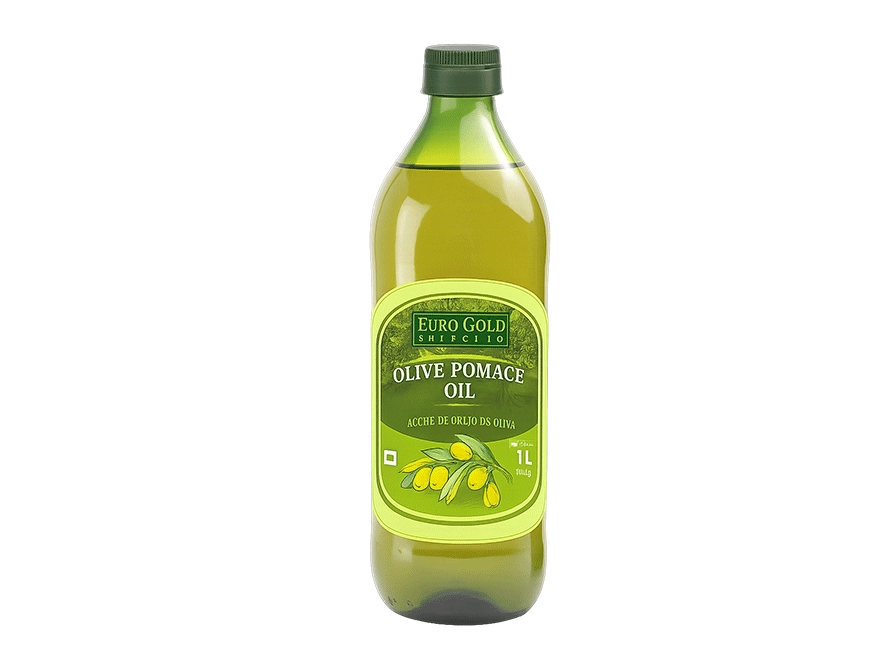
Discover what is olive pomace oil, its distinct grades, industrial uses, and global trade dynamics. Learn how to source quality oil and connect with verified buyers today.
What is olive pomace oil? Simply put, it is the oil extracted from the residual olive paste—known as pomace—after the mechanical first pressing of olives. For global B2B buyers, food manufacturers, and cosmetic formulators, understanding this versatile oil is essential for balancing cost-efficiency with functional performance in large-scale production.
While extra virgin olive oil commands the premium retail spotlight, olive pomace oil plays a foundational role in industrial applications, high-heat commercial kitchens, and personal care manufacturing. As international trade volumes grow, navigating its grades, certifications, and sourcing channels provides a distinct strategic advantage for global importers.
This comprehensive guide explores the definition, grades, applications, trade dynamics, and sourcing strategies for olive pomace oil, equipping B2B professionals with actionable insights for their supply chains.
Understanding Olive Pomace Oil: Meaning and Definition
To understand what is olive pomace oil, one must first look at the traditional olive oil production process. When olives are harvested and pressed mechanically, they yield extra virgin or virgin olive oil. However, the remaining solid waste—consisting of olive pulp, skin, fragments of the pit, and residual moisture—still contains a significant amount of oil.
Because this residual oil cannot be extracted mechanically without excessive heat or pressure that would ruin the quality, it requires specialized processing. Facilities use safe solvents (primarily food-grade hexane) to extract the remaining oil from the dried pomace. This extracted crude oil undergoes a refining process to neutralize free fatty acids, remove unwanted odors, and filter impurities, resulting in a stable, neutral-tasting oil ready for industrial and commercial use.
How It Differs from Extra Virgin and Pure Olive Oil
B2B buyers frequently field questions from clients regarding how pomace oil differs from other olive oil variants. The differences lie primarily in production methods, flavor profiles, smoke points, and chemical composition:
- Extra Virgin Olive Oil (EVOO): Unrefined, cold-pressed juice of the olive with zero chemical intervention. It features a robust flavor profile and a lower smoke point (~190°C), making it ideal for dressings, finishing, and low-heat cooking.
- Pure Olive Oil: A blend of refined olive oil and a small percentage of virgin or extra virgin olive oil to impart mild flavor and color. It is entirely mechanically derived, unlike pomace oil.
- Olive Pomace Oil: Extracted using solvents from the residual press cake, then refined. It has a high smoke point (~240°C), a completely neutral flavor, and a high concentration of beneficial squalene and phytosterols, making it distinct from pressed oils.
| Feature | Extra Virgin Olive Oil | Pure Olive Oil | Olive Pomace Oil |
|---|---|---|---|
| Extraction Method | Mechanical pressing only | Mechanical + Refining | Solvent extraction + Refining |
| Flavor Profile | Distinct, fruity, pungent | Mild, light olive flavor | Completely neutral |
| Smoke Point | ~190°C (374°F) | ~210°C (410°F) | ~240°C (464°F) |
| Primary Use | Direct consumption, dressings | General cooking, baking | Deep frying, industrial food, cosmetics |
| Price Point | Premium | Moderate | Cost-effective |
Olive Pomace Oil Grades
International trade standards, regulated primarily by the International Olive Council (IOC) and national bodies like the USDA and FSSAI, categorize olive pomace oil into distinct grades. B2B buyers must specify the correct grade in their purchase orders to ensure compliance and end-use suitability.
Crude Olive Pomace Oil
Crude olive pomace oil is the direct output of the solvent extraction process. It is dark in color, possesses high acidity, and is not suitable for human consumption in its raw form. Importers generally purchase crude pomace oil to supply local refineries equipped with neutralization, bleaching, and deodorization (NBD) machinery.
Refined Olive Pomace Oil
Refined olive pomace oil is crude oil that has undergone industrial purification to remove free fatty acids, color bodies, and volatile compounds. It has a clear, light yellow appearance, zero taste, and low acidity. This grade serves as the base for industrial frying operations and cosmetic formulations.
Blended Olive Pomace Oil
Blended olive pomace oil consists of refined olive pomace oil mixed with a percentage of virgin olive oil (usually between 5% and 10%). This addition restores a mild olive aroma and faint flavor, making it more appealing for commercial kitchens and retail packaging in budget-conscious markets.
Culinary, Cosmetic, and Industrial Uses
Knowing olive pomace oil uses helps procurement managers identify new market opportunities and optimize product formulations across diverse sectors.
Culinary and Food Service Applications
The culinary sector values pomace oil for its remarkable thermal stability and neutral taste profile. Key applications include:
- Industrial Deep Frying: Commercial snack manufacturers use pomace oil to fry potato chips, nuts, and instant noodles because it does not overpower the food's natural flavor and resists thermal breakdown.
- HORECA Sector: Hotels, restaurants, and catering services utilize it as a cost-effective alternative to seed oils while retaining the health halo of olive-derived lipids.
- Baking and Canning: Used as a release agent in baking pans and as a packing medium for canned vegetables and fish.
Cosmetic and Personal Care Manufacturing
Beyond the kitchen, cosmetic formulators prize olive pomace oil for its rich content of vitamin E, squalene, and oleic acid:
- Soap Making: It serves as a primary base oil in traditional castile-style and commercial bar soaps, providing a rich, stable lather.
- Skin and Hair Care: Included in massage oils, lotions, and hair conditioners for its emollient properties.
Quality Standards, Labelling, and Compliance
Navigating international trade requires strict adherence to quality benchmarks. Buyers must demand Certificates of Analysis (CoA) for every shipment to verify chemical parameters.
Key Chemical Parameters
- Free Acidity (expressed as oleic acid): Must not exceed 0.3g per 100g in refined pomace oil.
- Peroxide Value: Indicates oxidation levels; should be kept well within regulatory limits (typically max 5 mEq O2/kg).
- Fatty Acid Composition: Gas chromatography must confirm the absence of adulteration with seed oils (such as soybean, sunflower, or canola).
Regulatory Documentation Checklist
- Commercial Invoice and Packing List
- Bill of Lading / Air Waybill
- Certificate of Analysis (CoA) issued by an accredited laboratory
- Certificate of Origin (CoO)
- Phytosanitary Certificate (where applicable)
- Health / Sanitary Certificate for food-grade imports
The Trade Angle: India Imports Pomace Oil and Global Dynamics
Olive pomace oil is a heavily traded commodity, with Mediterranean countries—principally Spain, Italy, and Greece—dominating global export supply. On the demand side, emerging markets play a pivotal role in absorbing industrial volumes.
A prime example of this trade dynamic is seen when India imports pomace oil in substantial quantities. Due to its price competitiveness compared to extra virgin varieties, the Indian food processing and HORECA sectors rely heavily on imported pomace oil to meet local demand for high-heat cooking oils. Importers secure bulk shipments in flexitanks, ISO tanks, or drums, distributing them downstream to regional wholesalers and manufacturers.
Sourcing Strategy for Importers
Successful global buyers follow a structured sourcing workflow:
- Define Specifications: Determine whether you require refined or blended pomace oil, and specify packaging (bulk drums, IBC totes, or flexitanks).
- Verify Supplier Credentials: Audit export licenses, ISO/HACCP certifications, and track records.
- Request Samples: Conduct laboratory bench testing on physical samples to verify smoke point, neutrality, and purity.
- Negotiate Incoterms: Opt for FOB or CIF terms depending on your freight management capabilities, keeping indicative spot pricing in mind and verifying live market rates before locking in long-term contracts.
How to Find Buyers for Olive Pomace Oil
For exporters, refiners, and bulk traders, identifying active, creditworthy international buyers is the core driver of business growth. Relying solely on cold outreach is inefficient in the B2B marketplace; instead, successful exporters utilize strategic trade platforms and data-driven methods.
Leveraging Export Leads and Digital Marketplaces
To find buyers for export, suppliers must position their product catalogs where global procurement professionals actively search. B2B directories aggregate verified international buyers who post exact requirements, giving exporters direct access to high-intent leads.
- Utilize Dedicated Trade Platforms: Platforms like Today Adviser connect verified exporters directly with vetted global olive oil importers.
- Monitor RFQs (Request for Quotation): Actively scanning buyer requirement boards allows suppliers to respond immediately with competitive pricing and logistical terms.
- Leverage Export Intelligence: Use trade data databases to analyze import volumes of target markets, identifying which countries and ports show rising demand for pomace oil.
Maximizing Your B2B Profile
When positioning your company to international buyers, ensure your digital storefront highlights:
- Clear supply capacities (e.g., metric tons per month).
- Transparent packaging options (flexitanks, steel drums, retail bottles).
- Readily downloadable compliance documents and lab reports.
Frequently Asked Questions
What is olive pomace oil made from?
Olive pomace oil is made from the residual olive paste—including pulp, skin, and pits—that remains after the initial mechanical pressing of olives to produce extra virgin olive oil. It is extracted using safe food-grade solvents and subsequently refined.
Is olive pomace oil the same as regular olive oil?
No, it is not the same. Regular olive oil or pure olive oil is mechanically extracted and blended. Olive pomace oil is extracted using chemical solvents from the leftover olive waste and then refined to remove impurities and neutralize flavor.
What are the primary uses of olive pomace oil?
Its primary uses include industrial deep frying, commercial food manufacturing, and use in the HORECA sector due to its high smoke point and neutral taste. It is also widely used in cosmetics for soap making and skin care formulations.
Which countries are the main exporters of pomace oil?
Spain, Italy, and Greece are the dominant global exporters of olive pomace oil, driven by their massive olive oil production infrastructure which generates large quantities of high-quality pomace residue for extraction.
Is olive pomace oil safe for consumption?
Yes, refined olive pomace oil is entirely safe for human consumption. The refining process removes extraction solvents, heavy impurities, and free fatty acids, resulting in a purified cooking oil that meets international food safety standards.
How should olive pomace oil be stored in bulk?
Bulk olive pomace oil should be stored in cool, dark, and dry environments away from direct sunlight and heat sources. Storing it in stainless steel tanks, food-grade drums, or nitrogen-blanketed flexitanks prevents oxidation and preserves shelf life.
Conclusion
Olive pomace oil remains a vital, cost-effective commodity bridging the gap between high-end culinary demands and rigorous industrial requirements. Whether you are an exporter seeking international buyers or an importer looking to secure reliable bulk supply, understanding grades, quality benchmarks, and trade routes is critical for success.
To connect with verified global suppliers, compare live pricing, or post your specific product requirements, visit the Today Adviser Buyer Directory and submit your RFQ today.