Discover comprehensive insights into neem cake fertilizer forms, application methods, and export specifications. Connect with verified international buyers on Today Adviser.
As global agriculture shifts toward sustainable inputs, neem cake fertilizer has emerged as a premier organic soil conditioner and natural pest deterrent. Derived from crushed neem seeds after oil extraction, this versatile byproduct enriches soil health while offering a chemical-free defense against nematodes and soil-borne pathogens.
For international traders, importers, and agricultural enterprises, understanding the nuances of sourcing, processing, and application is critical for maximizing commercial value. Whether you are handling raw powder or compressed neem cake pellets, navigating export regulations and global supply chains requires precision, verified sourcing, and strategic B2B engagement.
This comprehensive guide explores the structural forms, application methodologies, export specifications, and international trade strategies for successfully scaling your neem cake fertilizer operations in the global marketplace.
Understanding Neem Cake Fertilizer: Forms and Characteristics
Raw neem cake is produced during the cold-pressing or solvent-extraction of oil from neem kernels (Azadirachta indica). The resulting residue is packed with residual triterpenoids, azadirachtin, and essential macronutrients like nitrogen, phosphorus, and potassium (NPK). However, the physical presentation of the product dictates its handling, application efficiency, and transport viability.
Powder vs. Pellets: A Comparative Analysis
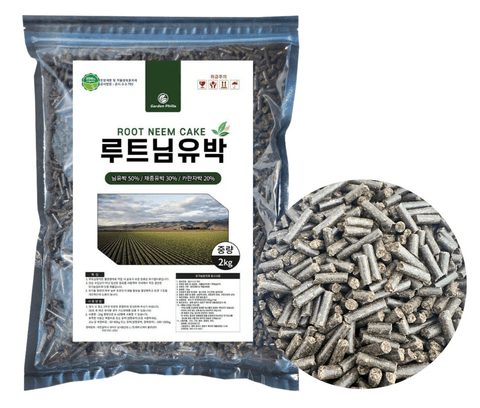
The choice between powder and pelleted forms depends heavily on your end-user market, application machinery, and logistical considerations. Importers must evaluate both options to align with their target agricultural sector.
| Feature | Neem Cake Powder | Neem Cake Pellets |
|---|---|---|
| Handling & Dusting | High dust generation; requires protective gear during manual handling. | Dust-free; clean to handle, store, and transport. |
| Application Method | Broadcast spreading, manual mixing, or suspension in liquid slurries. | Mechanical broadcasting, seed drills, and deep placement. |
| Decomposition Rate | Rapid breakdown; nutrients release quickly into the root zone. | Slower, controlled-release profile; resists rapid leaching. |
| Storage & Caking | Prone to moisture absorption and caking if exposed to high humidity. | Highly stable; less hygroscopic due to mechanical compression. |
| Freight & Packaging | Requires tight, moisture-proof liners to prevent clumping. | Packs densely in standard container loads, maximizing payload. |
Nutrient Profile and Bioactive Compounds
Neem cake is celebrated not merely as a fertilizer, but as a dual-action soil amendment. Its typical organic NPK range spans from 2.0% to 5.0% Nitrogen, 0.5% to 1.0% Phosphorus, and 1.0% to 2.0% Potassium. Beyond primary nutrients, it contains secondary elements like calcium, magnesium, and sulfur.
The real commercial value lies in its limonoids and bitter principles, primarily nimbin, salannin, and azadirachtin. These compounds inhibit nitrification by slowing down the conversion of ammonium to nitrates through natural bacterial inhibition, making it an exceptional companion for conventional and organic urea fertilizers alike.
Soil Health and Yield Benefits
Integrating neem cake fertilizer into commercial cropping systems delivers multi-layered agronomic advantages. Global buyers increasingly demand organic alternatives that do not compromise yield.
Natural Pest and Nematode Suppression
The most prominent attribute of neem cake is its capacity to control root-knot nematodes (Meloidogyne spp.) and soil-dwelling insect larvae. When incorporated into the soil, decomposing neem compounds release fatty acids and odorous metabolites that paralyze or repel parasitic nematodes.
Enhancement of Soil Microbiome
Unlike synthetic chemical inputs that can sterilize rhizosphere microflora, organic neem cake stimulates beneficial microbial activity. It acts as a carbon source for actinomycetes and mycorrhizal fungi, fostering a balanced soil ecosystem that naturally suppresses pathogenic fungi such as Fusarium, Rhizoctonia, and Pythium.
Improved Cation Exchange Capacity (CEC)
Regular application of organic matter improves soil aggregation, water retention capacity, and CEC. This ensures that applied minerals remain available to plant roots rather than leaching away during heavy irrigation or rainfall events.
Neem Cake Application: Rates and Methods
Precise application ensures maximum efficacy without causing phytotoxicity from over-concentration. Always verify live regional agronomic conditions, soil test results, and crop-specific guidelines before field execution.
Field Crops and Broadacre Agriculture
For staple field crops such as rice, wheat, corn, and cotton, neem cake is typically broadcast and plowed into the soil during final land preparation.
- Indicative Basal Application Rate: 200 kg to 500 kg per hectare, depending on existing soil organic carbon and nematode pressure.
- Method: Broadcast evenly across the field 10 to 15 days prior to sowing or transplanting. Incorporate to a depth of 10 to 15 centimeters to ensure direct contact with the root zone.
- Top Dressing: Can be side-dressed during active vegetative growth stages, followed by light irrigation to activate nutrient release.
Horticultural and Potted Crops
High-value greenhouse crops, orchards, and container-grown plants benefit immensely from targeted neem cake application.
- Potted Plants (Indicative): Mix 10 to 20 grams of neem cake powder or small pellets thoroughly per kilogram of potting soil mix.
- Fruit Orchards (Indicative): Apply 1 kg to 3 kg per mature tree annually, spread evenly around the drip line and lightly raked into the topsoil.
- Nursery Beds: Incorporate 50 grams per square meter of seedbed to protect germinating seedlings from damping-off diseases.
Combining with Other Organic Inputs
Neem cake works synergistically when blended with other organic fertilizers. Combining it with vermicompost or farmyard manure accelerates microbial colonization and neutralizes overly rapid nitrogen release. Furthermore, blending neem cake with rock phosphate enhances the solubilization of bound phosphorus due to organic acids produced during decomposition.
Packaging, Shelf Life, and Export Specifications
International trade of organic fertilizers requires strict adherence to quality parameters, moisture control, and durable packaging to withstand maritime transit.
Packaging Standards
To prevent moisture ingress and caking, professional exporters utilize multi-layer packaging:
- Primary Liner: Inner High-Density Polyethylene (HDPE) or Low-Density Polyethylene (LDPE) liner, heat-sealed.
- Outer Bag: Woven polypropylene (PP) bags or kraft paper bags ranging from 25 kg to 50 kg capacity, or 500 kg to 1000 kg Jumbo bags (FIBC) for industrial buyers.
- Palletization: Fumigated wooden pallets or heat-treated (ISPM 15 compliant) plastic pallets, shrink-wrapped for stability during container transport.
Shelf Life and Storage Conditions
Neem cake possesses a relatively long shelf life if stored correctly:
- Duration: Typically 12 to 24 months from the manufacturing date.
- Storage Requirements: Store in cool, dry, well-ventilated warehouses away from direct sunlight and moisture. Relative humidity should be kept below 65% to prevent fungal growth or premature degradation of active ingredients.
Export Documentation and Compliance
Navigating customs clearance for neem cake export requires a meticulous approach to documentation:
- Certificate of Analysis (CoA): Detailing moisture content (ideally < 10%), NPK percentage, and foreign matter.
- Phytosanitary Certificate: Issued by the national plant protection organization of the exporting country, confirming the product is free from live quarantine pests.
- Certificate of Origin: Authenticating the source of manufacture.
- Material Safety Data Sheet (MSDS): Outlining safe handling, non-hazardous classification, and emergency response procedures.
Finding International Buyers for Neem Cake Fertilizer Export
Scaling an agricultural export business requires proactive digital outreach, targeted lead generation, and utilization of specialized B2B trade platforms.
Leveraging Digital B2B Channels
Traditional trade shows are valuable, but digital marketplaces drive continuous, year-round inquiries. To successfully find buyers for export, suppliers must optimize their digital storefronts with clear product specifications, high-resolution imagery of neem cake pellets, and transparent minimum order quantities (MOQs).
Natural Use of Export Buyer and Export Leads
Generating qualified export leads involves targeting commercial farms, organic fertilizer blenders, and agricultural input distributors in high-demand regions such as Europe, North America, and Southeast Asia. B2B platforms aggregate these international buyers, allowing exporters to pitch directly to verified decision-makers.
Maximizing RFQs (Request for Quotations)
An active RFQ is one of the most powerful tools for an exporter. When an international buyer posts a requirement for neem cake fertilizer, suppliers must respond swiftly with detailed commercial terms, CIF or FOB pricing, port of loading, and sample availability. Speed and precision separate successful exporters from casual respondents.
The Role of Today Adviser in Global Sourcing
For verified suppliers and global importers alike, connecting through trusted channels eliminates counterparty risk. Platforms like Today Adviser provide a dedicated B2B ecosystem where exporters can list their agricultural commodities and buyers can post specific RFQs. By utilizing the TodayAdviser buyer directory and post-a-requirement feature, international traders can efficiently source certified organic inputs, verify supplier credentials, and streamline cross-border transactions.
Frequently Asked Questions
How to apply neem cake fertilizer effectively?
Neem cake should be broadcast and incorporated into the top 10 to 15 cm of soil during land preparation, or applied around the root zone of established plants. Always water the soil lightly after application to activate the decomposition process and initiate nutrient release.
What is the difference between neem cake pellets and powder?
Powder is fine-textured and breaks down rapidly in soil, but can be dusty to handle. Pellets are compressed into uniform cylinders, making them dust-free, easier to store, and ideal for mechanical spreading while offering a slower, controlled nutrient release profile.
What is the typical shelf life of neem cake fertilizer?
When stored in a cool, dry warehouse with relative humidity below 65% and sealed in moisture-proof HDPE-lined bags, neem cake maintains its efficacy and nutritional integrity for 12 to 24 months.
How to export neem cake fertiliser successfully?
Exporting requires securing a clean Certificate of Analysis, a Phytosanitary Certificate from local agricultural authorities, moisture-resistant packaging, and partnering with verified international buyers through specialized B2B trade channels and digital RFQ systems.
What are the primary benefits of neem cake for soil health?
Neem cake enriches soil with organic NPK, suppresses harmful root-knot nematodes and soil pathogens, stimulates beneficial microbial activity, and improves overall soil structure and cation exchange capacity.
Can neem cake be combined with synthetic fertilizers?
Yes. Neem cake acts as a natural nitrification inhibitor. When blended with urea or synthetic fertilizers, it slows down nitrogen conversion, reducing leaching losses and improving overall fertilizer uptake efficiency by plants.
Are prices and supply capacities fixed for export?
All pricing, freight costs, and supply capacities are indicative and subject to seasonal harvest variations, raw kernel availability, and global logistics rates. Always verify live quotes directly with verified suppliers.
Conclusion and Next Steps
Neem cake fertilizer remains a cornerstone of sustainable, residue-free agriculture, bridging the gap between high crop yields and long-term soil stewardship. Whether you are scaling production of premium neem cake pellets or seeking reliable organic soil conditioners for large-scale farming operations, mastering application techniques and export compliance is essential.
To connect with verified global exporters, source high-grade organic inputs, or respond to active trade leads, visit Today Adviser today. Post your specific procurement needs on the TodayAdviser buyer directory and post-a-requirement (RFQ) platform to streamline your global supply chain with confidence.