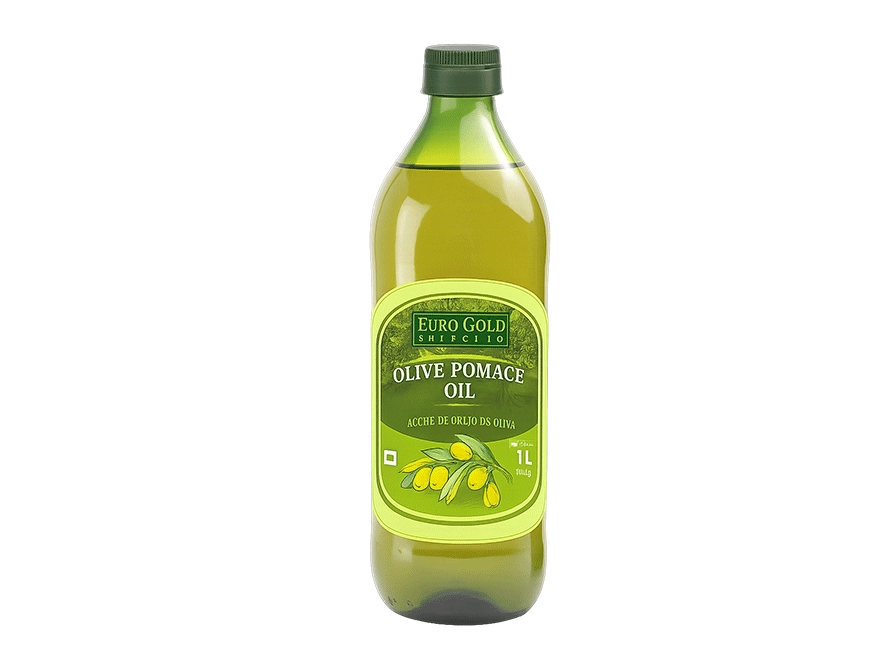
Discover the health benefits, nutritional profile, and high-heat cooking advantages of olive pomace oil. Learn how global B2B buyers source quality pomace oil safely.
Is olive pomace oil good for you? Yes, when sourced correctly and used for high-heat cooking, this versatile vegetable oil offers a neutral flavor, high smoke point, and valuable oleic acid content. For global B2B buyers, food processors, and wholesale distributors, navigating the nuances of olive pomace oil is essential for balancing culinary performance with cost-effectiveness in large-scale food production and cosmetics manufacturing.
Derived from the residual paste after the mechanical extraction of extra virgin and virgin olive oils, pomace oil undergoes a refining process to make it edible and suitable for industrial applications. While it lacks the intense polyphenols of raw extra virgin varieties, it remains a stable, heart-healthy cooking medium. Understanding its nutritional profile, production stages, and quality benchmarks enables global importers to make informed sourcing decisions.
In this comprehensive guide, we examine the nutritional composition of olive pomace oil, weigh its health benefits against its limitations, explore industrial vs. cosmetic applications, outline best practices for bulk procurement, and detail how international suppliers and buyers connect on digital trade platforms like Today Adviser.
Understanding Olive Pomace Oil: Production and Processing
To appreciate what olive pomace oil is, one must understand the olive oil extraction lifecycle. When olives are pressed for extra virgin olive oil, roughly 5% to 8% of the oil remains trapped in the solid residue, known as pomace. This leftover pulp consists of olive skin, flesh, and pits.
Because this residual oil cannot be extracted mechanically alone, solvent extraction methods—typically using food-grade hexane—are applied in specialized refineries. The resulting product is crude olive pomace oil, which is inedible in its raw state due to high acidity and impurities.
Refined vs. Crude Pomace Oil: What to Choose
Crude pomace oil is strictly an industrial intermediate and is never used directly for human consumption. It must undergo a rigorous refining process that includes neutralization, bleaching, and deodorization (NBD).
- Crude Olive Pomace Oil: High free fatty acid content, dark color, and unpleasant odor. Reserved exclusively for further industrial refining or technical uses like soap-making.
- Refined Olive Pomace Oil (often blended): Neutralized and deodorized. To restore mild flavor and stability, refiners frequently blend refined pomace oil with a small percentage (typically 1% to 5%) of virgin olive oil. This finished product is what global food buyers purchase for cooking and food processing.
Nutritional Profile: Fats, Smoke Point, and Antioxidants
When evaluating if olive pomace oil is good for health, professionals look closely at its fatty acid distribution and thermal stability. While processing reduces certain heat-sensitive antioxidants, the core lipid profile remains fundamentally beneficial.
Indicative Nutritional Values per 100g
- Total Fat: 100g
- Saturated Fat: ~14g to 16g
- Monounsaturated Fat (Oleic Acid): ~70g to 75g
- Polyunsaturated Fat: ~8g to 10g
- Trans Fat: 0g
- Cholesterol: 0mg
- Smoke Point: ~238°C to 242°C (approx. 460°F to 468°F)
Fatty Acid Composition
Like other olive oils, pomace oil is exceptionally rich in monounsaturated fatty acids, specifically oleic acid (omega-9). Oleic acid is widely recognized in nutritional science for supporting cardiovascular health by helping maintain healthy cholesterol ratios when replacing saturated fats in the diet.
Smoke Point Advantage
One of the primary selling points for commercial kitchens and food processors is the high smoke point. At nearly 240°C, refined olive pomace oil resists thermal breakdown during intensive frying, roasting, and industrial baking processes. This prevents the rapid formation of harmful polar compounds and acrolein compared to lower-smoke-point culinary oils.
Antioxidant Content
During the high-temperature refining process, many of the delicate polyphenols and vitamin E compounds naturally found in fresh olives are degraded. However, when producers blend back a fraction of virgin olive oil, the resulting pomace oil retains modest levels of tocopherols and squalene, offering functional health benefits compared to seed oils.
Health Benefits of Olive Pomace Oil
While extra virgin olive oil remains the gold standard for raw consumption and heart health, olive pomace oil provides distinct advantages in general-wellness frameworks and commercial settings.
High-Heat Culinary Performance
For institutional catering, snack food manufacturing, and large-scale frying, stability under heat is paramount. Olive pomace oil provides a clean, neutral taste profile that does not overpower food items, making it ideal for potato chips, baked goods, and pre-fried frozen foods where a heavy olive flavor would be undesirable.
Cosmetic and Topical Applications
Beyond the kitchen, the cosmetic industry represents a major demand driver for olive pomace oil. Rich in squalene and emollient fatty acids, it is frequently utilized as a base oil in formulating soaps, body lotions, hair conditioners, and massage oils. Its neutral scent and high spreadability make it an economical emollient for personal care brands.
Cost-Effective Plant-Based Lipid
For food manufacturers facing tight operating margins, pomace oil bridges the gap between premium culinary oils and generic vegetable oils (such as soybean or palm oil). It delivers the nutritional prestige of the olive tree at a significantly lower price point than extra virgin grades.
Risks and Limitations vs. Extra Virgin Olive Oil
Transparency is vital in B2B trade. Importers must clearly understand where olive pomace oil falls short compared to extra virgin varieties:
| Feature | Extra Virgin Olive Oil | Olive Pomace Oil |
|---|---|---|
| Extraction Method | Mechanical pressing only | Solvent extraction + refining |
| Polyphenol Content | High (potent antioxidants) | Low to moderate (post-refining) |
| Flavor & Aroma | Robust, fruity, bitter notes | Neutral, mild, odorless |
| Smoke Point | Lower (~190°C to 207°C) | Higher (~238°C to 242°C) |
| Primary Use | Salad dressings, dipping, finishing | Deep frying, industrial baking, cosmetics |
| Price Point | Premium | Budget-friendly |
Limitations
- Lack of Complex Flavor: It cannot replace extra virgin olive oil in applications where flavor is the star, such as vinaigrettes or raw dips.
- Processing Debate: Because chemical solvents are used in initial extraction, some clean-label consumer brands avoid pomace oil, preferring mechanically extracted alternatives.
- Regulatory Scrutiny: Historically, pomace oil has been susceptible to adulteration with cheaper seed oils. Strict laboratory testing and supplier verification are mandatory for importers.
Spotting Quality Pomace Oil in Bulk Buying
For olive oil buyers and import managers, purchasing pomace oil in bulk (IBC totes, flexitanks, or drums) requires rigorous quality control protocols. Common mistakes include relying solely on supplier declarations without independent lab analysis.
Quality Checklist for Bulk Importers
- Free Fatty Acidity (FFA): Must be below 0.3% in the finished refined product.
- Peroxide Value: Indicates oxidation levels; should be strictly monitored upon arrival.
- Fatty Acid Methyl Ester (FAME) Analysis: Essential for detecting potential adulteration with seed oils (e.g., soybean, sunflower, or corn oil).
- Stigmastadiene Content: A crucial chemical marker used to confirm that the oil has undergone refining and is free from unrefined solvent residues.
- Organoleptic Test: Although neutral, the oil should be free of rancid, musty, or solvent-like off-odors.
Compliance, Documentation, and Pricing Considerations
International trade of edible oils is heavily regulated. Buyers must ensure suppliers provide comprehensive compliance documentation before clearing shipments through customs.
Essential Export Documentation
- Certificate of Analysis (CoA): Batch-specific lab results covering acidity, peroxide value, and purity.
- Phytosanitary Certificate: Confirming compliance with agricultural import standards.
- Certificate of Origin: Crucial for tariff calculations and trade agreement verifications.
- Bill of Lading & Packing List: Standard transport documents detailing container numbers, gross/net weights, and packaging specs.
Indicative Pricing and Capacity
Bulk olive pomace oil pricing fluctuates based on Mediterranean harvest yields, crude oil availability, and logistics costs. Indicative wholesale prices typically range from $2,200 to $3,200 USD per metric ton FOB, depending on volume and packaging (indicative values only; verify live market rates prior to contracting).
Finding Buyers and Suppliers for Olive Pomace Oil
Navigating the global agricultural commodity market requires strategic networking. Whether you are an exporter seeking international buyers or a food manufacturer looking to source verified suppliers, digital marketplaces have revolutionized B2B trade.
Strategies for Exporters
- Optimize Export Leads: Utilize digital B2B directories to target verified food processors, cosmetic laboratories, and wholesale distributors searching for bulk vegetable oils.
- Respond to RFQs: Actively monitor Request for Quotation (RFQ) boards to connect with active international buyers seeking immediate supply contracts.
- Build Trust with Compliance: Display third-party audit certificates (ISO, HACCP, Halal, Kosher) directly on your supplier profile to attract global trade partners.
Strategies for Importers
- Leverage B2B Marketplaces: Platforms like Today Adviser streamline supplier discovery, allowing buyers to filter exporters by certification, production capacity, and export region.
- Post Detailed Requirements: Utilize structured RFQ forms to specify volume, target delivery ports, packaging preferences (drums, flexitanks), and required chemical specifications.
Frequently Asked Questions
Is olive pomace oil healthy?
Yes, olive pomace oil is healthy when consumed as part of a balanced diet. It is rich in heart-healthy monounsaturated oleic acid (omega-9) and contains zero trans fats, though it has fewer polyphenols than extra virgin olive oil due to the refining process.
Can I use olive pomace oil for daily cooking?
Absolutely. With its high smoke point (approx. 240°C) and neutral flavor profile, it is an excellent choice for daily high-heat cooking, deep frying, roasting, and baking where a strong olive flavor is undesirable.
Is olive pomace oil good for skin and hair?
Yes, refined olive pomace oil is widely used in cosmetics. It contains squalene and emollient fatty acids that hydrate skin and condition hair, making it a popular base ingredient for soaps, lotions, and massage oils.
How do I choose good quality pomace oil in bulk?
To ensure high quality, always request a detailed Certificate of Analysis (CoA), verify low free fatty acidity (under 0.3%), check for stigmastadiene markers to confirm proper refining, and ensure the supplier complies with international food safety standards.
Does olive pomace oil contain chemical solvents?
No. While chemical solvents are used during the initial extraction from the olive pomace paste, the oil undergoes extensive refining, neutralization, and deodorization, leaving no harmful solvent residues in the final edible product.
What is the shelf life of bulk olive pomace oil?
When stored in cool, dark, and dry conditions away from direct sunlight and heat sources, bulk olive pomace oil typically maintains its stability and quality for 18 to 24 months from the date of production.
How does pomace oil compare in price to extra virgin oil?
Olive pomace oil is significantly more economical than extra virgin or virgin olive oils. Because it utilizes the leftover residue of the olive press and undergoes refining, its wholesale price point is much lower.
How can I verify international suppliers of pomace oil?
Global buyers can verify suppliers by checking digital B2B trade directories, reviewing third-party factory audit reports, requesting physical pre-shipment samples, and verifying export compliance documentation.
Conclusion and Sourcing Next Steps
Olive pomace oil represents a practical, stable, and cost-effective solution for food manufacturers, cosmetic producers, and institutional caterers worldwide. By understanding its nutritional properties, upholding strict quality control standards, and verifying supplier credentials, international buyers can successfully integrate this versatile oil into their supply chains.
Ready to secure reliable trade partners for your next shipment? Connect with verified global exporters, compare wholesale rates, and post your specific procurement needs today on the Today Adviser Buyer Directory. Post an RFQ to receive competitive bids from verified suppliers tailored to your volume and packaging requirements.