Discover top chemical companies in India, including Jain Chemicals, RN Chemicals, Dalton Chemicals, and Kinetic Chemical. This comprehensive guide details essential compliance frameworks, supplier verification methods, and sourcing strategies for global buyers.
India has rapidly ascended to become a global manufacturing powerhouse, particularly within the chemical sector. For international importers, sourcing from chemical companies India provides access to vast production capacities, competitive pricing, and a diverse portfolio ranging from specialty chemicals to complex intermediates. Navigating this vast market, however, requires diligence.
In this comprehensive guide, we examine prominent market players including Jain Chemicals, RN Chemicals, Dalton Chemicals, and Kinetic Chemical. We also break down essential compliance frameworks, practical supplier verification methods for chemical suppliers India, and actionable strategies for international buyers looking to secure reliable partnerships.
Overview of the Indian Chemical Sector
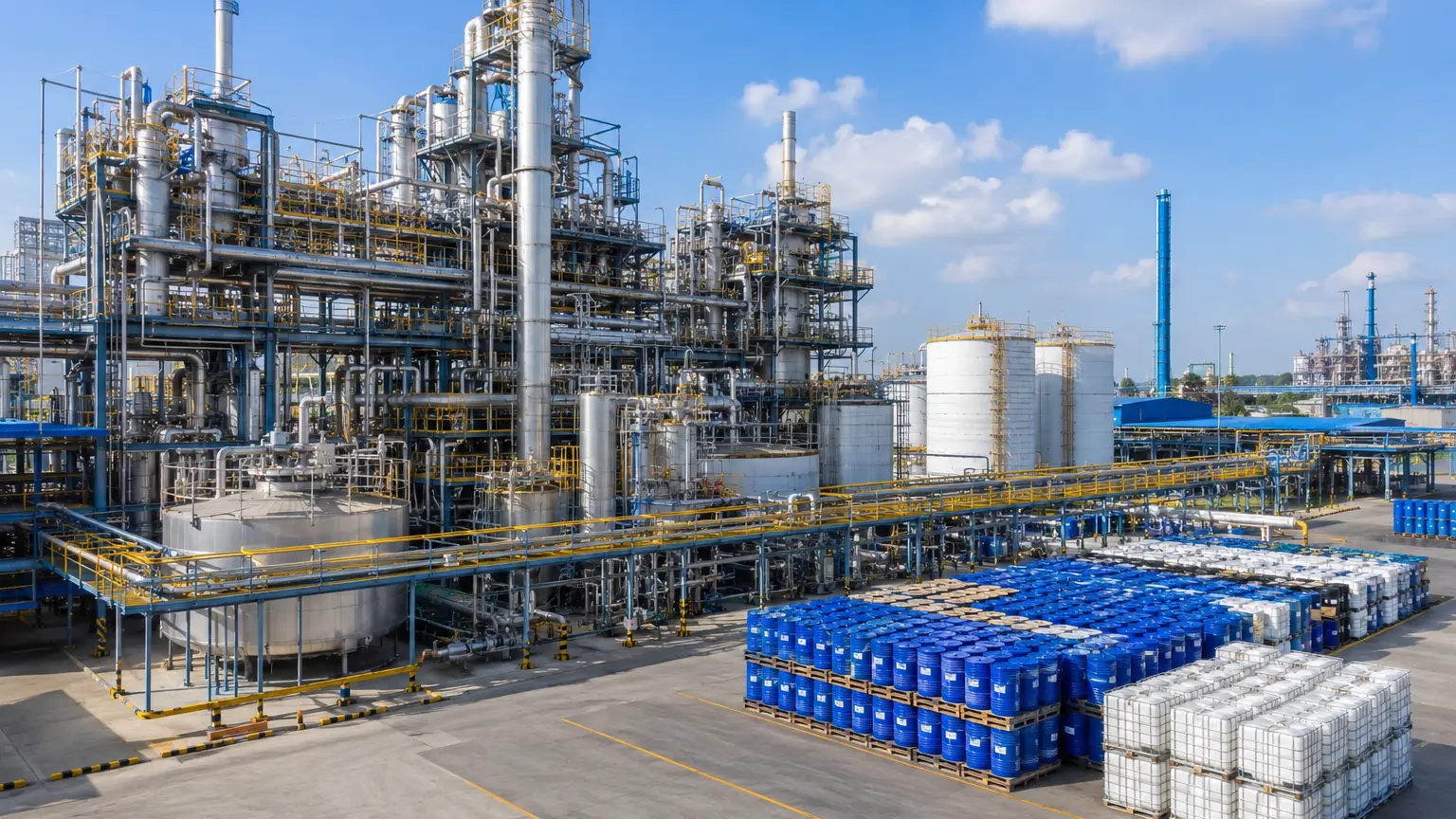
Ranked among the top global producers, the Indian chemical industry accounts for a significant share of the country's manufacturing GDP. The sector spans basic chemicals, petrochemicals, specialty chemicals, agrochemicals, and pharmaceuticals.
Global B2B buyers increasingly turn to India to diversify their supply chains away from single-country dependencies. The availability of skilled technical manpower, robust infrastructure in key manufacturing hubs like Gujarat and Maharashtra, and continuous investments in process innovation make Indian chemical exporters highly attractive partners.
Profiles of Key Chemical Companies in India
When evaluating chemical companies India, procurement managers must look beyond marketing claims and examine operational footprints, product specializations, and adherence to international quality benchmarks. Here is a look at notable entities in the space.
Jain Chemicals
Jain Chemicals is recognized within domestic and international supply chains for providing a specialized range of chemical formulations and industrial compounds. While exact founding dates and employee counts vary across regional registries, the company has established a steady reputation for catering to specific industrial applications.
- Product Focus: Industrial intermediates, processing aids, and specialty formulations.
- Market Reach: Serves both domestic manufacturing units and select export markets.
- Sourcing Consideration: Buyers should request specific certificates of analysis (CoA) and batch-testing reports to match exact technical specifications before placing bulk orders.
RN Chemicals
RN Chemicals operates as a prominent supplier within the chemical sector, focusing on reagents, solvents, and auxiliary compounds used across multiple manufacturing verticals.
- Product Focus: Solvents, laboratory reagents, and fine chemical derivatives.
- Operational Approach: Emphasizes consistent supply chain logistics and packaging standards suitable for both domestic transit and international container shipments.
- Sourcing Consideration: Ensure that packaging complies with international maritime dangerous goods (IMDG) codes if importing hazardous liquid solvents.
Dalton Chemicals
Dalton Chemicals has built a presence in the synthesis and distribution of targeted chemical compounds, serving industries that demand strict purity levels and reliable batch consistency.
- Product Focus: Custom synthesis inputs, industrial salts, and processing chemicals.
- Quality Control: Generally utilizes standardized testing protocols to ensure minimal variance between production lots.
- Sourcing Consideration: Ideal for buyers seeking secondary or alternative sources for standard industrial inputs to mitigate supply chain risks.
Kinetic Chemical
Kinetic Chemical represents the dynamic segment of chemical suppliers India, focusing on efficiency, scalable output, and responsiveness to international inquiries.
- Product Focus: Bulk industrial chemicals, technical-grade compounds, and formulation ingredients.
- Export Readiness: Familiar with standard export documentation, commercial invoicing, and basic customs clearance procedures.
- Sourcing Consideration: Conduct a thorough audit of their manufacturing facilities or utilize third-party inspection agencies to verify production capacity.
Comparison of Chemical Suppliers
| Company | Primary Product Focus | Compliance Orientation | Export Readiness | Recommended Verification Step |
|---|---|---|---|---|
| Jain Chemicals | Industrial Intermediates | Standard Domestic/Export | Moderate | Request detailed CoA & sample testing |
| RN Chemicals | Solvents & Reagents | Safety & Handling Aligned | High | Verify IMDG packaging compliance |
| Dalton Chemicals | Synthesis Inputs & Salts | Quality-Controlled Lots | Moderate | Audit batch-to-batch consistency |
| Kinetic Chemical | Bulk Industrial Compounds | Scalable Production | High | Third-party facility inspection |
Regulatory Compliance and Certifications
Importing chemicals requires strict adherence to international and domestic regulatory frameworks. Failing to verify compliance can lead to cargo impoundment, hefty fines, and legal liabilities.
REACH Compliance for the European Market
If you are importing chemicals into the European Union, the exporter or your Only Representative (OR) must comply with EU REACH (Registration, Evaluation, Authorisation and Restriction of Chemicals) regulations. Ensure that the Indian supplier can provide necessary substance dossiers and tonnage tracking.
Bureau of Indian Standards (BIS) and Export Standards
Many chemical categories manufactured in India fall under mandatory BIS certification to ensure domestic safety and quality. When sourcing from chemical companies India, always verify whether the specific product line holds a valid BIS license, alongside ISO 9001 for quality management systems and ISO 14001 for environmental management.
Hazardous-Goods Rules and IMDG Code
Chemical transport is governed by stringent safety protocols:
- Material Safety Data Sheets (MSDS): Every chemical shipment must include an accurate, up-to-date MSDS outlining physical properties, hazard identification, and emergency response measures.
- Packaging and Labeling: UN-certified packaging is mandatory for hazardous chemical transport. Check that drums, IBC tanks, or bags feature correct hazard symbols and labeling.
How Chemical Buyers Verify Suppliers
With numerous suppliers operating in the market, implementing a rigorous supplier verification process is non-negotiable for global procurement teams.
Step-by-Step Verification Checklist
- Corporate Registration Check: Verify the company's Corporate Identity Number (CIN) or Import-Export Code (IEC) through official government portals.
- Facility Audit: Hire independent inspection agencies (e.g., SGS, Bureau Veritas) to conduct on-site audits of manufacturing plants, storage facilities, and testing laboratories.
- Sample Testing: Never place a bulk order without testing a pre-shipment sample in an independent accredited laboratory.
- Reference Checks: Request client references, particularly from international buyers who have imported from the supplier previously.
Cost and Pricing Considerations in Chemical Sourcing
Pricing in the chemical sector fluctuates based on raw material availability, crude oil prices (for petrochemical derivatives), and seasonal demand.
- Ex-Works vs. FOB vs. CIF: Understand the Incoterms. While FOB (Free on Board) gives you better control over freight forwarding costs, CIF (Cost, Insurance, and Freight) simplifies initial logistics.
- Volume Tiering: Negotiate tiered pricing based on annual volume commitments rather than single-spot orders.
- Currency Fluctuations: Factor in exchange rate volatility between the US Dollar and the Indian Rupee when signing long-term supply contracts.
Common Mistakes to Avoid
- Skipping Third-Party Inspection: Relying solely on manufacturer-provided test certificates without independent verification.
- Ignoring Local Environmental Norms: Sourcing from non-compliant factories facing closure threats due to local pollution control board directives.
- Overlooking Shelf-Life and Storage: Failing to specify maximum allowable age of the product upon dispatch, leading to degraded chemical efficacy upon arrival.
Frequently Asked Questions
What are the main chemical manufacturing hubs in India?
The primary chemical manufacturing hubs in India are located in the states of Gujarat (particularly Ankleshwar, Vapi, and Vadodara) and Maharashtra (including Mumbai, Thane, and Pune). These regions offer well-developed infrastructure, proximity to major ports, and robust supply chains for raw materials.
How do I verify the authenticity of a chemical supplier in India?
To verify a supplier, check their Import-Export Code (IEC) on government portals, request ISO and BIS certificates, commission a third-party physical factory audit, and always test pre-shipment samples through an independent accredited laboratory before finalizing bulk payments.
Are Indian chemical suppliers compliant with EU REACH regulations?
Many established chemical exporters in India are fully compliant with EU REACH regulations, often working with Only Representatives (OR) based in Europe to manage registrations. Always confirm REACH compliance status directly in writing before ordering for the EU market.
What documents are required to import chemicals from India?
Essential shipping documents include the Commercial Invoice, Packing List, Bill of Lading or Air Waybill, Certificate of Analysis (CoA), Material Safety Data Sheet (MSDS), Certificate of Origin, and any mandatory regulatory licenses like BIS or hazardous goods transport permits.
What Incoterms are most commonly used for chemical exports?
FOB (Free on Board) and CIF (Cost, Insurance, and Freight) are the most commonly used Incoterms. FOB allows buyers greater control over shipping freight rates and carrier selection, while CIF is preferred by buyers seeking an all-inclusive delivery cost to their destination port.
How are hazardous chemicals packaged for export from India?
Dangerous and hazardous chemicals must be packed in UN-certified containers such as specialized drums, Intermediate Bulk Containers (IBCs), or isotanks. Packaging must comply with international maritime (IMDG) or air (IATA) transport rules, complete with standardized hazard warning labels.
Conclusion
Sourcing from chemical companies India offers immense potential for global B2B buyers looking to optimize procurement costs and secure reliable supply chains. Whether engaging with established entities like Jain Chemicals, RN Chemicals, Dalton Chemicals, or Kinetic Chemical, success hinges on rigorous verification, strict compliance checks, and clear contractual terms.
Ready to source high-quality chemicals or connect with verified Indian exporters? Post your specific chemical requirements on Today Adviser today to receive competitive quotes from pre-vetted suppliers worldwide.
Find buyers: Explore the buyer directory and post a requirement on TodayAdviser to connect with verified chemical importers and buyers.