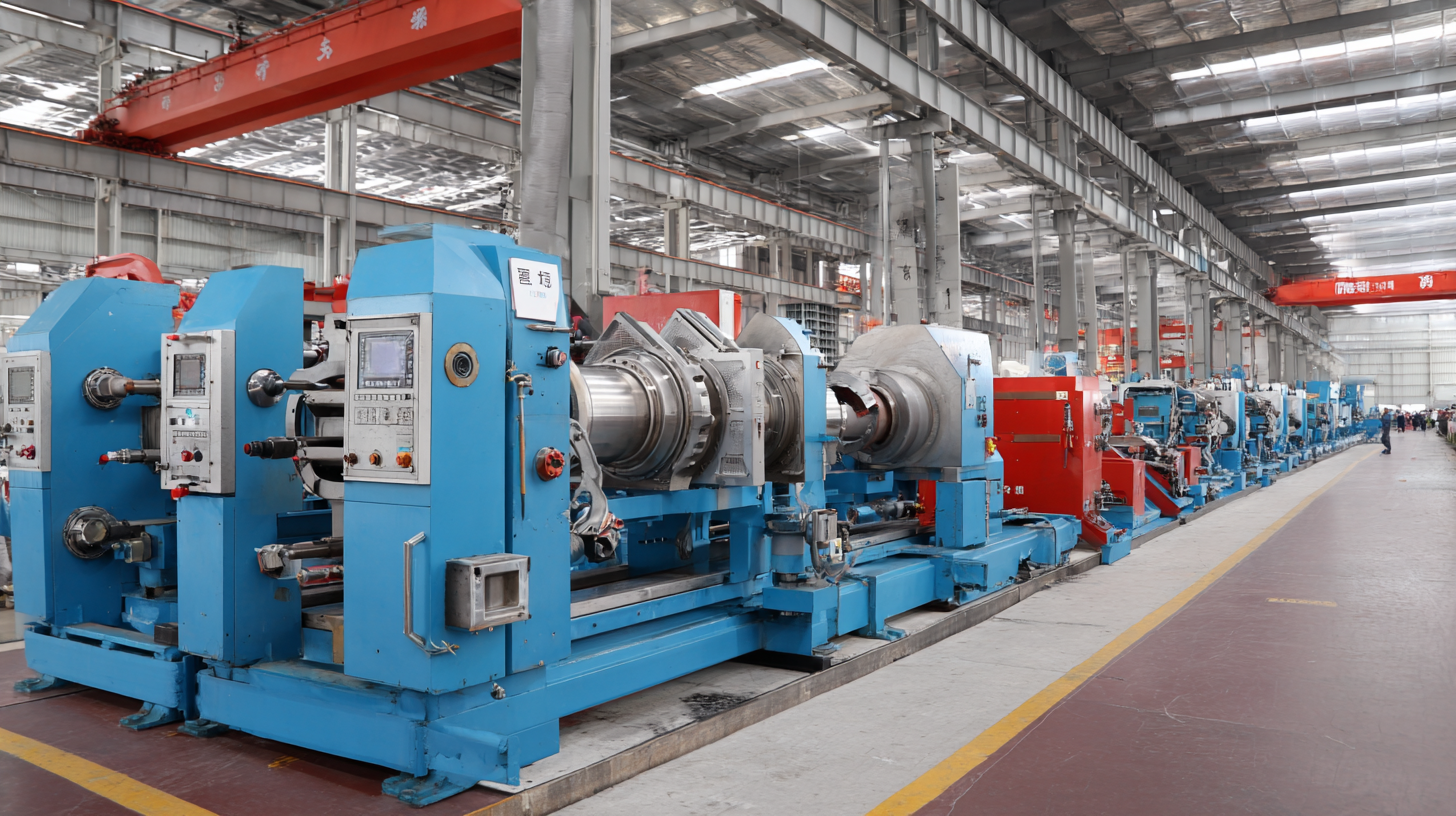
Discover how to safely source industrial machinery from India by exploring top manufacturers like Mamata Machinery and export houses like ML International. This guide provides essential checklists for vetting suppliers, ensuring compliance, and optimizing capital equipment procurement.
India has rapidly solidified its position as a global manufacturing powerhouse, particularly within the heavy engineering and capital goods sectors. For international procurement managers, sourcing from machinery suppliers India offers a compelling balance of cost-efficiency, engineering capability, and scalability. This comprehensive guide explores two notable entities within the Indian industrial landscape—Mamata Machinery Pvt Ltd Changodar and ML International—while providing global B2B buyers with an actionable framework for sourcing capital equipment safely.
Navigating the Indian machinery export market requires a nuanced understanding of regional industrial clusters, compliance frameworks, and supplier verification protocols. Whether you are looking for specialized converting equipment or general industrial machinery, understanding how to vet Indian exporters ensures supply chain resilience and protects your capital investment.
Understanding the Indian Industrial Machinery Sector
The Indian machinery sector encompasses a diverse array of segments, ranging from packaging and plastic processing equipment to heavy-duty metalworking tools. Industrial machinery exporters in India leverage a robust domestic steel industry, skilled mechanical engineering talent, and government initiatives aimed at boosting advanced manufacturing exports.
The Rise of Industrial Clusters
Industrial ecosystems in India are often geographically concentrated. States like Gujarat, Maharashtra, Tamil Nadu, and Haryana house specialized clusters where entire supply chains—from component casting to electrical panel assembly—coexist. This proximity reduces lead times and allows manufacturers to offer competitive pricing without compromising on international quality standards.
For global B2B buyers, partnering with manufacturers located in established industrial hubs ensures better access to logistics infrastructure, specialized ports, and a skilled technical workforce capable of executing complex custom engineering orders.
Profile 1: Mamata Machinery Pvt Ltd (Changodar)
Located in the bustling industrial hub of Changodar near Ahmedabad, Gujarat, Mamata Machinery Pvt Ltd is a recognized name in the global packaging and converting machinery sector.
Core Product Offerings and Specializations
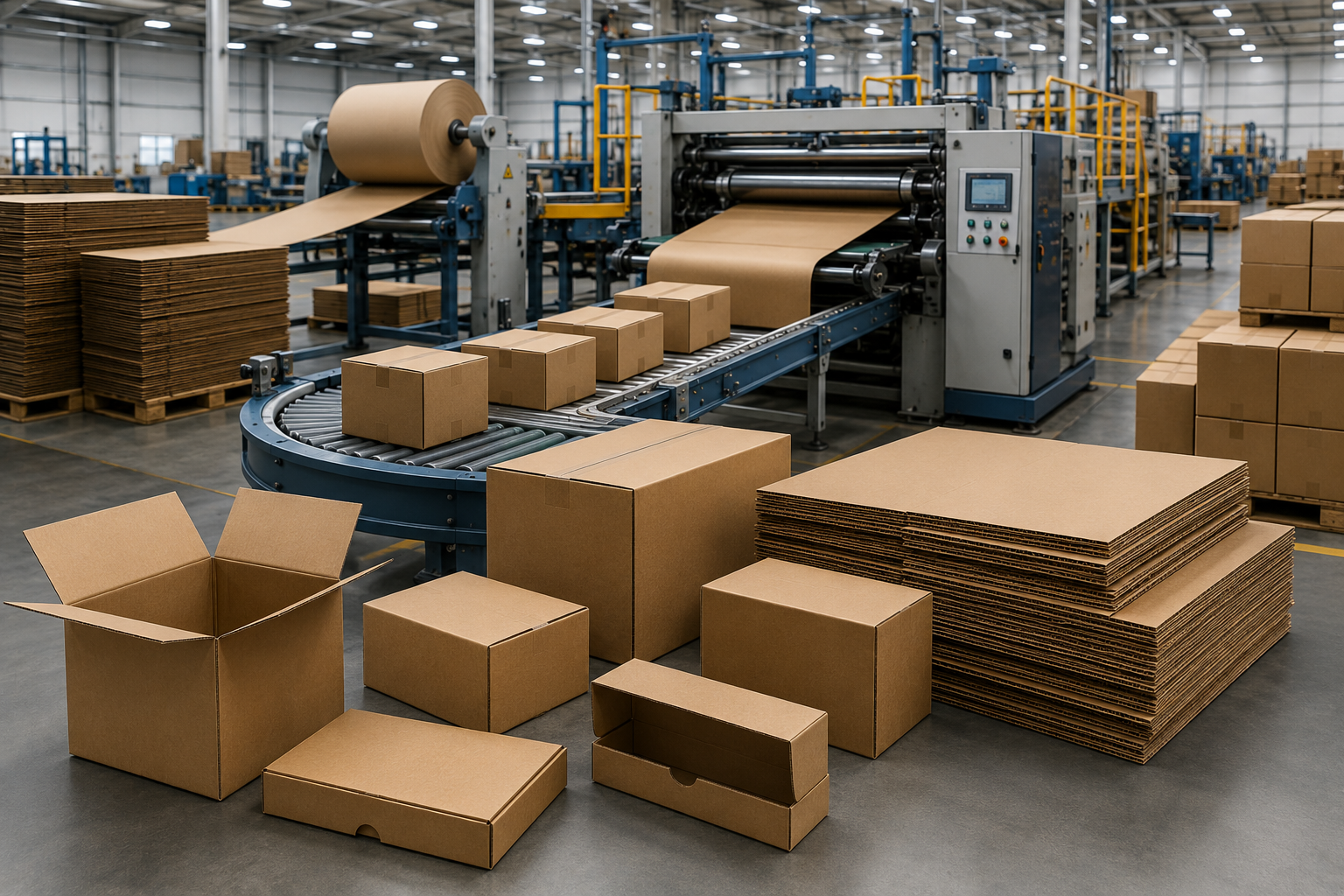
Mamata Machinery specializes in the design and manufacture of advanced plastic bag-making machines, pouch-making equipment, extrusion lamination lines, and related flexible packaging machinery. Their engineering focus centers on high-speed production, automation, and minimizing material waste, catering to converters and packaging manufacturers worldwide.
Global Footprint and Export Readiness
With installations spanning multiple continents, Mamata has established a strong presence in international markets including North America, Europe, and Asia. Their export operations typically involve customized packaging solutions, modular machinery transport, and remote or on-site installation support handled by experienced service engineers.
Profile 2: ML International in India
Complementing large-scale original equipment manufacturers are specialized trading houses and export-oriented firms like ML International, which facilitate the sourcing and consolidation of diverse industrial machinery from India.
Sourcing and Export Capabilities
Firms operating under this profile typically act as a bridge between overseas buyers and a network of vetted domestic component manufacturers and machinery fabricators. They handle rigorous quality inspections, consolidation of multi-vendor orders, export documentation, and international freight forwarding.
Value Proposition for B2B Buyers
For international buyers seeking a single point of contact for varied mechanical requirements, working with established export houses reduces administrative overhead. They streamline communication, manage multi-tier supply chains, and provide flexible sourcing options tailored to specific project scales and budgetary constraints.
Industrial Machinery Comparison
| Feature / Parameter | Original Equipment Manufacturers (e.g., Mamata Machinery) | Industrial Export Houses (e.g., ML International) |
|---|---|---|
| Primary Focus | Proprietary designed, specialized machinery production | Sourcing, consolidation, and export management |
| Customization | Deep engineering customization for specific workflows | Sourcing customization via partner manufacturing networks |
| Technical Support | Direct OEM engineering support and spare parts supply | Coordinated support utilizing manufacturer and house engineers |
| Product Range | Concentrated in specific domains (e.g., packaging/converting) | Diverse machinery categories across multiple industries |
| Best Suited For | Large-scale converters requiring specialized automated lines | Small to medium enterprises sourcing mixed machinery batches |
Industrial Buyer Checklist for Sourcing from India
Before committing capital to an Indian machinery supplier, procurement teams must execute a rigorous due diligence process. Use this checklist to safeguard your investment:
- Verify Corporate Identity: Check company registration details, GSTIN, and export-import (IEC) codes through official government portals.
- Evaluate Manufacturing Infrastructure: Request virtual factory tours or commission third-party audits to inspect shop floor capabilities, machining tools, and assembly lines.
- Review Compliance Certifications: Ensure the machinery meets relevant international standards such as CE marking, ISO quality management systems, and OSHA-aligned safety guards.
- Inspect Reference Installations: Ask for client references in your geographic region or industry sector to gauge long-term machine reliability and after-sales service responsiveness.
- Assess Spare Parts Availability: Confirm the lead time and availability of critical wear-and-tear parts to prevent extended downtime.
How Importers Verify Machinery Suppliers
Verifying industrial suppliers requires moving beyond digital brochures and marketing claims. International buyers employ several layered verification strategies:
Third-Party Quality Audits
Engaging reputable inspection agencies (such as SGS, TÜV, or Bureau Veritas) to conduct Pre-Shipment Inspections (PSI) and Factory Acceptance Tests (FAT) is non-negotiable for high-value capital equipment. These audits verify dimensions, electrical configurations, operational speed, and material grades.
Financial and Legal Vetting
Utilize B2B trade platforms and credit rating agencies to assess the financial health of the exporter. Review past export data (where available via customs records) to verify shipment volume consistency and destination compliance.
Cost and Pricing Considerations in Capital Equipment Sourcing
Sourcing machinery from India offers significant cost advantages, but total cost of ownership (TCO) calculations must look beyond the initial FOB (Free on Board) price.
- Packaging and Crating: Heavy industrial machinery requires ISPM-15 compliant wooden crating to withstand ocean freight and humid conditions.
- Incoterms Clarity: Clearly define whether pricing includes insurance, freight, and local port handling (CIF vs. FOB vs. EXW).
- Import Duties and Taxes: Factor in destination country customs tariffs, value-added taxes, and environmental compliance levies.
- Installation and Commissioning: Budget for travel, lodging, and daily service fees for supplier engineers required for on-site setup and operator training.
Compliance, Documentation, and Legal Frameworks
Smooth customs clearance depends on flawless export documentation. Ensure your Indian supplier provides the following mandatory documents:
- Commercial Invoice and Packing List: Detailed breakdown of machine components, net/gross weights, and crate dimensions.
- Bill of Lading (B/L): Clean on-board shipping document issued by the carrier.
- Certificate of Origin (CoO): Often required for preferential tariff treatment under bilateral trade agreements.
- Inspection and Test Certificates: Factory test reports confirming electrical safety, load testing, and operational performance.
Common Mistakes to Avoid When Importing Machinery
Avoiding pitfalls saves time, money, and operational headaches. Watch out for these frequent missteps:
- Neglecting Electrical Compatibility: Failing to specify exact voltage, frequency (e.g., 415V/50Hz vs. 480V/60Hz), and phase requirements for the destination country.
- Vague Service Level Agreements (SLAs): Not defining response times for troubleshooting, warranty claim procedures, and software update policies.
- Skipping the FAT: Relying solely on video recordings rather than conducting a physical or independently witnessed Factory Acceptance Test.
- Overlooking Language Barriers: Assuming technical manuals are available in native operating languages without explicit contractual clauses.
Finding and Connecting with Verified Suppliers
Discovering reliable industrial exporters requires leveraging trusted B2B ecosystems. Rather than relying on unstructured web searches, global procurement professionals utilize curated digital marketplaces that verify supplier credentials, trade history, and manufacturing licenses.
Platforms like Today Adviser bridge the gap between international buyers and verified suppliers in India, offering transparent company profiles, direct communication channels, and requirement-posting features designed to streamline industrial sourcing.
Frequently Asked Questions
What types of machinery are commonly exported from India?
India exports a diverse range of machinery, including packaging and converting equipment, textile machinery, CNC metalworking tools, plastic processing equipment, agricultural implements, and food processing lines, all recognized for robust build quality and competitive pricing.
How can I verify the authenticity of an Indian machinery exporter?
You can verify an exporter by checking their Import-Export Code (IEC), GST registration, ISO certifications, and by commissioning independent third-party audit agencies to inspect their physical manufacturing facilities and past export records.
What is the significance of Changodar as an industrial hub?
Changodar, located near Ahmedabad in Gujarat, is a prominent industrial zone housing numerous engineering, fabrication, and machinery manufacturing units with well-developed logistics connecting to major ports like Mundra and Kandla.
Are Indian industrial machines compliant with international safety standards?
Yes, leading Indian manufacturers produce machinery that complies with international standards such as CE marking for Europe, UL/OSHA alignments for North America, and ISO quality management frameworks upon specific buyer request.
What payment terms are standard when importing machinery from India?
Standard international trade payment terms include an initial telegraphic transfer (TT) advance deposit (typically 30% to 50%) with the balance payable against presentation of shipping documents or upon successful Factory Acceptance Testing.
How are warranty claims handled for imported Indian machinery?
Warranty terms are specified in the sales contract, usually covering parts replacement for 12 months. Remote diagnostics are increasingly common, supplemented by on-site visits from regional service partners or factory engineers when necessary.
What Incoterms are most commonly used for machinery shipments?
FOB (Free on Board) and CIF (Cost, Insurance, and Freight) are the most frequently used Incoterms, though EXW (Ex Works) is sometimes used when buyers prefer managing their own consolidated freight forwarding.
How do I ensure spare parts availability for custom machinery?
Buyers should include a mandatory initial spare parts kit in the purchase order and establish a long-term service agreement guaranteeing component availability for a minimum of 5 to 10 years.
Conclusion
Sourcing capital equipment from machinery suppliers India—whether specialized original equipment manufacturers like Mamata Machinery in Changodar or versatile export houses like ML International—presents immense strategic value for global B2B buyers. By adhering to strict verification protocols, defining clear technical specifications, and leveraging trusted trade platforms, procurement managers can successfully tap into India's growing engineering prowess.
Ready to source reliable capital equipment? Post your specific machinery requirement on Today Adviser today or connect directly with verified industrial exporters, manufacturers, and suppliers worldwide.
Find buyers: Explore the buyer directory and post a requirement on TodayAdviser to connect with verified machinery importers and buyers.