Discover leading jewellery companies in India, including Ishwar Jewellery and Hiya Designer Jewellery, for international B2B sourcing. Learn essential export compliance, BIS hallmarking standards, and supplier verification strategies to secure your supply chain.
India remains a powerhouse in the global gems and jewellery sector, attracting international importers seeking exceptional craftsmanship, competitive pricing, and scalable manufacturing. Among the prominent jewellery companies in India, names like Ishwar Jewellery, Hiya Designer Jewellery, and Ghanshyam Das Jewellers stand out for their distinct market positions. Navigating this rich landscape requires international B2B buyers to understand verified supplier profiles, Indian export compliance, and rigorous verification methodologies.
For global procurement managers, sourcing from Indian jewellery exporters involves navigating complex regulatory frameworks, including Bureau of Indian Standards (BIS) hallmarking, customs documentation, and secure logistics. This guide provides an in-depth analysis of three established Indian jewellery entities, outlines the essential steps for verification, and details the protocols required to establish secure, long-term trade relationships.
Profiles of Leading Jewellery Companies in India
The Indian market comprises a diverse mix of traditional artisans, modern high-volume manufacturers, and design-led export houses. Evaluating specific market players helps B2B buyers align their sourcing strategy with the right manufacturing capabilities.
Ishwar Jewellery
Ishwar Jewellery operates within the vibrant Indian manufacturing and wholesale ecosystem, catering to domestic and international markets with a focus on traditional and contemporary designs. Known for maintaining diverse product catalogues, companies operating under this segment typically supply retailers and wholesalers seeking reliable craftsmanship across gold, silver, and gemstone-studded ornaments. B2B engagement with such suppliers usually involves reviewing sample collections, establishing minimum order quantities (MOQs), and verifying their capacity to handle recurring commercial shipments.
Hiya Designer Jewellery
Hiya Designer Jewellery represents the segment of Indian manufacturers focusing heavily on creative styling, fusion aesthetics, and contemporary fashion or fine jewellery collections. These enterprises often appeal to international buyers looking for trend-driven pieces, intricate metalwork, and alternative gemstone integration. Exporters in this category emphasize design exclusivity, trend adaptation, and compliance with international nickel-release and metal purity standards, making them ideal partners for boutique brands and department store chains.
Ghanshyam Das Jewellers
Ghanshyam Das Jewellers reflects the legacy-driven heritage of Indian jewellery retail and wholesale, specializing in classic, high-purity gold and traditional handcrafted pieces. Such established names often serve multigenerational customer bases and extend their operations into bulk supply and export markets. International buyers sourcing from heritage-focused manufacturers generally look for master artisans, exceptional stone-setting techniques, and certified purity compliance backed by stringent documentation.
Product Ranges and Manufacturing Specializations
Indian jewellery exporters offer an extensive array of product categories tailored to various global market segments, ranging from mass-market fashion accessories to bespoke fine jewellery.
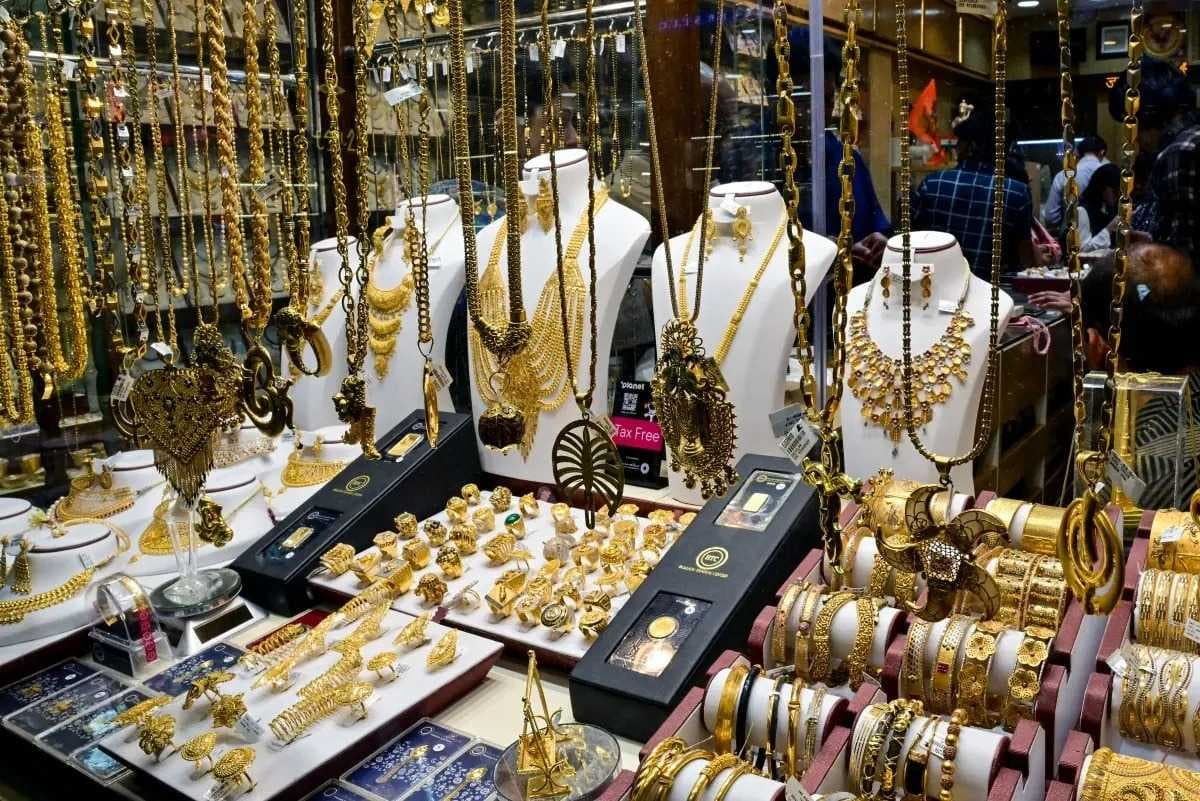
- Fine Gold Jewellery: Crafted in various purities (such as 22K, 18K, and 14K), including bangles, necklaces, chains, and rings.
- Diamond and Gemstone Studded Jewellery: Utilizing natural and lab-grown diamonds, rubies, emeralds, and sapphires set in gold or platinum.
- Silver and Fashion Jewellery: Sterling silver collections, oxidized pieces, and brass-based designer items for the contemporary retail market.
- Bridal and Heritage Collections: Heavy, intricate traditional Indian designs featuring Kundan, Polki, and Jadau work.
Understanding BIS Hallmarking and Quality Assurance
Quality assurance is paramount when importing precious items. The Bureau of Indian Standards (BIS) regulates the hallmarking of gold and silver jewellery in India to protect consumers and international buyers alike.
The BIS Hallmarking Framework
BIS hallmarking provides legal assurance of the precious metal's purity. For export transactions, international buyers should insist on receiving goods bearing the official BIS mark, which typically includes:
- The BIS logo.
- Purity grade (e.g., 916 for 22 Karat, 750 for 18 Karat).
- Assaying and Hallmarking Centre's mark.
- Jeweller's identification mark.
In addition to metal purity, diamond-studded jewellery should be accompanied by gemological certificates from recognized laboratories such as the International Gemological Institute (IGI) or the Gemological Institute of America (GIA) to verify the 4Cs (cut, color, clarity, and carat weight).
Indian Jewellery Export Rules and Compliance Documentation
Executing a seamless export transaction from India requires strict adherence to governmental regulations, customs procedures, and financial documentation.
Essential Export Documentation
To clear Indian customs and comply with destination country import laws, B2B buyers must ensure their suppliers provide a comprehensive set of commercial documents:
- Commercial Invoice: Detailing item descriptions, weights, purity, and total invoice value.
- Packing List: Specifying box-by-box contents, gross and net weights, and piece counts.
- Bill of Lading / Airway Bill: The official transport document issued by the carrier or freight forwarder.
- Certificate of Origin (CoO): Often required to claim preferential duty rates under bilateral or multilateral trade agreements.
- Export License / IEC: The Indian exporter must hold a valid Import-Export Code (IEC) issued by the Directorate General of Foreign Trade (DGFT).
How International Jewellery Buyers Verify Indian Suppliers
Verifying the legitimacy, financial health, and operational capacity of Indian jewellery exporters mitigates trade risks and prevents supply chain disruptions. Procurement professionals should implement a structured due diligence checklist.
Step-by-Step Supplier Verification Checklist
- Corporate Registration Check: Verify the supplier's corporate identity number (CIN) or partnership registration against official government databases like the Ministry of Corporate Affairs (MCA).
- Export License Validation: Confirm that the entity possesses an active Import-Export Code (IEC) and is registered with relevant Export Promotion Councils, such as the Gems and Jewellery Export Promotion Council (GJEPC).
- Third-Party Audits: Commission independent inspection agencies to conduct physical factory audits, assess inventory quality, and review production machinery.
- Sample Evaluation: Always request pre-production physical samples to test craftsmanship, metal composition, and finishing standards before placing bulk orders.
- Secure Payment Terms: Utilize secure international financial instruments, such as Letters of Credit (LC) or escrow services, especially for initial high-value transactions.
Comparison of Indian Jewellery Sourcing Channels
| Sourcing Channel | Key Advantage | Potential Risk | Best Suited For |
|---|---|---|---|
| Direct Manufacturer | Competitive pricing, custom designs | Higher MOQs, longer lead times | Large retailers, established brands |
| Export Houses / Aggregators | Diverse product mix, consolidated shipping | Additional markup margins | Medium-sized wholesalers |
| B2B Digital Marketplaces | Verified profiles, easy initial discovery | Vetting required to filter agents | Global buyers seeking new suppliers |
Common Mistakes to Avoid When Importing from India
Navigating cross-border trade in precious commodities involves specific operational pitfalls. Awareness of these challenges ensures smoother transactions.
- Neglecting Customs Tariffs: Failing to calculate destination country import duties, Value Added Tax (VAT), and luxury taxes can severely impact profit margins.
- Inadequate Insurance Coverage: Shipping high-value precious metals and gems without comprehensive, door-to-door transit insurance exposes the buyer to catastrophic loss.
- Vague Product Specifications: Ordering without precise measurements, weight tolerances, and purity percentages frequently leads to disputes upon delivery.
- Ignoring Compliance Deadlines: Overlooking local export documentation requirements can cause significant port delays and storage fees.
Frequently Asked Questions
Are Indian jewellery exporters required to be registered with the GJEPC?
Yes, registration with the Gems and Jewellery Export Promotion Council (GJEPC) is standard for established Indian exporters, helping buyers verify their standing within the industry.
How can international buyers verify the gold purity of Indian jewellery?
Buyers should verify that the items bear the BIS hallmark and request assay certificates from accredited laboratories, alongside independent pre-shipment inspections.
What is the typical Minimum Order Quantity (MOQ) for Indian jewellery manufacturers?
MOQs vary widely based on whether the items are machine-made or handmade, ranging from a few pieces for designer collections to several hundred units for mass-market items.
Can Indian suppliers create custom designs for international brands?
Most established manufacturers offer OEM (Original Equipment Manufacturer) and ODM (Original Design Manufacturer) services, working from CAD drawings or physical prototypes.
What payment methods are safest for B2B jewellery transactions?
Irrevocable Letters of Credit (LC), secure escrow services, and advance deposits balanced against shipping documents are the industry standards.
How are international shipments of high-value jewellery handled?
Shipments are typically executed via specialized armored couriers or secured air cargo with comprehensive all-risk transit insurance.
Do I need a special import license to buy jewellery from India?
Import requirements depend on your destination country's customs laws; you should consult a local customs broker before placing commercial orders.
Conclusion and Next Steps
Sourcing from jewellery companies in India offers global B2B buyers access to unmatched craftsmanship, competitive pricing, and a vast array of design traditions. By partnering with verified suppliers, insisting on strict BIS hallmarking, and following rigorous due diligence protocols, international importers can build resilient and profitable supply chains. To connect with verified Indian jewellery exporters and post your specific procurement requirements securely, explore the professional network on Today Adviser today.
Find buyers: Explore the buyer directory and post a requirement on TodayAdviser to connect with verified jewellery importers and buyers.