Discover how trading and import-export companies in India connect global B2B buyers with local manufacturers. Learn essential verification and sourcing strategies.
India remains a powerhouse in international trade, connecting global B2B buyers with an expansive ecosystem of manufacturers, aggregators, and intermediaries. Navigating this dynamic market requires understanding key industry players among trading companies India, such as Adams Imports and MG Worldwide, alongside mastering the operational mechanics of sourcing from import export companies India.
For international procurement professionals, working with established trading houses offers a streamlined pathway to sourcing diverse product lines. However, success hinges on rigorous verification, clear compliance protocols, and understanding how trading entities add value to global supply chains.
This guide breaks down prominent trading operations in India, examines how trading houses function, and provides an actionable blueprint for B2B buyers and exporters looking to optimize their cross-border transactions.
Understanding the Role of Trading Companies in India
Trading companies act as the connective tissue between localized manufacturing units and international buyers. While a manufacturer is typically focused on production efficiency, quality control within the factory, and capacity utilization, a trading house specializes in export logistics, documentation, compliance, and international marketing.
In the Indian context, trading companies bridge the gap between thousands of micro, small, and medium enterprises (MSMEs) and global markets. Many brilliant manufacturing units lack the resources or expertise to navigate customs regulations, container booking, foreign exchange management, and international buyer negotiations. Trading houses absorb these complexities, presenting a unified, export-ready front to the global market.
Core Functions of Indian Trading Houses
- Supplier Aggregation: Sourcing specialized goods from fragmented regional manufacturing clusters across India.
- Export Documentation: Managing complex paperwork including Bills of Lading, Certificates of Origin, commercial invoices, and packing lists.
- Quality Assurance: Conducting independent factory audits, pre-shipment inspections, and adherence to international standards.
- Logistics Coordination: Managing domestic freight, port clearance, and international shipping logistics via sea or air.
- Financial Risk Mitigation: Handling letters of credit (LC), bank guarantees, and currency fluctuations on behalf of smaller producers.
Profiles of Key Players in the Indian Trading Ecosystem
Examining established market participants provides insight into how professional trading organizations operate in India. Below is an overview of notable entities operating within the import-export landscape.
Adams Imports
Adams Imports is recognized in the trade community as an active participant in cross-border commerce, dealing in specialized commodities and manufactured goods. Companies operating under names like adams imports typically focus on niche product categories, bridging specific international demand with verified regional manufacturing capabilities.
For global buyers, dealing with structured trading entities like Adams Imports often minimizes the friction associated with direct factory sourcing, particularly when managing multi-origin consignments or specialized regulatory requirements.
MG Worldwide
MG Worldwide represents the modern breed of Indian trading enterprises that leverage digital communication, robust supply chain networks, and diversified product portfolios to serve international markets. Such firms typically manage comprehensive export pipelines across multiple sectors, ranging from engineered goods to consumer products.
Trading houses of this scale emphasize professional communication, transparent tracking, and structured quality management systems, making them preferred partners for medium-to-large international wholesale buyers.
Import Corporation
Entities functioning as dedicated import and export corporations play a critical dual role in international trade. Beyond outbound shipments from India, these organizations facilitate inbound procurement of raw materials, industrial machinery, and specialized inputs required by domestic manufacturing units.
This bidirectional capability gives such corporations deep insight into global pricing dynamics, regulatory compliance, and international trade finance, benefiting both overseas buyers and local industrial partners.
Dastech International
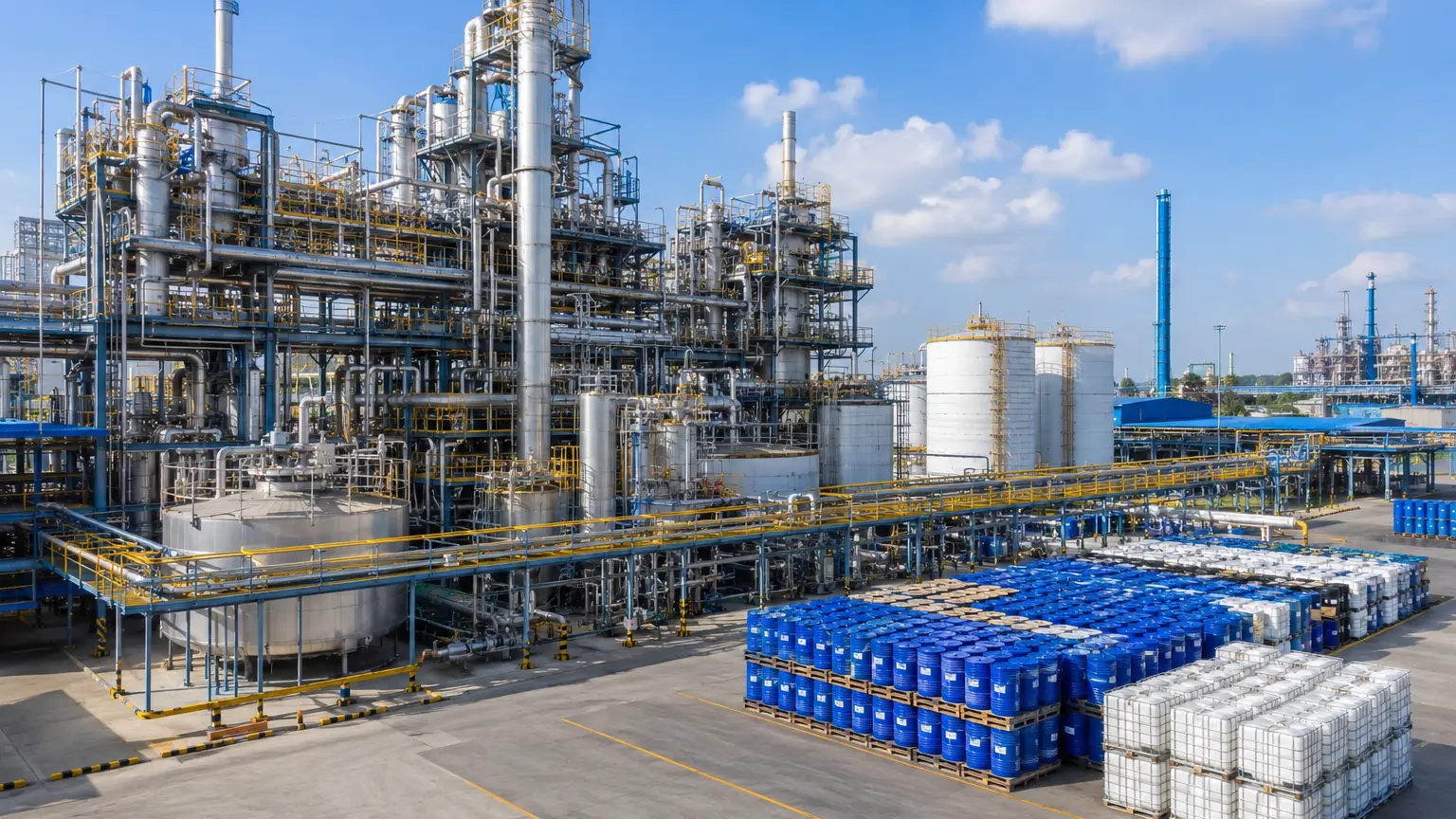
Specialized trading firms like Dastech International often focus on technical sectors such as specialty chemicals, polymers, raw materials, or industrial components. In these high-stakes industries, trading companies must possess deep technical knowledge, regulatory awareness regarding hazardous materials, and strict adherence to safety data sheets (SDS) and REACH compliance.
Working with specialized traders ensures that technical specifications match international standards, reducing the risk of customs rejections or industrial accidents.
How Exporters Work with Trading Houses
For Indian manufacturers and smaller exporters, partnering with established trading houses is a strategic growth multiplier. Exporters often lack the capital or global network to market their products overseas effectively. Here is how the working relationship is typically structured:
Collaboration Models
- Merchant Exporting: The trading house purchases goods outright from the manufacturer, takes legal title, and manages all aspects of the export process independently.
- Commission-Based Agency: The trading house markets the manufacturer's products globally and earns a pre-agreed commission on successfully executed orders.
- Consortium Trading: Multiple small manufacturers pool their production capacity under a single trading umbrella to fulfill large international purchase orders.
| Feature | Direct Manufacturer Sourcing | Working via Trading House |
|---|---|---|
| Minimum Order Quantities (MOQ) | Generally high (factory level) | Often flexible (consolidated batches) |
| Product Range | Single category / factory output | Multi-category / diverse sourcing |
| Communication & Response Time | Can be slow due to production focus | Dedicated export sales team (faster) |
| Risk & Compliance Management | Buyer bears more due diligence burden | Trader absorbs initial compliance filtering |
| Pricing | Closer to ex-factory base cost | Includes margin for trading services |
How B2B Buyers Verify an Indian Trading Company
With thousands of entities operating in the import-export sector, global buyers must implement a stringent due diligence framework before transferring funds or signing binding contracts. Verification protects against fraud, substandard quality, and delivery delays.
Step-by-Step Verification Checklist
- Verify Government Registrations: Check the company’s Import-Export Code (IEC) issued by the Directorate General of Foreign Trade (DGFT) in India.
- Corporate Identity and Status: Inspect the Corporate Identification Number (CIN) on the Ministry of Corporate Affairs (MCA) portal to confirm if the company is active and in good standing.
- Tax Compliance: Request and verify the Goods and Services Tax Identification Number (GSTIN). Active GST filings indicate a legitimate, operating business.
- Trade References and Track Record: Ask for verifiable Bills of Lading from past shipments to similar international ports.
- Physical Inspection / Third-Party Audit: Commission an independent audit agency (such as SGS, Bureau Veritas, or Intertek) to inspect the trading company's registered office, warehouse, and partner manufacturing facilities.
Compliance, Documentation, and Cost Considerations
Executing a seamless export-import transaction from India requires meticulous attention to regulatory frameworks and cost structures.
Essential Export Documentation
- Commercial Invoice & Packing List: Detailed breakdown of goods, valuation, weights, and dimensions.
- Bill of Lading (B/L) or Air Waybill (AWB): Issued by the carrier as a receipt of cargo and document of title.
- Certificate of Origin (CoO): Proves the country of manufacture, often required for preferential tariff claims under Free Trade Agreements (FTAs).
- Shipping Bill: The primary customs clearance document required by Indian customs authorities.
- Inspection Certificates: Quality or phytosanitary certificates where mandated by the destination country.
Cost and Pricing Factors
When calculating landed costs, B2B buyers must account for:
- Incoterms: Clarifying responsibilities for freight, insurance, and duties (FOB, CIF, EXW, DDP).
- Currency Fluctuations: Managing exchange rate risks between USD, EUR, and INR.
- Port Handling and Terminal Charges: Local charges at Indian ports (JNPT, Mundra, Chennai) and destination ports.
Common Mistakes to Avoid
- Skipping Independent Verification: Relying solely on a polished website without checking government registries or past trade data.
- Ambiguous Quality Specifications: Failing to attach detailed technical drawings, material datasheets, or acceptable defect rates to the purchase order.
- Ignoring Incoterms Nuances: Misunderstanding where risk transfers from the seller to the buyer, leading to unexpected freight or insurance bills.
- Inadequate Payment Terms: Sending 100% advance payments to unverified entities; always utilizing secure instruments like Letter of Credit (LC) or escrow services for new relationships.
Finding and Connecting with Verified Suppliers
Locating reliable trading partners requires moving past generic search engines and utilizing specialized B2B trade platforms. Trusted marketplaces like Today Adviser curate verified suppliers, exporters, and trading houses, offering transparent company profiles, verified compliance badges, and secure communication channels.
By leveraging structured B2B networks, global buyers can post specific procurement requirements, review authenticated credentials, and initiate negotiations with confidence, significantly reducing supply chain friction.
Frequently Asked Questions
What is the difference between a manufacturer and a trading company in India?
A manufacturer produces goods within their own factory facilities, focusing on production and capacity. A trading company acts as an intermediary that sources, aggregates, finances, and exports goods from multiple manufacturers, managing international logistics and compliance.
How do I check if an Indian trading company is legitimate?
You can verify an Indian trading company by checking their Import-Export Code (IEC) on the DGFT portal, inspecting their Corporate Identification Number (CIN) on the Ministry of Corporate Affairs website, and requesting GST filing records.
Why should I use a trading house instead of buying directly from the factory?
Trading houses offer diversified product sourcing, lower minimum order quantities through consolidation, robust export documentation handling, and dedicated international customer service, saving buyers time and administrative overhead.
What are the standard payment terms when dealing with Indian exporters?
Standard secure payment terms include Irrevocable Letters of Credit (LC) at sight, Documentary Collections (DP/DA), or a structured advance payment (e.g., 30% deposit, 70% against Bill of Lading copy) for established relationships.
How long does shipping typically take from major Indian ports?
Transit times vary by destination. Shipping to Southeast Asia takes 5–12 days, Europe 20–30 days, the US East Coast 30–40 days, and the US West Coast 25–35 days, depending on direct vessel availability and port congestion.
Are trading companies more expensive than direct manufacturers?
Trading companies may include a service margin in their pricing, but this is often offset by savings in logistics coordination, reduced risk of compliance failures, and the ability to consolidate multiple product categories into a single shipment.
How can Today Adviser help me source products from India?
Today Adviser connects global B2B buyers with verified suppliers, exporters, and trading companies in India. You can post your specific procurement requirements, review authenticated company credentials, and connect directly with trusted trade partners.
Conclusion
Navigating the Indian trade landscape through established entities like Adams Imports, MG Worldwide, and specialized trading houses provides global B2B buyers with scale, reliability, and product diversity. By implementing strict verification protocols, understanding documentation requirements, and utilizing trusted platforms like Today Adviser, international buyers can build resilient, profitable supply chains with verified Indian partners.
Find buyers: Explore the buyer directory and post a requirement on TodayAdviser to connect with verified trading companies, importers and buyers.