Discover top packaging companies in India like BK Packaging and Jaypack International. This guide explores export standards, material selection, and sourcing strategies for global buyers.
India has rapidly evolved into a powerhouse for secondary and primary manufacturing, driving unprecedented demand across packaging companies India. Global B2B buyers sourcing from the subcontinent often evaluate prominent manufacturers like bk packaging and Jaypack International to secure robust supply chains.
Selecting the right partner for export-grade containers, corrugated boxes, and customized industrial protection requires a strategic evaluation of manufacturing capabilities, material standards, and compliance protocols. This guide explores industry leaders, selection criteria, export standards, and actionable strategies for buyers and suppliers navigating this dynamic market.
The Indian Packaging Ecosystem: An Overview
The Indian packaging sector supports a massive cross-section of industries, ranging from pharmaceuticals and electronics to heavy engineering and fast-moving consumer goods (FMCG). With global supply chains diversifying away from single-source manufacturing hubs, international procurement teams increasingly look to India for cost-effective, scalable, and high-quality packaging solutions.
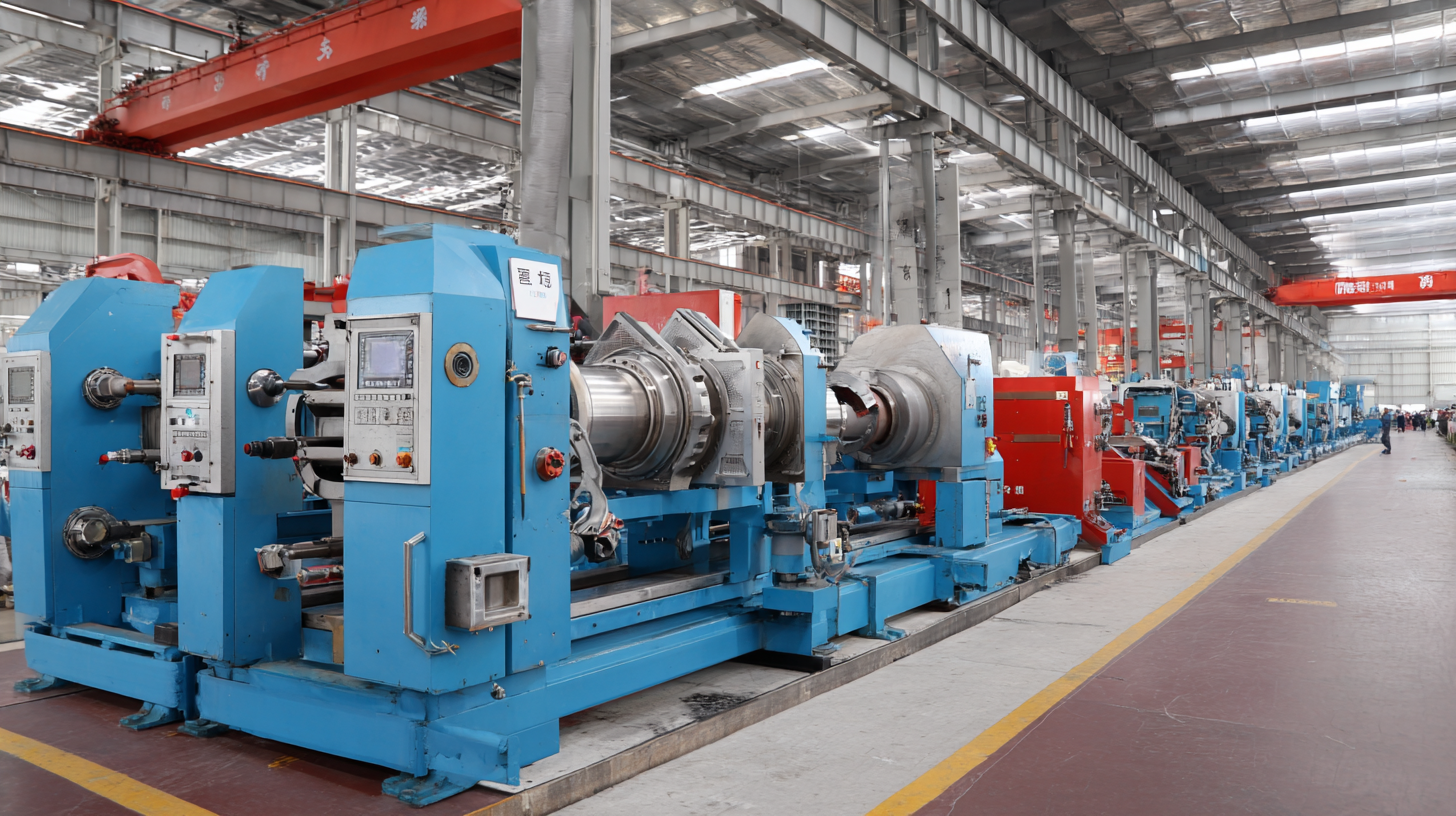
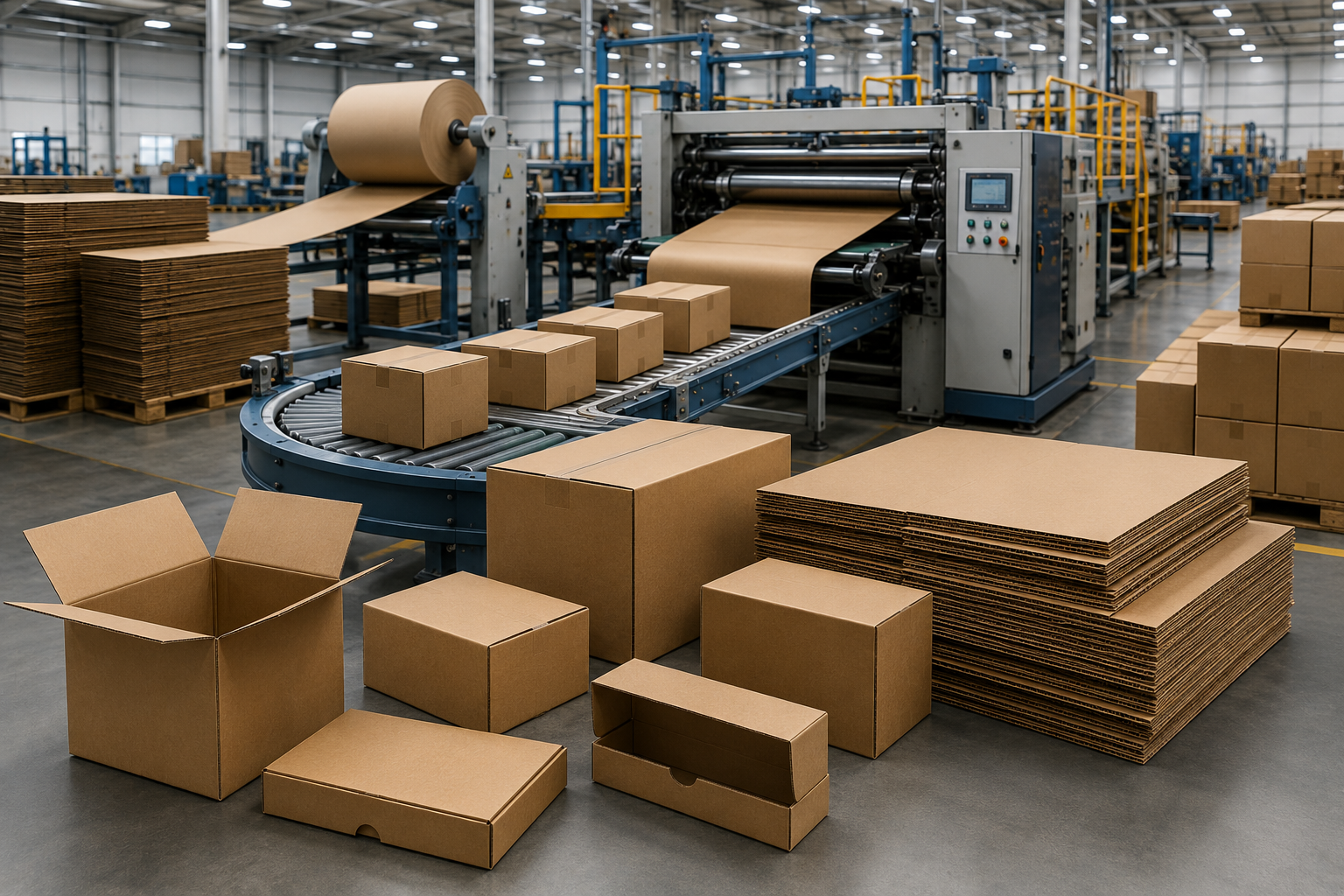
Modern packaging companies in India invest heavily in automated converting machinery, sustainable raw materials, and advanced testing laboratories. Whether you require heavy-duty wooden crates for machinery export or folding cartons for retail distribution, Indian suppliers offer a compelling blend of craftsmanship, technical capability, and competitive pricing.
Profiles of Leading Packaging Companies in India
When evaluating packaging companies India, buyers frequently encounter established domestic players with extensive portfolios. Below is an examination of two prominent entities known for their industry presence and manufacturing capabilities.
BK Packaging: Capabilities and Focus Areas
BK Packaging has established a strong reputation in the domestic and international markets by delivering reliable packaging solutions tailored to diverse industrial needs. Known for a customer-centric approach, the company focuses on structural integrity, material durability, and functional design.
- Core Product Portfolio: Specializes in corrugated boxes, heavy-duty cartons, die-cut packaging, and protective inserts designed to withstand transit stress.
- Industry Applications: Serves electronics, automotive components, e-commerce fulfillment, and consumer durables.
- Sustainability Focus: Integrates recycled paper liners and eco-friendly adhesives to help global brands meet their ESG (Environmental, Social, and Governance) targets.
Jaypack International: Innovations and Global Reach
Jaypack International operates with a strong emphasis on precision engineering and export compliance. The company caters to clients requiring specialized packaging that adheres to international shipping tolerances and regulatory standards.
- Core Product Portfolio: Focuses on specialized industrial packaging, custom-printed cartons, multi-wall corrugated solutions, and transit-secure designs.
- Quality Assurance: Employs rigorous burst testing, edge crush tests (ECT), and moisture barrier assessments to ensure structural reliability during long-haul maritime or air freight.
- Global Readiness: Well-versed in international labeling requirements, palletization standards, and drop-test validations required by overseas importers.
Comparing Indian Packaging Suppliers
To help procurement managers evaluate their options, the following comparison highlights key operational parameters associated with established packaging providers in India.
| Parameter | BK Packaging | Jaypack International | Industry Average (India) |
|---|---|---|---|
| Primary Material Focus | Recycled & Virgin Corrugated | Specialized Industrial & Custom Cartons | Corrugated, Wooden, and Plastic |
| Export Compliance | Standard Export Grades | High-Specification Transit Grades | Varies by Supplier Tier |
| Customization | High (Die-cut, Printed) | High (Structural & Branded) | Moderate to High |
| Minimum Order Quantities (MOQs) | Scalable for SMEs | Project & Volume Dependent | Varies widely |
| Sustainability Initiatives | Recyclable Materials | Eco-conscious Processes | Growing Adoption |
Understanding Export Packaging Standards
Export packaging is vastly different from domestic packaging. International shipments face high humidity, rough handling during port loading, stacking pressure in container vessels, and extended transit times. Working with packaging companies India requires a firm grasp of international benchmarks.
ISPM 15 Compliance for Wood Packaging
If your industrial shipments utilize wooden pallets, crates, or dunnage, international regulations mandate compliance with ISPM 15 (International Standards for Phytosanitary Measures No. 15). This standard requires wood packaging material to be treated with heat (HT) or fumigated with methyl bromide to prevent the spread of plant pests. Always verify that your supplier provides certified heat-treated stamps.
Bursting Strength and ECT Ratings
Global buyers must specify the mechanical performance required for corrugated containers:
- Edge Crush Test (ECT): Measures the stackability and vertical compressive strength of corrugated boxes. Crucial for palletized shipments stacked multiple layers high.
- Bursting Test (Mullen Test): Measures the pressure required to rupture the facing of the board. Essential for heavy items that exert outward pressure during transit.
Moisture Resistance and Barrier Protection
Ocean freight exposes cargo to extreme condensation, often referred to as container rain. Leading Indian exporters utilize waterproof liners, VCI (Volatile Corrosion Inhibitor) films, and wax-coated corrugated sheets to protect metal parts, electronics, and precision machinery from rust and water damage.
How B2B Buyers Choose a Packaging Supplier in India
Sourcing packaging materials from overseas involves mitigating logistical and financial risks. A structured supplier evaluation process ensures long-term reliability and cost efficiency.
Step 1: Define Technical Specifications
Before reaching out to suppliers, establish precise dimensions, weight thresholds, flute types (e.g., B-flute, C-flute, BC-double wall), and branding requirements. Clear specifications eliminate ambiguous quotes and miscommunications.
Step 2: Request Physical Samples
Never finalize a high-volume packaging contract based solely on digital renderings. Request physical prototypes to test drop resistance, stack stability, and print quality under real-world conditions.
Step 3: Verify Certifications and Audit Reports
Ensure the manufacturer holds recognized quality management certifications such as ISO 9001, FSC (Forest Stewardship Council) certification for sustainable paper sourcing, and SEDEX compliance for ethical labor practices.
Step 4: Evaluate Lead Times and Scalability
Examine the supplier’s manufacturing capacity. Can they scale production during peak seasonal demand without compromising quality? Confirm average turnaround times from design approval to port dispatch.
Cost and Pricing Considerations for Importers
Managing the total cost of ownership (TCO) for packaging requires looking beyond the per-unit price quoted by the manufacturer.
- Freight Volume Optimization: Flat-packed corrugated boxes reduce volumetric weight during shipping, lowering international freight costs.
- Customization vs. Stock Sizes: Standardized box sizes reduce tooling and die-cutting costs, whereas bespoke designs enhance brand presentation at a higher cost.
- Raw Material Volatility: Paper and pulp prices fluctuate globally. Establishing long-term contracts with indexed pricing mechanisms can protect buyers from sudden cost spikes.
Common Mistakes to Avoid When Sourcing Packaging
Even experienced procurement professionals occasionally fall into common traps when sourcing from international markets:
- Ignoring Climatic Variations: Failing to account for high humidity during sea transit can cause weak boxes to collapse under standard stacking loads.
- Overlooking Artwork Bleeds and Color Profiles: Inaccurate digital color preparation can lead to mismatched brand logos on final printed cartons.
- Neglecting Drop Testing: Skipping simulated drop tests for fragile product packaging often results in high return rates and damaged goods upon delivery.
Buyer-Finding Strategy for Packaging Exporters
For Indian packaging manufacturers and exporters looking to capture global market share, outbound lead generation requires a structured, digital-first approach.
Optimizing Digital Presence
International buyers search for verified suppliers using specific intent keywords on global B2B trade platforms. Exporters must showcase high-resolution imagery of testing laboratories, automated production lines, and clear compliance certifications.
Leveraging Verified B2B Marketplaces
Listing on reputable trade ecosystems like Today Adviser connects exporters directly with vetted global importers seeking reliable manufacturing partners. Maintaining an active, responsive profile with transparent pricing indicators builds immediate trust.
Content and Technical Transparency
Publishing whitepapers on drop-test results, sustainable material sourcing, and custom engineering capabilities helps establish technical authority, attracting enterprise-level buyers looking for strategic packaging partners.
Frequently Asked Questions
What are the main types of packaging materials exported from India?
India exports a diverse range of packaging, including multi-walled corrugated boxes, heavy-duty wooden crates, flexible packaging films, molded pulp inserts, and rigid folding cartons tailored for retail, electronics, and industrial sectors.
How do I verify the reliability of packaging companies in India?
Buyers can verify suppliers by checking ISO and FSC certifications, requesting physical sample batches, reviewing third-party audit reports, and connecting with manufacturers through verified global B2B trade marketplaces.
Are Indian packaging suppliers capable of custom branding and printing?
Yes, leading Indian manufacturers offer advanced flexographic and offset printing, custom die-cutting, window patching, and specialized coatings to match exact corporate branding guidelines.
What is ISPM 15 compliance, and why is it mandatory?
ISPM 15 is an international phytosanitary standard regulating wood packaging materials used in international trade. It mandates heat treatment or fumigation to prevent the spread of timber pests across borders.
How are shipping costs calculated for bulk corrugated boxes?
Shipping costs depend on volumetric weight and dimensional parameters. Most corrugated boxes are shipped flat-packed in bundles to optimize container space and minimize international freight expenses.
What are typical lead times for custom packaging orders from India?
Standard production lead times range from 2 to 4 weeks following artwork approval and sample sign-off, depending on order volume, customization complexity, and raw material availability.
How can international buyers minimize import duties on packaging?
Importers should consult trade agreements between their home country and India, verify correct Harmonized System (HS) codes, and work with licensed customs brokers to ensure accurate tariff classifications.
Conclusion
Navigating the landscape of packaging companies in India requires balancing structural quality, export compliance, and supplier reliability. Whether partnering with established specialists like bk packaging or exploring tailored solutions from Jaypack International, global buyers can unlock significant value by maintaining rigorous technical standards and leveraging verified trade channels.
Ready to source reliable packaging solutions or connect with top-tier Indian exporters? Post your specific procurement requirements or explore verified supplier profiles directly on Today Adviser to streamline your global supply chain today.
Find buyers: Explore the buyer directory and post a requirement on TodayAdviser to connect with verified packaging importers and buyers.