
The Indian Rice Exporters' Federation has cut basmati freight to Iraq by 74% through a bulk-shipping initiative — from ~USD 350 to ~USD 90 per tonne. Here is what it means for rice exporters, and what to do next.
A 74% Freight Cut Is Not a Small Deal
Freight has quietly been one of the biggest margin-killers for Indian basmati exporters for years. Rice is heavy, it is a low-margin commodity, and when you move it thousands of kilometres to the Middle East, the per-tonne freight rate decides whether a contract is profitable or not.
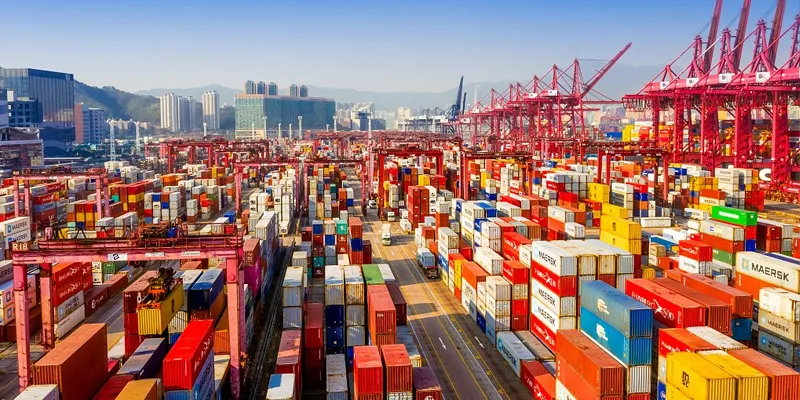
Now the Indian Rice Exporters' Federation (IREF) has done something about it. Through a bulk-shipping initiative run with Singapore-based Eximwala Solutions, the Federation has cut freight on basmati shipments to Iraq from roughly USD 350 per tonne to roughly USD 90 per tonne — a 74% reduction.
The scale, in the Federation's own numbers:
- 1,02,210 metric tonnes of basmati moved across three vessels.
- Estimated savings of roughly USD 26.6 million for the exporters who participated.
That is not a rounding error. In a commodity business where margins are measured in a few dollars per tonne, this kind of freight saving can be the difference between winning and losing a tender in the Iraqi market.
Why Iraq Matters for Basmati
The Middle East is the backbone of Indian basmati trade — it accounts for roughly 70% of India's basmati export volume. This is where the rice goes, full stop.
In FY 2025-26, India's basmati exports to the Middle East totalled 45.64 lakh MT, worth Rs 34,284 crore. The country-wise breakdown:
- Saudi Arabia: Rs 8,324 crore
- Iran: Rs 6,970 crore
- Iraq: Rs 5,583 crore
- UAE: Rs 4,132 crore
Iraq is India's third-largest basmati market in the region by value, at Rs 5,583 crore. This is not a niche destination — it is a core, recurring-volume market. That is exactly why a collective bulk-shipping deal for this route makes commercial sense.
How the Bulk-Shipping Deal Works
The idea is straightforward, and that is its strength. Instead of each exporter booking container space individually at liner rates, IREF pooled volumes. Exporters committed their tonnage, the Federation aggregated it into shipload-sized parcels, and the full vessels went out under one coordinated arrangement with Eximwala Solutions.
Three vessels. 1,02,210 metric tonnes. Freight at roughly USD 90 per tonne instead of roughly USD 350 per tonne.
The saving arithmetic is simple: about USD 260 per tonne saved, across more than a lakh of tonnes, gives the estimated USD 26.6 million figure. The key point: this was a logistics aggregation play, not a sales aggregation play. Nobody had to surrender customer relationships or pricing to a competitor — the collective part was only the shipping.
Bulk vs Container: The Trade-Offs
The deal worked because it used bulk shipping. But bulk is not automatically right for every exporter on every shipment. Here is the honest comparison.
Bulk: the advantages
- Far lower per-tonne cost. USD 90 vs USD 350 per tonne is the extreme end, but bulk almost always beats container on pure freight per tonne for grain.
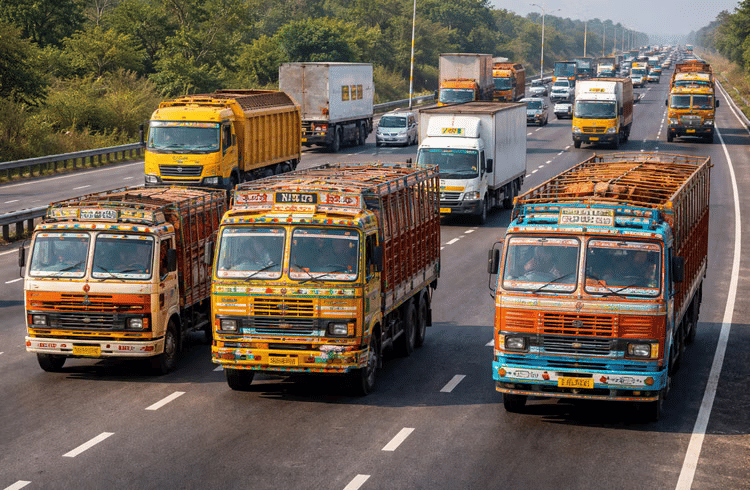
- No container hassle. No chasing empty boxes, no container shortages, no detention and demurrage on boxes.
Bulk: the catches
- You need serious volume. One exporter with 500 MT cannot fill a ship. The IREF deal only worked because volumes were pooled.
- Port and discharge constraints. Bulk discharge needs grain-handling facilities at the destination port. Port congestion can wipe out your savings in demurrage.
- Quality risk. In bulk, your rice shares a hold with everyone else's grain. Poor hold cleaning or moisture ingress means quality claims. Container shipments give you more control over your own cargo's condition.
- Cash-flow timing. A bulk shipment concentrates freight, insurance, and payment cycles into one large outlay. Plan working capital accordingly.
When containers still make sense
- Small to mid-size lots. Shipping 100–500 MT per consignment is a container reality — you cannot run bulk on those volumes.
- Branded and packaged rice. Consumer packs and private-label bags go in containers. Bulk is for loose grain, not finished retail packs.
- Multiple buyers, split deliveries. Containers let you split cargo across buyers and schedules. Bulk locks you into one large discharge.
- Scheduling flexibility. Container liners sail weekly on fixed schedules. Bulk vessels move when the parcel is ready — you may wait weeks for aggregation.
The honest summary: bulk wins on cost per tonne, containers win on flexibility and control. The IREF initiative is powerful precisely because it lets mid-size exporters access bulk economics they could never reach alone.
What Rice Exporters Should Do Now
1. Get into IREF's loop
The deal ran through the Federation. If you are a rice exporter not engaged with IREF, you are missing the channel through which these initiatives get announced and filled. Pooled shipments have limited capacity — early movers get the slots. Stay in contact so you hear about the next sailing before it fills.
2. Estimate your volume honestly
Bulk aggregation needs real, committable tonnage. Go through your contracts and pipeline for the Iraq lane and work out what you can genuinely commit per quarter. There is no point expressing interest in 10,000 MT if your business supports 2,000. Failed commitments make the next round harder for everyone.
3. Check your buyer's port and handling
Before committing, confirm with your Iraqi buyer which port the cargo will discharge at and whether bulk grain handling exists there. A USD 260-per-tonne saving is worthless if the cargo sits in a port queue for three weeks. Align logistics with your buyer before the vessel sails, not after.
4. Tighten quality and documentation
Bulk magnifies quality risk. Make sure fumigation, moisture control, and pre-shipment inspection are airtight. One bad hold generates claims that damage the consortium's reputation. If you have never shipped bulk, talk to exporters who have — the preparation differs from container stuffing.
5. Revisit your Iraq pricing
A 74% freight cut changes your cost structure on this lane. If you were pricing yourself out of Iraqi tenders on freight, run the numbers again at USD 90 per tonne. Then decide deliberately how much of the saving you keep as margin versus use to sharpen your price — do not hand it all to the buyer by default.
6. Watch for copycat initiatives on other lanes
Saudi Arabia (Rs 8,324 crore) and Iran (Rs 6,970 crore) are bigger basmati markets than Iraq. If the Iraq bulk model proves out over these three vessels, expect moves to replicate it on the Saudi and Iranian lanes. Exporters with volume there should think now about what aggregation would need.
The Bigger Picture
There is a structural lesson here beyond one deal. Indian SME exporters consistently pay more per unit for logistics than larger competitors because they buy shipping in small lots. Container liner rates are a retail price; bulk charter rates are a wholesale price. The IREF–Eximwala initiative is essentially a buying cooperative for freight — and it worked.
The Federation model deserves attention from other commodity export associations. Any Indian export product that moves in large, fungible volumes to concentrated destinations is a candidate for the same treatment: aggregate, charter, save. The mechanics are the same; the hard part is coordination, which is exactly what a federation exists to do.
For basmati specifically, the Middle East is a 70%-of-volume market and freight is a first-order cost. Anything that structurally lowers it through repeatable bulk programs — not one-off negotiations — directly improves India's competitiveness in its most important rice market. That is what makes this deal worth more than its USD 26.6 million headline.
Frequently Asked Questions
What exactly did IREF's bulk-shipping initiative achieve?
The Indian Rice Exporters' Federation, working with Singapore-based Eximwala Solutions, moved 1,02,210 metric tonnes of basmati rice to Iraq across three vessels, cutting freight from roughly USD 350 per tonne to roughly USD 90 per tonne — a 74% reduction, with estimated total savings of around USD 26.6 million.
Does the 74% freight cut apply to all basmati exports?
No. The reduction applies to the shipments moved under this specific IREF bulk-shipping initiative on the India-Iraq lane. Regular container shipments to Iraq and shipments to other destinations continue at normal market freight rates unless similar bulk programs are arranged for those routes.
How big is Iraq as a market for Indian basmati?
Iraq is India's third-largest basmati market in the Middle East by value. In FY 2025-26, India exported basmati worth Rs 5,583 crore to Iraq, behind Saudi Arabia (Rs 8,324 crore) and Iran (Rs 6,970 crore), and ahead of the UAE (Rs 4,132 crore). Total basmati exports to the Middle East were 45.64 lakh MT worth Rs 34,284 crore, with the region accounting for roughly 70% of India's basmati volume.
Can a small exporter with 500 MT use bulk shipping?
Not alone — a bulk vessel needs thousands of tonnes. But that is exactly what the IREF initiative solved: pooling volumes from multiple exporters so smaller participants could access bulk freight rates they could never reach individually. Small and mid-size exporters should engage with IREF to participate in future pooled sailings.
What are the main risks of bulk shipping for rice?
Quality contamination in shared holds, moisture damage, port congestion and demurrage at discharge ports without proper grain-handling facilities, and concentrated cash-flow outlays. Mitigation means rigorous hold inspection and cleaning, tight fumigation and moisture control, confirming discharge-port capability with your buyer in advance, and planning working capital.
When should I still use containers instead of bulk?
For smaller lots (a few hundred MT), branded or consumer-packaged rice, shipments split across multiple buyers or destinations, and when you need fixed weekly sailing schedules. Bulk wins on per-tonne cost for large, loose-grain parcels to a single discharge point.
How do I join the next bulk shipment?
Engage directly with the Indian Rice Exporters' Federation (IREF) — the initiative was run through the Federation, and future sailings will be coordinated the same way. Have your committable volumes, buyer details, and discharge-port information ready so you can secure a slot when the next round is announced.