
Dyes, agrochemicals and speciality chemicals power India's chemical exports — compliance, clusters and buyer markets explained.
India is one of the world's largest chemical producers, and chemicals are a core pillar of its export basket — from dyes and agrochemicals to pharma intermediates and speciality chemicals. Buyers in more than 150 countries source from Indian plants because of scale, cost and a maturing compliance culture.
This guide explains the segments and clusters that matter, the REACH and GHS rules every exporter must master, how to move hazardous cargo safely, the buyer markets paying the best prices, and how to price and contract for chemical exports in 2026.
1. Scale and segments
India's chemical exports are generally reported in the region of US$25–30 billion a year across organic, inorganic and speciality chemicals. Figures move with crude oil and feedstock prices, so treat them as indicative — but the direction is clear: India's share of global chemical trade keeps growing as buyers diversify away from single-country sourcing.
- Dyes and pigments: India is a leading supplier of reactive dyes, pigments and colourants for textiles, inks and coatings. Buyers increasingly demand azo-free, eco-certified dyes, so compliance with restricted-substance lists is a selling point, not a cost.
- Agrochemicals: India is one of the world's largest exporters of crop protection chemicals — insecticides, herbicides and fungicides — both as technical-grade actives and as finished formulations. Registration of actives in the destination country is often the buyer's responsibility, but exporters must supply the data to support it.
- Pharma intermediates: key starting materials and advanced intermediates feed the global generics industry. Buyers expect GMP-aligned manufacturing, impurity profiling and complete documentation.
- Speciality chemicals: fluorochemicals, surfactants, polymer additives and catalysts are the fastest-growing segment, driven by electronics, electric vehicles and performance materials.
2. Clusters: where the chemicals are made
| Cluster | Known for |
|---|---|
| Ankleshwar | Dyes, pharma intermediates, batch synthesis |
| Dahej | Petrochemicals and bulk chemicals (PCPIR), port access |
| Vapi | Dyes, intermediates, close to Mumbai and JNPT |
| Tarapur | Bulk chemicals, solvents, agrochemical intermediates |
These estates offer shared infrastructure — common effluent treatment plants, hazardous-waste handling, testing labs and logistics — that small exporters cannot build alone. Source from a cluster with a working effluent and safety record, and check the supplier's Consent to Operate before placing orders.
3. Compliance: REACH, GHS, SDS and Chemexcil
- EU REACH: substances imported into the EU above one tonne a year must be registered. Indian exporters usually work through an EU-based Only Representative (OR) appointed by the manufacturer, or the EU importer registers. Check your tonnage band (1–10, 10–100, 100–1,000 or over 1,000 tonnes) and build registration costs into your price.
- GHS/CLP labelling: the EU Classification, Labelling and Packaging (CLP) Regulation requires hazard pictograms, signal words ("Danger" or "Warning"), hazard (H) and precautionary (P) statements, and supplier identification — in the language of the destination country. Labels in the wrong language are a common reason for rejected shipments.
- Safety Data Sheets (SDS): a 16-section SDS must accompany chemical shipments, matching the destination's version of GHS. Keep the CAS number, hazard classification and transport information consistent across the SDS, label and invoice.
- Chemexcil registration: register with the Basic Chemicals, Cosmetics & Dyes Export Promotion Council (Chemexcil) for an RCMC. It supports export incentives, customs validation and access to trade promotion.
- Other markets: the US uses TSCA, South Korea uses K-REACH, and many countries have their own chemical inventories. Confirm the destination's rules before quoting — a product legal in India may need registration abroad.
4. Hazardous cargo logistics
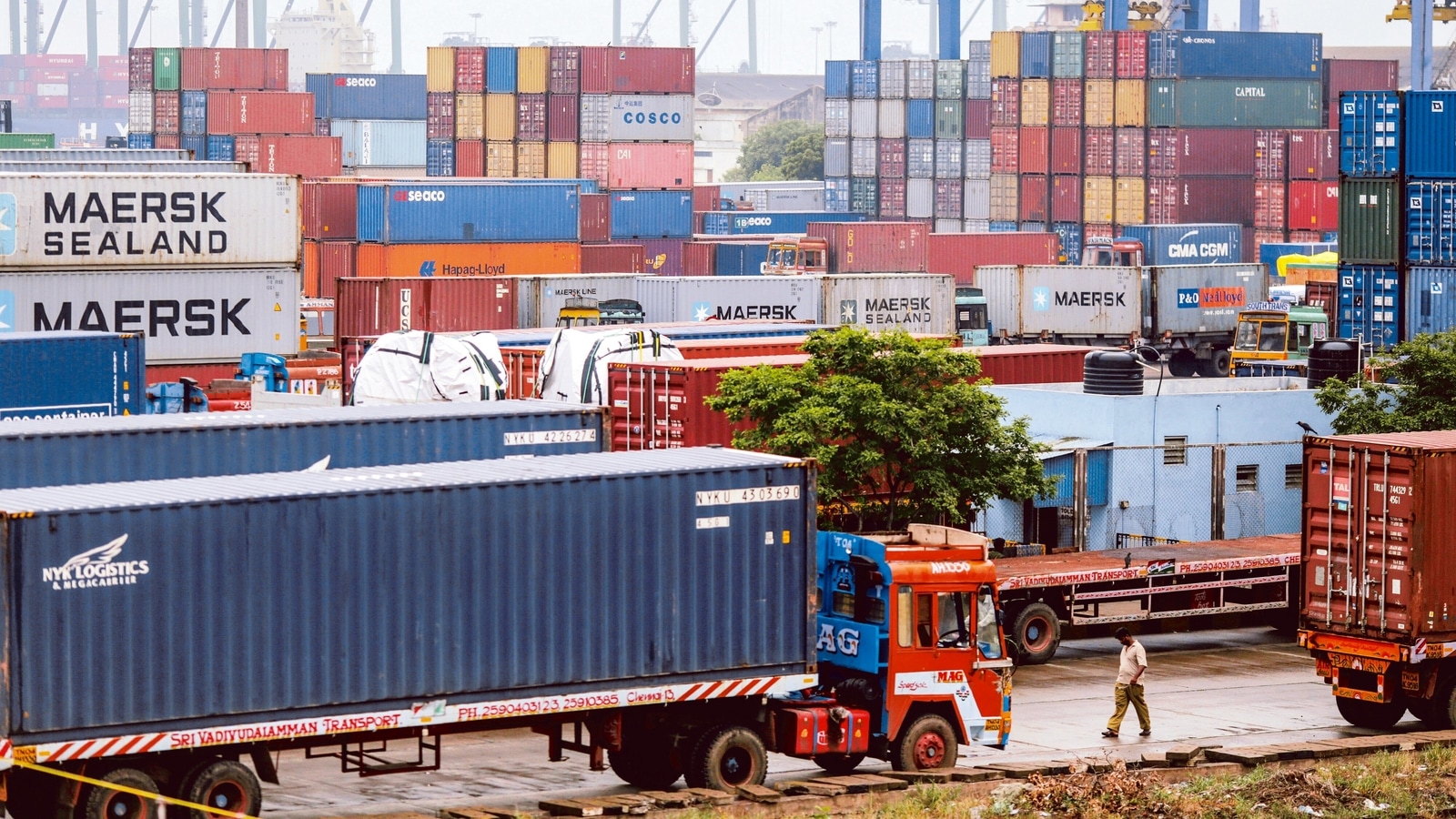
- IMDG Code: the International Maritime Dangerous Goods Code governs sea shipment of hazardous chemicals. Know your product's UN number, hazard class and packing group (I high, II medium, III low danger), and check the segregation table before booking incompatible chemicals together.
- Packaging: use UN-certified drums, IBCs or ISO tanks with valid test certificates. Do not reuse IBCs past their certified life, and declare the exact packaging on the shipping instructions.
- Documentation: the Dangerous Goods Declaration (DGD), Certificate of Analysis (CoA), Verified Gross Mass (VGM) and TREM card must all be ready before the container reaches the port. Missing or wrong flash-point data is a frequent cause of port holds.
- Choose the right forwarder: use a freight forwarder experienced in dangerous goods. Book early, declare correctly, and allow extra time for port fire and survey inspections.
5. Buyer markets
- United States: a large, quality-driven market governed by TSCA. Buyers expect reliable batch execution, full documentation and zero tolerance for leaking or weeping drums.
- European Union: the most demanding compliance market — REACH registration and CLP labelling in the local language are non-negotiable, and carbon-border scrutiny is growing.
- China: both a competitor and a buyer. China imports Indian speciality chemicals and intermediates while competing hard on commodity chemicals.
- Brazil: a key market for agrochemicals, with approvals through MAPA and long transit times that demand stabilisers and careful packing.
- Africa: growing demand for mining chemicals, water treatment and industrial chemicals. Buyers are price-sensitive and many markets require pre-shipment inspection programmes.
6. Pricing, contracts and payment
- Price on formula, not guesswork: long-term contracts are often index-linked to benchmarks such as ICIS or Platts, plus a conversion margin. Spot contracts suit single container loads. Quote in USD or EUR and hedge currency risk.
- Choose Incoterms carefully: FOB keeps obligations simple; CIF/CFR adds freight and insurance. DDP is rare and high-risk for hazardous cargo — avoid it unless you have local capability.
- Get paid safely: an irrevocable letter of credit at sight is the industry standard for high-value chemical shipments. Cash against documents suits established buyers; consider ECGC cover against non-payment.
- Contract the details: agree purity and assay methods, a reference laboratory for disputes, retained reference samples, volume tolerance and force majeure in writing. A CoA from an ISO 17025 accredited lab prevents most disputes.
Frequently asked questions
What is REACH and do I need to register my chemical?
REACH is the EU regulation for chemical substances. If you export more than one tonne a year of a substance into the EU, it must be registered — usually through an EU-based Only Representative or by your EU importer.
What is GHS labelling?
The Globally Harmonized System (GHS) standardises how chemical hazards are communicated: pictograms, signal words and hazard statements on labels, implemented in the EU through the CLP Regulation.
What is an SDS and who prepares it?
A Safety Data Sheet is a 16-section document describing a chemical's hazards, handling, storage and transport. The manufacturer or exporter prepares it, in the destination country's GHS format.
How are hazardous chemicals shipped?
Under the IMDG Code, in UN-certified packaging, with a Dangerous Goods Declaration, Certificate of Analysis and verified gross mass. A forwarder experienced in dangerous goods should handle the booking.
What does Chemexcil do for exporters?
Chemexcil, the export promotion council for basic chemicals, provides RCMC registration, trade promotion, market information and support for export incentives.
Conclusion
Chemical exports reward exporters who treat compliance and logistics as part of the product: REACH registration, correct GHS labelling, a sound SDS and IMDG-compliant shipping. Get those right, and India's clusters, scale and cost advantage will do the rest.
Start with one product, one registered market and one reliable buyer, and build from there. Export the product you can document best, choose a forwarder who knows dangerous goods, and keep every certificate on file. Chemical exports reward careful preparation — and the first successful shipment is the hardest one to win.