A practical guide for Indian exporters on selling to international retailers, chain stores and e-commerce buyers — routes, listing rules, pricing, MOQs and where to find buyers.
Selling to a single overseas buyer is one thing. Selling to an international retailer, a chain store or an e-commerce marketplace is something else entirely. Orders are larger, margins are thinner, compliance checks are stricter, and the relationship can last for years — or end after one failed audit. For Indian exporters, however, this is where the real scale sits. One listing with a European supermarket chain or a US home-goods retailer can be worth more than a hundred small wholesale orders.
This guide explains how to sell products to international wholesalers, retailers and online buyers. It compares the two main routes into retail, sets out the listing requirements, explains pricing and minimum order quantities, and shows how to find retail buyers already looking for suppliers like you.
The two routes into international retail
Selling direct to the retailer
In the direct route, you supply the retailer yourself: you negotiate the price, agree the specification, ship to their distribution centre and invoice them directly. The buyer may be a category manager at a supermarket, a sourcing manager at a department store, or a marketplace team.
The main advantage is margin. Without a middleman taking 15 to 30 per cent, you keep more of the retail price and control your brand, packaging and buyer relationship. You also get direct feedback: if a product is not selling, the buyer tells you.
The disadvantages are real. Retailers demand volume, consistency and service levels that small exporters find hard to meet. You must hold stock, meet tight delivery windows, accept penalties for late or short shipments, and often offer payment terms of 60 or 90 days. You also carry the full cost of compliance, testing and insurance.
Selling through a distributor or importer
Here you sell to an importer or distributor in the buyer's country, and they sell on to retailers. They handle warehousing, local delivery, retailer relationships and often local compliance. For many first-time exporters, this is the safer way in.
A good distributor already has the retail contacts you need, understands local regulations and can place your product in dozens of stores at once. They also absorb some risk: they usually buy on FOB or CIF terms and pay you before the goods reach the shop floor.
The trade-off is control and margin. The distributor will expect 20 to 40 per cent, and may insist on exclusivity for a territory. Your brand may be invisible to the end customer, and if the distributor underperforms, your product does not sell. Choose a distributor like a business partner: check their retail accounts, ask other suppliers for references, and start with a trial period, not a long exclusive contract.
Listing requirements: what retail buyers expect
Retail buyers list a product because it is ready to sell, not because they like it. Before you approach a buyer, check these requirements.
Barcodes. Every retail product needs a globally unique barcode, normally a GS1 GTIN, on the retail pack and the outer carton — for each variant of size, colour or flavour. Get GTINs from GS1 India and keep a clean master list.
Packaging and labelling. Packaging must protect the product, look good on a shelf and carry all legally required information in the destination market's language: product name, net quantity, ingredients or materials, country of origin, importer details, usage instructions, and allergen or safety warnings. Food, cosmetics, textiles, electronics and toys each have their own rules, and the EU, UK, US and Gulf regimes differ.
Compliance and certifications. Retailers will ask for test reports and certificates before listing you: CE marking, UKCA, FCC, FSSAI and HACCP for food, ISO 9001, organic or fair-trade certification, REACH, or CPSIA testing for children's products. Keep certificates current, in English, and ready to share as PDFs. A buyer who must chase you for documents will move on to the next supplier.
Product data and samples. Buyers work from structured data: dimensions, weight, case quantities, pallet configuration, shelf life, MOQ and lead time. Prepare a one-page product sheet per SKU with a clear photograph, and send samples that match the production specification exactly. Never send a handmade sample and then ship a different production version.
Insurance. Most large retailers require product liability insurance at minimum cover levels named in their supplier agreement. Factor the premium into your pricing.
Private label versus own brand
Retailers often ask whether you can supply private label — manufacture a product under the retailer's own brand. It is one of the fastest ways to learn how to sell products to international wholesalers and retailers, because the buyer provides the specification and guarantees the volume. Margins are lower and you build no brand equity, but you spend nothing on marketing and get predictable, repeat orders.
Selling under your own brand is the opposite bargain. Margins are higher, you own the customer relationship, and a strong brand can command premium shelf space. But you must invest in design, marketing and brand protection, and the retailer will judge your brand on its sales record.
A practical approach is to do both: private label for volume and cash flow, own brand for margin and long-term value. Keep the two ranges separate in your costing so a low-margin private label order never undermines your branded business.
Pricing, margins and MOQ
Retail pricing works backwards from the shelf price: your ex-factory price, plus freight and duty, plus the distributor's margin, plus the retailer's margin, equals the shelf price. Retailers typically work on 30 to 50 per cent gross margin; distributors add their own on top. Before you quote, work backwards from a realistic shelf price and check your factory price still leaves a profit.
Minimum order quantity (MOQ). Retailers buy in case packs, and will ask your MOQ per SKU, colour or flavour. Set it from your real production economics — raw material minimums, machine set-up time, packaging print runs — not from what you think the buyer wants to hear. A MOQ you cannot meet profitably is worse than a high MOQ stated honestly.
Payment terms and hidden costs. Expect 30 to 90 day payment terms from large retailers, and price in the cost of that working capital. Use a confirmed letter of credit or export credit insurance for first orders. Watch for listing fees, promotional contributions, chargebacks for late delivery and returns. Ask for the buyer's full supplier terms before you sign, and cost every line.
Selling through e-commerce marketplaces
Marketplaces such as Amazon Global, Alibaba, eBay, Walmart Marketplace and Etsy let you reach retail customers without a retail buyer. They are also a shop window: many retail buyers search marketplaces before approaching a supplier.
Start with one marketplace and one market. Register, complete verification and tax steps, and list a small range with excellent photographs, accurate specifications and clear delivery promises. Fees typically run to 8 to 15 per cent of the sale price, plus fulfilment and advertising — build them into your price from day one.
Fulfilment matters most. Late delivery and poor packaging generate bad reviews, and bad reviews kill a listing. Use the marketplace's own fulfilment service, such as Fulfilment by Amazon, or a reliable third-party logistics partner in the destination country.
Marketplaces also generate the data retail buyers want: conversion rates, repeat purchases, reviews and search rankings. A product that sells well on Amazon is far easier to pitch to a chain store than one with no sales history.
How to find retail buyers
Finding buyers is a system, not a single trick. Combine several channels and follow up relentlessly.
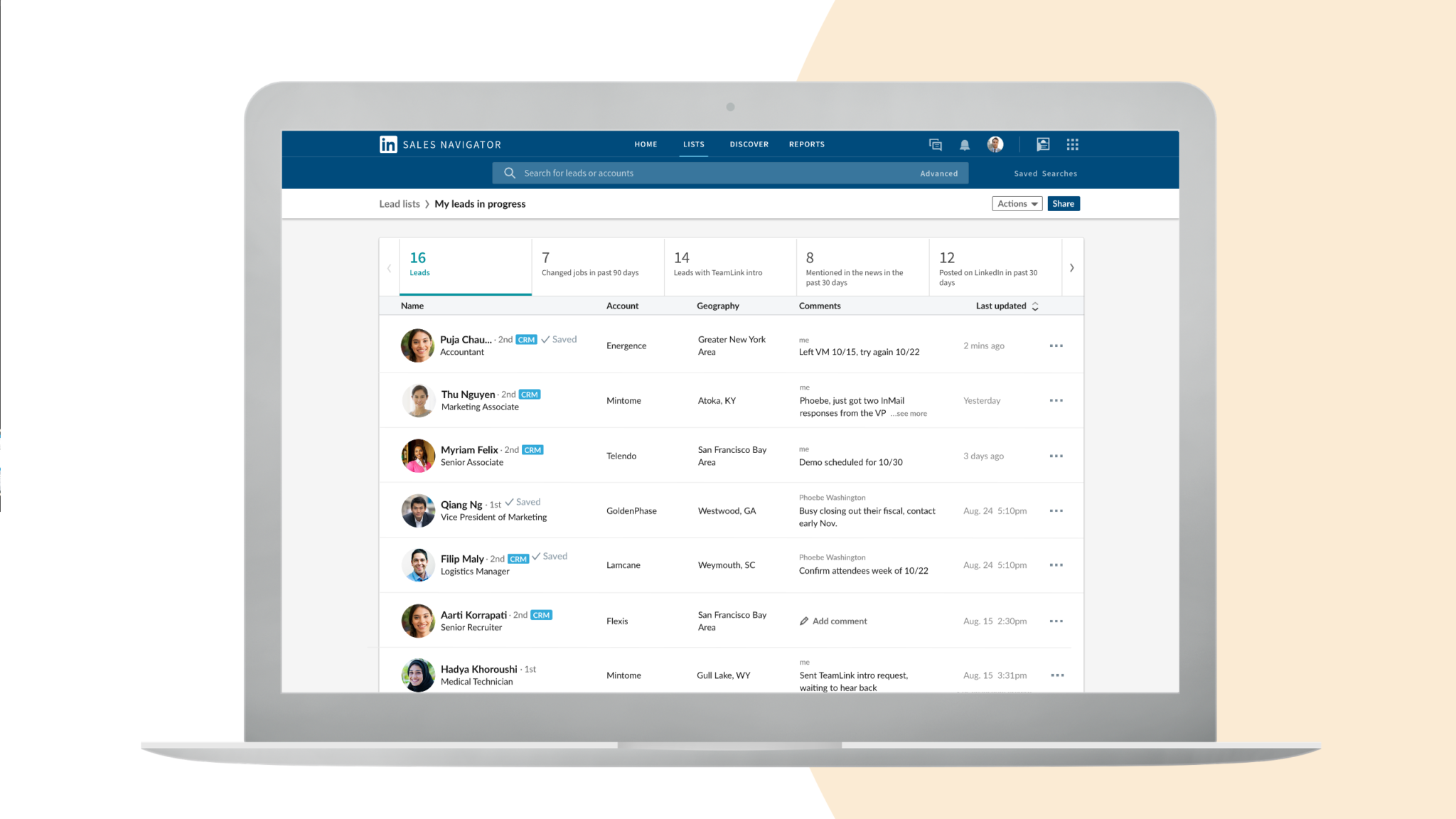
Search the buyer directory. Start with the TodayAdviser export buyer directory, where you can search verified importers and retail buyers by product and country. Shortlist buyers who already import products like yours, and approach them with a specific product and price, not a generic catalogue.
Post a requirement (RFQ) and answer buy leads. Post your requirement on TodayAdviser to let buyers find you, and respond quickly to buy leads in your category. Buyers often shortlist the first three credible suppliers who reply with a price, a sample offer and a lead time.
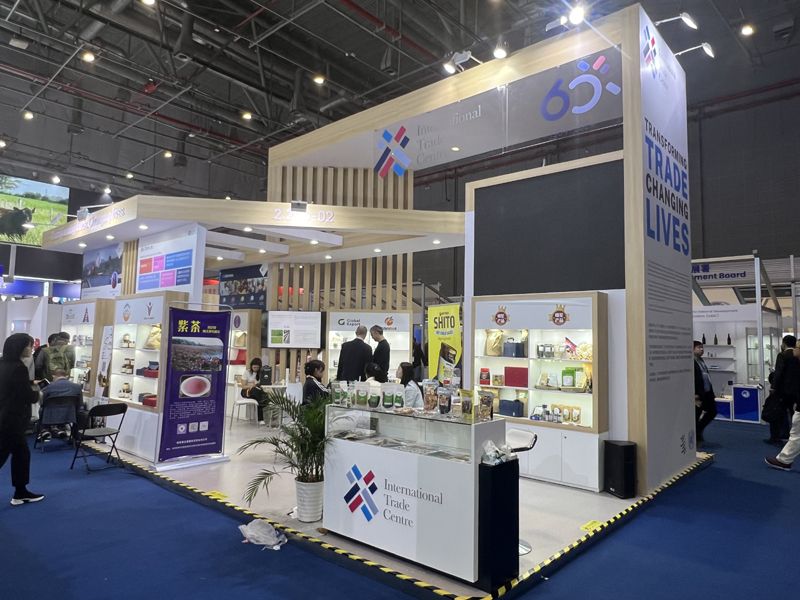
Meet buyers at trade fairs. Retail buyers attend fairs to find new suppliers. Exhibit where your buyers go, with samples, price lists and a clear MOQ, and follow up within 48 hours with exactly what was discussed.
Work your network. Ask your freight forwarder, your bank's trade team, your export promotion council and existing customers for introductions. A warm introduction is worth a hundred cold emails.
Send a complete offer. Include the product, specification, certifications, price, MOQ, lead time and a sample offer in your first message. Buyers receive dozens of supplier emails a week; the ones that get answered are the ones that answer the buyer's questions before they are asked.
Frequently asked questions
How do I start selling to international retailers as a small exporter?
Start with one product, one market and one channel. Make the product fully compliant, set a realistic MOQ, and approach buyers through a directory or trade fair with a complete offer. A distributor is a good first step while you build a sales record.
What is the difference between a wholesaler and a distributor?
A wholesaler buys in bulk and resells to retailers, usually without exclusivity. A distributor typically holds exclusive rights for a territory, manages warehousing and local sales, and works more closely with the supplier.
How much margin do international retailers expect?
Most work on 30 to 50 per cent gross margin on the shelf price. Work backwards from a realistic shelf price to check your ex-factory price still leaves a profit after freight, duty and distributor margin.
Do I need a barcode to sell to chain stores?
Yes. Retailers require a GS1 GTIN barcode on every product and variant. Without it, your product cannot be listed in their systems.
Can I sell under my own brand?
Yes, and many retailers welcome strong brands. You need sales data, reviews or marketplace performance to prove it sells. Private label is usually faster for a first listing.
What MOQ should I offer?
Base it on real production costs — raw material minimums, set-up time and packaging print runs. Buyers respect an honest MOQ more than a low one you cannot deliver.
Your next step
Retail buyers are looking for suppliers right now — suppliers who are compliant, realistic on price and reliable on delivery. Get your product ready, get your data in order, and start approaching buyers this week. Browse the TodayAdviser export buyer directory to find retail buyers and wholesalers for your product, or post a requirement (RFQ) on TodayAdviser and let verified buyers come to you.