Buyer sourcing and matchmaking services promise to connect you with international buyers. This guide explains what they do, what they cost, how to vet one and the red flags to avoid.
Finding an international buyer is the hardest part of exporting. You can have a good product, a fair price and a ready factory, and still spend months sending emails that nobody answers. That gap is exactly what an export buyer sourcing service promises to close: someone else finds the buyers, checks them, introduces you, and sometimes helps you close the deal.
But not all sourcing services are equal. Some are worth every rupee; others sell you a list of names you could have found yourself, or worse, take your money and disappear. This guide explains how export buyer sourcing services and matchmaking work, what they cost, how to vet one, and how to combine a service with your own outreach so you are never dependent on a single channel.
What buyer sourcing and matchmaking services do
An export buyer sourcing service connects manufacturers and suppliers with international buyers who are actively looking for products. A matchmaking service goes a step further: it arranges structured introductions, usually around a specific requirement, a trade fair or a buyer-seller meet.
A serious service typically does five things. First, it profiles your business — products, capacity, certifications, prices and target markets. Second, it searches for buyers who import your product, using trade data, its own database and its network. Third, it screens those buyers: are they real, do they import regularly, can they pay? Fourth, it introduces you — by email, video call or a meeting at a fair — and helps with the first conversation. Fifth, some services support negotiation, samples, documentation and follow-up until an order is placed.
What a sourcing service does not do is guarantee orders. No honest service can promise that a buyer will buy. It can promise introductions to real buyers, and a process for following them up. If someone guarantees signed orders, treat that as a warning sign, not a selling point.
B2B platforms vs sales agents vs export promotion councils
There are three main ways to buy help finding buyers, and they work very differently.
B2B platforms. Marketplaces such as Alibaba, Global Sources and TodayAdviser list your products, let buyers search for you, and offer directories, RFQs and matchmaking tools. You pay a subscription, you control your profile and pricing, and you can reach many buyers at once. The trade-off is that you must do the selling yourself: buyers will compare you with dozens of other suppliers, and a weak profile gets ignored.
Sales agents and brokers. An agent works in the buyer's market, represents your products to local buyers, and earns a commission on orders. A good agent opens doors you cannot open yourself and handles language, culture and local business practice. But agents are expensive — typically 5 to 10 per cent commission — and a bad agent can damage your reputation or sit on your product while working for your competitors. Never give an agent exclusivity without a minimum sales target.
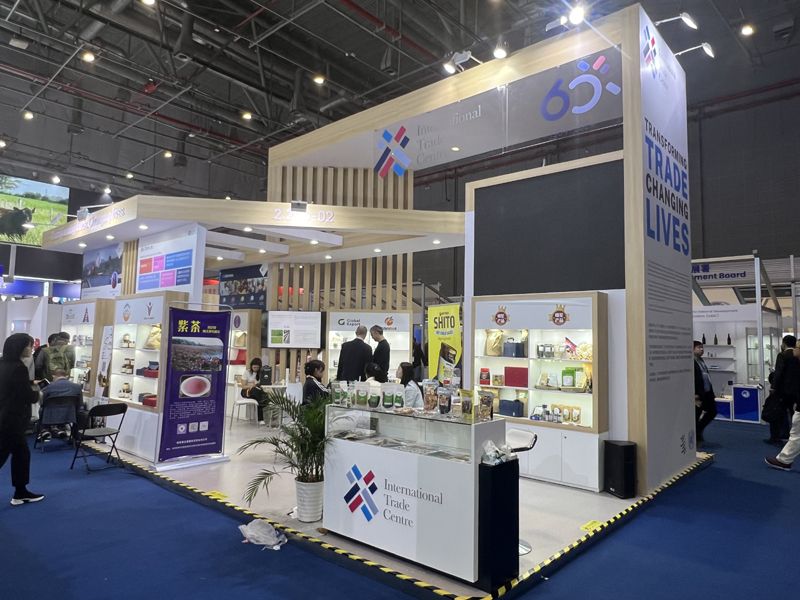
Export promotion councils (EPCs) and FIEO. India's EPCs and the Federation of Indian Export Organisations (FIEO) run buyer-seller meets, trade delegations and subsidised fair participation. They are not commercial agents: they introduce you to buyers and provide market information, usually at low cost. The pace is slower and the service less hands-on, but the buyers are usually genuine and the cost is a fraction of a commercial service.
Most successful exporters use a mix: a platform for visibility, an EPC for fairs and missions, and an agent only in a market where they already have traction and need local presence.
Fee and commission models
Before you sign anything, understand how the service charges. The main models are:
Subscription or membership. A flat annual or monthly fee for platform access, a directory listing and a number of introductions. Typical for B2B platforms. Predictable, but you pay whether or not you get orders.
Success fee or commission. No upfront fee, but the service takes a percentage — usually 3 to 10 per cent — of the orders it generates. This aligns incentives, but check how "generated" is defined, and for how long the commission applies. A service that claims commission on all your sales in a country for five years is overreaching.
Retainer plus success fee. A modest monthly retainer for research and introductions, plus a smaller commission on orders. Common with specialist consultants. Make sure the retainer covers defined deliverables, such as a set number of verified introductions per month.
Pay per lead or introduction. You pay for each buyer dossier or meeting. This can be good value if the leads are genuinely verified, but worthless if they are just names from a public database. Always ask what "verified" means: a checked company registration, a real import history and a named contact, at minimum.
Get the full fee structure in writing before you pay anything, including what happens if no buyer is found.
How to vet a sourcing service
Do your due diligence before you pay. Ask for:
- A track record in your sector. Ask for three references from exporters in your product category, and call them. A service that has placed textile buyers may know nothing about engineering goods.
- Proof of buyers, not promises. Ask how buyers are verified, and ask to see a sample buyer profile with the company's name hidden. If they will not show you anything, walk away.
- Registration and a real address. Check the company's registration, website, office address and team. A service with no verifiable address and only a mobile number is a risk.
- A clear contract. It should state the fee, the deliverables, the number of introductions, the commission rate and period, who owns the buyer relationship, and how disputes are resolved. Read it before you sign, and get a second opinion if the sums are large.
- Realistic claims. Be suspicious of anyone who promises guaranteed orders, government tenders, or introductions to named multinationals on demand.
Red flags and scams
Export matchmaking attracts fraudsters because exporters are hopeful and the sums are large. Watch for these red flags:
- Upfront fees for a "guaranteed" order or tender. A common scam: you pay a large fee to "secure" a government contract or a big retail order that does not exist.
- Requests for payment by untraceable methods. Gift cards, crypto or personal bank accounts are not how legitimate businesses are paid.
- A buyer who will only communicate through the agent. If you cannot speak to the buyer directly, verify their company independently — or do not proceed.
- Pressure to decide today. Legitimate services let you check references. Scammers rush you.
- A copied website and no history. Search the company name with words like "fraud", "complaint" and "scam", and check how long their website and domain have existed.
If you are unsure, ask your EPC, your bank's trade team or FIEO. They have seen these schemes before and will tell you quickly.
Combining a service with your own outreach
A sourcing service should add to your efforts, not replace them. The exporters who get the best results run both in parallel.
Keep your own profile strong: a complete catalogue, clear prices, certifications and fast replies. Buyers introduced by a service will check you online before they reply — if your profile is empty, the introduction is wasted.
Use trade data to check the buyers a service introduces, and to find more like them. If a service introduces you to a German importer of home textiles, search for other importers in the same category and approach them yourself.
Most importantly, own the buyer relationship. Make sure your contract says the buyer contact details belong to you, and that you can deal directly with the buyer once introduced. A service that keeps you away from your own buyer is not a partner; it is a gatekeeper.
Finding buyers yourself on TodayAdviser
You do not need an expensive intermediary to reach verified buyers. Search the TodayAdviser export buyer directory for importers and buyers by product and country, and approach them directly with a specific product, price and MOQ. Post a requirement (RFQ) on TodayAdviser so buyers looking for your product can find you, and answer buy leads fast — buyers usually shortlist the first suppliers who reply with a price, a sample offer and a lead time.
Use a sourcing service for what it is good at — opening a new market or finding a specific kind of buyer — and use the directory and RFQs for everything else. That combination gives you reach without dependence.
Frequently asked questions
What is an export buyer sourcing service?
A service that finds, screens and introduces international buyers to exporters. It may be a B2B platform, a consultancy, a sales agent or an export promotion body. It sells introductions and support, not guaranteed orders.
How much does an export buyer sourcing service cost?
Platform subscriptions are usually a few thousand rupees a month; consultants charge a retainer plus 3 to 10 per cent commission; agents typically take 5 to 10 per cent of orders. EPC services are often subsidised and much cheaper.
How do I know if a buyer introduced by a service is genuine?
Check the company's registration in its home country, look for a real import history, ask for a company email and website, and start with a small trial order paid by letter of credit or advance.
What is the difference between a sourcing agent and an export broker?
A sourcing agent usually works for the buyer, finding suppliers and checking factories. An export broker or sales agent works for the exporter, selling to buyers in a market. Make sure you know who your agent really represents.
Can MSME exporters get government help to find buyers?
Yes. FIEO, your EPC and state export promotion schemes run buyer-seller meets, delegations and subsidised fairs. Many MSMEs find their first buyers this way, at very low cost.
Should I pay upfront for a sourcing service?
Small, defined fees are normal — a platform subscription or a research retainer. Large upfront payments, especially for "guaranteed" orders, are a red flag. Pay for defined deliverables, and use a written contract.
Can I use a sourcing service and find buyers myself at the same time?
Yes, and you should. Use the service to open new markets and the TodayAdviser buyer directory and RFQs for direct outreach. You keep control, and you are never dependent on one channel.
Your next step
Before you pay any sourcing service, check three references, read the contract, and confirm what "verified buyer" actually means. Then try the direct route in parallel: browse the TodayAdviser export buyer directory and post a requirement (RFQ) on TodayAdviser — you may find your next buyer before the service does.