DGFT's Trade Notice 36/2026-27 expands LIFT freight reimbursement to 308 districts and cuts the minimum distance to 100 km. Here is what MSME exporters can claim from 17 November 2026.
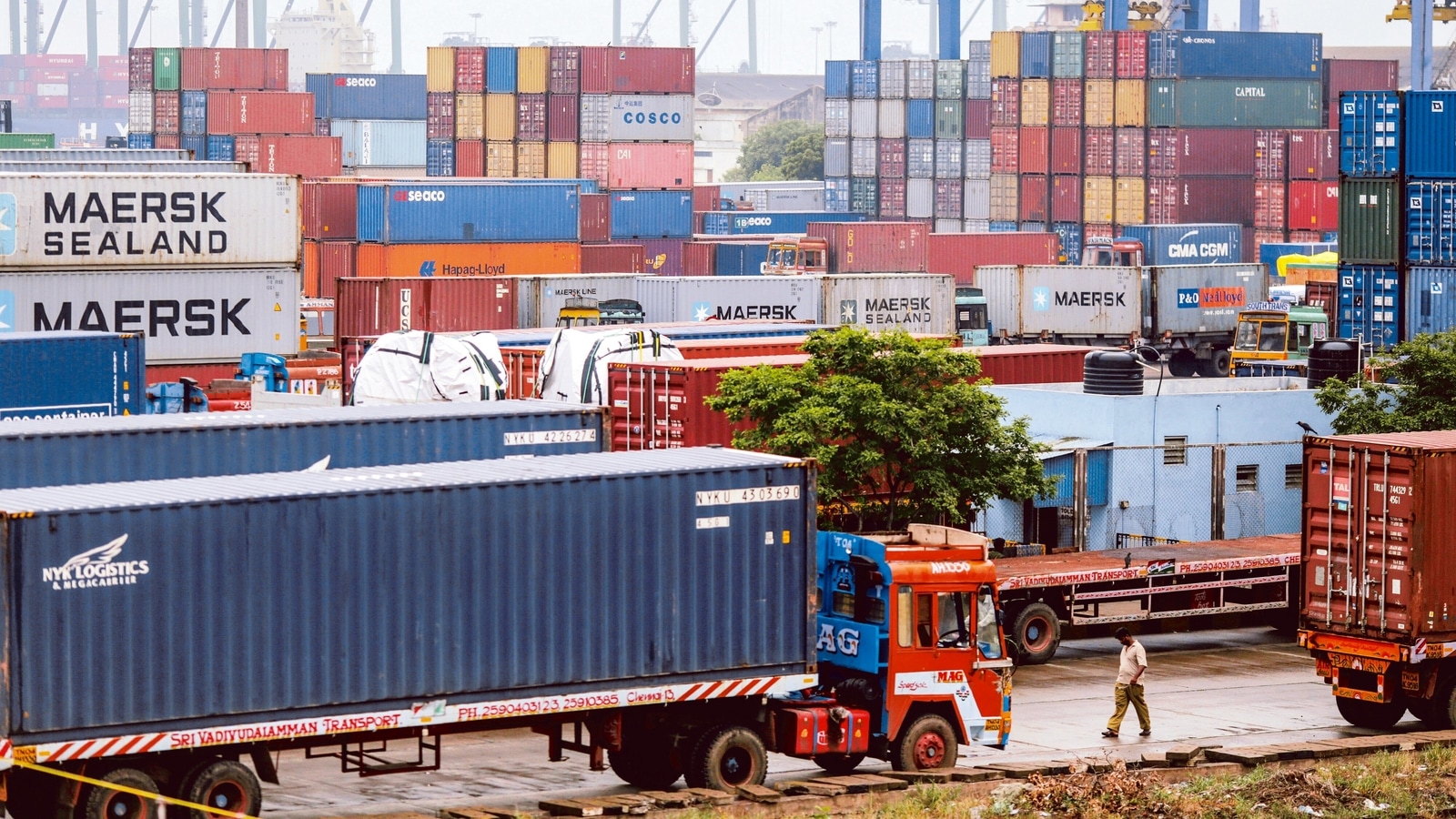
For many Indian MSME exporters, the cost of moving goods from the factory gate to the port is the difference between a competitive quote and a lost order. Inland freight — the truck journey from a small town to an inland container depot, a container freight station or a seaport — can add a heavy cost to every container, and it hits exporters in smaller districts hardest.
On 17 November 2026, the Directorate General of Foreign Trade (DGFT) issued Trade Notice No. 36/2026-27, amending the LIFT scheme — Facilitating Logistics Interventions for Freight and Transport — under the Export Promotion Mission (EPM), known as Niryat Disha. The changes widen who can claim, widen what is covered, and cut the minimum distance that qualifies. Here is what the revision means for MSME exporters, and how to use it.
What is LIFT?
LIFT is a freight support scheme under the Export Promotion Mission (EPM) – Niryat Disha. It provides partial reimbursement of the freight cost of moving export goods from the exporter's premises to a gateway — an inland container depot (ICD), a container freight station (CFS), an air cargo complex, a seaport, a land customs station or an integrated check post.
The idea is simple. Exporters in districts far from ports pay far more to move their goods than exporters next to a port. Without support, that inland cost makes their products uncompetitive. LIFT partly offsets the freight bill, so exporters in low-export-intensity districts can quote prices that international buyers will accept.
What changed on 17 November 2026
Trade Notice No. 36/2026-27 makes four important changes.
1. More districts are eligible. The scheme now covers 308 low-export-intensity districts across 21 States and Union Territories. That is a significant expansion of the district list, bringing many more MSME clusters into the scheme — including districts that previously had no freight support at all. If your unit is in a district with low export intensity, check the notified list: your district may now qualify.
2. The minimum distance is halved. The minimum freight distance to qualify has been reduced from 200 km to 100 km. This matters enormously. Under the old rule, an exporter 150 km from the nearest ICD got nothing; under the new rule, the same journey qualifies. Many MSME units sit 100 to 200 km from a gateway, and they are the ones this change helps most.
3. More products are covered. Partial freight reimbursement now covers most exportable merchandise, except a negative list of excluded items. Instead of a narrow list of eligible products, the scheme now works the other way round: if your product is not on the negative list, it is covered. That simplifies claiming and removes a common reason for rejection.
4. A clear cut-off date. The revised terms apply to shipments dispatched from MSME premises on or after 17 November 2026. Shipments dispatched earlier remain under the previous Trade Notice 29/2025-26. Keep the dispatch date on record: it decides which set of rules applies to your claim.
Who can claim LIFT freight reimbursement?
LIFT is aimed at MSME exporters in the notified low-export-intensity districts. To claim, you will generally need to show that you are an MSME exporter, that your goods were dispatched from your premises in an eligible district, that the freight movement was at least 100 km to a recognised gateway, and that the product is not on the negative list.
Keep these documents ready: the shipping bill, the freight invoice or transport bill, proof of dispatch from your premises, the invoice and packing list, and your MSME registration details. Freight claims are usually checked against the shipping bill and the transport documents, so the figures must match.
One practical tip: agree the freight paperwork with your transporter and freight forwarder before the goods leave. Reconstructing a freight invoice weeks later is slow, and a missing document can hold up the whole claim.
How much can you claim, and how does it work?
LIFT provides partial reimbursement of the freight cost — it does not cover the full bill. The exact reimbursement rate and caps are set out in the scheme's guidelines and the trade notice, and they can vary by product and route. Treat the reimbursement as a reduction in your landed cost, not as a profit line: build your export price on your real costs, and treat the LIFT payment as a margin improvement.
Claims are filed through DGFT's systems with the supporting documents. Expect the usual checks: the district of dispatch, the distance to the gateway, the product's eligibility and the freight amount. If your claim is rejected, the reason is usually one of these — wrong district, distance below the minimum, a product on the negative list, or a mismatch between the freight invoice and the shipping bill.
What the 100 km rule means in practice
The distance change is the most practical part of this revision. Consider an MSME in a district 120 km from the nearest ICD. Before 17 November 2026, its freight to the ICD did not qualify. Now it does. The same applies to exporters using a nearby CFS, air cargo complex or land customs station.
It also changes how you plan logistics. If you have a choice of gateways, check which ones are within the rules and compare the freight cost against the reimbursement. A slightly longer route to a recognised gateway may be cheaper overall once reimbursement is counted. Talk to your freight forwarder about the options before you fix your routing.
What this means for your export pricing — and your buyers
Lower logistics cost is a direct competitive advantage. If LIFT reimburses part of your inland freight, your landed cost falls, and you can do one of three things: hold your price and improve your margin, cut your price and win more orders, or offer better terms — such as free samples or a lower MOQ — to a buyer who is deciding between you and a competitor.
International buyers compare landed costs, not factory-gate prices. A buyer choosing between an Indian supplier and one from another country will look at the total cost of getting the goods to their warehouse. Every rupee of freight support you receive makes your landed price more attractive, and it can be the difference between winning and losing a trial order.
Use the saving actively. When you quote a buyer, you do not need to explain the scheme in detail — but do use the headroom it gives you. Sharper pricing, a trial-order discount or a better payment term can all be funded from the freight you no longer have to absorb.
How to find buyers for your newly competitive pricing
A better price only helps if buyers see it. Use the saving to go after new buyers now. Search the TodayAdviser export buyer directory for verified importers and buyers in your product category and target country, and approach them with your revised, sharper quotation. Post a requirement (RFQ) on TodayAdviser so buyers looking for your product can find you, and answer buy leads quickly — buyers shortlist the suppliers who reply first with a price, a sample offer and a lead time.
Frequently asked questions
What is the LIFT scheme?
LIFT — Facilitating Logistics Interventions for Freight and Transport — is a scheme under the Export Promotion Mission (EPM) – Niryat Disha that partly reimburses the freight cost of moving export goods from MSME premises to a gateway such as an ICD, CFS, air cargo complex, seaport, land customs station or integrated check post.
Which districts are covered?
Under Trade Notice No. 36/2026-27, 308 low-export-intensity districts across 21 States and Union Territories are eligible. Check the notified district list to confirm whether your district qualifies.
What is the minimum distance to claim?
100 km. The minimum freight distance was reduced from 200 km to 100 km by the 17 November 2026 amendment, so many more MSME units now qualify.
Which products are covered?
Most exportable merchandise is covered, except items on a negative list. If your product is not on the negative list, it is covered.
From when do the new rules apply?
Shipments dispatched from MSME premises on or after 17 November 2026 fall under the revised terms. Earlier shipments remain under Trade Notice 29/2025-26.
Does LIFT cover the full freight cost?
No. It provides partial reimbursement of the freight cost. The rate and caps are set in the scheme guidelines, so check them before you quote a buyer.
What documents do I need to claim?
Typically the shipping bill, the freight or transport invoice, proof of dispatch from your premises, the commercial invoice and packing list, and your MSME registration details. Keep the freight figures consistent across documents.
Your next step
Check two things today: whether your district is on the notified list of 308 districts, and whether your usual route to the gateway is at least 100 km. If both are true, your next shipment may qualify for LIFT freight reimbursement — and that saving can fund a sharper price for your buyers. Browse the TodayAdviser export buyer directory to find international buyers for your products, or post a requirement (RFQ) on TodayAdviser and let verified buyers come to you.