
DGFT Notification 49/2026-27 moves lithium-ion battery black mass exports from Free to Prohibited. Explore the reasons, impacts, and compliance steps for global B2B trade.
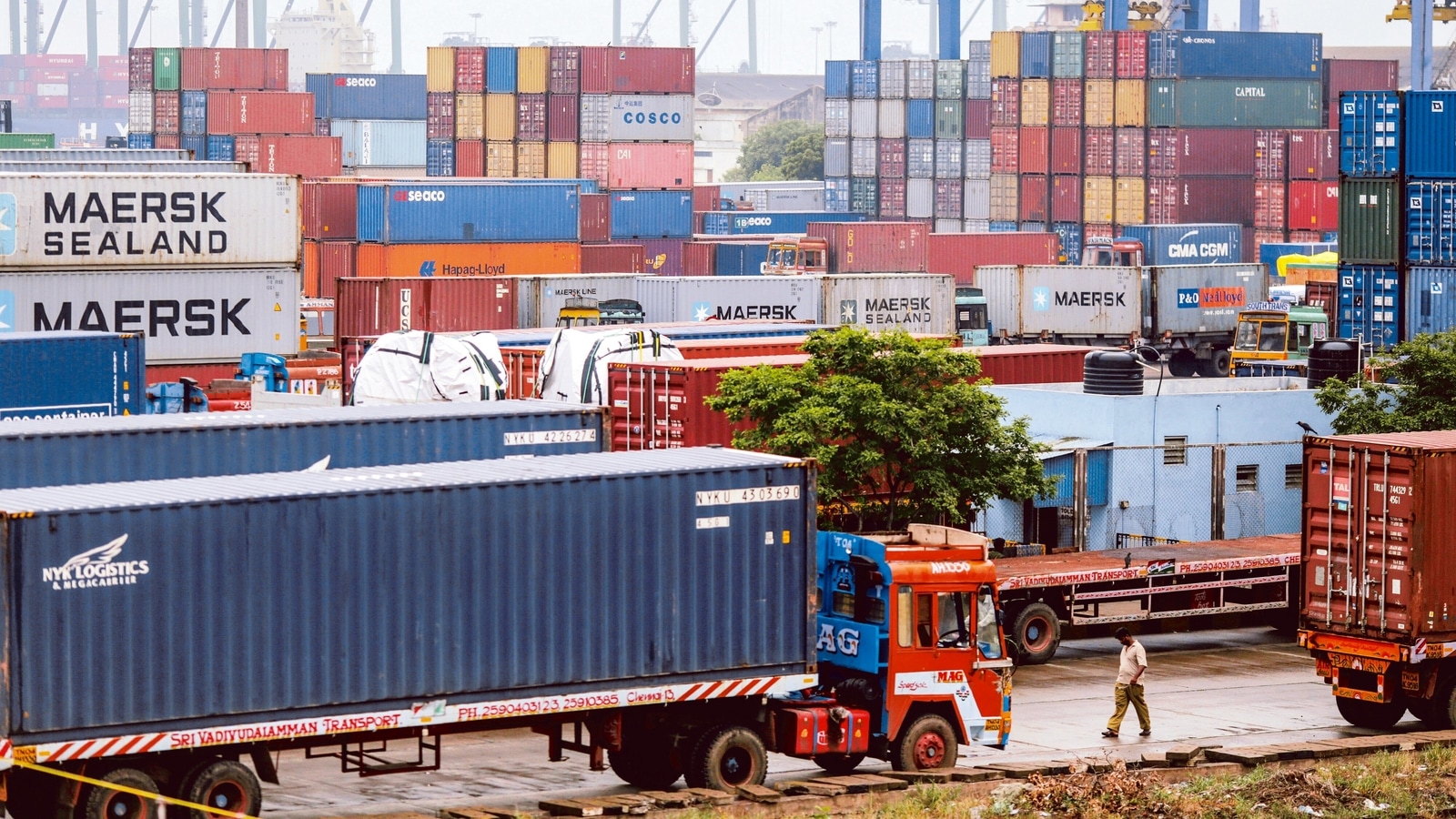
The Directorate General of Foreign Trade (DGFT) has officially shifted the policy on secondary battery recycling materials with a decisive regulatory update. DGFT Notification 49/2026-27, dated November 10, 2026, reclassifies specific battery recycling inputs under the Indian Trade Classification (Harmonised System)—ITC (HS) code 85491400 from 'Free' to 'Prohibited' with immediate effect. This sweeping regulatory change halts outbound shipments of secondary processed battery scrap, heavily impacting recycling firms, international commodity traders, and global supply chain stakeholders who rely on Indian processing yards for critical minerals.
For international buyers and domestic exporters navigating the fallout of the lithium-ion battery black mass export ban, understanding the nuances of this trade restriction is paramount. The policy pivot is designed to secure domestic feedstock for upcoming national value-addition initiatives, compelling stakeholders to rethink their sourcing models, review existing logistics contracts, and align with new regulatory frameworks under India's evolving foreign trade policy.
In this practical news explainer for global B2B professionals on Today Adviser, we break down the operational, legal, and strategic implications of black mass export India restrictions, outline transitional provisions, and provide actionable checklists for affected supply chain managers.
Understanding Black Mass and the Regulatory Shift
To comprehend the weight of DGFT Notification 49/2026-27, one must first examine the material itself and the exact statutory modifications enacted by Indian trade authorities.
What is Black Mass?
Black mass is the high-value metallic powder generated from the mechanical shredding and processing of end-of-life lithium-ion batteries, manufacturing scrap, and electronic waste. This concentrated powder typically contains critical and strategic elements including lithium, cobalt, nickel, manganese, and graphite.
Because extracting these elements from raw ores is environmentally taxing and capital-intensive, black mass serves as a vital secondary urban mining feedstock. Refiners globally prize this material because it acts as an intermediate concentrate that can be chemically leached and refined far more efficiently than primary mined minerals.
DGFT Notification 49/2026-27: The Core Amendments
Issued on November 10, 2026, by the Directorate General of Foreign Trade under the Ministry of Commerce and Industry, the notification introduces a fundamental change to the export policy of waste and scrap of primary cells, primary batteries, and electric accumulators.
| ITC (HS) Code | Item Description | Previous Policy | Revised Policy | Effective Date |
|---|---|---|---|---|
| 85491400 | Waste and scrap of primary cells, primary batteries and electric accumulators; containing nickel-cadmium, nickel-metal hydride or lithium-ion (Black Mass) | Free | Prohibited | November 10, 2026 |
By moving the classification from the unrestricted 'Free' category straight to 'Prohibited', the Indian government has effectively stopped all standard commercial outbound licensing for this specific commodity stream.
The Strategic Rationale: Why the Ban Was Enacted
Trade restrictions of this magnitude are rarely implemented without broader industrial policy alignment. The prohibition of black mass exports is directly tied to India's long-term geopolitical and economic strategy in the green energy transition.
The National Critical Mineral Mission
India has accelerated its ambitions to secure a self-reliant supply chain for electric vehicles (EVs) and grid-scale energy storage systems. Through the National Critical Mineral Mission, the government aims to identify, acquire, process, and recycle critical minerals domestically.
Allowing high-purity black mass—which contains refined concentrations of lithium and cobalt—to leave Indian shores for overseas refining facilities directly counteracts this domestic resource-security goal. Policymakers have emphasized that these secondary raw materials must remain within the country to feed upcoming domestic hydrometallurgical and pyrometallurgical refining hubs.
The Rs 1,500 Crore Recycling Incentive Scheme
Complementing the regulatory ban is a major financial impetus: the rollout of the indicative Rs 1,500 crore recycling incentive scheme (verify live figures and exact disbursement guidelines via official government gazettes).
This capital allocation is structured to subsidize domestic capacity building, encouraging local recyclers to upgrade their facilities from simple shredding and mechanical separation to advanced chemical refining. By choking off export channels, the state ensures that domestic recyclers capture the maximum margin locally, transforming India from a low-value scrap exporter into a high-value refined battery-grade chemical producer.
Who Is Affected and How?
The sudden implementation of the lithium-ion battery black mass export ban sends shockwaves across several segments of the international and domestic B2B landscape.
1. Domestic Recyclers and Aggregators
Firms specializing in e-waste dismantling, battery shredding, and mechanical black mass generation face an immediate operational bottleneck. While many possess robust processing lines, a significant portion of domestic players historically relied on high-paying export markets in Asia and Europe to sell their intermediate black mass.
Without immediate domestic offtake agreements with local hydrometallurgical refiners—many of which are still under construction—these aggregators face inventory buildup, working capital strains, and storage compliance challenges for hazardous materials.
2. International Traders and Global B2B Buyers
Global commodity traders who contracted long-term supply arrangements with Indian scrap processors now face force majeure scenarios or mandatory contract defaults. International battery cell manufacturers in Europe, East Asia, and North America who factored Indian black mass into their scope 3 carbon reduction and recycling closed-loop quotas must rapidly diversify their supply chains toward other jurisdictions.
3. Original Equipment Manufacturers (OEMs) and Cell Makers
Domestic cell manufacturers in India view this policy positively. They are poised to secure a steady, cost-effective stream of secondary raw materials once domestic refining infrastructure catches up with supply. However, in the short term, cell makers must coordinate closely with recyclers to absorb the localized volume previously destined for export.
Transitional Arrangements and Legal Recourse
Whenever the DGFT alters export policies overnight, international trade lawyers and seasoned exporters look closely at the Foreign Trade Policy (FTP) to determine if existing shipments are grandfathered in.
Paragraph 1.05 of FTP 2023
Under normal circumstances, Para 1.05 of the Foreign Trade Policy provides transitional relief for consignments where an irrevocable letter of credit (LC) has been opened or where physical export operations have advanced to a certain stage prior to the notification date.
However, because hazardous wastes and certain restricted chemical/metallic scraps carry stringent environmental oversight under both domestic law and international frameworks like the Basel Convention, transitional reliefs for 'Prohibited' items are interpreted strictly by customs authorities.
Actionable Checklist for Exporters with Pending Consignments
If your enterprise has shipments stranded at ports or goods packed in warehouses awaiting customs clearance, take these operational steps immediately:
- Verify Shipping Bill Status: Check whether the Electronic Data Interchange (EDI) system generated the Shipping Bill prior to midnight on November 10, 2026.
- Review Port Authority Holds: Engage your clearing and forwarding (C&F) agent to inspect whether port authorities have issued detention memos based on the revised ITC (HS) 85491400 restriction.
- Assess LC and Contract Terms: Consult legal counsel regarding force majeure clauses and financial liabilities tied to interrupted shipments.
- Explore Domestic Pivots: Contact local hydrometallurgical refiners to negotiate spot-market domestic sales or toll-processing agreements to redirect stranded inventory legally within India.
Compliance, Documentation, and Risk Mitigation
Attempting to bypass the black mass export India ban through misclassification under alternative HS codes (e.g., general metallic waste or non-hazardous chemical powders) carries severe legal repercussions under the Customs Act and environmental protection statutes.
Documentation Safeguards
Compliance officers must maintain rigorous audit trails for all battery-related materials handled within India:
- Extended Producer Responsibility (EPR) Compliance: Ensure strict adherence to the Battery Waste Management Rules, maintaining verifiable records of recycling efficiency rates.
- Material Characterization Reports: Keep certified assay reports detailing the exact chemical composition of processed fractions to prove compliance with domestic environmental classifications.
- Chain of Custody Tracking: Document the exact provenance of end-of-life battery cells from authorized collection centers down to the processing facility.
Frequently Asked Questions
What is black mass and why is it valuable?
Black mass is a powdery substance produced by shredding spent lithium-ion batteries. It is highly valuable because it contains concentrated amounts of critical battery metals like lithium, cobalt, nickel, and manganese, which can be chemically extracted and reused to manufacture new battery cells.
What does DGFT Notification 49/2026-27 actually do?
Issued on November 10, 2026, this notification reclassifies HS code 85491400 (covering lithium-ion battery black mass and related scrap) from 'Free' to 'Prohibited', legally banning its export from India with immediate effect to retain critical minerals domestically.
Are any transitional arrangements available for shipments already booked?
While Para 1.05 of FTP 2023 generally provides transitional relief, prohibited hazardous and critical scrap items face stringent restrictions. Exporters must check individual port permissions, Shipping Bill generation timestamps, and consult customs legal experts regarding active consignments.
Why did the Indian government ban black mass exports?
The ban supports the National Critical Mineral Mission and the Rs 1,500 crore recycling incentive scheme. The goal is to force domestic value addition, ensuring secondary raw materials feed upcoming local hydrometallurgical refineries instead of leaving the country.
Who is most impacted by this trade policy change?
Indian e-waste aggregators, independent battery recyclers who previously relied on foreign spot markets, international commodity traders, and global battery cell manufacturers who sourced intermediate recycled inputs from Indian processing yards are heavily impacted.
Can exporters redirect black mass to domestic buyers?
Yes. Affected recyclers and aggregators are actively pivoting to supply domestic hydrometallurgical refiners and cell manufacturers who are scaling up operations to absorb the newly isolated supply of secondary battery materials within India.
What are the penalties for misclassifying black mass under other HS codes?
Attempting to export black mass under alternative or misleading HS codes to bypass the prohibition violates the Customs Act and environmental regulations, leading to heavy financial penalties, cargo confiscation, and potential criminal prosecution for corporate directors.
Where can I find verified domestic buyers for black mass in India?
B2B marketplace platforms like Today Adviser connect verified suppliers, exporters, and domestic industrial buyers, facilitating secure networking and compliant trade partnerships amidst changing regulatory environments.
Conclusion and Strategic Outlook
The implementation of DGFT Notification 49/2026-27 marks a definitive turning point for India's secondary raw material economy. While the sudden prohibition creates immediate logistical hurdles for traditional exporters, it underscores a broader, unstoppable structural shift toward localized processing and self-reliance in the critical minerals sector. Stakeholders who proactively adapt their business models, forge domestic refining alliances, and ensure strict regulatory compliance will successfully navigate this transition.
Are you an exporter, recycler, or global buyer looking to adapt your supply chain strategy? Post your requirement or connect with verified suppliers and industrial partners today on Today Adviser.