DGFT has opened TRQ applications for UK vehicles under the India–UK trade deal for calendar year 2027 — applications close 21 November 2026.
On 6 November 2026, the Directorate General of Foreign Trade (DGFT) issued Public Notice 39/2026-27, inviting applications for tariff rate quotas (TRQs) for specified motor vehicles under the India–United Kingdom Comprehensive Economic and Trade Agreement (CETA) for calendar year 2027. Applications are open from 6 to 21 November 2026 — a two-week window, and the applications close on 21 November.
This guide explains what a TRQ is, what the notice covers, who can apply, how the process works under the Foreign Trade Policy 2023, and what importers should do before the deadline.
1. What is a tariff rate quota — and why does it matter?
A tariff rate quota is a trade-policy tool: a set quantity of a product may be imported at a reduced (in-quota) rate of duty, while imports above that quantity pay the normal, higher duty. The quota is allocated in advance, and only the allocated quantity benefits from the lower rate.
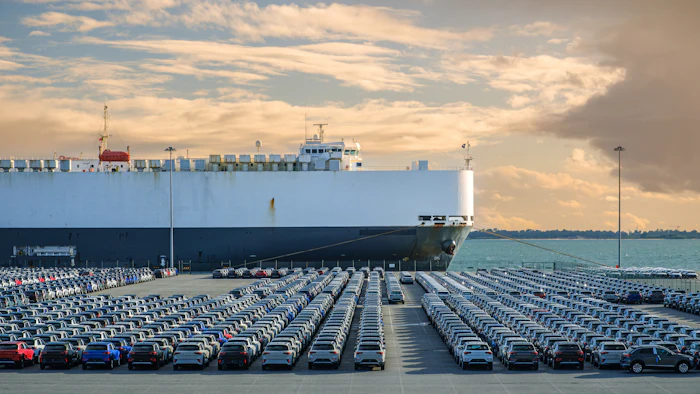
For vehicle importers, the duty saving can be substantial — import duty is often one of the largest components of a vehicle's landed cost. An in-quota rate can change the business case for bringing a UK-built vehicle into India, whether for sale, for a fleet, or for a manufacturer testing the market.
Under the India–UK CETA, the two governments agreed to open TRQs for specified motor vehicles. Public Notice 39/2026-27 is the operational step: it invites eligible importers to apply for an allocation for calendar year 2027.
2. What the notice says
- The notice: DGFT Public Notice 39/2026-27, dated 6 November 2026, titled "Inviting TRQ Applications under India–United Kingdom Comprehensive Economic and Trade Agreement (CETA) for CY 2027". It is published on the DGFT website, where the full text can be read.
- The window: applications are open from 6 to 21 November 2026. That is the whole window — importers should not assume an extension.
- The products: specified motor vehicles under the India–UK CETA. The notice text sets out the exact vehicle categories covered, so importers must check the notice itself rather than rely on summaries — the categories and any conditions are defined there.
- The procedure: applications are handled under the procedure in Annexure-VII of the Foreign Trade Policy 2023, which is the standard TRQ application framework.
- The quota year: the allocation is for calendar year 2027, so the quota relates to imports made during 2027.
3. Who can apply and what documents are needed
TRQ applications under Annexure-VII are made by importers holding a valid Importer Exporter Code (IEC). The notice itself sets out who is eligible to apply and the documents that must accompany an application — importers should read it carefully before starting, because eligibility conditions and the document list are defined in the notice.
As a practical matter, have the following ready before the window opens:
- Your IEC and company details, exactly as registered with DGFT.
- The application details for the vehicles you intend to import, including the categories and quantities set out in the notice.
- Any supporting documents the notice lists, and the declarations or undertakings it requires.
- A working login for the DGFT portal, and a person in your team who can submit and track the application.
Do not guess at the document list. The notice is the authoritative source, and an incomplete application risks rejection.
4. How allocation works
The notice sets out how DGFT will allocate the TRQ for calendar year 2027. Allocations are made for the quota year, and the allocation is what entitles an importer to bring in the specified vehicles at the in-quota duty rate during 2027.
Importers should note three practical points:
- Apply within the window. The application period is 6–21 November 2026; plan to submit early in the window rather than on the last day, in case the portal is busy or a document needs correcting.
- Read the allocation basis in the notice. The notice explains how the quota will be divided among applicants. Understanding it helps you set realistic expectations about how much allocation you are likely to receive.
- Plan shipments for 2027. The quota is for calendar year 2027, so align your orders, shipping and customs clearance with that period, and confirm with your customs broker how the in-quota rate is claimed at the port.
5. What importers must do before 21 November
- Read Public Notice 39/2026-27 in full on the DGFT website. Note the vehicle categories, the application route and the document list.
- Confirm your vehicles are covered. Match the vehicles you plan to import against the categories in the notice.
- Prepare your application — IEC, company details, vehicle and quantity details, and the documents the notice requires.
- Submit between 6 and 21 November 2026 through the route specified in the notice, and keep proof of submission.
- Plan the 2027 import schedule — orders, shipping, insurance and customs brokerage — so the allocation can actually be used in the quota year.
- Talk to your customs broker early about how the TRQ allocation is presented at clearance and what evidence the port will ask for.
6. What this means for UK–India vehicle trade
The CETA is the India–UK trade deal, and the vehicle TRQ is one of its early operational features. For Indian importers, it opens a route to bring UK-built vehicles in at a lower duty rate. For UK manufacturers and dealers, it is a practical channel into the Indian market.
The quota is limited, so demand may exceed supply — another reason to apply early and to plan around the allocation you actually receive rather than the quantity you applied for. Importers who treat the TRQ as one part of a wider sourcing plan, rather than a guaranteed discount, will get the most from it.
Frequently asked questions
What is the deadline for CETA TRQ applications?
Applications under Public Notice 39/2026-27 are open from 6 to 21 November 2026. The window closes on 21 November 2026.
Which vehicles are covered by the TRQ?
Specified motor vehicles under the India–UK CETA. The exact categories are set out in Public Notice 39/2026-27 — check the notice text for the definitive list.
Where do I apply?
Through DGFT, by the route specified in Public Notice 39/2026-27. Read the notice for the application channel and the procedure under Annexure-VII of the Foreign Trade Policy 2023.
What is Annexure-VII of the Foreign Trade Policy 2023?
It is the standard procedure for TRQ applications under the Foreign Trade Policy. The notice states that applications for this quota follow that procedure.
What happens if I miss the 21 November deadline?
The application window is 6–21 November 2026. Importers who miss it will have to wait for any future invitation for a later quota year.
Conclusion
DGFT's Public Notice 39/2026-27 opens a short, two-week window for India–UK CETA vehicle TRQ applications for calendar year 2027. The essentials are simple: read the notice, confirm your vehicles are covered, prepare the documents it lists, and apply between 6 and 21 November 2026. The importers who act early and follow the notice exactly will be best placed to use the quota in 2027.