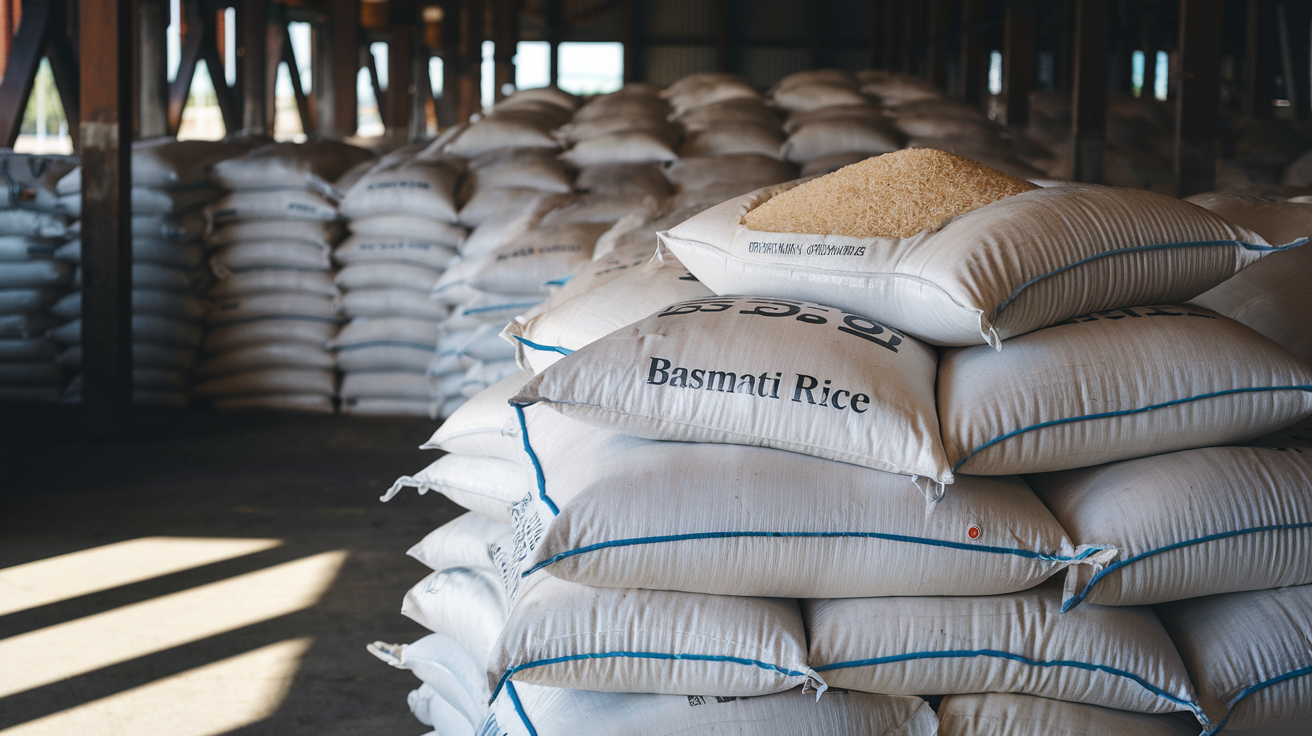
DGFT Notification 47/2026-27 narrows the EIC/EIA inspection rule for rice exports: mandatory for the EU, UK and EFTA states, exempt elsewhere in Europe until 1 April 2027.
DGFT Notification 47/2026-27: Revised EIC Inspection Rules for Rice Exports Explained
India's Directorate General of Foreign Trade (DGFT) has narrowed the inspection rules for rice exports to Europe. Notification No. 47/2026-27, dated 9 November 2026, amends the export-policy conditions for rice under HSN 1006 with immediate effect, and it changes who must obtain an Export Inspection Council (EIC) or Export Inspection Agency (EIA) Certificate of Inspection — and who does not.
For rice exporters and their overseas buyers, the change is practical, not cosmetic. It decides which shipments need pre-shipment inspection, which documents customs will expect, and how contracts for the coming months should be written. This explainer sets out what changed, which destinations are affected, which rice is covered, how to obtain the certificate, and what exporters should do now. All facts are taken from DGFT Notification No. 47/2026-27 as listed on dgft.gov.in; exporters should verify the notification text itself before acting.
What changed versus the April 2026 rule
On 10 April 2026, DGFT issued an earlier notification that made the EIC/EIA Certificate of Inspection mandatory for rice shipped to European destinations, applying the requirement broadly across Europe. Notification No. 47/2026-27, dated 9 November 2026, modifies that position.
Under the revised rule, the certificate is mandatory only for Basmati and Non-Basmati rice shipped to a defined set of destinations: the member states of the European Union, the United Kingdom, and the four EFTA states — Iceland, Liechtenstein, Norway and Switzerland. Shipments to other European destinations are exempt from the requirement until 1 April 2027.
The effect is a narrower, destination-based rule. Exporters shipping to the EU, the UK or the EFTA states must still obtain the certificate before export. Exporters shipping to other European destinations do not need it for now, but should plan for the exemption to end on 1 April 2027.
Which destinations need the certificate
The certificate is mandatory for rice shipped to:
- The European Union — all 27 EU member states.
- The United Kingdom — England, Scotland, Wales and Northern Ireland.
- The EFTA states — Iceland, Liechtenstein, Norway and Switzerland.
Together, that is 32 destination countries. The destination that matters is the country of final destination as declared in the shipping documents, so exporters should confirm it with the buyer before applying for inspection — a shipment routed through a European port but destined elsewhere is a different case from one destined for the EU itself, and the paperwork should reflect that.
The exemption window to 1 April 2027
Shipments to other European destinations — those outside the EU, the UK and the EFTA states — are exempt from the EIC/EIA certificate requirement until 1 April 2027. That gives exporters serving those markets a window of several months in which the certificate is not required.
Exporters should use the window, not waste it. Contracts that run past 1 April 2027 should be checked now: if a shipment to an exempt destination is scheduled on or after that date, the exporter should assume the certificate may be required and build inspection time into the schedule. Buyers with long-term contracts should agree with suppliers now who will arrange inspection, who will pay for it, and how the contract will be amended if the rules change.
Which rice is covered: the ITC(HS) codes
Notification No. 47/2026-27 covers Basmati and Non-Basmati rice under HSN 1006, for the following ITC(HS) codes:
- 1006 2000 — husked (brown) rice
- 1006 3011 — semi-milled Basmati rice
- 1006 3019 — wholly milled Basmati rice, other
- 1006 3091 — semi-milled Non-Basmati rice
- 1006 3099 — wholly milled Non-Basmati rice, other
- 1006 4000 — broken rice
- 1006 3012 — parboiled Basmati rice
- 1006 3092 — parboiled Non-Basmati rice
Exporters should check the ITC(HS) code on each shipping bill against this list. If a code is not listed, the notification does not apply to it — but other export rules may still apply, so confirm the position with your customs adviser. Where a consignment contains more than one code, each line should be checked separately.
How exporters obtain the EIC/EIA certificate
The Export Inspection Council (EIC) is the statutory body for export inspection, and the Export Inspection Agencies (EIAs) are its regional arms. The certificate is issued after inspection and testing of the consignment. The usual process is:
1. Apply before stuffing. The exporter applies to the relevant EIA for inspection of the consignment, giving the contract, the destination, the ITC(HS) code and the quantity. Apply early — inspection and laboratory testing take time, and the certificate must be in hand before the shipping bill is filed.
2. Sampling. An EIA officer draws representative samples from the consignment, following the agency's sampling procedure. The samples are sealed and sent to a laboratory recognised by the EIC.
3. Laboratory testing. The laboratory tests the samples against the applicable standards for the destination market. The exact tests depend on the product and the destination's requirements — exporters should confirm the test parameters with the EIA when applying, and ask the laboratory for the expected turnaround time.
4. Certificate issuance. If the consignment meets the requirements, the EIA issues the Certificate of Inspection. The exporter presents the certificate with the shipping documents at customs. If a sample fails, the exporter will need to rework or replace the lot and apply for re-inspection.
Fees and testing times are indicative and vary by agency, laboratory and test scope — confirm the current fee schedule and turnaround time with the EIA before committing to a shipment date.
What rice exporters must do now
- Segment your order book. Divide open European contracts into mandatory destinations (EU, UK, EFTA states) and exempt destinations, and confirm the destination country for every shipment.
- Check your ITC(HS) codes. Confirm that each line on the shipping bill falls within the eight codes listed above.
- Build inspection time into schedules. For mandatory destinations, add the EIA sampling and laboratory testing time to your lead time, and agree the revised schedule with the buyer.
- Update letters of credit. If a letter of credit requires an inspection certificate, make sure its wording matches the new rule — including for exempt destinations, where a certificate may no longer be required.
- Talk to your buyers. Tell buyers in mandatory destinations that the certificate will be provided, and tell buyers in exempt destinations that the exemption runs to 1 April 2027, so they can plan for what follows.
- Keep records. Retain the certificate, the test reports and the shipping documents for each consignment, in case customs or the buyer asks for them later.
Why the rule matters
Rice is one of India's largest agricultural exports, and Europe is a quality-sensitive market. The EIC/EIA certificate gives buyers and regulators assurance that a consignment has been independently inspected and tested before shipment. By narrowing the requirement to the EU, the UK and the EFTA states, DGFT has reduced the compliance burden on exporters serving other European markets, while keeping the stricter regime where destination-market rules demand it.
For exporters, the practical message is simple: the certificate is not gone, it is targeted. Treat it as a standard part of the export process for the 32 mandatory destinations, and use the exemption window for other European destinations to prepare for 1 April 2027.
Frequently asked questions
What is DGFT Notification 47/2026-27?
It is a DGFT notification dated 9 November 2026 that amends the export-policy conditions for rice under HSN 1006, with immediate effect. It modifies the earlier notification of 10 April 2026 and narrows the EIC/EIA Certificate of Inspection requirement to specific destinations.
Which destinations require the EIC/EIA Certificate of Inspection?
The certificate is mandatory for Basmati and Non-Basmati rice shipped to the 27 EU member states, the United Kingdom, Iceland, Liechtenstein, Norway and Switzerland — 32 countries in total.
Which destinations are exempt, and until when?
Shipments to other European destinations are exempt from the certificate requirement until 1 April 2027. Exporters should plan for the requirement to apply after that date.
Which rice is covered by the notification?
Basmati and Non-Basmati rice under eight ITC(HS) codes: 1006 2000, 1006 3011, 1006 3019, 1006 3091, 1006 3099, 1006 4000, 1006 3012 and 1006 3092.
How do exporters obtain the certificate?
Exporters apply to the relevant Export Inspection Agency (EIA) before stuffing, the agency samples the consignment, a recognised laboratory tests the samples, and the EIA issues the Certificate of Inspection if the consignment meets the requirements.
Does the notification affect rice shipped to non-European destinations?
No. The notification concerns European destinations only. Other export rules may still apply to shipments elsewhere, so confirm the position with your customs adviser.
Final word
DGFT Notification 47/2026-27 gives rice exporters a clearer, narrower rule: inspection is mandatory for the EU, the UK and the EFTA states, and exempt for other European destinations until 1 April 2027. Exporters who segment their order book, confirm their ITC(HS) codes, and build inspection time into their schedules will find the change straightforward. The ones who will struggle are those who assume the certificate is no longer needed at all — it is not.
This explainer is based on DGFT Notification No. 47/2026-27 as listed on dgft.gov.in. Verify the notification text, current fees and testing times with DGFT, the Export Inspection Council and your customs adviser before acting.