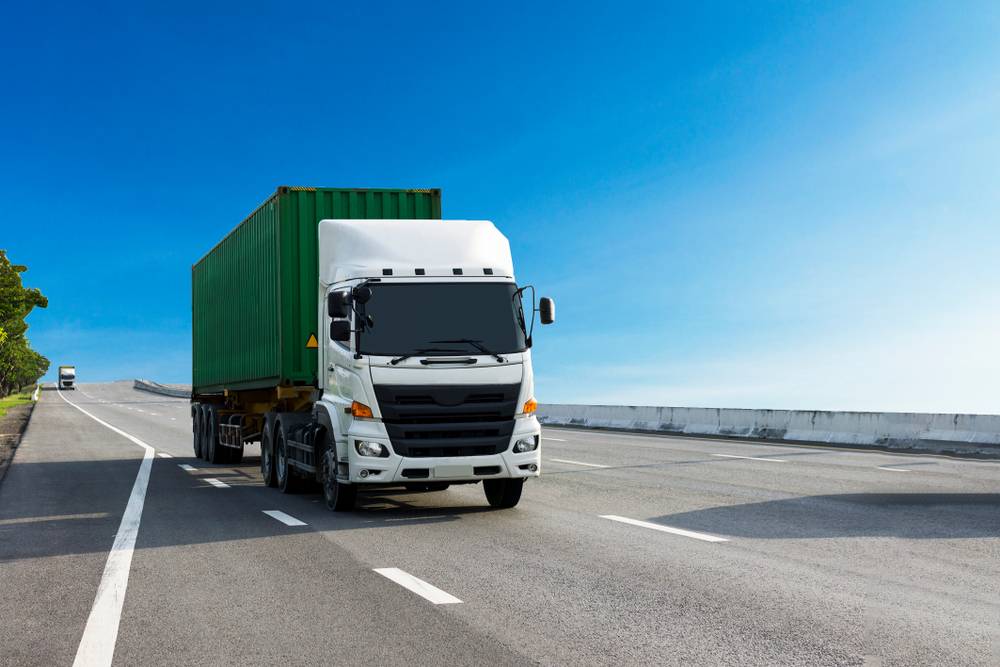
DGFT has asked exporters to describe inland transport problems and suggest how relief should be structured under RELIEF. Here is what the review means for export costs, ECGC cover and how to submit your input.
DGFT Seeks Exporter Input on Inland Freight Relief: What the RELIEF Review Means for Export Costs
For a factory in a landlocked cluster, getting goods to the port can matter as much as the price of the goods themselves. Inland transport — by road, rail and container — can add a large cost before a shipment ever leaves India. Now the Directorate General of Foreign Trade (DGFT) has asked exporters to describe their inland transport problems and suggest how relief should be structured.
This guide explains what DGFT has asked for, what the RELIEF scheme is, why the review matters now, and how exporters can submit input. Where prices are mentioned, treat them as indicative only and verify them live before you make a commercial decision.
What DGFT has asked exporters
DGFT has asked exporters to describe inland transport problems and suggest how relief should be structured. The request, reported on 7 November 2026, is a consultation, not a final scheme. The shape of any relief will depend, in part, on what exporters tell DGFT now.
Exporters are being asked: what does it cost to move a container from your factory or cluster to the port, and how has that cost changed? Where are the delays, empty container shortages, rail booking problems and port congestion? Which routes and clusters are most affected? And what form of relief would help — a direct payment, a reimbursement, a credit, or a rail or road subsidy?
Trade bodies and export promotion councils are likely to collect responses and send a consolidated view to DGFT. Individual exporters can also respond through their council or through the channels DGFT has set out. Be specific: a route, a cost, a delay and a suggestion are more useful than a general complaint about high costs.
What is RELIEF? The Export Promotion Mission background
RELIEF stands for Resilience and Logistics Intervention for Export Facilitation. It is part of the Export Promotion Mission, a Rs 25,060-crore programme to support Indian exporters, and it has been extended to 31 March 2027. That gives exporters and the government a clear window to review how it is working.
The mission is designed to help exporters deal with logistics and trade risks, rather than to pay for the goods themselves. It sits alongside other export support, including market access, trade promotion and export credit. The idea is to reduce the cost and risk of exporting, especially for small and medium exporters who are most affected by a sudden rise in freight or a payment delay.
For inland freight, the question is how a logistics intervention should work. Should it pay a share of inland freight, support rail movement from inland container depots, help with empty container repositioning, or focus on the risk of non-payment and the cost of credit? These are the questions the review is trying to answer.
Component II: 95% risk cover on eligible ECGC policies
Component II gives 95% risk cover on eligible Export Credit Guarantee Corporation (ECGC) policies. ECGC provides export credit insurance, which protects an exporter if a foreign buyer does not pay, or if a political or commercial risk prevents payment.
Risk cover affects the cost of credit. A bank lending to an exporter will look at the risk of non-payment, and higher cover can reduce that risk and the cost of borrowing. For small exporters, with less collateral and less bargaining power, that can decide whether an order is viable.
Exporters who want to use Component II should check which ECGC policies are eligible, what the cover includes, and what the exclusions are. They should also check the claim process, because a policy is only useful if a claim can be made and paid in a reasonable time. The six-member sub-committee reviewing RELIEF is looking at uptake and claims, which suggests the government wants to know whether exporters are using the scheme and whether claims are settled promptly.
The six-member sub-committee: what it is reviewing
A six-member sub-committee is reviewing RELIEF, including its uptake and claims. Uptake means how many exporters are using the scheme, which products and markets they are in, and whether it is reaching those who need it most. Claims means how many claims have been made, how many have been paid, how long they took, and the common reasons for rejection or delay.
For exporters, this is a chance to give evidence. If you have used an ECGC policy under RELIEF, say how it worked. If you have not used it, say why — cost, paperwork, eligibility or lack of awareness. If you have made a claim, say how long it took and what happened. That detail is what a review committee can act on.
The cost context: container freight and erratic supply
The review comes when export costs are still high. Container freight is still far above last year. The Drewry World Container Index was about $4,389 per 40ft container in early November, about 124% higher year-on-year. That is an indicative composite figure, and actual rates vary by route, carrier and week, so verify live rates for your route. But the direction is clear: freight is a large, volatile cost.
Erratic container supply adds to the problem. Exporters in some clusters report difficulty getting empty containers, delays in rail booking and uncertainty about sailing schedules. That cuts margins directly, through higher freight and detention charges, and indirectly, through delayed shipments and missed delivery dates.
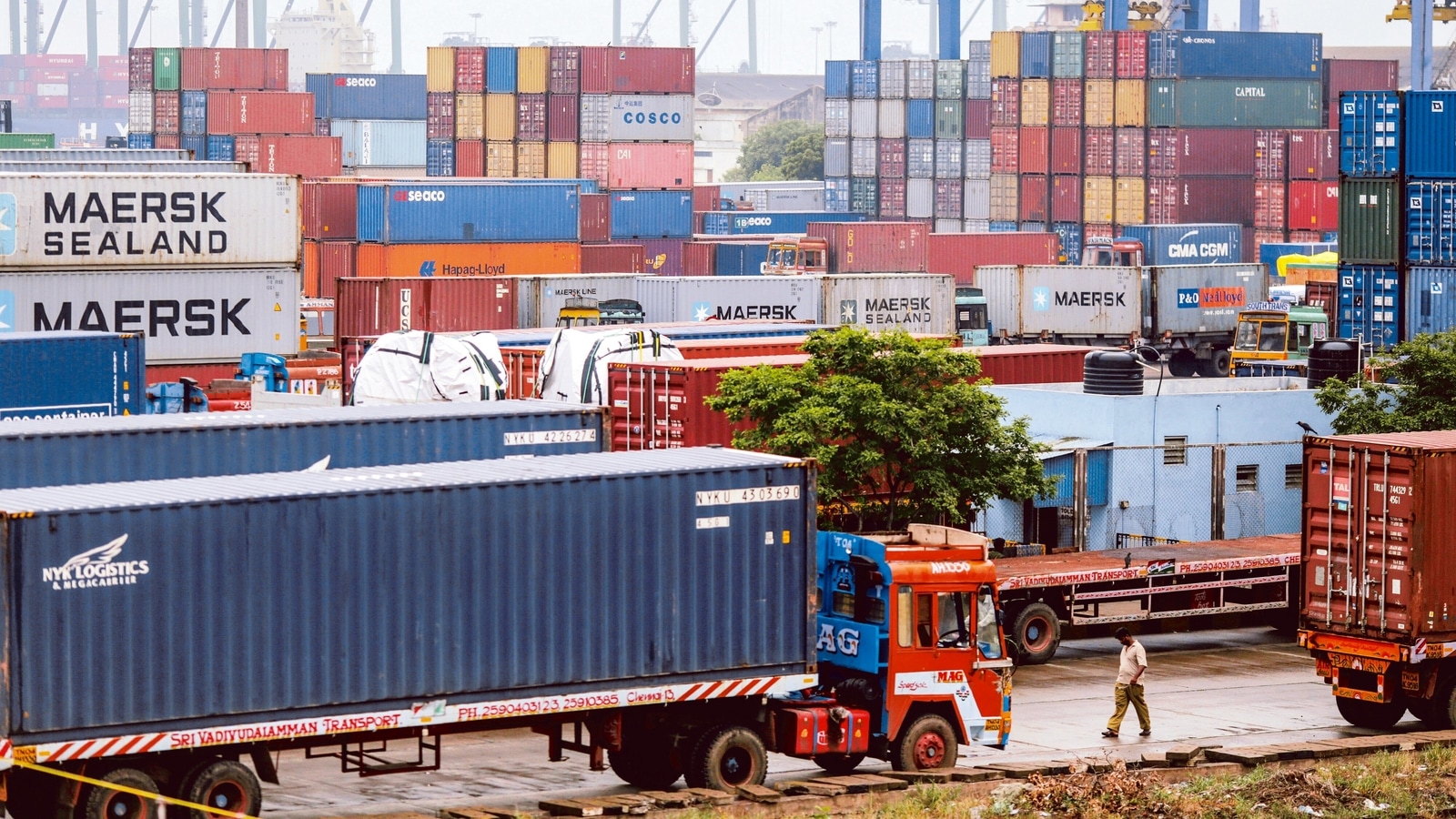
Inland freight is part of that cost. A container travelling by road or rail from an inland cluster to a port can be a significant share of the total freight bill, especially for low-value or bulky goods. For landlocked clusters, inland freight can decide whether an order is viable. That is why DGFT is asking about inland transport specifically, not ocean freight alone.
Inland transport problems and how relief could help
The problems exporters describe are practical: high road freight costs, rail booking and capacity problems, empty container shortages, port congestion, documentation delays, and damage or pilferage in transit. They affect exporters differently. A large exporter with regular volume may negotiate a better rate. A small exporter with irregular volume may pay more and get a worse service. A cluster with a good rail link may have lower costs than one relying on road alone. That is why DGFT needs route-level and cluster-level evidence.
Exporters are being asked to suggest how relief should be structured. Options include a direct reimbursement of a share of inland freight, a credit or subsidy for rail movement from inland depots, support for empty container repositioning, a reduction in the cost of ECGC cover, or a faster claim process. Others may suggest a focus on specific clusters, routes or products where inland freight is a large share of cost.
Whatever the suggestion, explain who would benefit, how much it would cost, how it would be claimed and how misuse would be prevented. A suggestion that is easy to claim and easy to audit is more likely to be adopted. Also say what you would do with the relief: quote a lower price, take a new order or enter a new market.
How exporters can submit their input
Exporters can submit input through their export promotion council, trade body or association, which will often collect responses and send a consolidated view to DGFT. That is usually the most effective route, as a council can show how many members are affected and give an evidence-based view.
Individual exporters can also respond directly through the channels DGFT has set out, and should check the DGFT website and the latest trade notice for the correct format and deadline. Include your company, product, cluster and route, the inland freight cost you pay, how it has changed, the delays you face and your suggestion for relief. Attach a freight invoice, booking confirmation or container cost sheet where you can, as evidence.
Do not wait for a final scheme before you act. The review is happening now, and the input DGFT receives now will shape the scheme announced later. If you miss the consultation, you may have to live with a scheme that does not fit your route or product. Check your inland freight costs, talk to your council, prepare a short evidence-based submission, check your ECGC cover, and keep a record of claims and delays.
Frequently asked questions
What is RELIEF?
RELIEF is Resilience and Logistics Intervention for Export Facilitation, part of the Rs 25,060-crore Export Promotion Mission, extended to 31 March 2027. It aims to reduce logistics and trade risks for exporters.
What has DGFT asked exporters to do?
DGFT has asked exporters to describe inland transport problems and suggest how relief should be structured. The request was reported on 7 November 2026, and trade bodies are collecting responses.
What does Component II offer?
Component II gives 95% risk cover on eligible ECGC policies, which can reduce the risk of non-payment and the cost of export credit, especially for small exporters.
Why are export costs so high now?
Container freight is still far above last year — the Drewry World Container Index was about $4,389 per 40ft in early November, about 124% higher year-on-year — and erratic container supply is cutting margins. Verify live rates for your route.
How can exporters submit their input?
Through their export promotion council, trade body or association, or directly through the channels DGFT has set out. Include your route, cost, delay and suggestion, with evidence where you can.
What is the six-member sub-committee reviewing?
It is reviewing RELIEF, including its uptake and claims, to decide how the scheme should work and whether it is reaching the exporters who need it.
Conclusion
Inland freight is not a side issue for Indian exporters. It is a large, volatile cost that can decide whether an order is viable, especially for landlocked clusters. DGFT's request for input is a chance to shape the relief that follows. Give specific, evidence-based input now — your route, your cost, your delay and your suggestion — and check the DGFT website for the latest format and deadline.