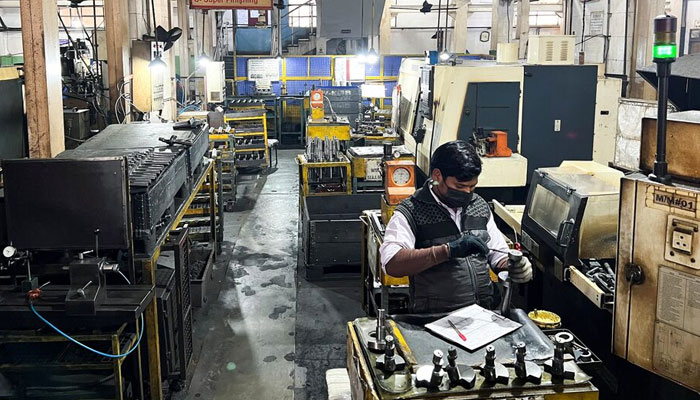
Engineering goods lead India's export basket — this guide covers the sectors, clusters, compliance and buyer markets exporters need in 2026.
Engineering goods are India's largest export basket, accounting for roughly a quarter of the country's merchandise exports. From precision auto components to industrial machinery, Indian factories now supply buyers in more than 180 countries — and in 2026 the opportunity is widening as global buyers diversify their sourcing beyond China.
This guide explains the scale of the sector, the sub-sectors and clusters that matter, the compliance rules buyers will ask about, the markets paying the best prices, and how to find buyers and get paid safely.
1. The scale of India's engineering exports
Engineering goods consistently top India's export list, with annual shipments generally reported in the region of US$100–115 billion in recent years — comfortably the largest single merchandise category. The figures move with steel prices and global demand, so treat them as indicative, but the direction is clear: India's share of global engineering trade keeps rising.
Three forces are driving demand in 2026:
- China+1 sourcing: global original equipment manufacturers (OEMs) are spreading component orders across more countries to reduce supply-chain risk, and certified Indian suppliers are among the main beneficiaries.
- Policy support: Production Linked Incentive (PLI) schemes for auto components, specialty steel and advanced chemistry cells are subsidising modernisation and scale.
- Export incentives: the Remission of Duties and Taxes on Exported Products (RoDTEP) scheme and the Export Promotion Capital Goods (EPCG) scheme help exporters offset embedded taxes and import capital equipment at concessional duty, improving price competitiveness on global bids.
For a new exporter, the message is simple: demand exists, but buyers choose suppliers who can prove quality, compliance and delivery reliability — not just a low price.
2. Key sub-sectors
Industrial machinery and capital equipment. India exports pumps, valves, boilers, turbines, food-processing lines, packaging automation and CNC machine tools. Buyers value custom-built equipment and turnkey lines, but they expect detailed drawings, test certificates and after-sales support.
Auto components. Indian tier-1, tier-2 and tier-3 suppliers feed global vehicle platforms with engine parts, transmission gears, steering and suspension components, forgings and castings. Electric-vehicle parts — aluminium die-cast battery enclosures, busbars and powertrain components — are the fastest-growing niche.
Electrical equipment. Power and distribution transformers, switchgear, cables and motors are exported widely, with India's own grid expansion acting as a proving ground for products that must perform in harsh conditions.
Iron and steel products. Pipes, tubes, structural sections, fasteners and fabricated steel items form a high-volume, price-sensitive segment where mill test certificates and consistent chemistry matter more than branding.
3. Where to source: India's engineering clusters
| Cluster | Known for |
|---|---|
| Ludhiana | Auto parts, bicycles, fasteners and forgings |
| Coimbatore | Pumps, motors, textile machinery and precision parts |
| Rajkot | Castings, diesel engines and machine tools |
| Pune | Auto components and precision engineering |
| Faridabad | Sheet metal, auto parts and light engineering |
Buying near a cluster usually means better supplier choice, faster sampling, established testing labs and freight forwarders who know the cargo. Visit the cluster, meet several suppliers and check their existing export customers before placing a first order.
4. Compliance: the rules buyers will ask about
Compliance is where many first-time engineering exporters lose orders. Build it into your costing from the start:
- BIS certification: mandatory for a range of products sold in India and often requested by buyers as evidence of quality systems.
- CE marking: required for most engineering products sold in the European Economic Area. It is a declaration that the product meets EU safety, health and environmental requirements — and buyers will ask for the technical file behind it.
- REACH: the EU chemicals regulation affects coatings, surface treatments and materials used in engineering goods. Ask your suppliers for REACH declarations for paints, plating and lubricants.
- PED (Pressure Equipment Directive): pressure vessels, boilers and piping sold into the EU must meet PED requirements, with notified-body involvement for higher-risk categories.
- Testing and documentation: budget for third-party inspection (for example SGS, Bureau Veritas or TÜV), material test certificates, calibration records and a clear packing list. A buyer who cannot verify your product will not reorder.
Start the certification process before quoting, not after winning an order — lead times for CE and PED work can run into months.
5. Buyer markets
- United States: the largest single market, especially for auto components, castings and industrial machinery. Buyers expect strict documentation, product liability insurance and fast response times.
- European Union: Germany, France and Italy buy machinery, auto parts and electrical equipment, but CE marking and REACH compliance are non-negotiable.
- UAE and the Gulf: a gateway market for machinery, steel products and project cargo, with shorter payment cycles and strong demand from construction and oil-and-gas projects.
- Africa: growing demand for agricultural machinery, pumps, generators and low-cost industrial equipment, often through distributors who value credit terms and spare-parts support.
- ASEAN: Vietnam, Thailand, Indonesia and Malaysia buy components and machinery as their own manufacturing expands — a useful market for exporters who can meet Japanese and Korean OEM standards through local assemblers.
6. Finding buyers
- EEPC India: the Engineering Export Promotion Council runs buyer–seller meets, trade delegations and the International Engineering Sourcing Show. Its membership and export facilitation services are a practical starting point.
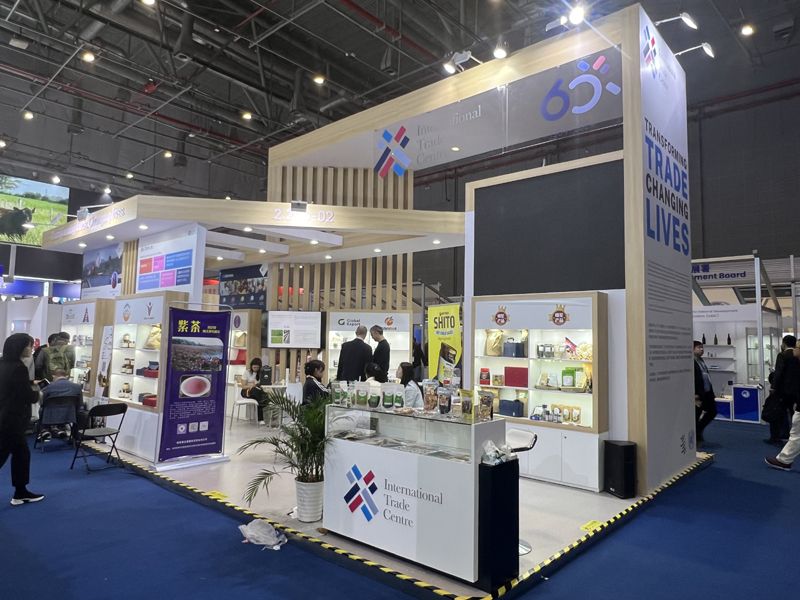
- Trade fairs: meet buyers face to face at engineering and auto-component fairs in India and overseas. A small, well-prepared booth with samples beats a large catalogue-only presence.
- B2B platforms: list products with clear specifications, real photographs and honest lead times on platforms such as TodayAdviser, where verified buyers search by product and country.
- Agents and distributors: in markets such as the US and EU, a local agent who already sells to your target buyers can open doors faster than cold outreach — agree commission and exclusivity terms in writing.
- Samples and audits: expect buyers to ask for samples, factory audits and trial orders before committing. Treat a trial order as a test, not a formality: deliver it on time and to specification.
7. Pricing, Incoterms and payment
- Price on total cost, not ex-works alone. Include certification, testing, packing, inland freight, port charges and export documentation in your quotation — surprise add-ons destroy trust.
- Choose Incoterms deliberately. FOB keeps your obligations simple; CIF adds freight and insurance; DDP puts maximum responsibility on you. Quote the term the buyer asked for, and confirm who pays what in writing.
- Get paid safely. For new buyers, prefer an irrevocable letter of credit or a substantial advance with the balance against shipping documents. Open-account terms should be earned over several successful shipments, and consider ECGC cover against buyer default.
- Mind currency and lead time. Quote in USD or the buyer's currency with a clear validity period, and build buffer into delivery dates for certification, inspection and port delays.
Frequently asked questions
What are India's top engineering exports?
Industrial machinery, auto components, electrical equipment and iron and steel products lead the basket, with engineering goods as a whole the largest category of India's merchandise exports.
Which Indian cities are best for sourcing engineering goods?
Ludhiana, Coimbatore, Rajkot, Pune and Faridabad are the main clusters, each with its own specialisation — match the cluster to the product rather than choosing on price alone.
Do I need CE marking to export engineering goods to Europe?
For most products sold in the EU, yes. CE marking, supported by a technical file and testing, is a standard buyer requirement, and pressure equipment must also meet the PED.
How do small exporters find their first engineering buyer?
Start with EEPC India events and trade fairs, list products on a B2B platform such as TodayAdviser, and offer samples and trial orders. A first order won on reliability is worth more than a large order won on price.
What payment terms are safest for engineering exports?
A letter of credit or advance payment is safest with a new buyer. Move to open-account terms only after a track record, and consider ECGC insurance for larger orders.
Conclusion
Engineering goods offer Indian exporters the largest market in the country's export basket — but success depends on the basics: the right product, a proven cluster, certified quality and payment terms that protect you. Get those right, and a first trial order can become a multi-year supply relationship.