A comprehensive guide for exporters on shipping to Saudi Arabia from India, covering SASO/SABER regulations, payment security, and logistics.
Exporting to Saudi Arabia from India: Buyers, Regulations, Payments & Logistics Guide
Saudi Arabia is a large, fast-changing market for Indian exporters, driven by construction, retail, food demand and industrial diversification. Indian suppliers are well placed on proximity, price and product range, but the Kingdom's regulatory system is formal and must be handled carefully. This guide covers what Saudi Arabia buys from India, the SASO and SABER system by category, payment norms, logistics, business culture and a practical buyer-finding playbook.
All rates and transit times in this guide are indicative only. Verify live details with your freight forwarder, customs broker, certification body and buyer before you quote or ship.
1. What Saudi Arabia buys from India
India's exports to Saudi Arabia include a broad mix. Food and agricultural products are prominent, including rice, spices, fresh and processed foods and marine products, reflecting Saudi demand for imported food. Textiles and apparel, gems and jewellery, chemicals and pharmaceuticals also feature strongly.
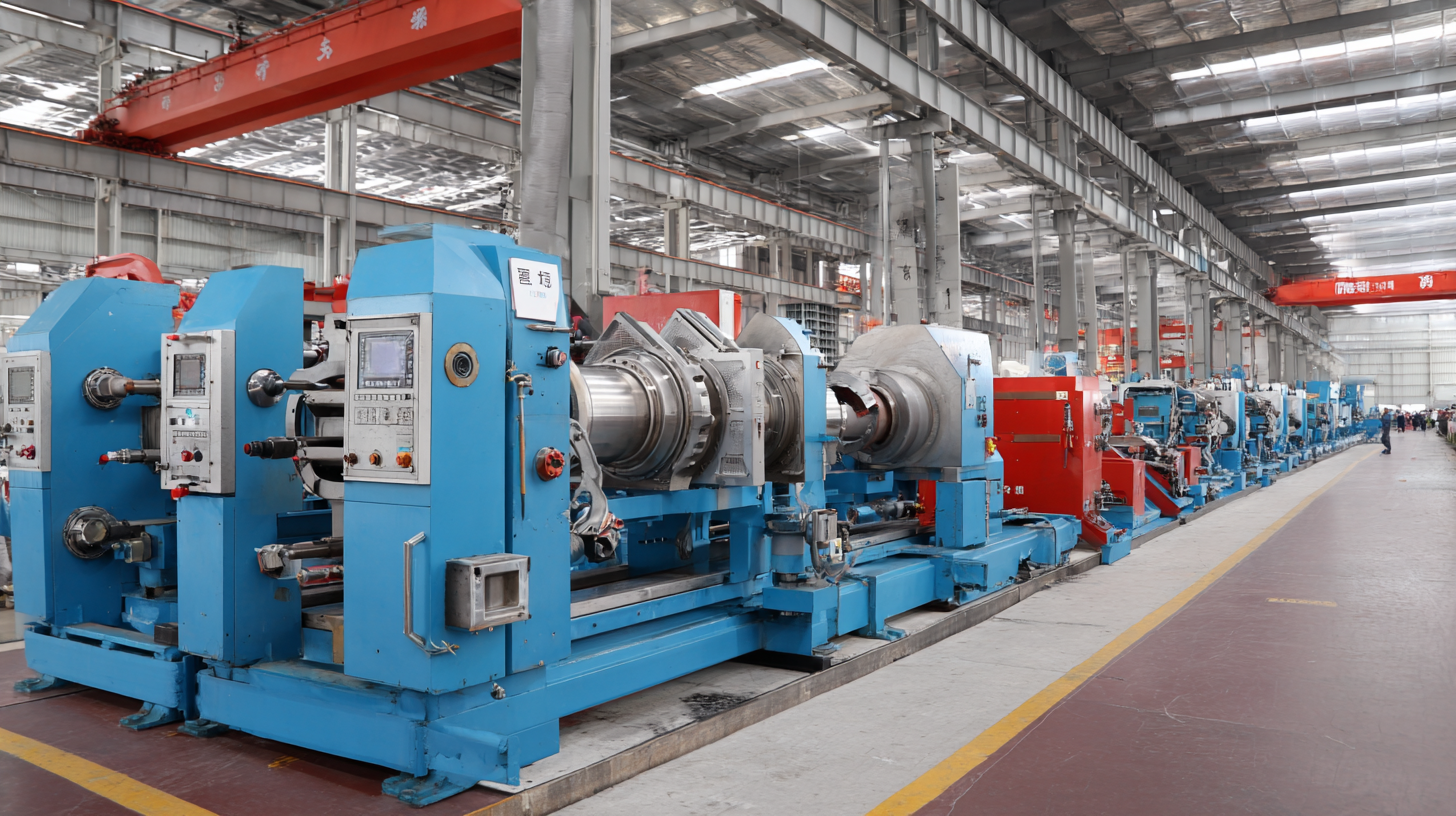
Engineering goods, machinery and parts, electrical equipment, metal products, plastics and vehicles and auto components form another major group, linked to construction and industrial activity. Consumer goods, furniture and handicrafts add further opportunities, particularly for suppliers who can meet Saudi specifications and packaging requirements.
Focus on a category where you can prove compliance and capacity. Saudi buyers, especially larger importers and retailers, will ask for product conformity documents before placing a substantial order, so early preparation on certification is as important as price.
2. Key regulations and certifications for Indian exporters
For many manufactured and consumer goods, Saudi Arabia operates the SABER platform, overseen by the Saudi Standards, Metrology and Quality Organization (SASO). Under SABER, regulated products generally need a Product Certificate of Conformity, valid for a period, and a Shipment Certificate of Conformity for each shipment, issued through a recognised conformity assessment body. Whether your product is regulated, and which technical regulation applies, depends on the exact category — for example, electrical products, building materials, textiles and toys each fall under different technical regulations.
Food products follow a different route, centred on the Saudi Food and Drug Authority (SFDA) and related food safety and labelling rules. Labels generally need Arabic information, including product identity, ingredients, net quantity, origin and expiry details where required. For meat and other animal-origin products, halal requirements are essential, with recognised halal certification normally required. Cosmetics and personal care products also have their own registration and labelling requirements.
Do not treat SABER, SFDA or halal certification as interchangeable. Confirm, for your exact product, which system applies, which documents your importer needs, and how long certification will take, before you commit to a delivery date. Build testing and certification costs into your quotation.
3. Payment norms and risk
For new Saudi relationships, a letter of credit (LC) is commonly used, especially for larger orders, because it gives both sides a documented, bank-mediated process. Documentary collections, where documents are released against payment or acceptance, are also used. Advance payment may be agreed for smaller or first orders, while open account terms tend to follow once trust and a trading history are established.
Agree the currency, payment date, Incoterms, inspection, claims window and dispute route in writing before production. The Saudi riyal is pegged to the US dollar, which limits currency volatility against the dollar, but Indian exporters invoicing in dollars or riyals should still plan for rupee movement between quotation and payment.
Use bank advice on LC wording and, where appropriate, export credit insurance such as ECGC cover, to manage buyer risk. Present LC documents exactly as required: small discrepancies in invoices, packing lists or certificates are a common cause of delay.
4. Logistics lane: ports, routes and indicative transit
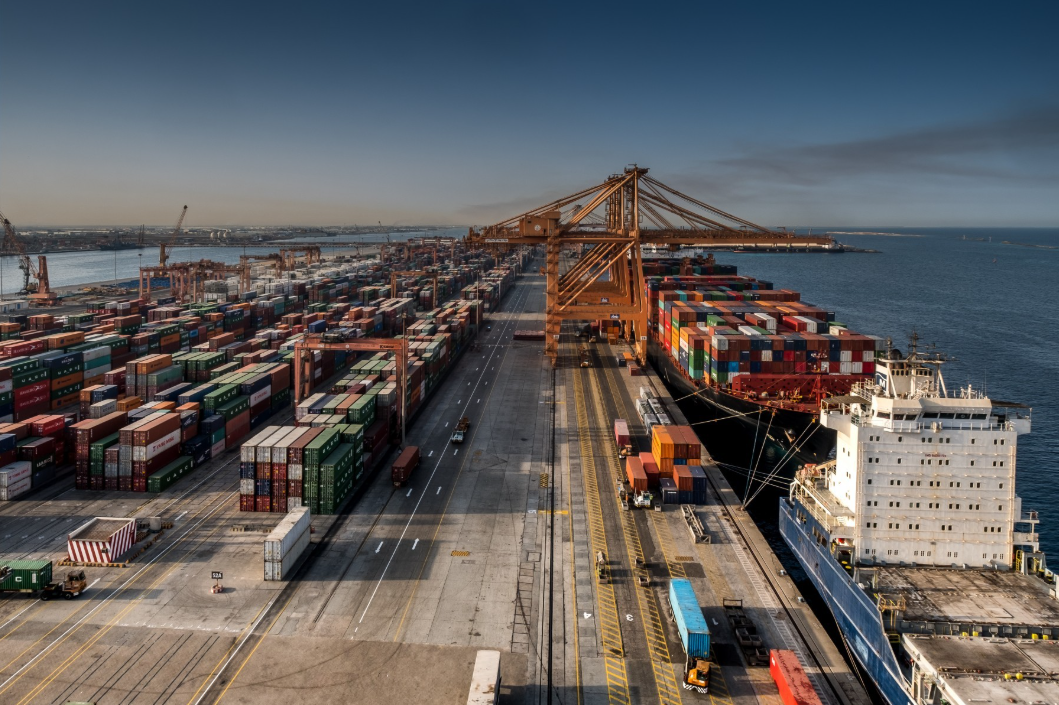
Sea freight from India to Saudi Arabia commonly moves from Nhava Sheva (JNPT), Mundra and other Indian ports to Jeddah Islamic Port on the Red Sea, serving western Saudi Arabia, and to King Abdulaziz Port at Dammam on the Gulf, serving eastern Saudi Arabia. Cargo for Riyadh is often routed through Dammam and then moved inland to the Riyadh dry port by rail or road.
Transit times are indicative only and vary by carrier, direct versus transshipment service, port congestion and season. Jeddah and Dammam routes differ in transit and inland cost, so compare total landed cost to the buyer's location, not ocean freight alone. Air freight via Riyadh, Jeddah and Dammam is suitable for high-value, urgent or perishable cargo, but it is more expensive per kilogram than sea freight.
For food and temperature-sensitive goods, confirm cold-chain, packaging and handling requirements in advance, and check that heat-resistant packaging is used where needed. Always obtain a live freight quote, confirm sailing schedules, free time and demurrage terms, and allow a buffer before promising a delivery date.
5. Business-culture tips for working with Saudi buyers
Relationships and respect matter in Saudi business. Meetings often begin with pleasantries before moving to commercial detail, and senior decision-makers may need time to approve an order. Be patient, professional and consistent in follow-up, without applying undue pressure.
Be mindful of prayer times, weekends, Ramadan and Eid, when working hours and response times change. English is widely used in business, but clear, well-translated product information, including Arabic labelling where required, helps avoid misunderstandings. Present specifications, certifications and prices clearly, and honour the agreed quality: the bulk shipment should match the approved sample.
If a delivery will be delayed, inform the buyer early with a revised date and a brief explanation. Reliability, honesty about capacity, and respect for local customs build the trust that leads to repeat orders in this market.
6. Buyer-finding playbook
Start with a complete supplier profile: clear photographs, honest specifications, certifications you actually hold, capacity and export experience. Saudi buyers include importers, distributors, retailers, contractors and food service companies, each with different needs, so tailor your approach to the buyer type.
Trade exhibitions in Riyadh and Jeddah, and sector events in the Gulf, are valuable for meeting buyers face to face with samples and price lists. B2B directories help buyers discover you between events. On TodayAdviser, use the directory to present your company and products clearly, and use buy-leads to find active requirements that match your category. Respond only to requirements you can fulfil, ask about SABER or SFDA needs, quantities and delivery location, and follow up with a tailored quotation.
Direct outreach should be targeted: study what a distributor already sells, then send a short introduction explaining how your product fits their range and which certifications you hold. Avoid unverified buyer lists and never claim buyers, orders or reviews you do not have. One well-qualified distributor relationship can be more valuable than many untargeted contacts.
Frequently asked questions
What is SABER and does it apply to my product?
SABER is Saudi Arabia's electronic conformity platform for regulated products. Whether it applies, and which technical regulation governs your product, depends on the category, so confirm with your importer and a recognised conformity body.
Is halal certification required for food exports to Saudi Arabia?
For meat and other animal-origin products, halal requirements normally apply and recognised halal certification is needed. Confirm the exact requirement for your product before shipping.
Should I use an LC for a new Saudi buyer?
An LC or advance payment is prudent for a new or large order. Open account terms suit established, credit-checked relationships.
Which port should I use — Jeddah or Dammam?
Choose based on your buyer's location: Jeddah generally serves the west, Dammam the east, with Riyadh often served inland via Dammam. Compare total landed cost for each route.
Do labels need to be in Arabic?
Generally yes for products sold in Saudi Arabia, with details such as ingredients, quantity, origin and expiry information where required. Confirm the exact format with your importer.
Should I verify rates and transit before quoting?
Yes. Always verify live freight, certification timelines, duty and delivery details before confirming a price or delivery date.