Master the global agricultural inputs market with this practical guide on how to find buyers for agricultural machinery exports, bulk fertilisers, and certified seeds. Learn effective sourcing, compliance, and outreach strategies.
Exporting agricultural inputs—ranging from heavy farm machinery and bulk fertilisers to high-yield seeds—presents immense opportunities in the global B2B trade sector. If you are looking to find buyers for agricultural machinery exports, fertilisers, and seeds, you must navigate a complex landscape of regulatory compliance, seasonal demand shifts, and trust-building mechanisms. This comprehensive guide details actionable strategies to connect with qualified international buyers, leverage trade data, and secure profitable export contracts.
The global agricultural inputs market is driven by an ongoing push for food security, climate resilience, and farm mechanisation across developing and developed economies alike. Exporters who succeed are those who understand the distinct purchasing behaviours of agrarian cooperatives, private dealerships, and state procurement agencies. By combining targeted digital outreach, precise HS code analysis, and rigorous compliance, you can position your export business for sustainable growth.
The Agri-Inputs Buyer Landscape
Before launching any outreach campaign, you must map the diverse buyer personas operating within the agricultural inputs sector. Unlike consumer goods, B2B agricultural buyers have highly specialised requirements, long sales cycles, and strict regulatory oversight. Understanding who buys what is the foundation of an effective export strategy.
Agricultural Dealers and Distributors
Private-sector distributors and regional dealers form the backbone of the retail supply chain for farm inputs. These buyers look for reliable inventory, competitive wholesale pricing, and products that suit local climatic and soil conditions. When targeting dealers, your value proposition must include clear margins, marketing support, and consistent supply chain reliability.
Agricultural Cooperatives
Co-operatives aggregate the purchasing power of hundreds or thousands of individual farmers. They buy in bulk to secure lower per-unit costs for fertilisers, seeds, and machinery. Cooperatives value long-term partnerships and transparent pricing. Engaging them often requires attending regional agricultural trade fairs and participating in structured tender processes.
Government Tenders and State Agencies
Ministry of Agriculture departments and state-owned enterprises frequently issue public tenders for large-scale input distribution, particularly during national food security initiatives or post-disaster recovery efforts. Securing these contracts demands rigorous paperwork, bank guarantees, and strict adherence to public procurement guidelines.
Large-Scale Commercial Farms and Estates
Mega-farms, corporate agricultural conglomerates, and plantation managers often bypass traditional distribution channels to import inputs directly. These buyers seek cutting-edge technology, precision farming machinery, and certified high-germination seeds to maximise their return on investment across thousands of hectares.
Agricultural Machinery Buyers: Importers and After-Sales Expectations
When you aim to find buyers for agricultural machinery exports, you are selling capital assets that require ongoing maintenance. Tractor and implement importers are not just looking for a one-off sale; they are evaluating your commitment to the equipment lifecycle.
Tractor and Implement Importers
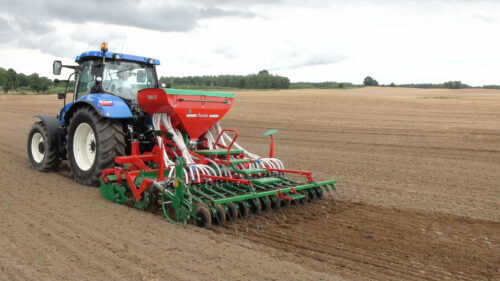
Machinery importers typically operate through established dealership networks in destination markets. They require a diverse portfolio ranging from two-wheel walk-behind tractors for smallholders to high-horsepower four-wheel-drive tractors, precision planters, combine harvesters, and tillage implements.
After-Sales Service and Spare Parts Availability
Selling machinery without a robust after-sales strategy is a fast route to commercial failure. Importers will scrutinise your spare parts availability, warranty terms, and technical training programmes.
- Spare Parts Stocking: Maintain a minimum inventory of high-wear parts (filters, belts, blades, hydraulic seals) dedicated to export models.
- Technical Documentation: Provide comprehensive operator manuals, maintenance schedules, and parts catalogues translated into the primary language of the destination market.
- Remote Support: Establish digital channels for troubleshooting technical faults with local dealer mechanics.
Fertiliser Buyers: Registration, Quality Specs, and Bulk Contracts
Fertiliser exports involve strict chemical classifications, stringent import licensing, and massive logistical coordination. Whether trading urea, DAP, NPK blends, or specialty organic fertilisers, buyers demand absolute transparency.
Product Registration and Licensing
Every country maintains a national fertiliser control act or regulatory board. Before a buyer can legally import your product, the formulation must be registered. This process often requires local agronomic field trials, heavy metal content analysis, and certified laboratory reports from accredited bodies such as ISO/IEC 17025 laboratories.
Quality Specifications and Assays
Bulk fertiliser buyers purchase based on guaranteed nutrient analysis (e.g., 46-0-0 for urea). Independent pre-shipment inspection (PSI) certificates issued by agencies like SGS or Bureau Veritas are standard prerequisites for releasing letters of credit. Any variance between stated specs and actual assay results can lead to severe financial penalties or shipment rejections.
Structuring Bulk Contracts
Fertiliser trade relies heavily on bulk maritime shipping (Handysize to Panamax vessels) or containerised shipments for specialty grades. Contracts must clearly define:
- Incoterms 2020 (commonly FOB, CFR, or CIF).
- Tolerance levels for weight and grade (e.g., +/- 2% moisture or nutrient content).
- Payment terms, heavily favoring Irrevocable Confirmed Letters of Credit (LC) or cash against documents (CAD).
Seed Buyers: Phytosanitary Rules, Variety Registration, and Trial Orders
Seed exports represent one of the most heavily regulated segments of agricultural trade due to the risk of spreading plant pests, weeds, and diseases across international borders.
Phytosanitary Certification and Import Permits
Every seed consignment must be accompanied by a Phytosanitary Certificate issued by the exporting country's national plant protection organization (NPPO). Importers must secure an import permit in advance, detailing the exact botanical name, origin, and intended end-use of the seeds.
Variety Registration and Plant Breeders' Rights
Commercial seeds generally cannot be sold in a destination market unless the specific variety is registered on the national variety list. This often requires local DUS (Distinctness, Uniformity, and Stability) trials spanning one or two growing seasons.
Managing Trial Orders
To win long-term seed buyers, offer small-scale commercial trial lots. This allows local agronomists to test germination rates, disease resistance, and yield performance under local farming conditions before committing to container-load volumes.
Trade Data and HS Codes to Shortlist Importers
Finding verified buyers requires moving beyond guesswork and using hard trade data. Harmonized System (HS) codes allow you to track global import volumes, identify active destination ports, and pinpoint active companies.
Essential HS Codes for Agricultural Inputs
- Agricultural Machinery: Chapter 84 (e.g., 8432 for soil preparation machinery, 8433 for harvesting and threshing machinery, 8437 for seed cleaning machinery).
- Fertilisers: Chapter 31 (e.g., 3102 for mineral or chemical nitrogenous fertilisers, 3105 for mineral or chemical fertilisers containing two or three plant nutrients).
- Seeds: Chapter 12 (e.g., 1209 for seeds of a kind used for sowing).
Leveraging Customs and Trade Intelligence Platforms
Utilise international trade databases (such as UN Comtrade, Trademap, or commercial customs data providers) to run import-export queries. Look for companies showing consistent import frequency, stable shipment sizes, and diversified sourcing portfolios. Cross-reference these company names with local business registries to verify their operational status.
Outreach and Trust-Building Strategies
B2B agricultural buyers are risk-averse. Trust is built through verifiable credentials, transparent communication, and professional digital footprints.
| Outreach Channel | Effectiveness | Key Considerations | Best For |
|---|---|---|---|
| B2B Marketplaces | High | Requires verified supplier status and prompt response times | Finding active international buyers and RFQs |
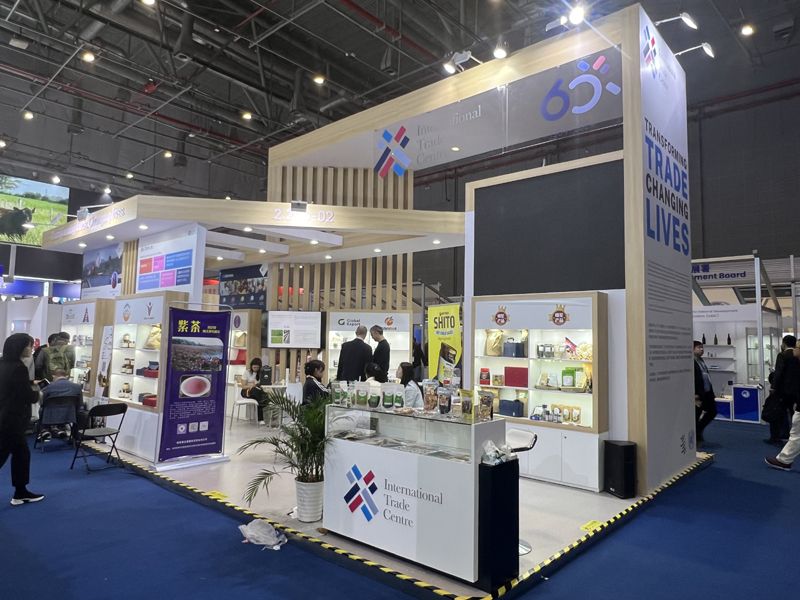
| Trade Exhibitions | High | High upfront cost; excellent for face-to-face relationship building | Machinery and high-value input exporters |
| Direct Outreach | Medium | Requires personalised technical pitches and multi-touch follow-ups | Large cooperatives and regional distributors |
| Digital Content Marketing | Medium | Long-term strategy; builds authority through technical guides | Seed and specialty fertiliser manufacturers |
The Role of B2B Marketplaces and RFQs
Platforms like Today Adviser connect verified exporters directly with active international buyers posting Requests for Quotations (RFQs). By participating in verified digital marketplaces, exporters bypass lengthy cold-outreach cycles and connect immediately with buyers who have budget, intent, and urgent procurement needs.
Frequently Asked Questions
How do I find verified buyers for agricultural machinery exports?
Use international customs databases filtered by HS codes 8432 and 8433 to identify active machinery importers. Complement this by registering on verified B2B trade platforms like Today Adviser, where international dealers and agricultural enterprises post active purchasing requirements.
What are the main payment terms accepted in bulk fertiliser trade?
Bulk fertiliser transactions predominantly rely on Irrevocable, Confirmed Letters of Credit (LC) issued by top-tier international banks. Cash Against Documents (CAD) may be used for smaller containerised shipments with established, long-term buyers.
Do I need local variety registration to export seeds?
Yes, in most jurisdictions, commercial crop seeds must be registered on the national variety list before they can be legally imported and sold. However, small quantities for research, breeding, or initial field trials often qualify for simplified temporary import permits.
How can I verify the financial stability of an international agri-input buyer?
Request commercial bank references, audited financial statements for larger accounts, and conduct corporate background checks through local chambers of commerce or international credit rating agencies before signing exclusive distribution agreements.
What documents are mandatory for clearing agricultural machinery through customs?
Standard documentation includes the Commercial Invoice, Packing List, Bill of Lading, Certificate of Origin, and specialized inspection certificates (such as roadworthiness or pre-shipment technical inspection reports) depending on destination regulations.
Why are pre-shipment inspections crucial for fertiliser exports?
Pre-shipment inspections by certified independent surveyors guarantee that the moisture content, weight, and chemical assay match contract specifications. This protects both exporter and buyer from costly port-of-arrival disputes and cargo rejections.
How do I handle after-sales service demands from machinery importers?
Partner with local dealers to ensure technical staff are trained, maintain a secure pipeline of critical spare parts for export models, and provide clear digital documentation covering troubleshooting and preventative maintenance.
Conclusion
Successfully exporting agricultural inputs requires a disciplined approach balancing regulatory compliance, meticulous logistics, and targeted buyer research. Whether you are scaling your machinery export operations or expanding your fertiliser and seed distribution network, relying on verified data and trusted trading channels is essential. To accelerate your global reach, post your product listings or respond to active buyer inquiries today on Today Adviser, the premier B2B marketplace connecting verified agricultural exporters and global trade partners.
Find buyers on TodayAdviser
If you want a faster route to buyers who are already looking, browse the TodayAdviser buyer directory to search importers by product and country, and post a requirement (RFQ) on TodayAdviser so verified buyers can respond directly to your offer. A directory search plus a live requirement reaches buyers who are actively sourcing, which is a better use of time than cold outreach alone.