From Moradabad brass to Kashmir Pashmina — how Indian handicraft exporters reach premium global buyers in 2026.
Indian handicrafts reach buyers in more than 100 countries, from hand-knotted carpets to brassware and block-printed textiles. What makes them sell is not low price but story: handmade, heritage-listed, and increasingly certified as authentic through India's Geographical Indication (GI) system.
This guide explains the scale of handicraft exports, the GI-tagged crafts buyers pay a premium for, the support available from the Export Promotion Council for Handicrafts (EPCH), the clusters where the work is made, the compliance rules to respect, and how small exporters can reach premium buyers in 2026.
1. The scale of handicraft exports
Handicrafts are one of India's most employment-intensive export sectors, supporting millions of artisans, many of them women working in household and small workshop units. Annual exports are generally reported in the region of US$3–4 billion, though the figure varies with how products are classified — treat it as indicative rather than exact.
The sector's strength is its diversity: no single product dominates, so a downturn in one craft rarely sinks a whole portfolio. Home décor, gifts, fashion accessories, furniture and floor coverings all sell, and buyers increasingly want the story behind the product — who made it, where, and how.
2. GI-tagged crafts buyers pay a premium for
A GI tag certifies that a product comes from a specific place and owes its qualities to that origin. For exporters, it is a ready-made authenticity story — and a defence against cheap copies.
| Craft | GI identity | Why buyers pay more |
|---|---|---|
| Kashmir Pashmina | Fine hand-spun, hand-woven wool from Kashmir | Rarity, softness and heritage |
| Moradabad brass | Brassware from Moradabad, the "Brass City" | Craftsmanship and finish |
| Jaipur blue pottery | Distinctive blue-glazed pottery from Jaipur | Colour, design and collectability |
| Saharanpur woodcraft | Carved wooden furniture and artefacts | Hand carving and sheesham wood |
| Kutch textiles | Embroidery, Ajrakh and weaving from Kutch | Bold patterns and artisan provenance |
Use the GI tag honestly: only genuine origin products may carry the GI logo, and buyers who know the craft will check. A GI certificate in your catalogue builds trust faster than any discount.
3. EPCH and trade fairs
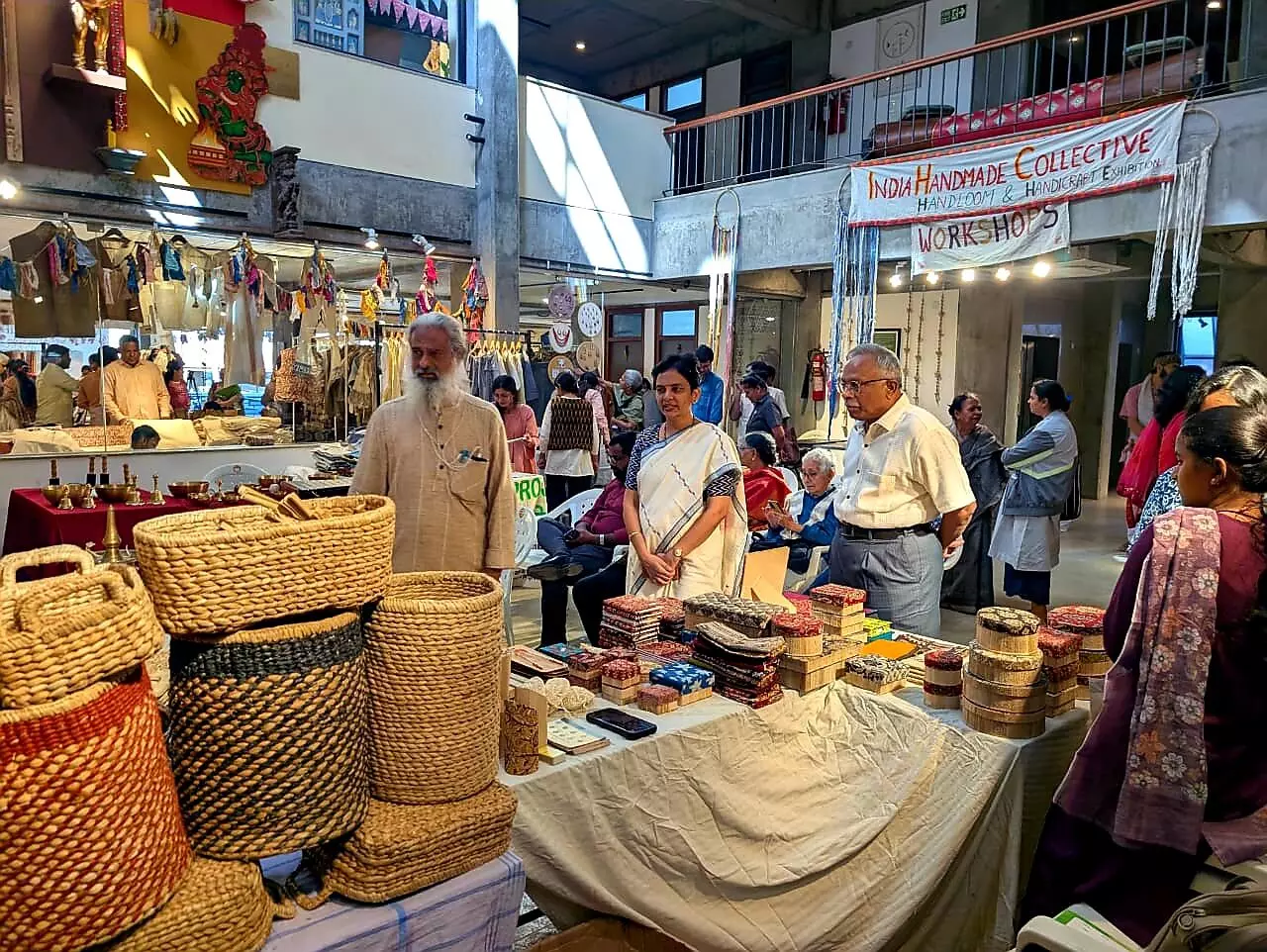
The Export Promotion Council for Handicrafts (EPCH) is the sector's main support body. It organises buyer–seller meets, trade delegations, design development and market intelligence, and it runs the IHGF Delhi Fair in Greater Noida — one of the world's largest handicraft fairs, where thousands of overseas buyers come to source.
Practical tips for fairs:
- Apply early for EPCH-supported participation; subsidised booths are limited.
- Prepare a real catalogue with photographs, sizes, materials, minimum order quantities (MOQs) and lead times — buyers decide on the spot.
- Follow up within a week of the fair with prices and samples; most orders are won in the follow-up, not at the booth.
- Collect buyer feedback on colours, sizes and price points, and feed it back to your artisans before the next season.
4. Clusters and artisan hubs
Handicraft production is concentrated in clusters, each with deep skills and supply chains:
- Moradabad — brassware, metalware and home décor.
- Jaipur — blue pottery, block printing, textiles and jewellery.
- Saharanpur — carved wood furniture and artefacts.
- Kutch — embroidery, Ajrakh printing and handloom textiles.
- Kashmir — Pashmina, papier-mâché, carpets and walnut wood.
- Varanasi — silk brocade and handloom saris.
- Jodhpur — wooden furniture and textiles.
- Channapatna — lacquered wooden toys.
Working with artisan clusters means planning for handmade variation: build quality checks into production, agree tolerances with buyers, and pay artisans fairly and on time — reliable artisans are your real competitive advantage.
5. Compliance: what to check before you ship
- CITES: the Convention on International Trade in Endangered Species restricts trade in some materials — ivory is banned outright, and certain woods are controlled. Check the species in your products before quoting.
- REACH: EU rules on chemicals apply to dyes, finishes, glues and coatings used in handicrafts. Ask suppliers for declarations on the substances they use.
- Labelling: declare fibre content, care instructions and country of origin accurately; the EU and US both enforce labelling rules.
- Children's products: items for children sold in the US must meet CPSIA limits on lead and phthalates, with third-party testing for many products.
- Wood packaging: wooden crates and pallets must meet ISPM 15 fumigation or heat-treatment rules for most destination countries.
Keep supplier declarations and test reports on file — a buyer audit can ask for them at any time.
6. Buyer markets
- United States: the largest market, led by home décor, gifts and fashion accessories. Buyers value original design, consistent quality and reliable delivery.
- United Kingdom: heritage retail, museum shops and boutiques buy GI crafts and story-led products; British buyers often order smaller quantities more frequently.
- Germany: a quality- and sustainability-conscious market where certification, eco-friendly materials and fair-trade credentials command better prices.
- Japan: buyers prize craftsmanship and detail, and pay premiums for authentic, well-finished pieces — but expect flawless quality control.
- Australia: lifestyle retailers and gift shops buy home décor, textiles and furniture, often through agents who handle logistics.
7. Selling as a small exporter: e-commerce, exhibitions and pricing
- E-commerce: marketplaces such as Etsy and Amazon Handmade let small exporters test products with low upfront cost. Good photography, clear dimensions and honest lead times matter more than low prices.
- Exhibitions: a shared or EPCH-supported booth at the IHGF Delhi Fair or an overseas gift fair puts you in front of serious buyers. Budget for samples, catalogues and follow-up.
- MOQs: start with realistic minimums — often 25–50 pieces per design for small exporters — and raise them as volume grows. A buyer who can test a small order is more likely to reorder.
- Pricing: price on full cost — artisan wages, materials, packing, freight, commission and your margin. Never underprice handmade work to win an order; it destroys your artisans' livelihood and your own margin.
- Payment and packing: take an advance or a letter of credit from new buyers, and pack fragile crafts for export — double-box ceramics and glass, and label cartons clearly.
Frequently asked questions
What is a GI tag and why does it matter for handicraft exports?
A GI (Geographical Indication) tag certifies that a product comes from a particular place and owes its qualities to that origin. It helps buyers trust authenticity and supports premium pricing.
How do I start exporting handicrafts from India?
Get an IEC, register with EPCH, build a catalogue with real photographs and prices, and start with a trade fair or an e-commerce marketplace. A first small order, delivered well, is the best foundation.
Which Indian handicrafts sell best abroad?
Home décor, brassware, textiles, carpets and wooden furniture lead sales, with GI-tagged crafts such as Kashmir Pashmina and Moradabad brass commanding premium prices.
Do I need EPCH membership to export handicrafts?
Membership is not legally required, but EPCH membership opens access to fairs, buyer meets, market information and export incentives — most serious handicraft exporters join.
What is a realistic MOQ for a first handicraft order?
For handmade products, 25–50 pieces per design is a common starting point. Agree the MOQ, price and lead time in writing before production begins.
Conclusion
Handicraft exports reward exporters who respect the craft: genuine GI products, fair artisan wages, honest quality and careful compliance. Get those right, and a small first order from a boutique buyer can grow into a lasting export business.