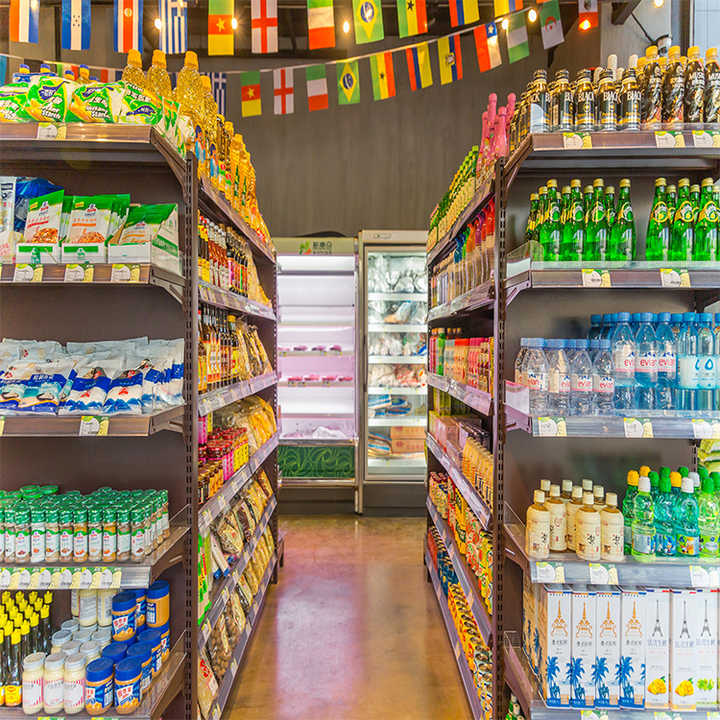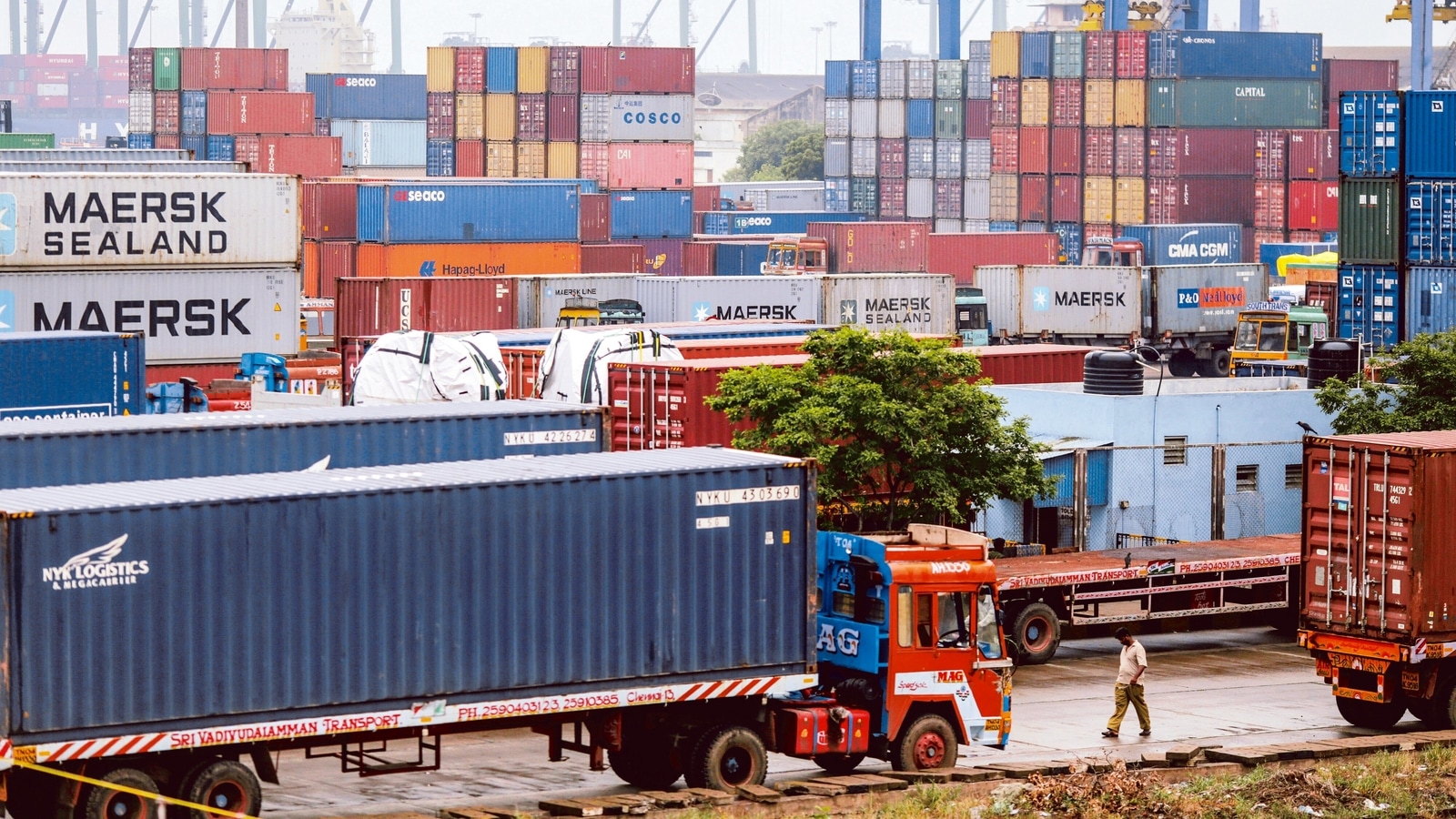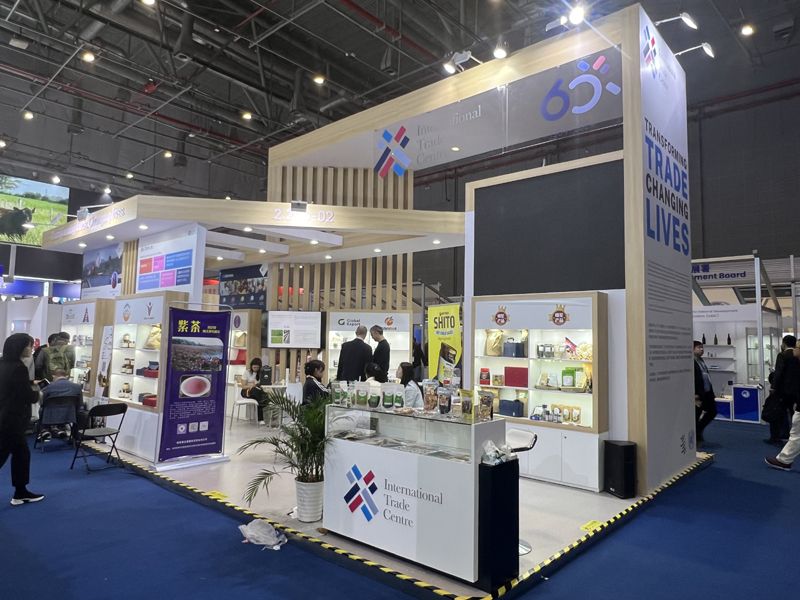
Master the art of finding global buyers for consumer product exports. Explore practical strategies for cosmetics, furniture, toys, and sports goods.
Finding international buyers for consumer product exports requires targeted strategies, strict compliance adherence, and a deep understanding of distinct channel mechanics. Whether you are exporting cosmetics, flat-pack furniture, artisan home decor, educational toys, or performance sports goods, breaking into global markets demands precision.
Global trade in consumer goods is fiercely competitive, yet rich with opportunity for exporters who understand the nuances of compliance, Minimum Order Quantities (MOQs), and B2B matchmaking. To secure reliable buyers, exporters must move beyond generic outreach and tailor their pitches to the specific operational realities of retailers, distributors, and e-commerce sellers.
This practical guide explores how to identify, vet, and pitch buyers across five major consumer product sectors, equipping your export business with the actionable steps needed to scale internationally.
Consumer-Product Buyer Types: Who Are You Selling To?
Before launching an international outreach campaign, you must segment your prospective B2B buyers. Different buyer types operate on entirely different margin structures, volume expectations, and fulfillment timelines.
Retailers and Department Stores
Major high-street retailers and department store chains buy in substantial volume but demand stringent supply chain transparency, EDI (Electronic Data Interchange) integration, and strict delivery windows. Chargebacks for late deliveries or improper palletisation can severely eat into your margins.
Importers and Master Distributors
Importers and master distributors act as your regional gatekeepers. They purchase container loads, warehouse goods locally, and manage regional logistics and marketing. While they negotiate lower unit prices, partnering with a reliable distributor eliminates the friction of fragmented multi-retailer management.
E-Commerce Aggregators and Pure-Play Sellers
Cross-border e-commerce sellers and digital aggregators require agility. They often request lower initial MOQs, faster replenishment cycles, and drop-shipping capabilities. However, they compensate for smaller initial orders with high growth velocity and direct-to-consumer market insights.
| Buyer Type | Typical Volume | MOQ Expectations | Primary Priority |
|---|---|---|---|
| Department Stores | High / Container-load | High (Strict) | Compliance, margins, on-time delivery |
| Master Distributors | Very High | Full containers (FCL) | Regional exclusivity, competitive pricing |
| E-Commerce Sellers | Medium to Low | Low to Medium (LCL) | Speed to market, agile replenishment |
Cosmetics Importers: Regulations and Sourcing
The global beauty sector is booming, but cosmetics exporters face some of the strictest regulatory hurdles in international trade. Buyers cannot—and will not—import beauty formulations without complete regulatory dossiers.
Regulatory Frameworks: EU CPNP and US FDA
If you are targeting European buyers, your products must be notified through the EU Cosmetic Products Notification Portal (CPNP) and require a designated Responsible Person based in the EU. You must also maintain a comprehensive Product Information File (PIF) detailing safety assessments, manufacturing standards (GMP ISO 22716), and exact ingredient lists using INCI nomenclature.
For the United States, formulations must comply with FDA regulations under the Modernization of Cosmetics Regulation Act (MoCRA), which mandates facility registration and adverse event reporting.
Labelling and Finding Buyers
Cosmetic labelling must be crystal clear, detailing nominal weight, batch numbers, shelf-life after opening (PAO symbol), and full allergen declarations. To accelerate your search, leverage a verified cosmetics importers directory on platforms like Today Adviser to connect directly with licensed distributors who already possess import clearance licenses.
Furniture and Home Decor Buyers: Design-Led Sourcing
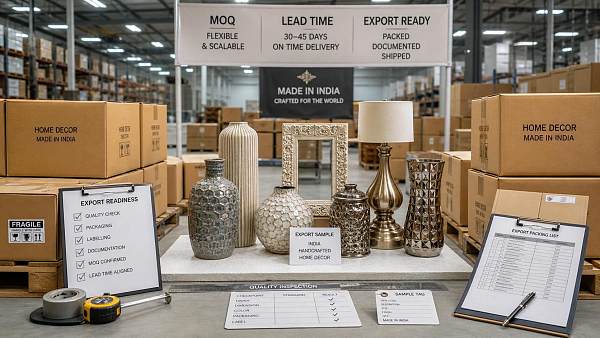
Furniture and home decor buyers are primarily driven by aesthetic trends, material provenance, and logistical efficiency. Whether you manufacture solid wood dining sets, rattan baskets, or ceramic vases, your B2B appeal hinges on your sample execution.
Design-Led Sourcing and Cataloguing
Buyers in this sector attend international trade fairs (such as Maison&Objet or Ambiente) looking for cohesive collections rather than isolated SKUs. Your export catalogue must showcase lifestyle imagery, material specifications (e.g., FSC-certified timber, sustainable rattan), and dimensional drawings.
MOQ and Sampling Protocols
Logistics costs in furniture can be prohibitive due to volumetric weight. Buyers routinely request flat-pack engineering or nested shipping solutions to maximise container utilisation. When pitching, establish clear sampling policies—charging cost-price for samples plus express courier fees, with sample costs redeemable against the first bulk production run.
Toys and Games Buyers: Safety Standards and Age-Labelling
Exporting toys and games is a high-stakes endeavour governed by stringent child safety laws. A single non-compliant batch can result in catastrophic product recalls and reputational damage.
Safety Standards: EN 71 and ASTM F963
If exporting to the European Union, your toys must comply with the EN 71 standards (mechanical, chemical, and electrical safety) and bear the CE mark. For the North American market, compliance with ASTM F963 and third-party testing by a CPSC-accepted laboratory is mandatory.
Age-Labelling and Packaging
Age-grading must be scientifically justified based on developmental milestones and choking hazard assessments. Packaging must be durable, non-toxic, and free of harmful phthalates or heavy metals in printing inks. Buyers will invariably demand independent lab test reports (such as from SGS, Intertek, or TÜV) before issuing a Purchase Order (PO).
Sports Goods Buyers: Clubs, Brands, and Institutional Buyers
The sports equipment and apparel market ranges from grassroots community clubs to global lifestyle brands and government procurement agencies.
Institutional and B2B Channels
Institutional buyers—such as school districts, municipal recreation departments, and professional sports franchises—purchase in bulk through formal tender processes or contracted distributor networks. They prioritize durability, warranty terms, and conformity with international sports federation standards (e.g., FIFA, FIBA, ITTF).
Quality and Performance Verification
Sports goods manufacturers must provide rigorous stress-test certifications, seam-strength analysis, and material resilience data. When targeting sports brands for OEM (Original Equipment Manufacturer) or ODM (Original Design Manufacturer) contracts, showcase your factory's production capacity and tooling precision.
How to Pitch International Buyers Successfully
Your B2B pitch must be concise, professional, and data-driven. Busy procurement directors receive dozens of unsolicited pitches daily; yours must stand out through clarity and compliance readiness.
The Anatomy of an Effective Exporter Pitch
- The Hook: State your core manufacturing specialty, production capacity, and primary export markets in one sentence.
- The Lookbook / Digital Catalogue: Provide a high-resolution, compressed PDF or secure web link showcasing your hero products, MOQs, and FOB/EXW pricing tiers.
- Compliance Dossier: Attach immediate proof of certifications (ISO, CE, FDA, FSC, EN 71) to preemptively answer risk management concerns.
- Clear Next Steps: Invite the buyer to request a sample box or post a specific requirement directly on a trusted B2B trade network.
Frequently Asked Questions
What is the best way to find verified international cosmetics importers?
Utilise specialised B2B trade platforms and global directories like Today Adviser. Look for verified supplier badges, confirmed export history, and profiles that clearly display regulatory compliance capabilities such as CPNP or FDA registration.
How should I price my consumer goods for export?
Always quote using established Incoterms such as FOB (Free on Board) or EXW (Ex Works). Ensure your pricing accounts for export packaging, port handling charges, and potential third-party pre-shipment inspection fees.
What are typical Minimum Order Quantities (MOQs) for furniture exports?
MOQs vary widely depending on volume and manufacturing complexity. For flat-pack furniture, buyers often look for 20-foot or 40-foot container loads (FCL), while artisan home decor may permit lower minimums per SKU provided the total order meets a combined container threshold.
How do I prove toy safety compliance to foreign buyers?
You must provide valid third-party test reports from accredited laboratories (e.g., SGS, Bureau Veritas) confirming compliance with EN 71 (EU) or ASTM F963 (US) standards prior to dispatching bulk shipments.
Are sample costs refundable for consumer product exports?
Yes, it is standard industry practice for exporters to charge for samples and international courier fees, while offering a full or partial credit refund once the buyer places a confirmed bulk production order.
What documents are essential for customs clearance?
Standard export documentation includes the Commercial Invoice, Packing List, Bill of Lading (or Air Waybill), Certificate of Origin, and sector-specific compliance certificates such as health certificates for cosmetics or safety test reports for toys.
How can I protect my intellectual property when pitching new designs?
Before sharing detailed technical drawings or proprietary CAD files with overseas buyers or contract manufacturers, ensure you have executed a robust Non-Disclosure Agreement (NDA) and registered key designs in your target export jurisdictions.
Conclusion and Next Steps
Successfully exporting consumer products—whether cosmetics, furniture, home decor, toys, or sports goods—relies on an unwavering commitment to quality, transparent communication, and rigorous regulatory compliance. By segmenting your buyers, preparing professional digital assets, and keeping compliance documentation ready, you position your export business for sustainable global growth.
Ready to accelerate your export pipeline? Connect with verified international partners, showcase your product catalogues, or source active buyer inquiries by posting your requirements on Today Adviser today.
Find buyers on TodayAdviser
If you want a faster route to buyers who are already looking, browse the TodayAdviser buyer directory to search importers by product and country, and post a requirement (RFQ) on TodayAdviser so verified buyers can respond directly to your offer. A directory search plus a live requirement reaches buyers who are actively sourcing, which is a better use of time than cold outreach alone.