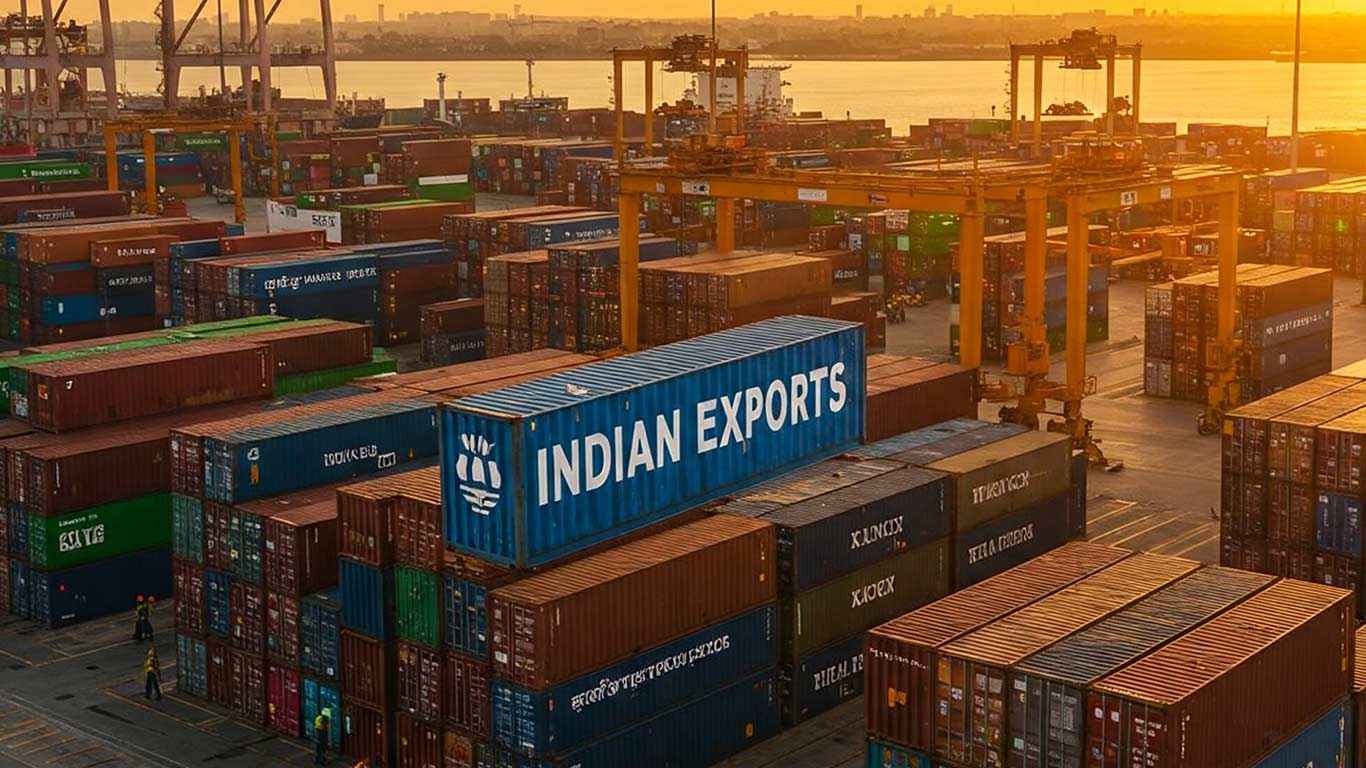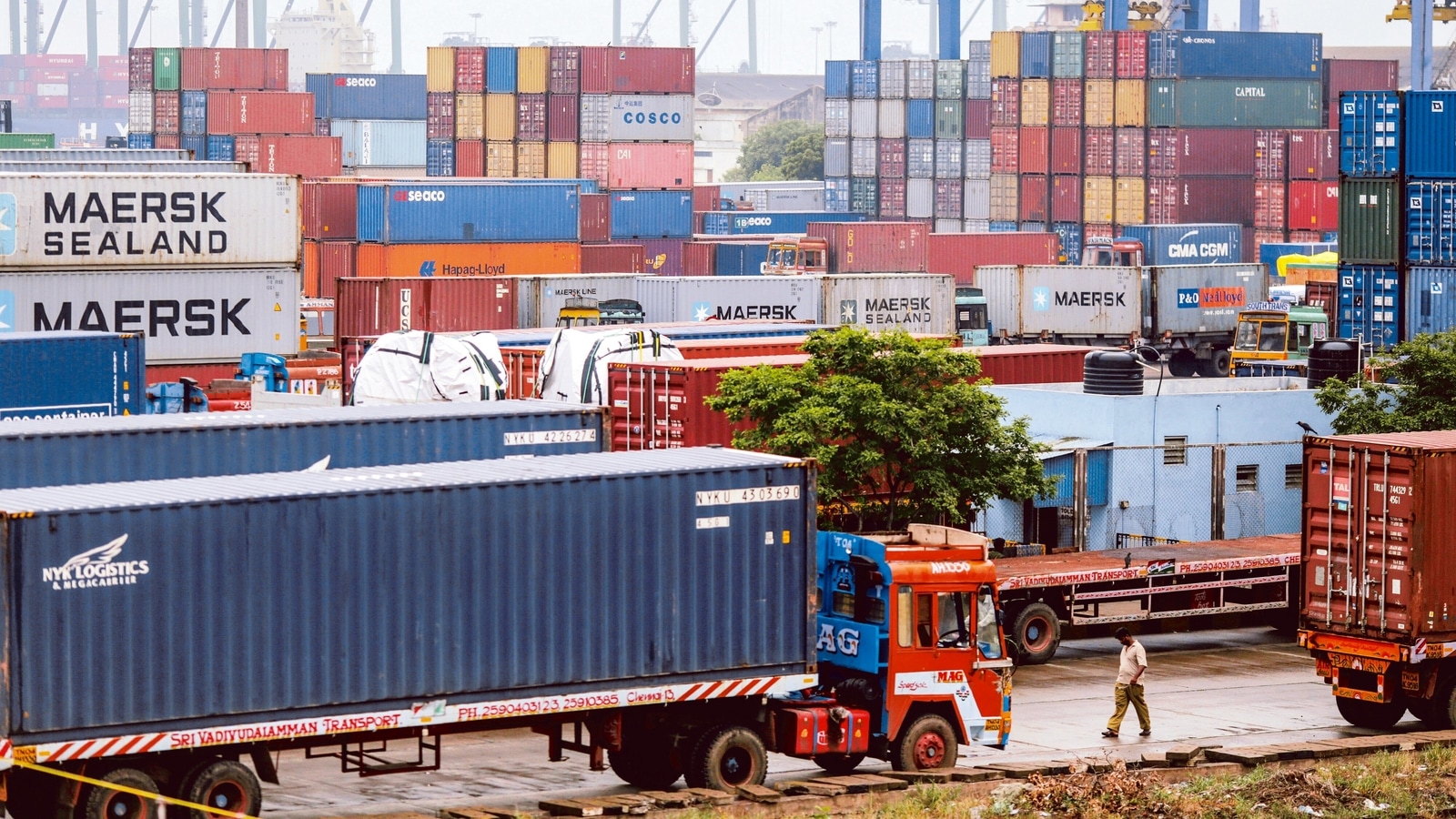
Discover proven strategies on how to find buyers for export in South Africa, Kenya, Nigeria, Ghana, and Egypt. This comprehensive guide covers buyer landscapes, payment safety, and compliance for global exporters.
Africa is no longer a market Indian exporters can afford to treat as an afterthought. With more than 1.4 billion people, rapid urbanisation and the African Continental Free Trade Area (AfCFTA) steadily lowering barriers between 54 countries, the continent offers demand that is both large and still growing. For exporters of food, textiles, pharmaceuticals, engineering goods, chemicals, machinery and consumer products, learning how to find buyers for export in Africa is now a core commercial skill, not a side project. The exporters who succeed are rarely those with the lowest price. They are the ones who understand each country's buyers, speak to the right decision-makers, verify their counterparts and build reliable supply routines.
This guide explains how to find buyers for export in South Africa, Kenya, Nigeria, Ghana and Egypt, what those buyers actually import, where to meet them, and how to protect your payment and your shipment.
Why Africa Is a High-Growth Export Market for Indian Exporters
Africa's import demand is broad and practical. Growing cities need food, medicines, building materials, vehicles, machinery, electrical goods, textiles and packaging. Middle classes are expanding, retail chains are formalising, and governments are investing in infrastructure, health and energy. India already supplies many of these needs, and Indian products are often seen as good value: reliable quality at a price that works for African distributors and retailers.
AfCFTA matters because it is changing how goods move inside Africa. A buyer in Kenya may now distribute into Uganda, Tanzania or Rwanda more easily; a South African importer may serve neighbouring markets; an Egyptian trader may reach North and East Africa. That means one good buyer can open several markets, provided your product meets regional standards and your paperwork is clean.
Africa is also the world's youngest continent, with a median age under 20 in many countries. Young, urban consumers buy packaged food, phones and accessories, clothing, cosmetics and home goods, while businesses buy machinery, spare parts, chemicals and raw materials. The demand is a steady, structural rise in consumption and investment.
South Africa: The Most Formal Buyer Market
South Africa is the most structured of the five markets. Its buyers include large retail chains, wholesalers, distributors, mining and manufacturing companies, and specialist importers. Top imports include machinery, vehicles and parts, electrical equipment, chemicals, pharmaceuticals, food products and textiles. Indian exporters do well in pharmaceuticals, auto components, textiles, spices, rice, engineering goods and chemicals.
To find buyers in South Africa, start with the country's formal channels. Trade directories, the South African chambers of commerce, industry associations and B2B platforms list established importers. Trade fairs in Johannesburg and Cape Town, including food, manufacturing and mining shows, are good places to meet buyers face to face. South African buyers expect professional catalogues, clear specifications, compliance certificates and realistic delivery times. They will often ask for samples, references and a trial order before committing to volume.
Compliance matters here. South Africa applies standards through the South African Bureau of Standards (SABS) and sector regulators. Food, medicines and electrical goods face specific labelling and safety rules. Check the requirements for your product before you quote, and build the cost of testing and certification into your price.
Kenya: East Africa's Trading Hub
Kenya is the gateway to East Africa. Nairobi and Mombasa host importers who distribute across Kenya, Uganda, Tanzania, Rwanda and beyond. Buyers include supermarkets, wholesalers, agro-processors, construction companies and pharmaceutical distributors. Kenya imports machinery, vehicles, medicines, chemicals, textiles, rice, sugar, edible oil and building materials.
How to find buyers for export in Kenya? Work through the Kenya National Chamber of Commerce and Industry, sector associations, trade fairs in Nairobi and the port community in Mombasa. Kenyan buyers are relationship-driven and often prefer a local agent or distributor who understands the market. Offer clear payment terms, reliable shipping through Mombasa, and support with documentation. Many Kenyan importers buy in smaller, regular lots rather than one large shipment, so be ready to supply consistently.
Kenya Bureau of Standards (KEBS) certification is essential for many products, including food, electronics and building materials. Pre-shipment inspection may be required. Confirm the KEBS and labelling rules for your HS code before dispatch, or your goods can be delayed at the port.
Nigeria: Scale, Demand and the Need for Careful Vetting
Nigeria is Africa's largest economy by population, with more than 220 million people. Demand is enormous for food, pharmaceuticals, textiles, machinery, vehicles, chemicals, electronics and building materials. Lagos is the commercial centre, and its importers, wholesalers and distributors serve the whole country and parts of West Africa.
Finding buyers in Nigeria rewards patience and verification. Use B2B directories, the Lagos Chamber of Commerce and Industry, trade fairs and Nigerian trade associations to identify genuine importers. Nigerian buyers often negotiate hard on price and payment terms, and they value suppliers who respond quickly on WhatsApp and email. Start with a trial order, agree the specification in writing, and insist on payment terms that protect you.
Nigeria also carries the highest scam risk of the five countries. Never ship on open credit to a new buyer, never pay an advance fee to unlock an order, and always verify the company, its address and its bank details independently. A genuine buyer will accept a letter of credit, escrow or advance payment; a fraudster will push for free samples, unusual payment routes or urgent fees.
Ghana: A Stable, Accessible West African Market
Ghana is smaller than Nigeria but often easier for a first-time exporter. Accra and Tema host importers of food, medicines, textiles, machinery, vehicles and consumer goods. Ghanaian buyers include wholesalers, supermarket chains, agro-processors and construction firms. The country is politically stable, English-speaking and well connected to West African markets.
To find buyers in Ghana, use the Ghana National Chamber of Commerce and Industry, trade fairs in Accra, B2B directories and introductions through Indian trade bodies. Ghanaian buyers appreciate clear pricing, honest delivery times and good after-sales communication. Many prefer to start small and grow the relationship, which suits exporters who can supply reliably in modest volumes.
Egypt: A Large Market at the Crossroads of Africa and the Middle East
Egypt, with more than 110 million people, imports machinery, chemicals, food, pharmaceuticals, textiles, vehicles and electronics. Cairo and Alexandria host large importers, distributors and manufacturers who also re-export into North Africa and the Middle East. Egyptian buyers are experienced negotiators and often buy in volume when the price and quality are right.
Find buyers in Egypt through the Federation of Egyptian Chambers of Commerce, sector associations, trade fairs in Cairo and B2B directories. Egyptian importers expect detailed quotations, product samples and compliance with Egyptian standards (EOS). Food imports face inspection and labelling rules, and pharmaceuticals require registration.
How to Find Buyers in Each Country: A Practical Method
Use the same method in all five markets, adapted to local conditions. First, define your product precisely by HS code. Trade data by HS code shows which countries import your product, in what volume and at what price. That tells you where demand is real, rather than where you hope it is.
Second, build a shortlist from several sources, not one. Combine B2B directories, trade fair exhibitor lists, chamber of commerce members, import data and the TodayAdviser buyer directory. A buyer who appears in more than one credible source is more likely to be genuine.
Third, approach buyers professionally. Send a short email or message with your company profile, product catalogue, specifications, certifications, minimum order quantity, price range and delivery time. Follow up politely. African buyers, like buyers everywhere, respond to suppliers who are clear, prompt and realistic.
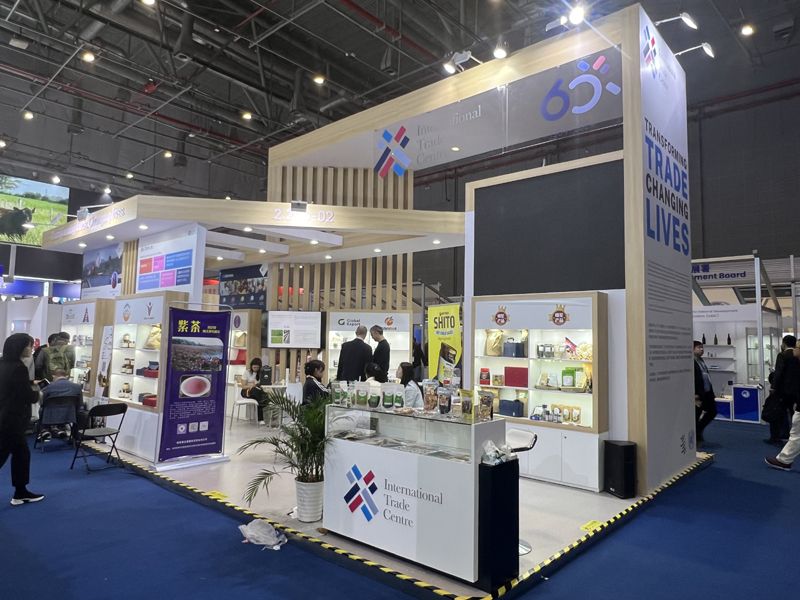
Fourth, meet buyers where they gather. Trade fairs, buyer-seller meets and chamber events in Johannesburg, Nairobi, Lagos, Accra and Cairo are worth the trip. A face-to-face meeting, a sample in the buyer's hand and a factory visit, real or virtual, build trust faster than a hundred cold emails.
Verification and Payment Safety
Never skip verification. Check the buyer's company registration, website, address and trading history. Ask for references, a bank reference and previous supplier contacts. Search the company name with terms such as fraud, complaint or scam. If a buyer refuses to share basic details, walk away.
Use ECGC cover for export credit insurance where it fits your shipment, and agree payment terms before production. For new buyers, prefer advance payment, an irrevocable letter of credit confirmed by a reputable bank, or escrow. Avoid open account terms until a buyer has paid reliably several times. Watch for red flags: prices far above market, requests for advance fees, pressure to ship before payment clears, and bank details that change mid-order.
Logistics and Compliance
Shipping to Africa from India usually runs through Nhava Sheva or Mundra to Durban, Mombasa, Lagos (Apapa/Tin Can), Tema or Alexandria/Port Said. Transit times vary from two to six weeks depending on the route and transhipment. Work with a freight forwarder experienced in African ports, and confirm port charges, demurrage and inland transport before you quote. Documentation typically includes the commercial invoice, packing list, bill of lading, certificate of origin, and product-specific certificates such as health, phytosanitary or conformity certificates.
Frequently Asked Questions
Which African country is easiest for a first-time Indian exporter?
Ghana and Kenya are often the most accessible, thanks to English, stable trade routines and manageable port procedures. South Africa is formal and well organised but expects full compliance. Start where your product has proven demand and a buyer you have verified.
How do I find buyers for export in South Africa?
Use B2B directories, chambers of commerce, trade fair exhibitor lists and trade data by HS code. Approach importers and distributors with a professional catalogue, samples and clear terms, and follow up after meeting them at a trade fair.
What products does Africa import most from India?
Pharmaceuticals, rice and food products, textiles and garments, machinery, chemicals, vehicles and parts, and engineering goods are among the strongest categories. Demand varies by country, so check import data for your product before you target a market.
How can I avoid export scams in Africa?
Verify the buyer independently, use a letter of credit or advance payment for new buyers, consider ECGC cover, and never pay advance fees to secure an order. If an offer looks too good to be true, it usually is.
Find African Buyers on TodayAdviser
Finding buyers is easier when buyers are already looking for suppliers. Browse verified importers in the TodayAdviser buyer directory to find buyers for export in South Africa, Kenya, Nigeria, Ghana and Egypt, and post a requirement to let African buyers come to you with their enquiries. List your product, your certifications and your export terms clearly, respond quickly to enquiries, and turn one verified buyer into a long-term African order book.